Pad-Mounted Substation (Box-Type Substation)
Paglilinaw:
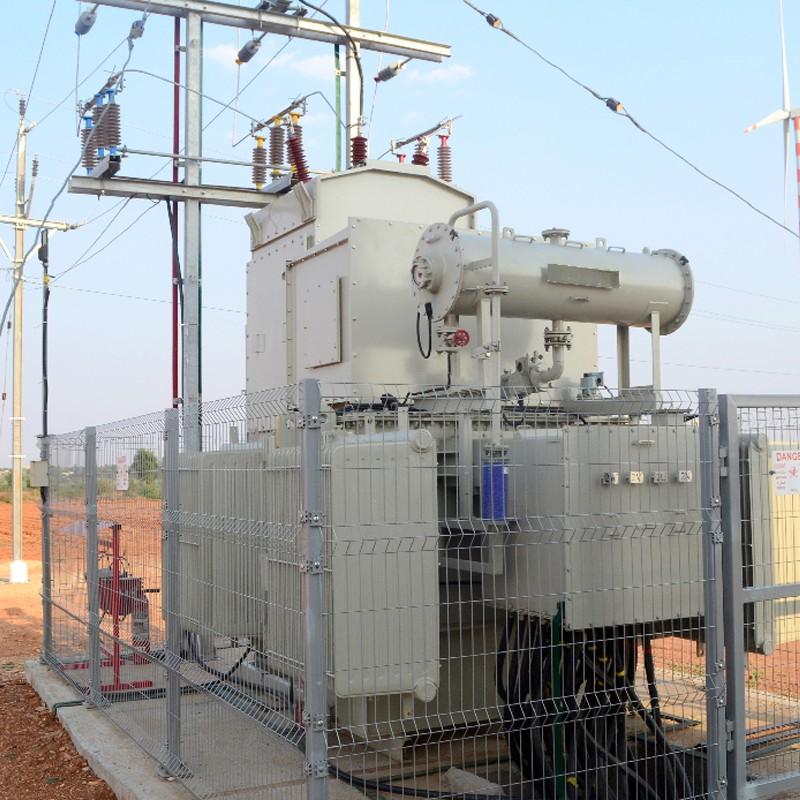
Ang pad-mounted substation, na kilala rin bilang prefabricated substation o pre-assembled substation, ay isang kompakto at factory-assembled power distribution unit na naglalaman ng high-voltage switchgear, distribution transformer, at low-voltage distribution equipment batay sa tiyak na wiring scheme. Ito ay naglalabas ng mga tungkulin tulad ng pagbaba ng voltage at low-voltage power distribution sa isang iisang yunit na nakapaloob sa fully enclosed, movable steel enclosure na water-proof, rust-resistant, dust-proof, rodent-proof, fire-resistant, theft-resistant, at thermally insulated. Ito ay espesyal na angkop para sa urban power grid construction at upgrades, kumakatawan sa bagong uri ng small-scale substation na lumitaw pagkatapos ng tradisyonal na civil-built substations. Karaniwan ito ay nagbabago ng mataas na voltag patungong mababang voltag—halimbawa, ang konwersyon ng 10 kV sa 380 V para sa industriyal o residential use.
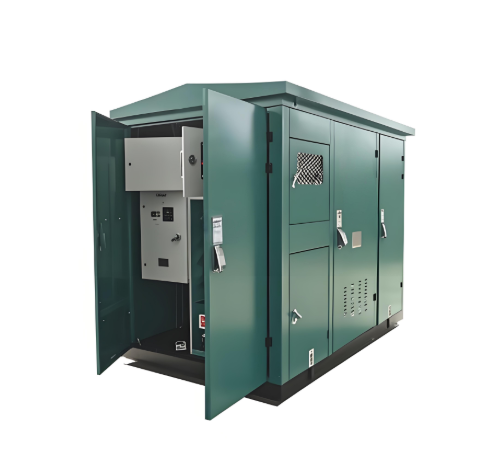
Ang pad-mounted substations ay malawakang ginagamit sa mines, industrial plants, oil and gas fields, at wind power stations, pinalitan ang mga conventional na civil-built distribution rooms o substations at gumaganap bilang bagong uri ng integrated transformer at distribution assembly.
Ang pad-mounted substation (karaniwang tinatawag na “box sub” o “box-type sub”) ay karaniwang binubuo ng tatlong compartments: ang high-voltage room, transformer room, at low-voltage room. Ito ay isang mas simple na transformer at distribution device. Ang pagpili ng transformer nito ay sumusunod sa general engineering guidelines, na may typical capacities na hindi lumalampas sa 1,250 kVA.
Ang temporary box substations ay tumutukoy sa mga yunit na inilapat para sa short-term use—tulad ng isang temporary transformer sa construction site—that will be removed after the project ends at hindi ito intended for permanent installation.
Tungkulin:
Ginagamit ang pad-mounted substations sa high-rise residential buildings, luxury villas, plazas, parks, residential communities, small-to-medium factories, mines, oilfields, at temporary construction power applications, na nagbibigay ng tulong upang tanggapin at maghati ng electrical energy sa loob ng distribution systems.
Lokasyon:
Una, ito ay pangunihin na inilalatag sa urban residential neighborhoods at sa mga kalye. Sa panahon ng peak electricity demand periods kung kailangan ng additional capacity o voltage support, ginagamit ang pad-mounted substations.
Pangalawa, malawakang ginagamit ito para sa temporary power supply—tulad ng sa construction sites kung saan ang existing buildings ay nangangailangan ng electrical system upgrades. Malawak din itong ginagamit sa field operations, kasama ang construction sites, ports, airports, at katulad na lugar.
Traction Substation
Paglilinaw:
Ang traction substation ay nagkonberte ng three-phase 110 kV (o 220 kV) high-voltage AC power mula sa regional grid sa dalawang single-phase 27.5 kV AC outputs, na pagkatapos ay nagbibigay ng overhead contact lines (na rated sa 27.5 kV) sa parehong up-track at down-track directions ng railway. Ang bawat bahagi ng contact line ay tinatawag na "feeding arm." Ang dalawang arms ay gumagana sa iba't ibang voltage phases at normal na nahahati ng phase-break insulator. Sa pagitan ng adjacent traction substations, ang contact line voltages ay karaniwang in-phase; sa addisyon sa phase-break insulators, isinasagawa ang sectioning post (o switching kiosk) sa pagitan ng kanila. Sa pamamagitan ng circuit breakers o disconnect switches sa sectioning post, maaaring maisagawa ang bilateral (o unilateral) power supply modes.
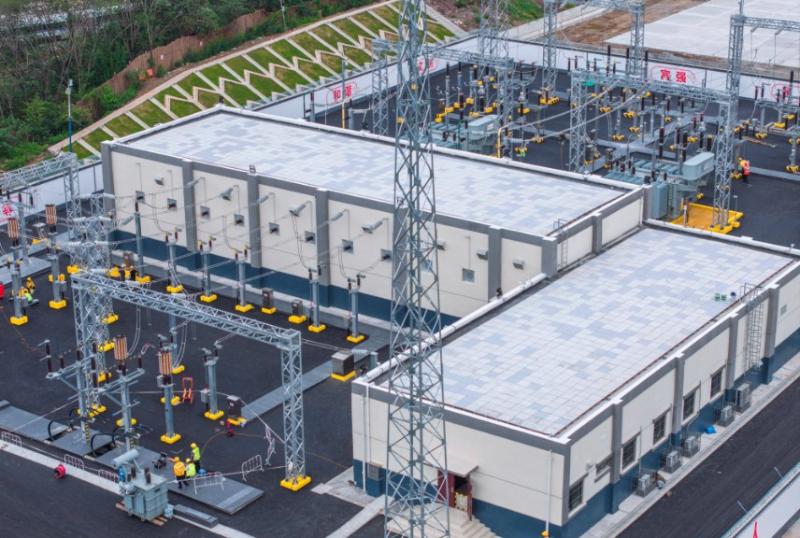
Ang traction substation ay tumatanggap ng electric power mula sa regional power system at nagkonberte nito sa anyo na angkop para sa electric railway traction batay sa tiyak na current at voltage requirements. Ang na-konberteng power ay pagkatapos ay inililipat sa overhead contact wires sa itaas ng railway tracks upang magbigay ng electric locomotives, o sa underground metro o urban tram systems upang magbigay ng subway trains o trolley cars.
Sa buong electrified railway line, maraming traction substations ang inilalatag, karaniwang may layo ng 40–50 kilometers. Sa long-distance electrified railways, idinidagdag ang "booster" o "intermediate" traction substations humigit-kumulang tuwing 200–250 kilometers upang segment ang high-voltage transmission line at limitahan ang fault impact zones. Ang mga intermediate substations na ito ay hindi lamang gumagampan ng standard transformation functions kundi nagdidistribute rin ng incoming high-voltage power via their busbars at feeders sa other intermediate substations downstream.