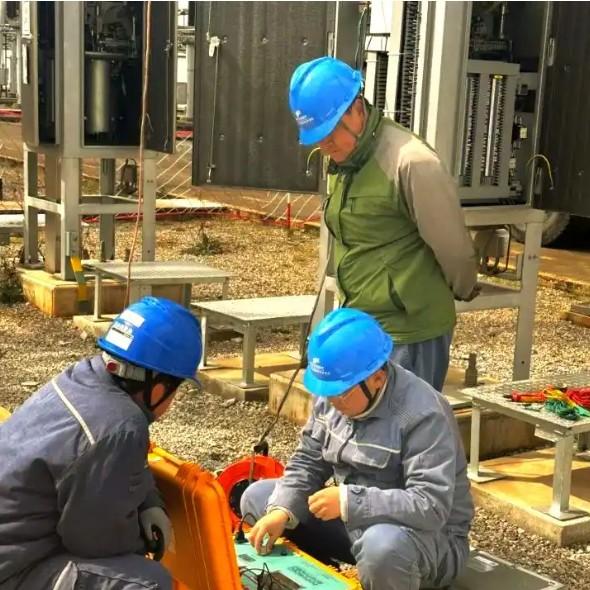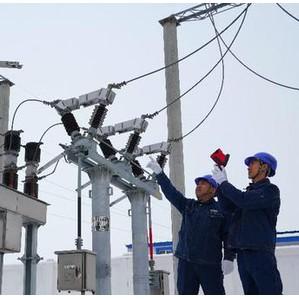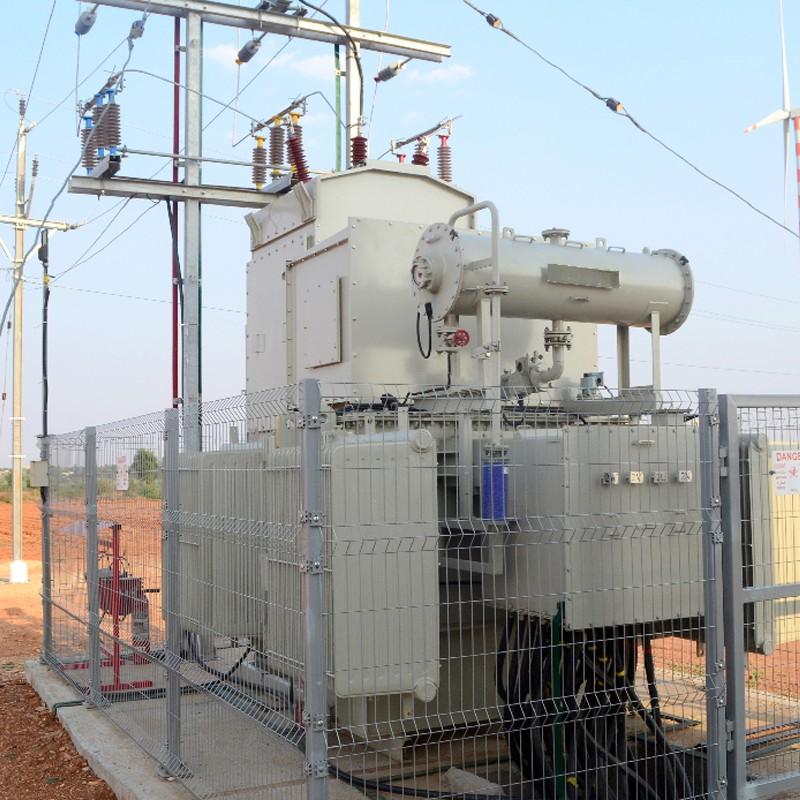
Pad-Mounted Substation (Box-Type Substation)
Definition:
Ang pad-mounted substation, o mas kilala sa tawag nga prefabricated substation o pre-assembled substation, mao kini ang kompakto ug gihimo sa factory nga power distribution unit nga integra ang high-voltage switchgear, distribution transformer, ug low-voltage distribution equipment batas sa isip usa ka wiring scheme. Igihiusa niini ang mga function sama sa voltage step-down ug low-voltage power distribution sa usa ka yunit nga nahimutang sa usa ka fully enclosed, movable steel enclosure nga waterproof, rust-resistant, dust-proof, rodent-proof, fire-resistant, theft-resistant, ug thermally insulated. Kini labi na angay sa urban power grid construction ug upgrades, representante niini ang bag-ong tipo sa small-scale substation nga nagsilbi human sa tradisyonal nga civil-built substations. Kasagaran, iya nag-step down sa high voltage ngadto sa low voltage—isip e.g., converting 10 kV ngadto sa 380 V para sa industrial o residential use.
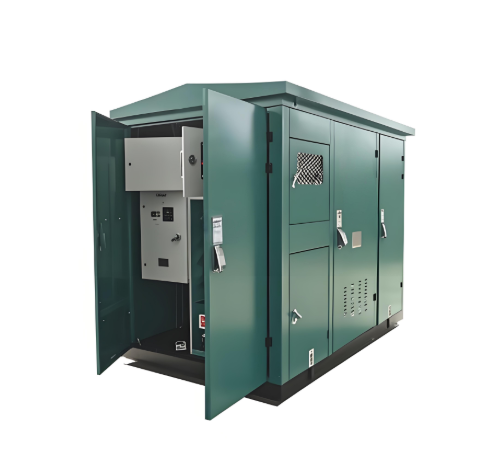
Ang pad-mounted substations gigamit kasagaran sa mines, industrial plants, oil and gas fields, ug wind power stations, replacing conventional civil-built distribution rooms o substations ug serving as a new type of integrated transformer and distribution assembly.
Ang pad-mounted substation (commonly called a “box sub” o “box-type sub”) kasagaran gibahin sa tulo ka compartments: ang high-voltage room, transformer room, ug low-voltage room. Kini usa ka relatively simple transformer and distribution device. Ang pagpili sa iyang transformer sumala sa general engineering guidelines, ug typical capacities wala mogawas sa 1,250 kVA.
Ang temporary box substations refer to units installed for short-term use—such as a temporary transformer at a construction site—that will be removed after the project ends and are not intended for permanent installation.
Function:
Ang pad-mounted substations gigamit sa high-rise residential buildings, luxury villas, plazas, parks, residential communities, small-to-medium factories, mines, oilfields, ug temporary construction power applications, serving to receive and distribute electrical energy within distribution systems.
Location:
Unang, kini primary deployed sa urban residential neighborhoods ug along streets. Sa panahon sa peak electricity demand periods diin additional capacity o voltage support needed, ang pad-mounted substations gigamit.
Pangalawa, kini widely used sa temporary power supply—such as at construction sites diin existing buildings require electrical system upgrades. Kini usab commonly used sa field operations, including construction sites, ports, airports, ug similar locations.
Traction Substation
Definition:
Ang traction substation convert three-phase 110 kV (o 220 kV) high-voltage AC power from the regional grid into two single-phase 27.5 kV AC outputs, which then supply the overhead contact lines (rated at 27.5 kV) on both the up-track ug down-track directions of a railway. Each side of the contact line is referred to as a "feeding arm." The two arms operate at different voltage phases ug are normally separated by a phase-break insulator. Between adjacent traction substations, the contact line voltages are usually in-phase; in addition to phase-break insulators, a sectioning post (o switching kiosk) is installed between them. Through circuit breakers or disconnect switches at the sectioning post, bilateral (o unilateral) power supply modes can be implemented.
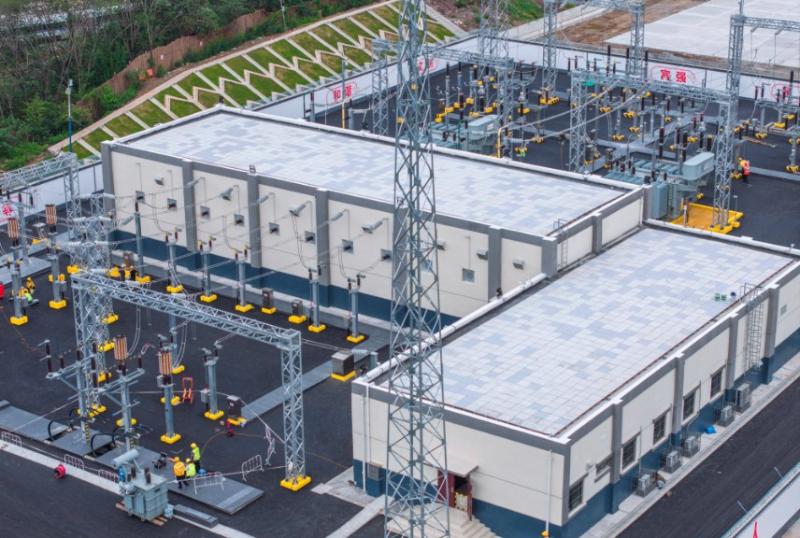
Ang traction substation receives electric power from the regional power system ug converts it into a form suitable for electric railway traction based on specific current and voltage requirements. The converted power is then delivered to the overhead contact wires above railway tracks to supply electric locomotives, o to underground metro or urban tram systems to power subway trains or trolley cars.
Along an electrified railway line, multiple traction substations are installed, typically spaced about 40–50 kilometers apart. In long-distance electrified railways, additional "booster" or "intermediate" traction substations are installed approximately every 200–250 kilometers to segment the high-voltage transmission line ug limit fault impact zones. These intermediate substations not only perform standard transformation functions but also distribute incoming high-voltage power via their busbars ug feeders to other intermediate substations downstream.