• Product
  • Suppliers
  • Manufacturers
  • Solutions
  • Free tools
  • Knowledges
  • Experts
  • Communities
Search


How Acoustic Imaging Locates GIS Defects

Edwiin
Edwiin
Field: Power switch
China

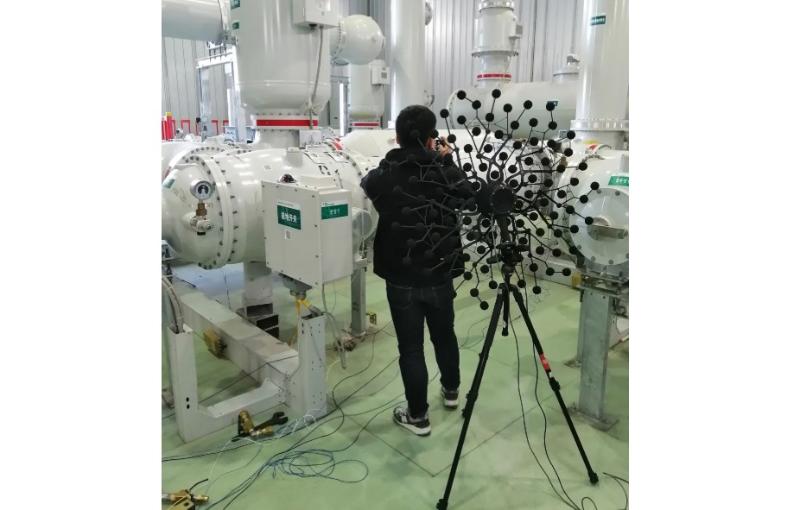
In recent years, acoustic imaging technology for GIS defect detection has developed rapidly. This technology enables intuitive sound source localization, helping operation and maintenance personnel focus on the exact location of GIS defects, thereby improving the efficiency of defect analysis and resolution.

Sound source localization is only the first step. It would be even more ideal if common GIS defect types could be automatically identified using artificial intelligence (AI), along with intelligent recommendations for maintenance strategies.
GIS.jpg

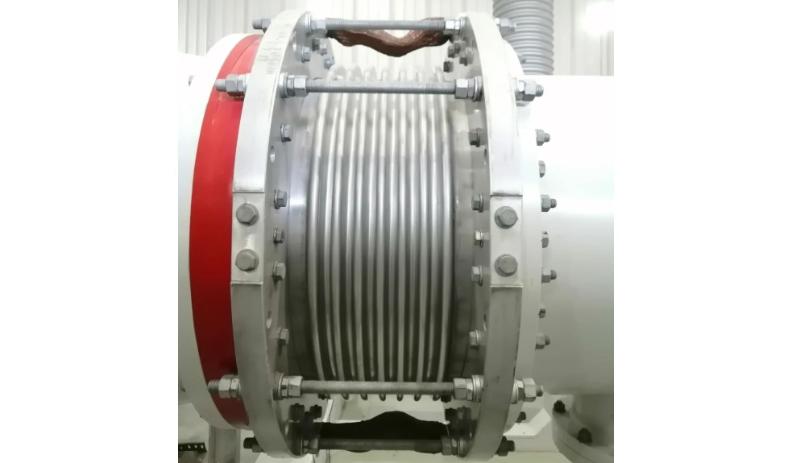
Defects such as loose bolts, bellows movement, and loose internal shielding components causing abnormal noises can currently be located using acoustic imaging technology.

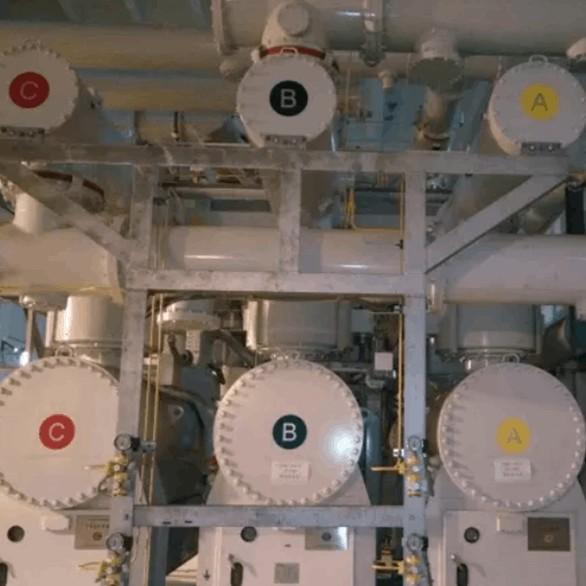
However, due to structural differences among GIS units from various manufacturers and models, as well as varying bay configurations across engineering projects, the generated sound signals often carry inherent characteristics. This adds complexity and technical challenges to GIS defect diagnosis using acoustic imaging.
GIS.jpg

Further progress requires close collaboration between acoustic specialists and power grid switchgear experts, integrating domain knowledge and field experience to iteratively test, refine, and optimize engineering-based acoustic and vibration signal analysis methods and algorithms.
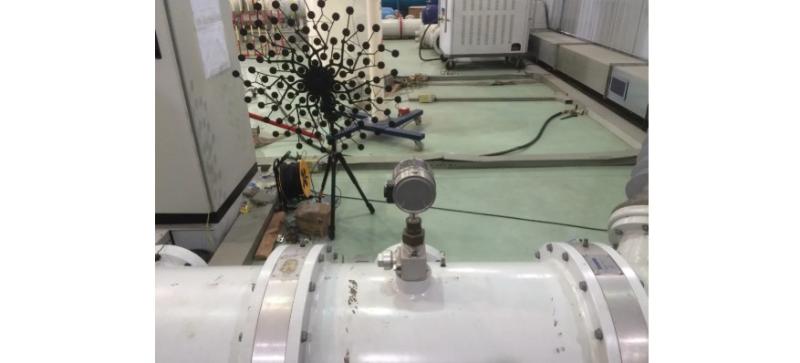
GIS.jpg

With continuous advancements in acoustic imaging technology and improvements in AI algorithm efficiency, the application of more advanced technologies will significantly reduce the workload of on-site operation and maintenance personnel.
Give a tip and encourage the author!
Recommended
Why does a 2-in 4-out 10 kV solid-insulated ring main unit have two incoming feeder cabinets?
A "2-in 4-out 10 kVsolid-insulated ring main unit" refers to a specific type of ring main unit (RMU). The term "2-in 4-out" indicates that this RMU has two incoming feeders and four outgoing feeders.10 kVsolid-insulated ring main unit are equipment used in medium-voltage power distribution systems, primarily installed in substations, distribution stations, and transformer stations to distribute high-voltage power to low-voltage distribution networks. They generally consist of high-voltage incomi
Garca
12/10/2025
Low-Voltage Distribution Lines and Power Distribution Requirements for Construction Sites
Low-voltage distribution lines refer to the circuits that, through a distribution transformer, step down the high voltage of 10 kV to the 380/220 V level—i.e., the low-voltage lines running from the substation to the end-use equipment.Low-voltage distribution lines should be considered during the design phase of substation wiring configurations. In factories, for workshops with relatively high power demand, dedicated workshop substations are often installed, where transformers supply power direc
James
12/09/2025
Three-Phase SPD: Types, Wiring & Maintenance Guide
1. What Is a Three-Phase Power Surge Protective Device (SPD)?A three-phase power surge protective device (SPD), also known as a three-phase lightning arrester, is specifically designed for three-phase AC power systems. Its primary function is to limit transient overvoltages caused by lightning strikes or switching operations in the power grid, thereby protecting downstream electrical equipment from damage. The SPD operates based on energy absorption and dissipation: when an overvoltage event occ
James
12/02/2025
Neutral Grounding Methods for Conventional-Speed Railway Power Systems
Railway power systems primarily consist of automatic block signaling lines, through-feeder power lines, railway substations and distribution stations, and incoming power supply lines. They provide electricity to critical railway operations—including signaling, communications, rolling stock systems, station passenger handling, and maintenance facilities. As an integral part of the national power grid, railway power systems exhibit distinct characteristics of both electrical power engineering and
Echo
11/26/2025
Send inquiry
Download
Get the IEE Business Application
Use the IEE-Business app to find equipment, obtain solutions, connect with experts, and participate in industry collaboration anytime, anywhere—fully supporting the development of your power projects and business.