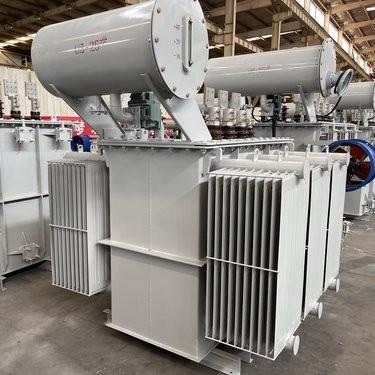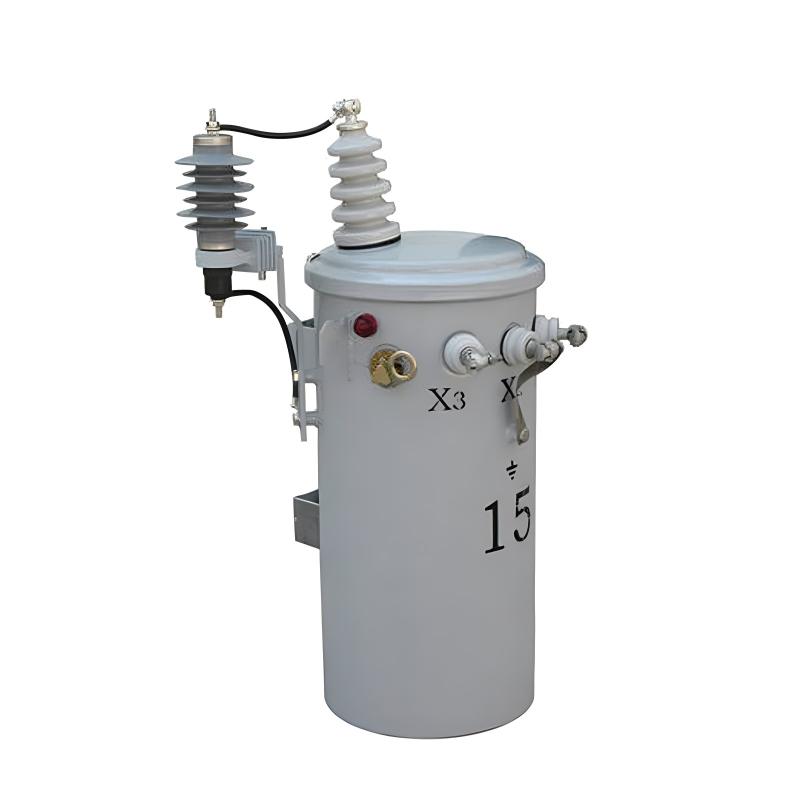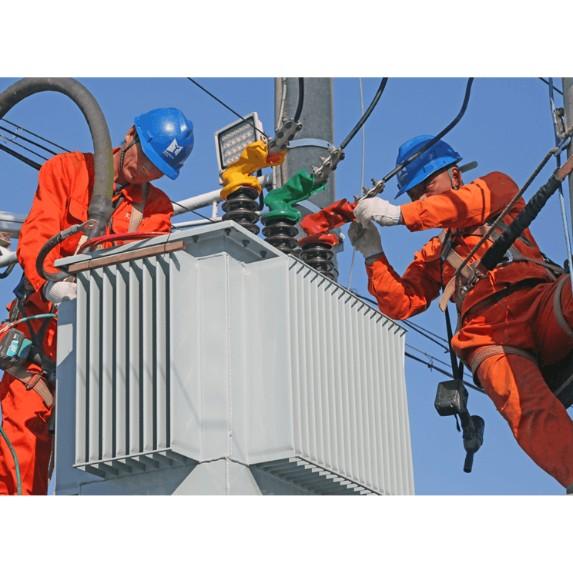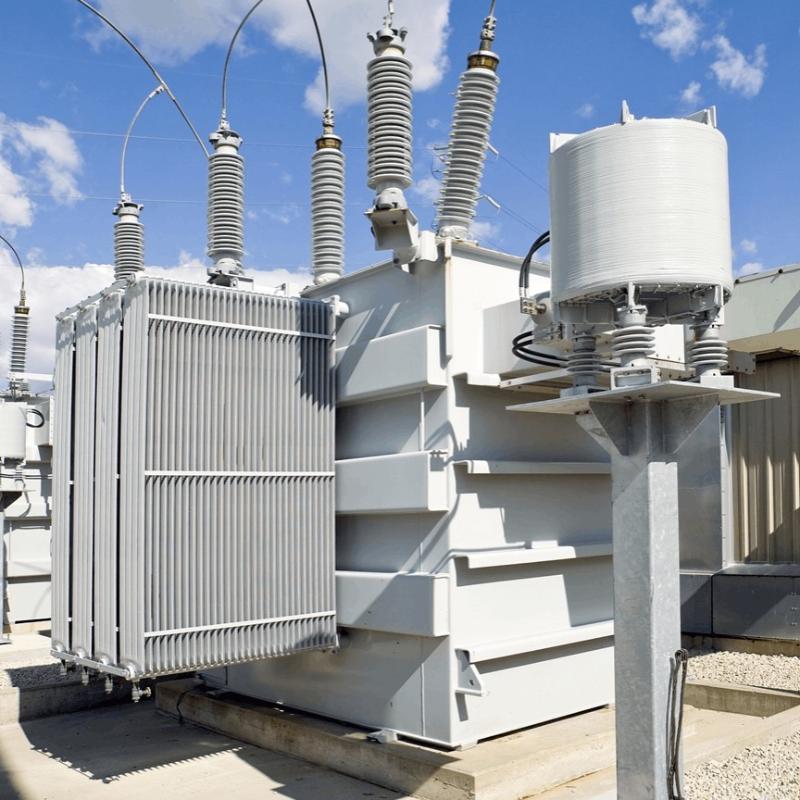
1. Pagmentinar ug Inspeksyon sa Transformer
Buksi ang low-voltage (LV) circuit breaker sa transformer nga gina-mentinar, kuhaa ang control power fuse, ug bitayi ang "Ayaw I-sara" nga babala sa switch handle.
Buksi ang high-voltage (HV) circuit breaker sa transformer nga gina-mentinar, isara ang grounding switch, buhii ang tanan nga kuryente sa transformer, i-lock ang HV switchgear, ug bitayi ang "Ayaw I-sara" nga babala sa switch handle.
Alang sa pagmentinar sa dry-type transformer: una linisi ang porcelain bushings ug enclosure; dayon susiha ang enclosure, gaskets, ug porcelain bushings alang sa mga bitak, marka sa discharge, o nag-edar nga rubber gaskets; susiha ang cables ug busbars alang sa deformasyon; palitan ang bisan unsang nabikil nga bahin.
Susiha nga limpyo pa gihapon ang contact surface sa busbar; kuhaa ang oxidation layers ug idai ang power compound grease.
Susiha ang grounding sa transformer alang sa integridad; susiha kon naburam ang grounding conductor; palitan ang mga seryosong naburam nga grounding conductors.
I-tighten ang terminal screws, pins, grounding screws, ug busbar connection screws. Kon makit-an ang kaluwagan, kuhaa ang screws, gamita ang fino nga flat file aron limpiyohan ang contact surface, o palitan ang spring washers ug screws hangtod ma-secure ang maayo nga contact.
Limpiyohi ang abog libot sa transformer ug sa mga accessory niini; susiha ang fire protection equipment ug ventilation systems alang sa hustong operasyon.
2. Pagmentinar ug Inspeksyon sa Busway
Ang pagmentinar ug inspeksyon sa busways kinahanglan mosunod sa mosunod nga prosedura:
Susiha kon basag ang mga konektadong turnilyo sa mga joint sa busway ug sa mga turnilyo sa mounting bracket.
Kumpirmaha nga ang total load current dili molabaw sa rated o design current sa main busway, ug susiha ang ambient temperature sa lugar sa pag-instalar.
Sa wala pa ang pagmentinar sa busway, patua ang tibuok sistema sa busway, putla ang tanan nga gigikanan sa kuryente, ug gamita ang multimeter aron kumpirmahon nga walay voltage sa mga conductor sa wala pa magpadayon sa routine inspection. Kini aron mapugngan ang seryosong samad o kamatayon tungod sa taas nga boltahe.
Samtang nagainstala, limpiyoha ang abog sa busway pinaagi sa malumo nga brush, vacuum cleaner, o panapton. Hinumdomi ang espesyal nga atensyon sa clamping torque ug kahinlo sa surface sa connectors. Ang luag nga istruktura o kontaminasyon modugang sa resistensya, nga mosangpot sa sobrang init; ang dili parehas nga contact surface mahimong hinungdan sa arcing.
Samtang nag-operate, padayon nga susiha ang tibuok sistema sa busway alang sa mga liki, pag-spray sa tubig, potensyal nga gigikanan sa kaumog, mabug-at nga butang nga naghatag peligro, gigikanan sa init nga makaapekto sa pagtaas sa temperatura, ug langyaw nga butang nga misulod sa sulod sa busway.
Susiha ang mga bahin sa busway alang sa kadaot o korosyon; kumpirmaha nga ang mga support springs nagpabilin sa hustong tensyon; palitan dayon ang bisan unsang depekto nga mga bahin.
Alang sa mga busway nga dugay na nga nag-operate, buhata ang annual temperature-rise test sa mga joints. Sumala sa GB 7251, ang pagtaas sa temperatura sa joint dili molabaw sa 70K aron ikonsidera nga maayo.
Susiha ang insulation materials alang sa pagkatigulang ug ang mga conductive parts alang sa pagkatunaw o deformasyon. Kon nakit-an ang phase-to-phase shorting o insulation breakdown, dismantalahon ang bahin sa busway nga bahin-bahin ug gamita ang high-potential (hi-pot) tester aron lokalison ang sayup, o palitan ang segment sa busway o i-re-insulate sumala sa gikinahanglan.
Susiha nga maayo ang koneksyon sa plug-in box contacts ngadto sa busbar.
Sa wala pa balik-on ang kuryente sa sistema sa busway, sukda ug irekord ang insulation resistance alang sa pagtipig.
Human sa pagmentinar, siguroha nga ang sistema sa busway nagpabilin sa orihinal nga ingress protection (IP) rating.
3. Pagsulay sa High-Voltage Switchgear
Ang pamaagi sa pagsulay sa high-voltage switchgear lakip ang mosunod nga mga lakang:
Putla ang incoming ug outgoing cables gikan sa ring main unit (RMU). Isolaha ang RMU nga gitest gikan sa ubang ekipo sa sistema nga adunay igo nga safety clearance. Putla ang primary leads sa surge arresters ug markahi kini og klaro.
Ikonekta ang test power supply sa husto. Gamita ang power distribution box nga adunay overcurrent protection. Ang test power source kinahanglan adunay visible nga bukas nga double-pole switch ug power indicator lamp. Ang grounding terminals sa test instruments ug ang enclosure sa ekipo nga gitest kinahanglan masumpay og kasaligan sa grounding grid gamit ang multi-strand bare copper wire nga adunay cross-sectional area nga dili mo ubos sa 4 mm².
4. Pagsulay sa Ring Main Unit (RMU)
4.1 Pagsulay sa Load Switch
Conductive loop resistance: Sukda gamit ang DC voltage drop method nga adunay test current nga 100 A. Ang resulta kinahanglan mosunod sa teknikal nga espisipikasyon sa manufacturer. Tan-awa ang wiring diagram alang sa pagsukod sa conductive loop resistance sa load switch.
SF6 load switch: Kumpirmaha nga anaa sa rated pressure value ang pointer sa SF6 gas pressure gauge.
Insulation resistance: Sukda ang insulation resistance tali sa mga phase ug tali sa phase-to-ground. Ang mga bili kinahanglan mosunod sa espisipikasyon sa manufacturer. Sa paggamit sa hand-cranked megohmmeter, i-crank ngadto sa rated speed una sa pagkonekta sa winding. Human sa pagsukod, i-disconnect una ang high-voltage lead, unya hunonga ang pag-crank sa megohmmeter.
Pagsulay sa AC withstand voltage: Sukat ang resistance sa insulyasyon bago ug human sa pagsulay sa AC withstand; dili dapat may significant decrease sa mga balore. Ihap ang pagsulay kon ang switch adunay (phase-to-ground) ug wala (across contacts). Ang test voltage batasan 42 kV.
Sa panahon sa pag-sulay sa insulyasyon ug AC withstand, i-assign ang dedicated safety monitor aron mahimong ipagbawal ang mga tawo nga mobangon sa area sa pagsulay o mogamit sa load switch ug mga aparato sa pagsulay. Ang mga operator sa pagsulay kinahanglan mopagtumong sa instrument readings ug kondisyon sa switch. Kon may large voltage fluctuations, sharp current increases, o abnormal phenomena, immediate reduce voltage, cut off test power, stop the test, identify the cause, resolve it, and then resume testing.
Human sa pag-sulay sa insulyasyon ug AC withstand, idischarge ang load switch gamit ang discharge rod.
4.2 Pagsulay sa High-Voltage Fuse
Sukat ang DC resistance sa high-voltage current-limiting fuses ug verify ang rated current. Ang DC resistance sa fuse dili dapat magdiffer significantly gikan sa same model. Ang pag-sukat sa DC resistance makatabang nga mas confirm ang internal fuse element mao nga intact.
4.3 Overall RMU Testing
Para sa entire RMU assembly, ihap ang AC withstand tests sa tanang internal equipment—kasagaran sa load switches ug busbars—simultaneously, pero isolate surge arresters bago. Apply test voltage based on the lowest withstand requirement among connected devices; per code, this is 42 kV. Sa full-circuit AC withstand testing, apply voltage to one phase while grounding the other two. Sukat ang insulation resistance bago ug human sa pagsulay; ang mga balore dili dapat mag-show og significant reduction.
Sa panahon sa voltage ramp-up, wala bisan kinsa nga mobangon sa safety barriers. I-assign ang dedicated supervisor. Ang high-voltage leads kinahanglan secure support gamit ang adequate insulation clearance. Bago apply voltage, carefully verify test wiring, zero position of the variac, ug initial status of instruments. Confirm all personnel maintain safe distance from high-voltage areas. Use call-and-response communication during operations. Monitor instrument readings ug listen for abnormal sounds from the RMU. After each test or when changing connections, reduce voltage to zero, disconnect test power, and discharge and ground both the equipment and the HV side of the test transformer. If the voltmeter shows large swings, ammeter indicates sharp current rise, or equipment behaves abnormally, immediately reduce voltage, cut off power, implement safety measures, inspect, and decide whether to retest or terminate.
4.4 Pagsulay sa Surge Arrester
Insulation resistance: Para sa metal oxide surge arresters, ang insulation resistance dili dapat less than 1000 MΩ. Sukat ang insulation resistance bago ug human sa DC reference voltage ug leakage current tests; dili dapat may significant reduction. When using a hand-cranked megohmmeter, crank to rated speed before connecting to the arrester. After measurement, disconnect the HV lead first, then stop cranking.
DC reference voltage ug leakage current sa 0.75× reference voltage: Ang measured DC reference voltage dili dapat deviate by more than ±5% from factory test values. Leakage current sa 0.75× DC reference voltage dili dapat exceed 50 µA o comply with manufacturer specifications. Refer to the wiring diagram for this test.
Sa panahon sa pagsulay, i-assign ang dedicated monitor aron mahimong ipagbawal ang access sa test zone o contact with the arrester. Operators must watch instrument readings ug arrester condition. Kon abnormalities occur, immediately reduce voltage, cut off power, implement safety measures, inspect, and decide whether to retest or stop.
After each test, discharge and ground the surge arrester using a discharge rod.
4.5 Restore Equipment Connections
Reconnect all cables and leads removed prior to testing, and verify secure connections.
4.6 Test Process Control
Compare test data with applicable standards or factory test reports to determine pass/fail status. Review data on-site. If results are non-compliant or questionable, analyze causes. If due to test methods, equipment, or external factors, eliminate those issues. If due to equipment defects, issue a defect notification report to the client.
4.7 Site Cleanup
Remove all temporary grounding wires, shorting leads, instruments, meters, special test leads, tools, barriers, and warning signs installed by test personnel. Ensure no items are left on equipment. The work supervisor shall verify completion of the entire test procedure.