Mga Karaniwang Pagsabog sa Mataas na Boltagen Circuit Breakers ug Pagkawala sa Pressure sa Mechanism
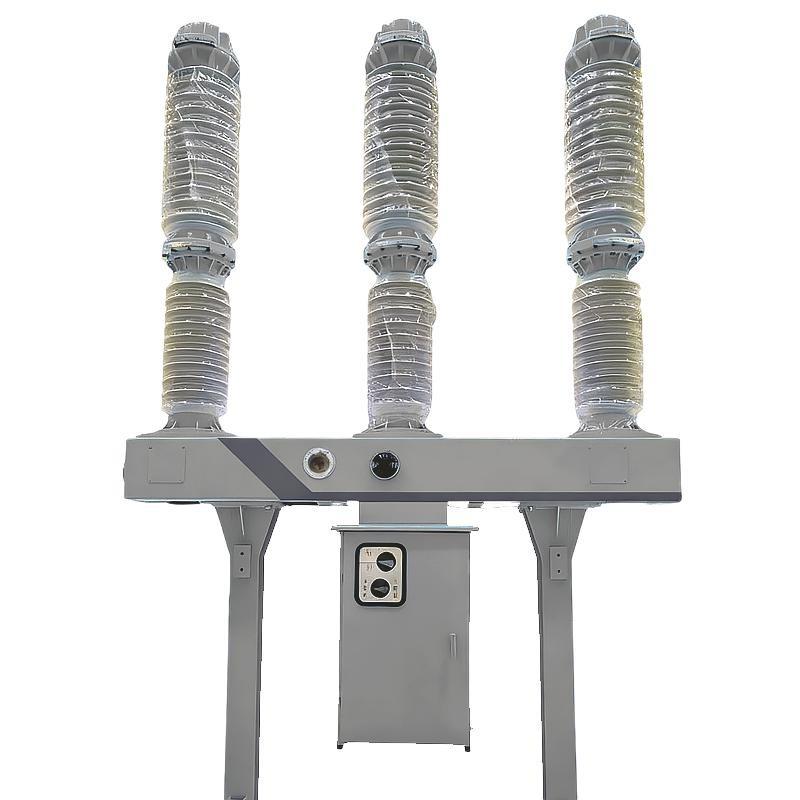
Mga karaniwang pagsabog sa mga mataas na boltagen circuit breakers mismo kinahanglan ipasabot: pagkawala sa pagpahimutang, pagkawala sa pagbukas, kasuko nga pagpahimutang, kasuko nga pagbukas, asynchronism sa tatlo ka phase (mga contact dili magpahimutang o magbukas nang samay), pagkasira sa operating mechanism o pagkawala sa pressure, pagpugos o explosion tungod sa dili sapat nga interrupting capacity, ug phase-selective circuit breakers wala mogana basehan sa gipangutana nga phase.
"Pagkawala sa pressure sa circuit breaker mechanism" kasagaran nagpasabot sa mga irregularidad sa hydraulic pressure, pneumatic pressure, o oil level sa circuit breaker mechanism, resulta niini ang pagblock sa pagbukas o pagpahimutang.
Paghahandle sa Circuit Breakers nga Naka-block sa Pagbukas/Pagpahimutang Sa Dili Normal nga Operasyon
Kon ang circuit breaker naka-experience og block sa pagbukas/pagpahimutang sa operasyon, kini kinahanglan i-isolate sa serbisyo ngadto sa dili matag pa. Ang sumusunod nga mga hakbang kinahanglan gihapon batas sa sitwasyon:
Sa mga substation nga may dedicated bypass circuit breaker o bus-tie circuit breaker nga makagamit usab isip bypass, ang bypass substitution method mahimong gamiton aron mailisan ang faulty circuit breaker gikan sa grid.
Kon dili feasible ang bypass substitution, ang bus-tie circuit breaker mahimong gamiton sa series sa faulty circuit breaker; pagkatapos, ang power-side circuit breaker sa uban nga bahin ibubukas aron mapatay ang faulty circuit breaker (pagkahuman sa load transfer).
Para sa II-type busbar configurations, ibukas ang external bridge disconnector sa line aron makuha ang II-connection ngadto sa T-connection, resulta niini ang faulty circuit breaker ma-isolate.
Kon ang bus-tie circuit breaker mismo naka-experience og block sa pagbukas/pagpahimutang, sabtan ang duha ka bus disconnectors sa usa ka elemento (i.e., "dual-span"), pagkatapos ibukas ang duha ka side disconnectors sa bus-tie circuit breaker.
Sa mga substation nga may dual power sources pero wala'y bypass circuit breaker, kon ang line circuit breaker naglisud sa pressure, ang substation mahimong butangi nga i-convert isip terminal substation configuration bago mapasabot ang operating mechanism sa pressure-loss circuit breaker.
Para sa faulty circuit breaker sa 3/2 busbar scheme nga nag-operate sa ring network, kini mahimong i-isolate gamit ang duha ka side disconnectors nito.
Mga Konsekwensiya sa Non-Full-Phase Operation sa Mataas na Boltagen Circuit Breakers
Kon usa ka phase sa circuit breaker wala mogana, kini katumbas sa two-phase open circuit; kon duha ka phase wala mogana, kini katumbas sa single-phase open circuit. Kini nag-generate og zero-sequence ug negative-sequence voltages ug currents, potensyal nga makaplag sa sumusunod nga mga konsekwensiya:
Neutral-point displacement gikan sa zero-sequence voltage nagresulta sa dili balanced phase-to-ground voltages, uban ang pipila ka phase naka-experience og taas nga voltage, nag-increase sa risk sa insulation breakdown.
Zero-sequence current nagcreate og electromagnetic interference sa system, nag-threat sa safety sa communication lines.
Zero-sequence current mahimong trigger sa zero-sequence protection relays.
Taas nga impedance sa duha ka bahin sa system mahimong lead sa asynchronous operation.
Mga Paggamit sa Non-Full-Phase Operation sa Circuit Breakers
Kon ang circuit breaker automatic nga nabukas sa usa ka phase, resulta niini ang two-phase operation, ug ang auto-reclosing function (initiated by phase-loss protection) wala mogana, immediate instruct ang field personnel sa manual reclose once. Kon wala successful, ibukas ang natun-an nga duha ka phase.
Kon duha ka phase nabukas, immediate select ang appropriate method aron fully bukas ang circuit breaker.
Sa case sa non-full-phase operation sa bus-tie circuit breaker, immediate reduce ang iyang current, switch closed-loop busbars to single-bus operation, o de-energize usa ka busbar kon ang system open-loop.
Kon ang non-full-phase circuit breaker nag-supply sa generator, rapid reduce ang active ug reactive power output sa generator ngadto sa zero, pagkatapos apply ang above handling methods.
Mga Paggamit sa De-Energize sa Non-Full-Phase Circuit Breaker
Sa 220 kV system, parallel ang faulty non-full-phase circuit breaker sa bypass circuit breaker. Pagkatapos disable ang DC control power sa bypass circuit breaker, ibukas ang duha ka side disconnectors sa non-full-phase circuit breaker aron de-energize.
Kon ang element nga gikonektado sa non-full-phase circuit breaker mahimo mopatay ug ang substation gamiton ang double busbars, unang ibukas ang line circuit breaker sa uban nga bahin. Pagkatapos, ilipat ang uban pang mga element sa uban nga busbar sa kining bahin, connect ang bus-tie circuit breaker sa series sa non-full-phase circuit breaker, gamiton ang bus-tie circuit breaker aron interrupt ang no-load current, resulta niini ang de-energize sa line ug non-full-phase circuit breaker, ug finally ibukas ang iyang duha ka side disconnectors.
Paghahandle Kon ang Circuit Breaker Wala Mogana ug ang Line Wala Mapatay
Sa 500 kV 3/2 circuit breaker configuration, kon ang circuit breaker naka-block ug wala mogana habang ang line kinahanglan mobati, ang faulty circuit breaker mahimo de-energize sa pagbukas sa iyang duha ka side disconnectors. Ang sumusunod nga mga precautions kinahanglan ma-follow:
Kiniadtong duha ka strings mahimong looped ngadto sa usa, i-disable ang DC control power sa tanang circuit breakers bago gamiton ang disconnectors aron mabreak ang loop; i-restore ang DC control power human sa pagbreak sa loop.
Kiniadtong tulo o mas daghan pa nga strings mahimong looped, i-disable ang DC control power sa tanang circuit breakers sa string nga naglakip sa defective na circuit breaker bago mabreak ang loop; i-restore ang DC control power sa uban pang circuit breakers sa matag string human sa pagbreak sa loop.
Pagsulay sa Abnormal nga Kalagayan sa Disconnectors Sa Dilihang Operasyon
Kon may overheating ang disconnector, ihapin agad ang load.
Kon severe overheating ang nangyari, ilipat ang load pinaagi sa bus transfer o bypass bus transfer methods aron mohatag ug serbisyo ang disconnector.
Kon ang pagde-energize sa overheated disconnector makadaog sa dako nga outage ug mga bisan unsa nga kalisisi, gibuhat ang live-line maintenance aron mapatigas ang mga komponente. Kon ang overheating magpadayon, i-short-circuit lang temporaryo ang disconnector gamit ang jumper wire.
Mga Dahon sa Overheating sa High-Voltage Disconnectors
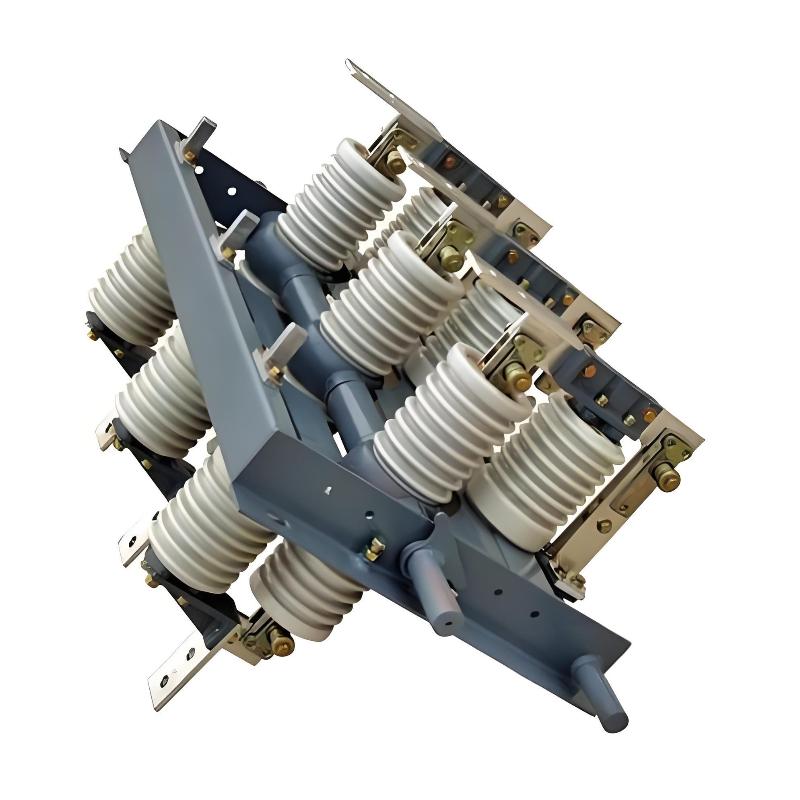
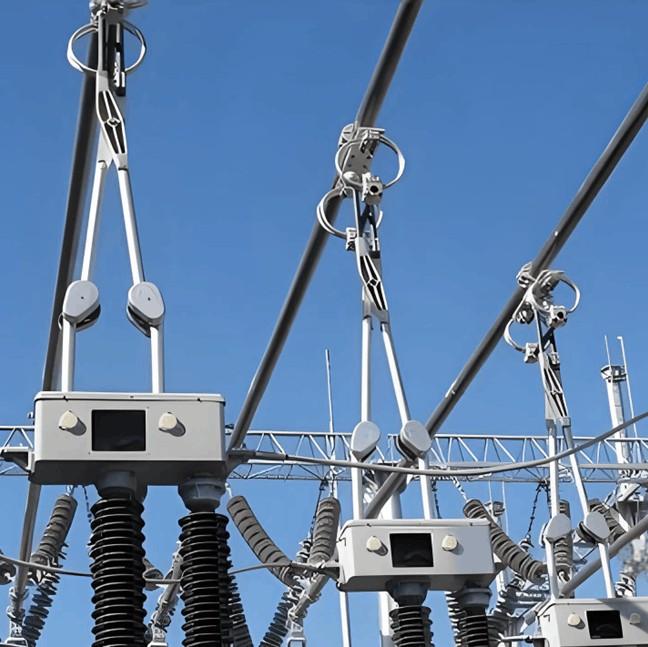
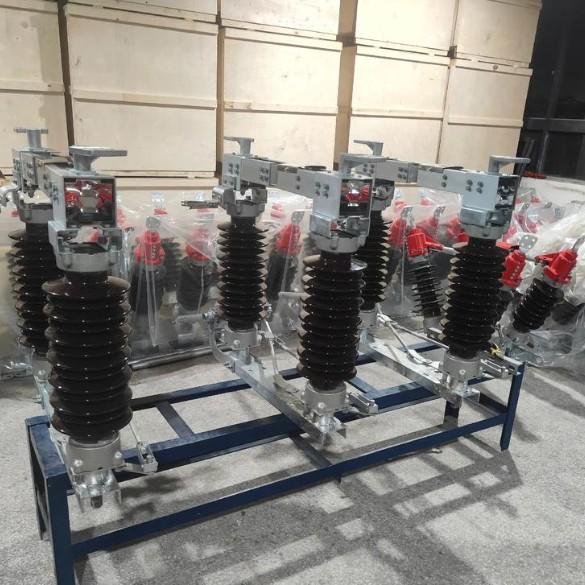
Ang main conductive path sa high-voltage disconnectors sa power systems gitawag og main contact blades (moving and stationary contacts), conductive rods (o plates), transition contacts sa pagitan sa conductive rods ug terminal connectors, ug terminal connectors para sa leads. Busa, ang overheating kasagaran mogamit sa main contact blades, transition contacts, ug terminal connectors.
Ang main causes sama sa: poor contact sa pagitan sa moving ug stationary contacts, insufficient contact pressure, mechanical deformation o wear, electrical erosion, ug contamination sama sa dirt, chemical deposits, o oxidation layers sa contact surfaces, tanan ni sila makadaug sa contact resistance.
Ang koneksyon sa pagitan sa conductive rods (plates) ug terminal connectors kasagaran gigamit ang transition contact structures—sama sa rolling contacts, surface-rotating friction contacts, o structures similar sa main contacts—ug ang overheating failures kasagaran makita kaniini sa panahon sa operasyon. Usa ra sad, ang fixed contact points sa disconnectors mao usab makaplag-overheat.
Mga Paraan Aron Hapsayon ang Overheating sa High-Voltage Disconnectors
Pagpalig-on sa monitoring: Ang substation operators dapat molantaw sa disconnectors sa matag shift, focus sa heating sa conductive path. Analyze batas sa load current ug kondisyon sa mga komponente. I-apply ang temperature-indicating wax strips sa key conductive parts ug monitor ang melting. Kung posible, gamiton ang infrared thermometers alang sa live-line temperature measurement. Conduct special inspections sa panahon sa sudden weather changes.
Tumong sa pag-operate sa disconnectors: Operate slowly ug carefully sa simula, observe ang transmission system ug movement sa conductive rod. Kon closing, close decisively ug quickly sa initial contact; kon opening, pull apart rapidly sa initial separation aron mapalit ug reduce ang arcing time ug contact erosion.
Pagpalig-on sa quality sa maintenance: Perform annual maintenance, focus sa conductive path contact points. Disassemble, clean, ug inspect ang moving ug stationary contacts—dapat sila intact. Replace ang contacts nga severe burning, excessive mechanical wear, o significant deformation. Check all conductive parts alang sa signs sa overheating ug replace ang contacts nga annealed, deformed, o lost elasticity tungod sa overheating. Inspect ug adjust ang contact springs; replace ang springs nga severely corroded o lost elasticity.