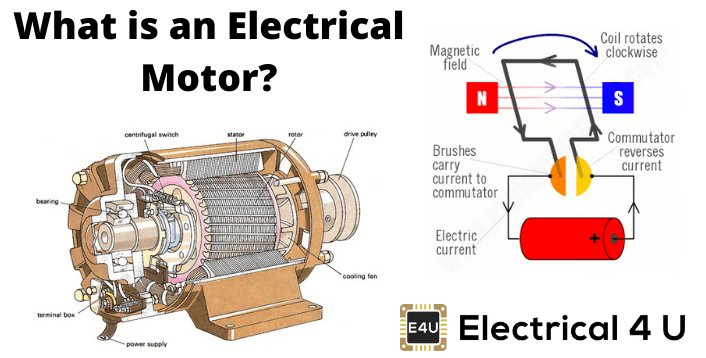
מנוע חשמלי הוא מכשיר חשמלי הממיר אנרגיה חשמלית לאנרגיה מכנית. רוב המנועים החשמליים פועלים על ידי האינטראקציה בין השדה המגנטי של המנוע והזרם החשמלי בסליל חוט. אינטראקציה זו יוצרת כוח (כפי שמופיע בחוק פאראדיי) בצורה של מומנט הסיבוב שנעשית על ציר המנוע.
מנועים חשמליים יכולים להופעל על ידי מקורות זרם ישיר (DC), כגון סוללות או מתקנים. או על ידי מקורות זרם חילוף (AC), כגון היפוך, מגניטות חשמליות, או רשת חשמל.
מנועים הם הסיבה שיש לנו רבות מהטכנולוגיות שאנו נהנים מהן במאה ה-21.
בלי המנוע, היינו עדיין חיים בימי תומס אדיסון, שם היעוד היחיד של חשמל היה להאיר נרות.
מנועים חשמליים נמצאים במכוניות, רכבות, כלים חשמליים, מעריצים, מזגנים, מכשירי בית, דיסקים, ועוד. אפילו שעונים חשמליים מסוימים משתמשים במנועים קטנים.
ישנם סוגים שונים של מנועים שפותחו למטרות שונות.
העקרון הבסיסי התומך בתפקוד של מנוע חשמלי הוא חוק האינדוקציה של פאראדיי.
כלומר, כוח נוצר כאשר זרם חילוף מתנהג עם שדה מגנטי משתנה.
מאז ההמצאה של מנועים, נעשו התקדמות רבה בתחום הנדסת המנועים, והוא הפך לנושא חשוב מאוד עבור מהנדסים מודרניים.
למטה נדון בכל המנועים החשמליים העיקריים המשמשים בעידן הנוכחי.
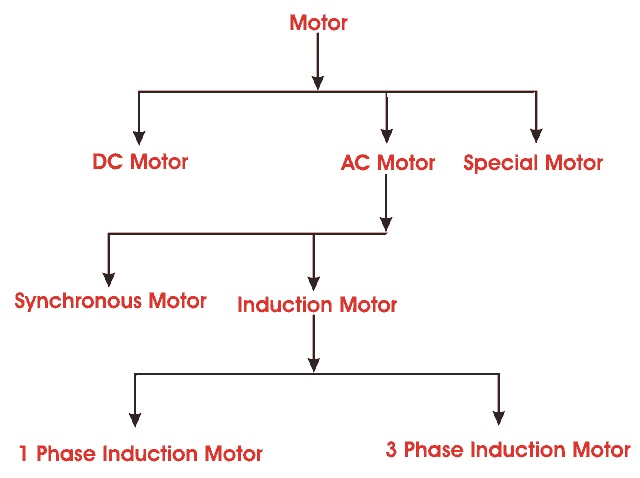
הסוגים השונים של מנועים כוללים:
מנועי DC
מנועים סינכרוניים
מנועי אינדוקציה בשלושה פאזה (סוג של מנוע אינדוקציה)
מנועי אינדוקציה בפאזה אחת (סוג של מנוע אינדוקציה)
מנועים מיוחדים אחרים
המנועים סווגו בתרשים שלהלן:
מבין ארבעת הסיווגים הבסיסיים של מנועים שהוזכרו למעלה, מנוע DC, כפי שמשמע מאליו, הוא היחיד הנוהג על ידי זרם ישיר.
זו היא הגרסה הפרימיטיבית ביותר של מנוע חשמלי שבו מומנט הסיבוב נוצר עקב זרימת הזרם דרך המוליך בתוך שדה מגנטי.
שאר המנועים הם מנועי AC ונוהגים על ידי זרם חילוף, למשל, מנוע סינכרוני, ש绐我继续翻译下面的内容:
The various types of motors include: DC Motors Synchronous Motors 3 Phase Induction Motors (a type of induction motor) Single Phase Induction Motors (a type of induction motor) Other special, hyper-specific motors The motors have been classified in the diagram below: Among the four basic classifications of motors mentioned above, the DC motor, as the name suggests, is the only one that is driven by direct current. It’s the most primitive version of the electric motor where rotating torque is produced due to the flow of current through the conductor inside a magnetic field. The rest are all AC electric motors and are driven by alternating current, for, e.g., the synchronous motor, which always runs at synchronous speed. Here the rotor is an electromagnet that is magnetically locked with a stator rotating magnetic field and rotates with it. These machines’ speed is varied by varying the frequency (f) and the number of poles (P), as Ns = 120 f/P.
In another type of AC motor where rotating magnetic field cuts the rotor conductors, hence circulating current induced in these short-circuited rotor conductors. Due to the magnetic field’s interaction and these circulating currents, the rotor starts to rotate and continues its rotation. This is an induction motor, which is also known as the asynchronous motor, runs at speed less than its synchronous speed, and the rotating torque and speed is governed by varying the slip, which gives the difference between synchronous speed Ns and rotor speed Nr,
Types of Electric Motors