Sa industriyal nga pagprodyukto, emergency rescue, komersyal nga mga gusali, ug uban pang mga scenario, ang silent-canopy diesel generator sets magsilbi isip “core backup” alang sa stable nga power supply. Ang kalidad sa on-site installation direktang nadetermina ang operational efficiency, noise control performance, ug service life sa unit; mao nga kahit og gamay nga oversight mahimong magresulta sa potensyal nga mga fault. Karon, batas sa praktikal nga kasinatian, gioutline nato ang kompleto nga standardized procedures ug critical details alang sa on-site installation sa silent-canopy diesel generator sets aron suportahan ang efficient nga installation ug commissioning.
1.Pre-Installation Preparation: Precise Planning, Solid Foundation
Ang komprehensibong paghandaan sa dili pa ma-install kay importante aron malikayan ang rework sa dili pa matapos. Kinahanglan na ma-implemento niini sa tulo ka aspeto: site, equipment, ug tools.
Site Selection and Layout: Prioritize ang mga lugar nga may maayo nga ventilation, flat nga terrain, ug smooth nga drainage, layo gikan sa residential zones ug precision equipment workshops nga sensitive sa noise. Maintain ang maintenance clearance nga at least 1.5 meters. Ang ground kinahanglan nga makasuporta sa total weight sa unit (kasama ang iyang foundation). Gi-recommend ang pagpour sa concrete foundation (thickness ≥15 cm, flatness tolerance ≤3 mm) ug pre-embed anchor bolt holes aron mapalito ang operational vibration.
Equipment Inspection and Inventory Check: Human sa unpacking, verify nga ang tanang components—kabilin ang main generator set, silent canopy, control cabinet, fuel tank, ug muffler—kompleto. Inspect ang equipment sa transport damage ug confirm nga ang critical components (e.g., engine, generator, radiator) intact. Ensure nga ang unit model, rated power, ug uban pang specifications match sa design requirements, ug check nga ang tanang accompanying technical documents (manual, certificate of conformity, wiring diagrams) kompleto.
Tool and Auxiliary Material Preparation: Prepare ang lifting equipment (forklift, crane—rated for the unit’s weight), spirit level, torque wrench, multimeter, insulation resistance tester, etc. Same prepare ang bolts, washers, sealant, cables, high-temperature-resistant materials for exhaust pipes, ug uban pang auxiliary materials nga compliant sa installation standards.
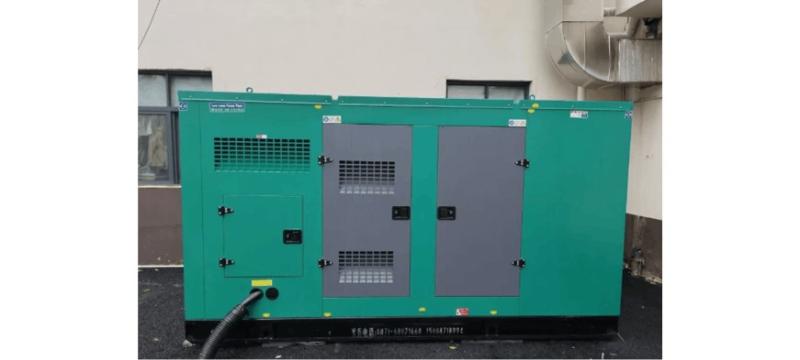
2. Core Installation Process: Standardized Operation, Attention to Detail
2.1 Unit Positioning and Fixing
Gamit ang lifting equipment, carefully place ang unit sa concrete foundation wala tilting o impact, ensuring ang silent canopy door faces ang direction convenient para sa operation ug maintenance.
Use ang spirit level aron check ang unit’s leveling (longitudinal ug transverse deviation ≤0.5 mm/m). Fine-tune using shims aron ensure even weight distribution.
Insert ang anchor bolts ug tighten sila sa torque specified sa manual (typically 35–50 N·m). Keep uniform ang exposed bolt lengths ug use double nuts for anti-loosening aron prevent displacement due to vibration during operation.
2.2 Piping Connections: Sealing + Compatibility, Eliminate Risks
Fuel Line Connection: Use oil-resistant rubber hoses or seamless steel pipes. Route ang piping as straight as possible with minimal bends, avoiding sharp kinks. Wrap thread seal tape or apply sealant at joints, then conduct a pressure test (pressure ≥0.3 MPa, hold for 30 minutes with no leakage). Keep ang distance between ang fuel tank ug unit ≤5 meters, ug position ang tank bottom higher than ang fuel pump aron ensure smooth fuel delivery.
Exhaust System Installation: Install flexible connectors in ang exhaust pipe aron reduce vibration transmission. Seal ang joints with high-temperature gaskets. Route ang exhaust away from flammable materials (minimum distance ≥50 cm). Outdoors, install a rain cap; for indoor discharge, use dedicated silencing ducts aron ensure smooth exhaust flow ug compliant noise levels.
Cooling System Commissioning: Check ang coolant level in ang radiator ug top up with ang same type of antifreeze if low (do not use plain water aron avoid scale buildup). Confirm ang cooling fan rotates freely ug ang airflow path unobstructed. Align ang silent canopy’s air intake ug exhaust vents with ambient ventilation openings aron ensure effective heat dissipation.
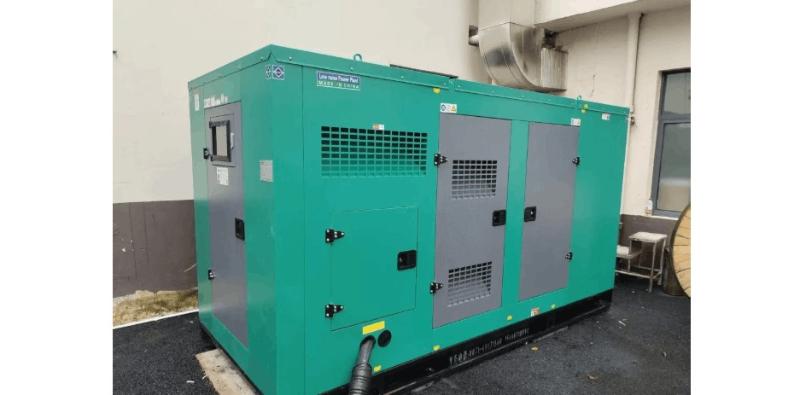
2.3 Electrical Connections: Safety First, Accurate Wiring
Cable Wiring: Connect ang generator set sa control cabinet ug load equipment according sa wiring diagram. Select cable cross-sections matching ang unit’s power rating (copper cable current density ≤2.5 A/mm²). Crimp terminals securely ug insulate with electrical tape. Clearly distinguish phase lines (L1/L2/L3), neutral (N), ug protective earth (PE)—never miswire. Grounding resistance must be ≤4 Ω.
Control Cabinet Commissioning: After connection, check for loose wiring inside ang control cabinet ug verify nga ang fuse ug circuit breaker ratings match specifications. Power on ug test indicator lights ug instrument displays on ang control panel. Confirm voltage ug frequency within standard ranges (380 V ±5%, 50 Hz ±1%).
Protection Device Verification: Test overload protection, short-circuit protection, low oil pressure protection, ug high coolant temperature protection aron ensure accurate trigger thresholds ug reliable operation, preventing equipment damage during abnormal conditions.
2.4 Silent Canopy Commissioning: Optimize Sealing and Noise Reduction
Inspect ang canopy’s sealing performance—ensure door seals intact ug fill any gaps in ang enclosure with sealant aron prevent noise leakage ug water ingress.
Confirm internal cooling fans ug exhaust channels operate normally aron avoid excessive internal temperature during operation (recommended internal temperature ≤60°C).
Pagsukod sa ingon nga bulag: sa 1 metro gikan sa canopy, ang bulag dapat mokompleho sa mga pangutana sa disenyo (kasagaran ≤75 dB(A)). Kon ang bulag adunay labis, pagsusi sa pag-install sa muffler ug inspeksyon sa acoustic insulation alang sa detachment; ayosan ug optimisan kon kinahanglan.
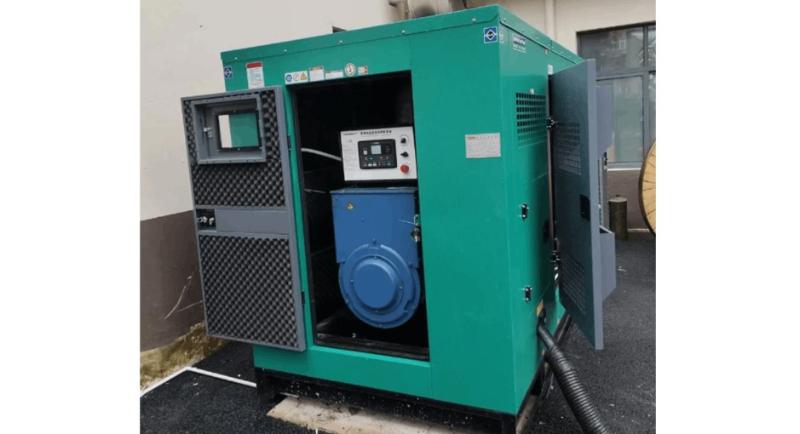
3. Pagtanggap Pasabot sa Pagsulay: Komprehensibong Pagsulay, Siguraduhon ang Pagkumpili
Pag-ensayo sa walay carga: Pagsugdan sa yunit ug i-run niini ngadto sa 30–60 minuto nga walay carga. Obserbahan ang bilis sa engine ug ang output voltage/frequency stability sa generator. Pagsusi alang sa abnormal nga vibration, bulag, oil leaks, water leaks, o air leaks. Gamiton ang infrared thermometer aron mobantayan sa temperatura sa bearings, exhaust pipes, etc., siguraduhon nga ang mga kini adunay gamay pa sa rated limits.
Pagsulay sa carga: Gradwal nga taas sa carga hangtod sa 50%, 80%, ug 100% sa rated capacity, run each level for 15–30 minutes. Monitor output power, current, ug voltage stability, verify proper response of protection devices, ug confirm fuel consumption and exhaust emissions meet standards.
Documentation ug Handover: Pasud sa matagumpay nga pagtanggap, compile installation records, test data, ug equipment manuals into a complete installation dossier. Hand over the equipment to the user, provide training on daily operation procedures, safety precautions, ug basic maintenance to ensure proper future use.
Key Notes: Mitigate Risks, Extend Service Life
Strictly follow the “power-off operation” principle during installation. Confirm the unit is de-energized before electrical connections to prevent electric shock.
Never store miscellaneous items, especially flammable or explosive materials, inside the silent canopy. Maintain clear ventilation.
Avoid frequent start-stop cycles during operation. After initial installation, replace engine oil and oil filter after the first run. Perform regular maintenance per the manual thereafter.
For special site conditions (e.g., high temperature, high humidity, extreme cold), implement targeted protective measures (e.g., sunshade canopy, dehumidifier, thermal insulation).