1. Transformer Major Overhaul Cycle
The main transformer shall undergo a core-lifting inspection before being put into service, and thereafter a core-lifting overhaul shall be performed every 5 to 10 years. Core-lifting overhaul shall also be carried out if a fault occurs during operation or if issues are identified during preventive tests.
Distribution transformers operating continuously under normal load conditions may be overhauled once every 10 years.
For on-load tap-changing transformers, the tap changer mechanism shall be removed for maintenance after reaching the number of operations specified by the manufacturer.
Transformers installed in polluted areas shall have their overhaul intervals determined based on accumulated operational experience, test data, and technical records.
2. Steps and Items for Transformer Major Overhaul
Pre-overhaul preparation: Review and extract known defects from operation records, verify them on-site, and formulate corrective measures. If major defects require special repair techniques, dedicated technical and organizational safety measures must be developed. Prepare a list of required equipment, materials, and tools in advance, and inspect the overhaul site to ensure all necessary items and environmental conditions are ready.
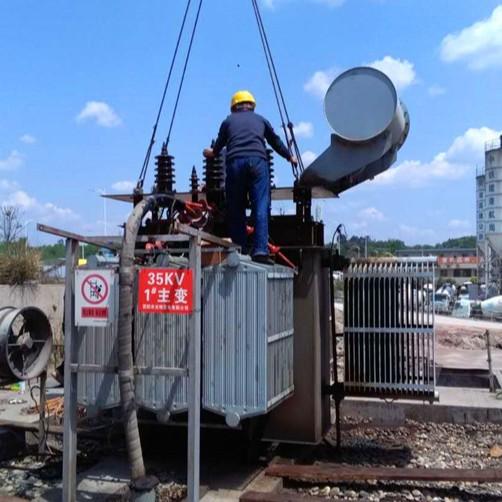
Drain oil, remove the transformer top cover, lift out the core assembly, and inspect windings and core.
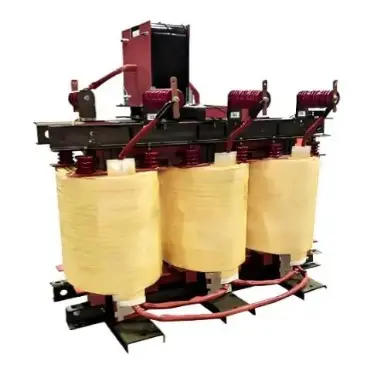
Overhaul the core, windings, tap changer, and lead wires.
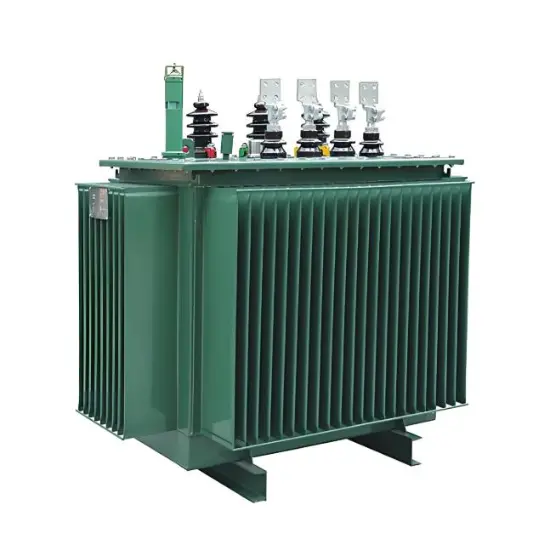
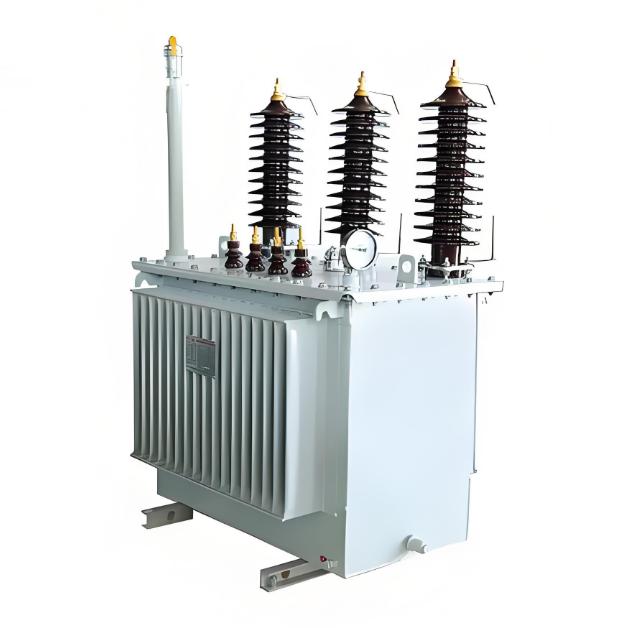
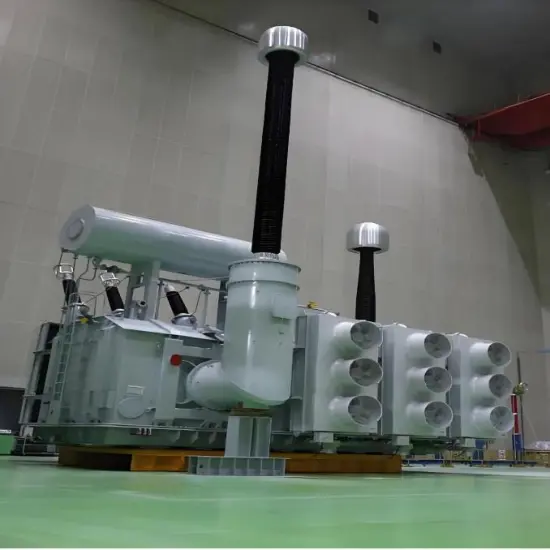
Overhaul the top cover, conservator tank, explosion-proof pipe, radiators, oil valves, breather, and bushings.
Overhaul the cooling system and oil reclamation unit.
Clean the tank shell and repaint if necessary.
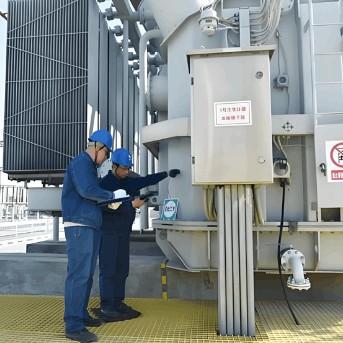
Overhaul control, measuring instruments, signaling, and protective devices.
Filter or replace insulating oil.
Dry the insulation if necessary.
Reassemble the transformer.
Perform measurements and tests according to the prescribed test procedures.
After passing all tests, return the transformer to service.
3. Requirements for Transformer Major Overhaul Items
To prevent moisture ingress into windings due to prolonged exposure of the core assembly to air, core lifting should be avoided on rainy or humid days. The maximum allowable exposure time of the lifted core in air is as follows:
In dry air (relative humidity ≤65%): 16 hours
In humid air (relative humidity ≤75%): 12 hours
Before core lifting, measure ambient temperature and transformer oil temperature. Core lifting may proceed only when the core temperature is approximately 10°C higher than the ambient temperature.
For transformers with long service life (e.g., over 20 years), special attention shall be paid during core lifting to check for winding insulation aging. Typically, this is done by pressing the insulation surface with a finger:
Good insulation is elastic; it deforms temporarily under finger pressure and recovers its shape upon release, with a light-colored surface.
Moderately aged insulation becomes harder and more brittle; finger pressure causes small cracks and the color darkens. In such cases, insulation should be replaced or reinforced as needed.
Severely aged insulation cracks easily under finger pressure and flakes off in carbonized particles, requiring complete insulation replacement.
Insulating spacers between transformer windings shall be secure; windings must show no looseness, deformation, or displacement. High- and low-voltage windings shall be symmetrical and free of oil-adhered contaminants.
Tap changer contacts shall be firm; insulating pressboard and insulating tubing shall be intact and undamaged.
Verify that the contact positions, tightening screws, rotating shafts, and markings on the voltage selector switch align correctly with the labels on the cover.
The core shall not be loose; oil ducts (cooling channels) between the core and windings must remain unobstructed.
The insulation resistance of core-through bolts shall be measured using a 1000 V megohmmeter. The minimum acceptable values are:
≥2 MΩ for 3 kV, 6 kV, and 10 kV transformers
≥5 MΩ for 35 kV transformers
The insulation resistance of the secondary circuit of the Buchholz relay shall meet requirements, wiring shall be correct, and the internal float and mercury contacts shall be intact.
Oil level in oil-filled bushings shall be maintained at the designated mark.