SF6 decomposition products from electrical arc in gas switchgear

Field: Power switch
China
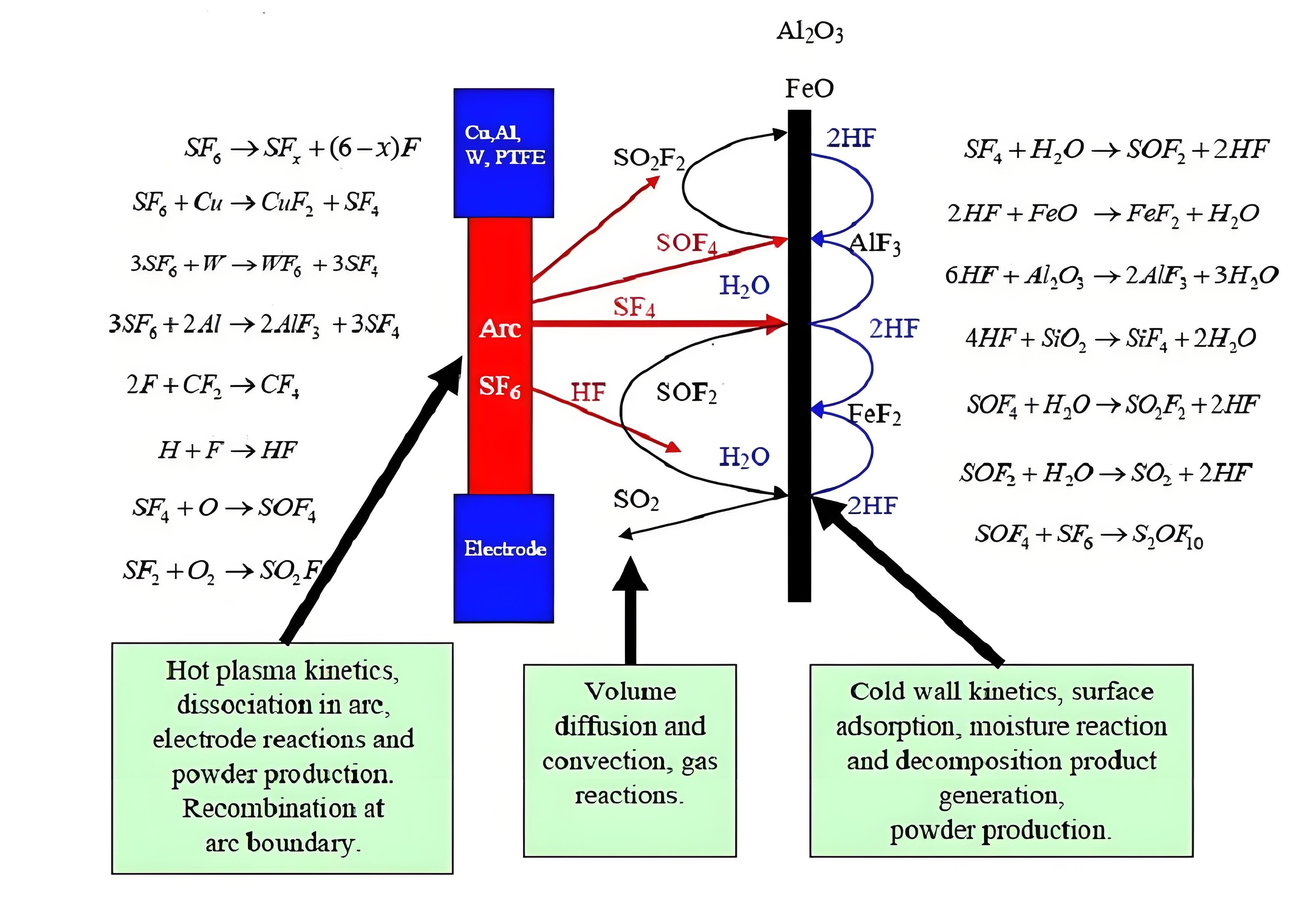
During the switching of normal load or short-circuit current, SF₆ molecules are ionized and fragmented by the arc. The figure illustrates the main reaction processes and the locations where each process is likely to occur. SF₄, as the primary decomposition product resulting from the electric discharge, first reacts with H₂O on the inner wall surface, giving rise to SOF₂. The metal fluorides remain in the form of powder or dust on the surface. H₂O is released in this reaction and thus becomes available for further reactions with SF₄ or for the much slower conversion of SOF₂ to SO₂. In fact, in this process, H₂O is not consumed but rather acts as a catalyst. The factors involved are as follows:
Give a tip and encourage the author!
Recommended
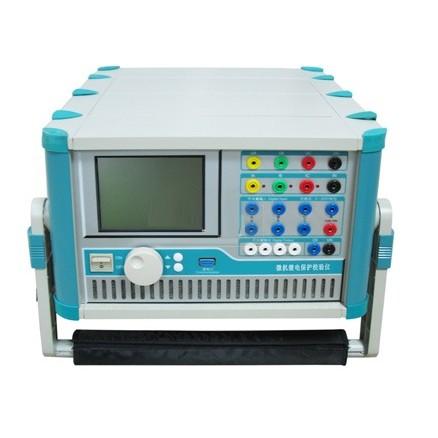
Classification of Equipment Defects for Relay Protection and Safety Automatic Devices in Substations
In daily operations, various equipment defects are inevitably encountered. Whether maintenance personnel, operation and maintenance staff, or specialized management personnel, all must understand the defect classification system and adopt appropriate measures according to different situations.According to Q/GDW 11024-2013 "Operation and Management Guide for Relay Protection and Safety Automatic Devices in Smart Substations," equipment defects are classified into three levels based on severity an
12/15/2025
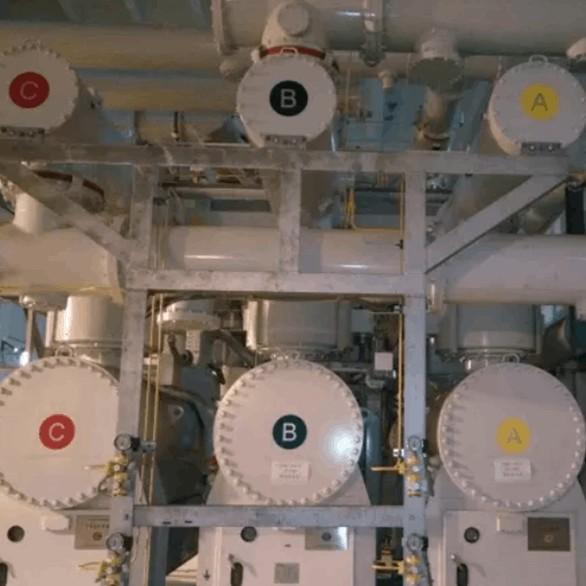
Under What Conditions Will the Line Circuit Breaker Auto-Reclosing Signal Be Locked Out?
The line circuit breaker auto-reclosing signal will be locked out if any of the following conditions occur:(1) Low SF6 gas pressure in circuit breaker chamber at 0.5MPa(2) Insufficient energy storage in circuit breaker operating mechanism or low oil pressure at 30MPa(3) Busbar protection operation(4) Circuit breaker failure protection operation(5) Line distance protection zone II or zone III operation(6) Short lead protection operation of circuit breaker(7) Presence of remote tripping signal(8)
12/15/2025
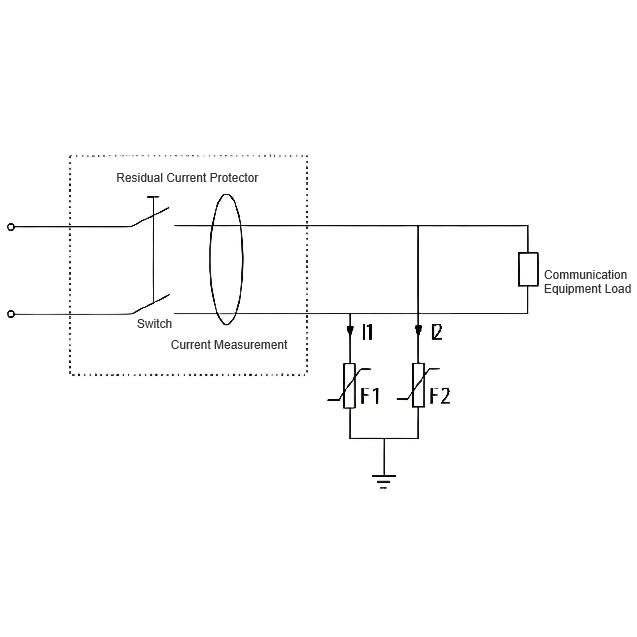
Application of Auto-Reclosing Residual Current Protective Devices in Lightning Protection for Communication Power Supplies
1. Power Interruption Problems Caused by RCD False Tripping During Lightning StrikesA typical communication power supply circuit is shown in Figure 1. A residual current device (RCD) is installed at the power supply input terminal. The RCD primarily provides protection against electrical equipment leakage currents to ensure personal safety, while surge protective devices (SPDs) are installed on power supply branches to protect against lightning intrusions. When lightning strikes occur, the senso
12/15/2025
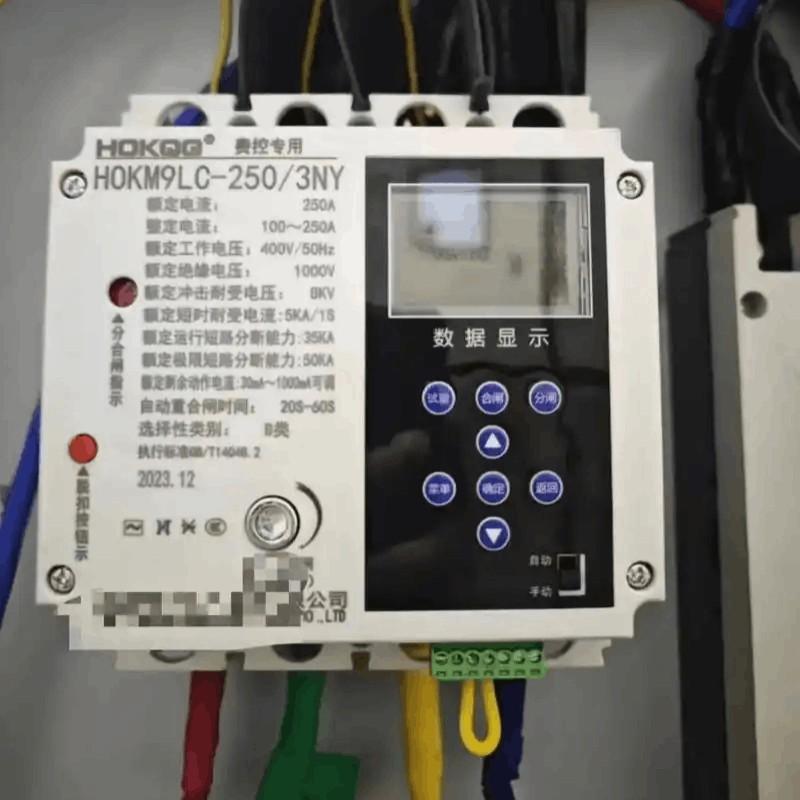
Reclosing Charge Time: Why Does Reclosing Require Charging? What Effects Does Charging Time Have?
1. Function and Significance of Reclosing ChargingReclosing is a protective measure in power systems. After faults such as short circuits or circuit overloads occur, the system isolates the faulty circuit and then restores normal operation through reclosing. The function of reclosing is to ensure continuous operation of the power system, improving its reliability and safety.Before performing reclosing, the circuit breaker must be charged. For high-voltage circuit breakers, the charging time is g
12/15/2025
Related Products