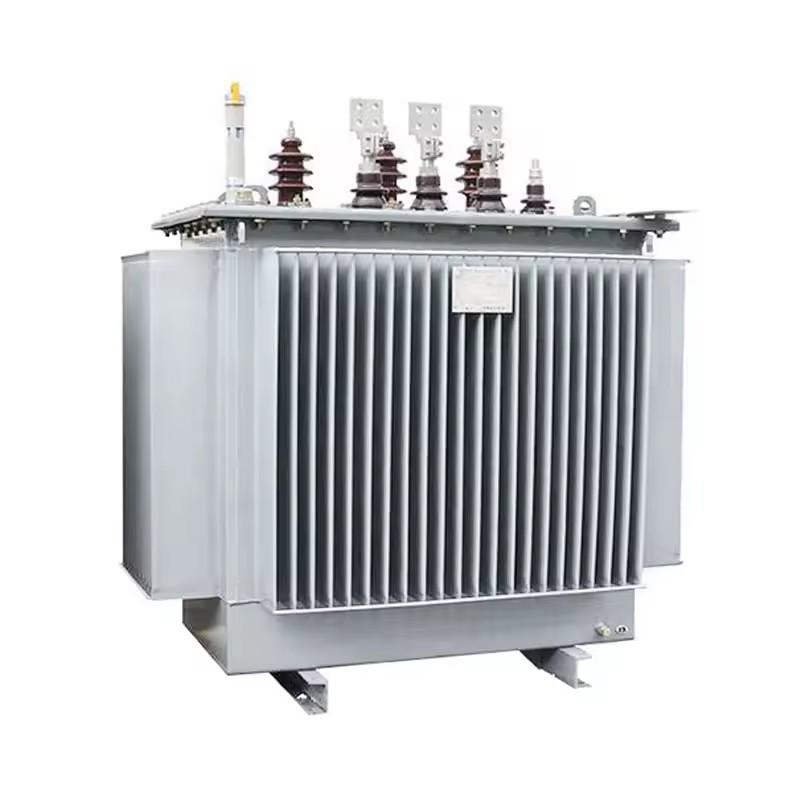
In recent years, the accident rate of H59 distribution transformers has shown an upward trend. This article analyzes the causes of failures in H59 distribution transformers and proposes a series of preventive measures to ensure their normal operation and provide effective assurance for power supply.
H59 distribution transformers play a vital role in power systems. With the continuous expansion of power system scale and the increasing single-unit capacity of transformers, any transformer failure not only causes significant losses to enterprises but also greatly disrupts normal production and daily life for the public. As a manager responsible for high-voltage distribution systems, I have accumulated practical experience in my work. By actively analyzing the causes of accidents involving H59 distribution transformers and identifying corresponding countermeasures, we can effectively guarantee the safe operation of the power system.
1.Common Faults of H59 Distribution Transformers
During energization and operation, distribution transformers commonly exhibit the following faults and abnormal phenomena:
After being re-energized following a shutdown or during trial energization, abnormal voltage is often observed—such as two phases showing high voltage while one phase is low or reads zero; in some newly commissioned transformers, all three-phase voltages are excessively high, causing certain electrical equipment to burn out due to overvoltage.
High-voltage fuses blow, preventing successful energization.
Fuses blow during thunderstorms, resulting in failed energization.
Abnormal transformer sounds, such as “zizi” (buzzing) or “pipa” (crackling); during operation, it may emit frog-like “jiwa jiwa” calls.
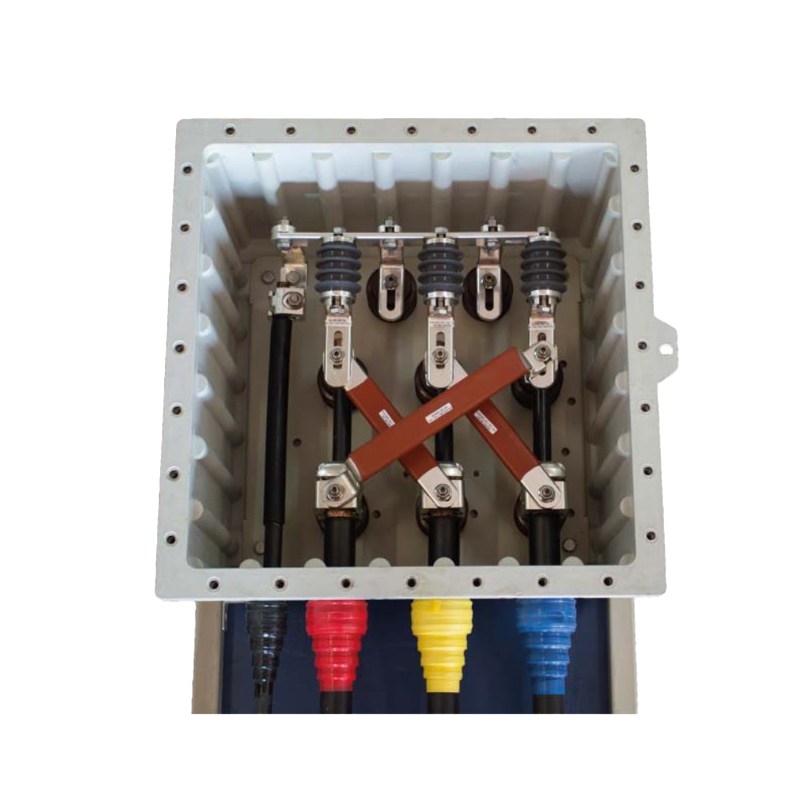
Burned high-voltage terminal posts, severely damaged high-voltage bushings with visible flashover marks.
Under normal cooling conditions, transformer temperature abnormally rises continuously.
Excessive oil discoloration and presence of carbon particles in the oil.
Transformer emits roaring sounds, oil sprays out from the pressure relief device or conservator tank, and the tank or radiator tubes deform, leak, or seep oil.
2. Fault Diagnosis Based on Transformer Sounds
2.1 Sound During Phase Loss
When a phase loss occurs:
If phase B is open, energizing phase B produces no sound; only when phase C is energized does sound appear.
If phase C is open, the sound remains unchanged and identical to the two-phase condition.
Main causes of phase loss include:
Missing one phase in the power supply.
Blown high-voltage fuse in one phase of the transformer.
Broken high-voltage lead due to improper handling during transportation (the conductor is broken but not grounded), especially since high-voltage leads are relatively thin and prone to vibration-induced breakage.
3. Other
3.1 Improper Tap Changer Position or Poor Contact
If the tap changer is not fully engaged during energization, a loud “jiu jiu” sound occurs, potentially blowing the high-voltage fuse. If contact is poor, a faint “zizi” sparking sound is heard. Under increased load, the tap changer contacts may burn out. In such cases, immediate de-energization and repair are required.
3.2 Foreign Objects or Loose Core-Through Bolts
When the through-bolt that clamps the transformer core becomes loose, or if nuts or small metal parts fall into the transformer, a “ding ding dang dang” knocking sound or a “hu… hu…” noise may be heard.
3.3 Dirty or Damaged High-Voltage Bushings on H59 Transformers
When the high-voltage bushings of an H59 transformer become dirty, lose surface glaze, or crack, surface flashover occurs, producing a “si si” or “chi chi” sound. Sparks may be visible at night.
3.4 Broken Core Grounding Connection
If the transformer core grounding wire breaks, a faint “bi bo bi bo” discharge sound is produced.
3.5 Internal Discharge
During energization, a crisp “pi pa pi pa” metallic sound indicates discharge from a conductor through the oil surface to the tank wall. If caused by insufficient insulation clearance, the core must be lifted for inspection, and insulation should be reinforced or additional insulating barriers installed.
3.6 External Line Break or Short Circuit
When a conductor breaks at a connection point or T-junction and intermittently makes contact in windy conditions, arcing or sparking occurs, causing the transformer to emit a frog-like “jiwa jiwa” sound.
When a ground fault or short circuit occurs on the low-voltage line, the transformer emits a “hong hong” (rumbling) sound.
If the short-circuit point is very close, the transformer produces a tiger-like roar.
3.7 Transformer Overload
When the H59 distribution transformer is severely overloaded, it emits a deep, low-pitched “weng weng” hum, similar to a heavily loaded aircraft engine.
3.8 Excessive Voltage
When supply voltage is too high, the transformer becomes over-excited, resulting in louder and sharper operating noise.
3.9 Winding Short Circuit
When interlayer or interturn short circuits occur in the windings and cause burning, the transformer emits a “gu du gu du” sound resembling boiling water.
There are many factors causing abnormal sounds in H59 distribution transformers, and fault locations vary. Only through continuous accumulation of experience can accurate judgments be made. Understanding potential faults during daily operation, strengthening routine inspections and maintenance, implementing regular scheduled maintenance (including minor and major overhauls), and employing scientific diagnostic methods are essential to ensuring the long-term, safe operation of H59 distribution transformers. Only by rationally utilizing electrical equipment, enhancing scientific management of transformers during operation, and strictly adhering to operational procedures can we establish a solid foundation for reliable power supply services.