Analysis of Common Faults and Causes in Routine Inspection of Distribution Transformers

Common Faults and Causes in Routine Inspection of Distribution Transformers
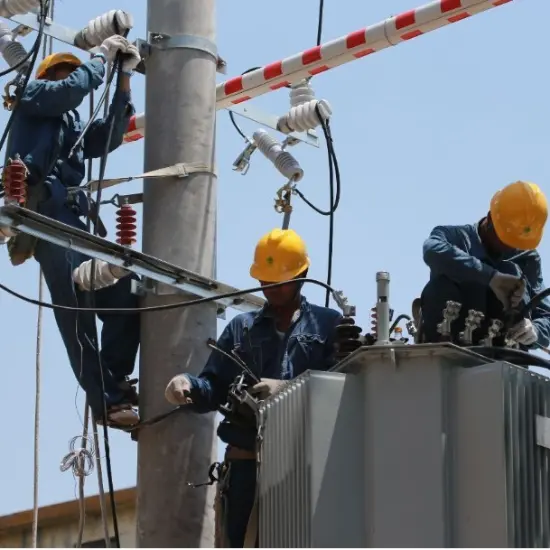
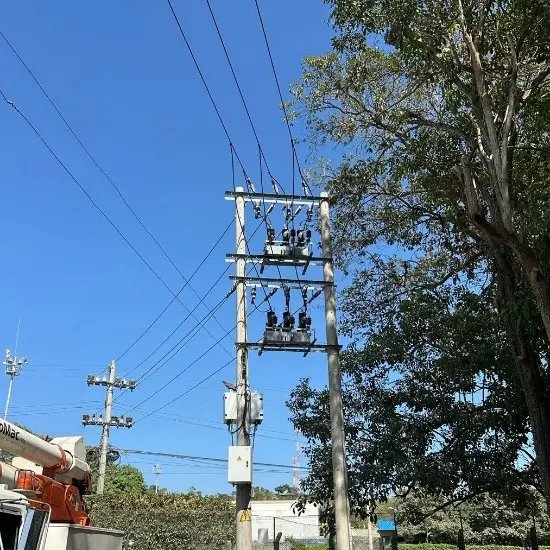
As the terminal component of power transmission and distribution systems, distribution transformers play a critical role in supplying reliable electricity to end users. However, many users have limited knowledge of power equipment, and routine maintenance is often carried out without professional support. If any of the following conditions are observed during transformer operation, immediate action should be taken:
Excessively high temperature or abnormal noise:This may result from prolonged overload operation, high ambient temperature, cooling system failure, or—in the case of oil-immersed transformers—oil leakage leading to insufficient oil level.
Vibration, unusual sounds, or discharge noises:Possible causes include overvoltage, significant frequency fluctuations, loose fasteners, insecure core clamping, poor grounding (causing discharges), or surface contamination on bushings/insulators leading to partial spark discharges.
Abnormal odors:These may stem from overheated and poorly connected terminals on bushings, burnt-out fans or oil pumps emitting a burning smell, or ozone generated by corona discharge or flashover.
Oil level significantly below normal:This could be due to oil leakage from poor tank welds or a malfunctioning oil-level gauge that fails to display the correct level.
Gas present in the gas chamber of the Buchholz relay or relay tripping:This is typically caused by partial discharges, abnormal core conditions, or overheating of conductive components inside the transformer.
Ruptured explosion-proof diaphragm or signs of discharge on the pressure relief device:Usually triggered by Buchholz or differential relay operations, indicating serious internal faults.
Cracks or discharge marks on bushings or porcelain insulators:Likely caused by overvoltage leading to insulation breakdown or mechanical damage from external forces.
Prompt identification and resolution of these issues during routine inspections are essential to ensure safe, stable, and efficient operation of distribution transformers.
Recommended