Kif Tieħu lil Allaġġiġ tal-Intelliġenza Artifiċjali fil-Wilġa ta' Sistemi Magazzinieri

Sistema Logistiku Magazzin Intelligenza bason AGV
Fl-aħħar tal-industrija tal-logistika, l-iskarsità tal-art kif ukoll is-silġ taċ-ċostijiet tal-labor, il-magazzini, li jiservu bħala l-ikbira hubs logistiki, qed jiċċaffjaw sfidi konsiderevoli. Meta n-nifs tad-dinja l-magazzini jiżdiedu, ifrekwenza tal-operazzjonijiet tizdied, l-komplikizzazzjoni tal-informazzjoni tiżdied, u l-ordni għal-picking jiġu aktar pretenzjożi, ir-realiżazzjoni ta' erġiel qasra u rriduzzjoni taċ-ċostijiet tal-labor waqt li jissollevjaw l-effiċjenza tal-storage kompletament huwa l-obiettiv primarju tal-settur tal-magazzini, li qed jiġġibu l-imprijori verżjonijiet automatizzati intelligenza.
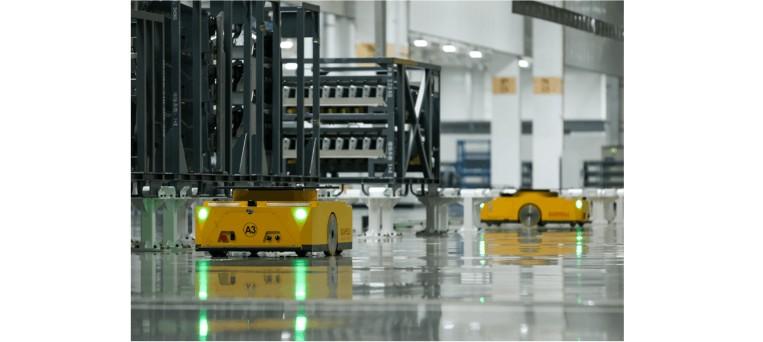
Dan id-dokument issaħħar fuq sistema logistika magazzin intelligenza bason AGV. Is-sistema tagħmel użu minn Vetturi Dirette Automatizzati (AGVs) bħala karrijiet, interfaċċja ma’ sistemi tal-informazzjoni esterni biex tirċievi l-ordni, u tuża algoritmi ta’ pianifikazzjoni intelligenza biex toptimizza l-ittritjar tal-AGV. Dan jagħti l-AGVs l-abbilità biex jaqdmu awtomatikament taswiġiet bħal irċeviment, trasport, storage, u speditur, bl-aħħar ikbarja l-effiċjenza u l-akkuratessa tas-sistema logistika waqt li rridduċi l-kostruttivi operattivi.
1. Analisi Sistemi
Il-qalb tas-sistema tal-magazzin intelligenza hu fil-management u schedulatura. Is-sistema hawn descrivtu adotta struttura stratifikata, kun data fluss progresivament mid-input għal kontenitori storja għal AGVs. Bazed fuq requisiti funzjonali u analisi storja operattivi, is-sistema hija divisa f’muduli importanti: management magazzin, management stazzjon, management vettura, management ordni, u management utenti.
Management Magazzin:Dan il-modulu jgħandu l-modellazzjoni tal-mappa tal-magazzin u l-management tal-informazzjoni. Il-magazzin huwa diviż għal 20 rigi u 12 kolonni għal tre livelli (fuq, barra, taħt). Kull kontenitur għandu ID unika. Il-mappa inkludiv walls, doors, żewġ platforms temporanji, u charging station. L-informazzjoni tal-item hi storja bseduta fuq lokazzjoni tal-kontenitur, kun data linkietha mal-database permezz tal-ID tal-kontenitur.
Stazzjon Management:Lokazzjonijiet key—kif warehouse entrances, aisle entrances, column positions, charging stations, loading/unloading points, u parking spots—humma predefiniti bħal AGV start jew target points.
Path Management:Paths connect stations. AGVs follow pre-planned routes, which can be unidirectional or bidirectional, and linear or curved.
Rack Management:Racks are placed only at designated rack locations. Rack management supports AGV operations for moving racks between loading points, unloading points, and rack locations. Racks have four states: initial, waiting for retrieval, in transit, and returned.
Vehicle Management:Given the simple warehouse setup, only one AGV is used, handling one container per task. AGV states include: standby (idle at entrance with sufficient charge), charging (moving to charger when low on power), and task execution (actively transporting a container).
Charging Management:When battery levels are low, the AGV automatically requests a charge. The system assigns a charging path, locks the charging station, and places the AGV in charging mode, during which no new tasks are assigned until the battery reaches a predefined level.
Exception Management:Potential AGV anomalies include deviating from planned routes, failing to request charging when low on power, or losing control. All exceptions are logged, and if the number of anomalies exceeds a preset threshold, an alert is triggered, indicating the need for maintenance.
Task Management:New tasks are assigned using predefined path-planning algorithms. Upon task initiation, the system assigns an AGV and transmits the full route. Tasks can be viewed, canceled, paused, or modified. Tasks are categorized into three types: outbound, inbound, and relocation.
User Management:This module manages user accounts and permissions. Users are classified into four levels: guest, operator, administrator, and super administrator, each with different access rights.
2. Overview tal-Design Sistemi
2.1 Prinċipji Design
Visibility: User-friendly interface designed for intuitive data access and management.
Real-time Performance: The warehouse map must reflect real-time AGV positions, statuses, and rack information with minimal delay, ensuring reliable communication.
Stability: The system must remain stable under high data loads and during prolonged operation.
Scalability: Modular design allows future expansion and integration of new features.
2.2 Architettura Sistemi
The system comprises three layers:
Execution Layer (AGV Transport): Physical AGV operations.
Service Layer: Acts as a bridge between application and execution layers, including a central management system and access system. It communicates with AGVs, collects status data, and provides APIs for task assignment and control.
Application Layer: The top layer, directly interacting with users via a Unity3D-based interface. Users send requests, and results are displayed after backend processing.
2.3 Design Database
Key data includes:
User data: Basic information and access permissions.
Vehicle data: AGV status, charging/discharging logs, and anomaly records.
Task data: Task details and execution status.
Warehouse data: Layout, racks, stations, charging points, etc., forming the warehouse map.
Key relationships: users create tasks, AGVs execute tasks, AGVs operate within the warehouse, and users manage the warehouse.
2.4 Detailed System Design and Implementation
2.4.1 Implementazzjoni tal-Framework Bażiku
A new Unity3D project is created, importing 3D models to simulate the warehouse environment. Logic is implemented using C#.
Login Utent:
Users must authenticate and obtain role-based permissions before accessing the system.
Implementazzjoni tal-Management Magazzin:
Core functionality includes warehouse modeling, allowing users to view and edit container layouts, vehicle locations, and rack distributions. The system includes path and station lists, with vehicle management covering charging and anomaly handling.
2.4.2 Metodoloġija Design tal-Mappa
Common robotic mapping methods include:
Metric Maps: 2D/3D reconstructions of real space.
Direct Representation: Uses raw sensor data without discretization.
Grid Maps: Divides space into uniform cells, easily convertible to topological graphs.
Topological Maps: Represents key locations as nodes, connected by edges.
Coordinate Systems:
Layout Coordinates: Virtual interface positions in Unity.
Model Coordinates: Real-world (x, y, z) positions. Since layout coordinates are auto-generated, model coordinates must be explicitly defined for realistic simulation.
Tipi ta’ Punti u Operazzjonijiet:
Punti rappresentativi posizioni AGV (default: 0,0,0). Tipi includono: normal, loading/unloading, entry/exit, rack, u charging points. Punti normali non possono ospitare racks o permettere soste AGV a lungo termine.
3. Konkluzzjoni
Meta teknoloġiji smart logistics u IoT jprogreġġu rapidament, il-magazzini qed jiġu transformati minn "meccanizzazione manwali" għal operazzjonijiet awtomatizzati "goods-to-person". L-operatori jistgħu ora monitora l-inventarju fit-tul, ikbira l-akkuratessa tal-scannatura, l-storage dinamiku, u l-effiċjenza operattiva, waqt li jirridduċu l-ħsara u l-costijiet tal-labor.
Ivveru, meta sistemijiet intelligenza jiżdiedu u fleets tal-AGV jiżdiedu, sfidi persistenti fi allokażjoni tas-silġ u control fleet. Dan id-dokument ippreżenta sistema prattika tal-schedulatura magazzin intelligenza bason AGV, bil-shift mill-tracking tradizzjonali tal-inventarju għal kontrol operattiv real-time. Bi l-użu ta' teknoloġiji awtomatizzati kemm huwa possibli, is-sistema tigħti l-autonomija għal operazzjonijiet inbound u outbound, bil-push tal-transformazzjoni minn awtomatizzazzjoni għal logistika intelligenza.