Paunsa ang usa ka sistema sa gudang nga may basehan sa AGV

Sistema nga Intelligente sa Warehouse Logistics Batasan sa AGV
Human sa matangis na pag-abot sa industriya sa logistics, nagdako ang kahigayonan sa yuta, ug tumaas ang gasto sa trabaho, ang mga warehouse—nga nagserbiha isip key logistics hubs—nagpakita og significant challenges. Tungod kay ang mga warehouse naging mas dako, ang frequency sa operasyon nataas, ang komplikado sa impormasyon nataas, ug ang order-picking tasks naging mas mahirap, ang pag-achieve og low error rates ug reduced labor costs samtang pinauli ang overall storage efficiency naging primary goal sa sector sa warehousing, nakapuyo ang mga enterprise sa direksyon sa intelligent automation.
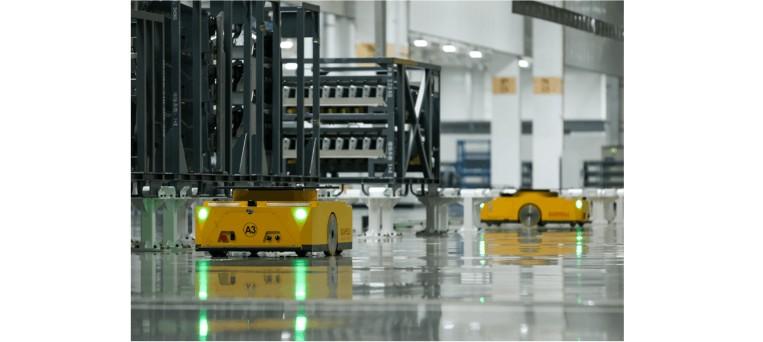
Ang paper niini gi-focus sa AGV-based intelligent warehouse logistics system. Ang sistema gamit ang Automated Guided Vehicles (AGVs) isip carriers, interface sa external information systems aron modawat og orders, ug gitumong ang intelligent planning algorithms aron i-optimize ang routing sa AGV. Kini makapahimo sa AGVs nga molihok nga walay human intervention sa mga task sama sa pagtanggap, pagtransport, pag-store, ug pag-dispatch sa mga butang, tungod niini nakapuno ang efficiency ug accuracy sa logistics system samtang gitabangan ang operational costs.
1. Analisis sa Sistema
Ang core sa intelligent warehouse system nahimutang sa management ug scheduling. Ang sistema nga gitumong dinhi nagpadala og data ngadto sa storage containers ngadto sa AGVs batasan sa layered architecture. Batasan sa functional requirements ug storage operations analysis, ang sistema gihatag og key modules: warehouse management, station management, vehicle management, order management, ug user management.
Warehouse Management:Kini nga module naghandle sa warehouse map modeling ug information management. Ang warehouse gihatag og 20 rows ug 12 columns sa tulo ka levels (upper, middle, lower). Bawat container adunay unique ID. Ang mapa naglakip og walls, doors, duha ka temporary platforms, ug usa ka charging station. Ang item information giguba batasan sa location sa container, ang data gilink sa database pinaagi sa ID sa container.
Station Management:Ang key locations sama sa entrances sa warehouse, aisle entrances, column positions, charging stations, loading/unloading points, ug parking spots pre-defined isip AGV start o target points.
Path Management:Ang paths nagconnect sa mga station. Ang AGVs mofollow sa pre-planned routes, nga mahimong unidirectional o bidirectional, ug linear o curved.
Rack Management:Ang racks gihatag lang sa designated rack locations. Ang rack management suporta sa AGV operations para mobalhin ang racks gikan sa loading points, unloading points, ug rack locations. Ang racks adunay apat ka estado: initial, waiting for retrieval, in transit, ug returned.
Vehicle Management:Tungod sa simple nga setup sa warehouse, gamiton lamang ang usa ka AGV, handling usa ka container per task. Ang states sa AGV nagsama sa: standby (idle sa entrance uban sa sufficient charge), charging (mobalhin sa charger kon low ang power), ug task execution (actively transporting a container).
Charging Management:Kon low ang battery levels, ang AGV automatiko mogamit og request sa charge. Ang sistema magassign og charging path, ilock ang charging station, ug ibutang ang AGV sa charging mode, diin wala magassign og bag-ong tasks hangtod maabot ang battery sa predefined level.
Exception Management:Ang potential anomalies sa AGV nagsama sa pag-deviate gikan sa planned routes, failure sa pag-request og charging kon low ang power, o losing control. Tanang exceptions girecord, ug kon ang numero sa anomalies mas taas sa preset threshold, magtrigger og alert, indicating ang kinahanglan sa maintenance.
Task Management:Ang bag-ong tasks giasign batasan sa predefined path-planning algorithms. Kon simula ang task, ang sistema magassign og AGV ug itransmit ang full route. Ang tasks mahimo mosulay, cancel, pause, o modify. Ang tasks gihatag og tulo ka types: outbound, inbound, ug relocation.
User Management:Kini nga module nagmanage sa user accounts ug permissions. Ang users gihatag og apat ka levels: guest, operator, administrator, ug super administrator, bawat usa adunay lain-laing access rights.
2. Overview sa Design sa Sistema
2.1 Design Principles
Visibility: User-friendly interface gidesinyo para intuitive data access ug management.
Real-time Performance: Ang warehouse map kinahimo nga magreflect sa real-time AGV positions, statuses, ug rack information ngadto sa minimum delay, ensuring reliable communication.
Stability: Ang sistema kinahimo nga stable human sa high data loads ug during prolonged operation.
Scalability: Modular design allows future expansion ug integration sa new features.
2.2 System Architecture
Ang sistema naglakip og tulo ka layers:
Execution Layer (AGV Transport): Physical AGV operations.
Service Layer: Nagserve isip bridge tali sa application ug execution layers, including central management system ug access system. Igi-communicate sa AGVs, collect status data, ug provide APIs para sa task assignment ug control.
Application Layer: Ang top layer, directly interacting sa users pinaagi sa Unity3D-based interface. Ang users mogamit og requests, ug ang results displayed human natapos ang backend processing.
2.3 Database Design
Key data nagsama sa:
User data: Basic information ug access permissions.
Vehicle data: AGV status, charging/discharging logs, ug anomaly records.
Task data: Task details ug execution status.
Warehouse data: Layout, racks, stations, charging points, etc., forming the warehouse map.
Key relationships: users create tasks, AGVs execute tasks, AGVs operate within the warehouse, ug users manage the warehouse.
2.4 Detailed System Design ug Implementation
2.4.1 Basic Framework Implementation
Gicreate ang usa ka bag-ong Unity3D project, importing 3D models para simulahan ang environment sa warehouse. Ang logic implementado pinaagi sa C#.
User Login:
Kinahanglan ang mga users mo-authenticate ug obtain role-based permissions before accessing the system.
Warehouse Management Implementation:
Core functionality nagsama sa warehouse modeling, allowing users to view and edit container layouts, vehicle locations, ug rack distributions. Ang sistema naglakip og path ug station lists, with vehicle management covering charging ug anomaly handling.
2.4.2 Map Design Methodology
Common robotic mapping methods nagsama sa:
Metric Maps: 2D/3D reconstructions sa real space.
Direct Representation: Gigamit ang raw sensor data without discretization.
Grid Maps: Nagdivide sa space sa uniform cells, easily convertible sa topological graphs.
Topological Maps: Nagrepresent sa key locations isip nodes, connected by edges.
Coordinate Systems:
Layout Coordinates: Virtual interface positions sa Unity.
Model Coordinates: Real-world (x, y, z) positions. Tungod kay ang layout coordinates auto-generated, ang model coordinates kinahanglan explicitly defined para realistic simulation.
Point Types ug Operations:
Ang points represent sa AGV positions (default: 0,0,0). Ang types nagsama sa: normal, loading/unloading, entry/exit, rack, ug charging points. Ang normal points dili mahimo mopahimulos sa racks o allow long-term AGV stops.
3. Conclusion
Tungod sa rapid advancement sa smart logistics ug IoT technologies, ang mga warehouses naghimo gikan sa "manual mechanization" ngadto sa "goods-to-person" automated operations. Ang operators karon mahimo monitor ang inventory sa real time, improving scanning accuracy, dynamic storage, ug operational efficiency samtang gitabangan ang waste ug labor costs.
Pero, tungod sa intelligent systems nagscale up ug ang AGV fleets nataas, ang challenges sa task allocation ug fleet control persist. Ang paper niini gipresentar og practical AGV-based intelligent warehouse scheduling system, shifting ang warehouse management gikan sa traditional inventory tracking ngadto sa real-time operational control. Pinaagi sa fully automated technologies, ang sistema makapahimo sa autonomous inbound ug outbound operations, driving the transformation gikan sa automation ngadto sa intelligent logistics.