Ինչպես կառուցել AGV-հիմնավորված բանակալ պահhouse system

AGV-հիմնական ինտելեկտուալ սպառնալայն լոգիստիկական համակարգ
Լոգիստիկայի արագ զարգացման, գետնադարձ տարածքի թվականը և աշխատանքային արժեքների աճի հետևանքով, սպառնալները, որոնք են կարևոր լոգիստական կենտրոններ, առաջ են դիմել բարձր մակարդակի մարտահրավերների: Որքան սպառնալները դառնում են ավելի մեծ, գործողությունների հաճախականությունը ավելանում է, տեղեկատվության բարդությունը աճում է և պատվերների ընտրության աշխատանքը դառնում է ավելի դժվար, սպառնալների գործակիցները ուղղվում են դեպի ինտելեկտուալ ավտոմատացում, որպեսզի ստանան ցածր սխալների հարաբերություն, կրճատեն աշխատանքային արժեքները և բարձրացնեն սպառնալների արդյունավետությունը:
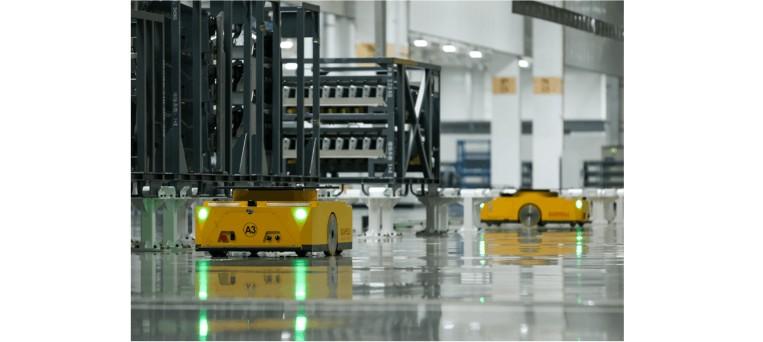
Այս հոդվածը կենտրոնացած է AGV-հիմնական ինտելեկտուալ սպառնալային լոգիստիկական համակարգում: Համակարգը օգտագործում է ավտոմատ նավակարի վերադիր միջոցներ (AGV) որպես փոխադրիչներ, միացում է արտաքին տեղեկատվության համակարգերի հետ պատվերներ ստանալու համար և օգտագործում է ինտելեկտուալ պլանավորման ալգորիթմներ որպեսզի օպտիմալացնի AGV-ների ուղիները: Սա lehetővé teszi, hogy az AGV-k önállóan hajtsák végre a termékek fogadását, szállítását, tárolását és elosztását, ezzel növelve a logisztikai rendszer hatékonyságát és pontosságát, miközben csökkentik a működési költségeket.
1. Համակարգի անալիզ
Ինտելեկտուալ սպառնալային համակարգի հիմքը կայանում է ẢNản lý và lên lịch. Hệ thống được mô tả ở đây sử dụng kiến trúc phân tầng, với dữ liệu chảy tuần tự từ đầu vào đến thùng chứa và sau đó đến AGV. Dựa trên yêu cầu chức năng và phân tích hoạt động lưu trữ, hệ thống được chia thành các mô-đun chính: quản lý kho, quản lý trạm, quản lý xe, quản lý đơn hàng và quản lý người dùng.
Warehouse Management: Մոդուլը կապված է սպառնալի քարտեզի մոդելավորման և տեղեկատվության կառավարման հետ: Սպառնալը բաժանված է 20 շարքի և 12 սյունի վրա երեք մակարդակների (վերևի, միջին, ներքևի): Յուրաքանչյուր կանիստր ունի միակ ID: Քարտեզը ներառում է պատեր, դուռներ, երկու geçici platform ve bir şarj istasyonu. Ürün bilgileri konteyner konumuna göre saklanır ve veritabanına konteynerin kimliği yoluyla bağlanır.
Station Management: Ana noktalar - depo girişleri, koridor girişleri, sütun pozisyonları, şarj istasyonları, yük/boşaltma noktaları ve park alanları - önceden belirlenmiş AGV başlangıç veya hedef noktaları olarak tanımlanır.
Path Management: Yollar, istasyonları birbirine bağlar. AGV'ler önceden planlanmış rotalara uymakta olup, bu rotalar tek yönlü veya çift yönlü, doğrusal veya eğri olabilir.
Rack Management: Racks sadece belirli rack konumlarına yerleştirilir. Rack yönetimi, AGV'lerin yük alma noktalarından, boşaltma noktalarından ve rack konumlarından rack'leri taşımasını destekler. Racks dört duruma sahiptir: ilk, alım için bekleniyor, nakliyede ve iade edildi.
Vehicle Management: Basit ambar düzeni nedeniyle, yalnızca bir AGV kullanılır ve her görevde bir konteyner işlenir. AGV durumları şunları içerir: bekleme (girişte yeterli şarj ile boşta), şarj (enerji düşük olduğunda şarj cihazına gitmek) ve görev yürütme (aktif olarak bir konteyner taşıma).
Charging Management: Pil seviyesi düşük olduğunda, AGV otomatik olarak şarj talep eder. Sistem bir şarj yolu atar, şarj istasyonunu kilitler ve AGV'yi şarj moduna getirir. Bu süre zarfında, pil belirli bir seviyeye ulaşana kadar yeni görevler atanmaz.
Exception Management: Olası AGV anormallikleri arasında planlanmış rotadan sapma, düşük enerji olduğu zaman şarj talep etmemek veya kontrolü kaybetmek sayılabilir. Tüm anormallikler kaydedilir ve eğer anormallik sayısı önceden belirlenen bir eşiği aşarsa, bir uyarı tetiklenir, bu da bakım gerektirdiğini gösterir.
Task Management: Yeni görevler önceden belirlenmiş rota planlama algoritmalarını kullanarak atanır. Görev başlatıldığında, sistem bir AGV atar ve tam rotayı aktarır. Görevler görüntülenebilir, iptal edilebilir, duraklatılabilir veya değiştirilebilir. Görevler üç türe ayrılır: dışarıdan gelen, içeriye giden ve yeniden yerleştirme.
User Management: Bu modül kullanıcı hesaplarını ve izinleri yönetir. Kullanıcılar dört kategoriye ayrılır: ziyaretçi, operatör, yönetici ve süper yönetici, her biri farklı erişim haklarına sahiptir.
2. System Design Overview
2.1 Design Principles
Visibility: User-friendly interface designed for intuitive data access and management.
Real-time Performance: The warehouse map must reflect real-time AGV positions, statuses, and rack information with minimal delay, ensuring reliable communication.
Stability: The system must remain stable under high data loads and during prolonged operation.
Scalability: Modular design allows future expansion and integration of new features.
2.2 System Architecture
The system comprises three layers:
Execution Layer (AGV Transport): Physical AGV operations.
Service Layer: Acts as a bridge between application and execution layers, including a central management system and access system. It communicates with AGVs, collects status data, and provides APIs for task assignment and control.
Application Layer: The top layer, directly interacting with users via a Unity3D-based interface. Users send requests, and results are displayed after backend processing.
2.3 Database Design
Key data includes:
User data: Basic information and access permissions.
Vehicle data: AGV status, charging/discharging logs, and anomaly records.
Task data: Task details and execution status.
Warehouse data: Layout, racks, stations, charging points, etc., forming the warehouse map.
Key relationships: users create tasks, AGVs execute tasks, AGVs operate within the warehouse, and users manage the warehouse.
2.4 Detailed System Design and Implementation
2.4.1 Basic Framework Implementation
A new Unity3D project is created, importing 3D models to simulate the warehouse environment. Logic is implemented using C#.
User Login:
Users must authenticate and obtain role-based permissions before accessing the system.
Warehouse Management Implementation:
Core functionality includes warehouse modeling, allowing users to view and edit container layouts, vehicle locations, and rack distributions. The system includes path and station lists, with vehicle management covering charging and anomaly handling.
2.4.2 Map Design Methodology
Common robotic mapping methods include:
Metric Maps: 2D/3D reconstructions of real space.
Direct Representation: Uses raw sensor data without discretization.
Grid Maps: Divides space into uniform cells, easily convertible to topological graphs.
Topological Maps: Represents key locations as nodes, connected by edges.
Coordinate Systems:
Layout Coordinates: Virtual interface positions in Unity.
Model Coordinates: Real-world (x, y, z) positions. Since layout coordinates are auto-generated, model coordinates must be explicitly defined for realistic simulation.
Point Types and Operations:
Points represent AGV positions (default: 0,0,0). Types include: normal, loading/unloading, entry/exit, rack, and charging points. Normal points cannot hold racks or allow long-term AGV stops.
3. Conclusion
With the rapid advancement of smart logistics and IoT technologies, warehouses are transitioning from "manual mechanization" to "goods-to-person" automated operations. Operators can now monitor inventory in real time, improving scanning accuracy, dynamic storage, and operational efficiency while reducing waste and labor costs.
However, as intelligent systems scale up and AGV fleets grow, challenges in task allocation and fleet control persist. This paper presents a practical AGV-based intelligent warehouse scheduling system, shifting warehouse management from traditional inventory tracking to real-time operational control. By leveraging fully automated technologies, the system enables autonomous inbound and outbound operations, driving the transformation from automation to intelligent logistics.