Pamantayan sa Kalidad at Pagsusulit ng Electrical Cable

I. Background ng Problema
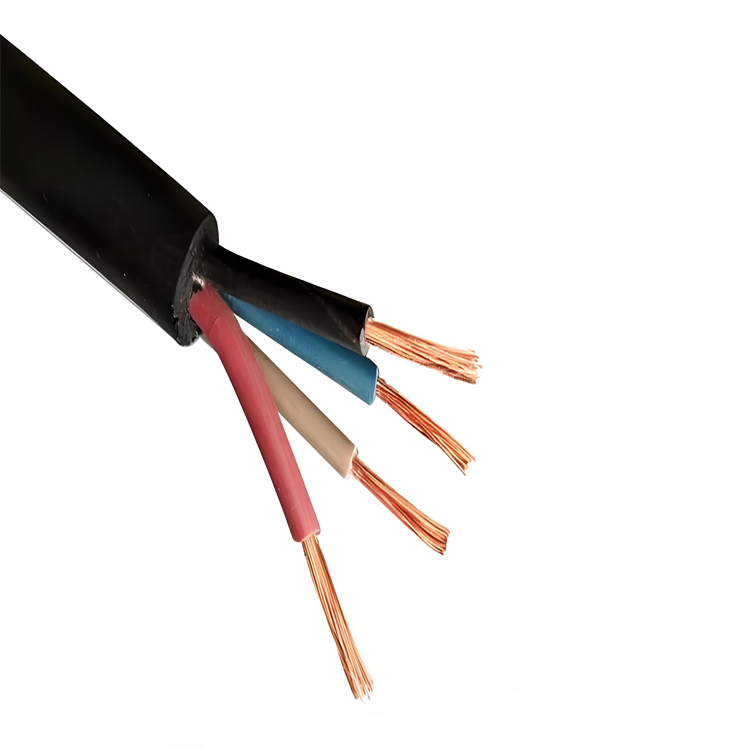
Ang mga kable ng elektrisidad ay ang pangunahing medium ng paghahatid ng sistema ng kapangyarihan. Ang kalidad ng kanilang pagganap ay direktang nagpapasya sa kabuuang estabilidad ng suplay ng kapangyarihan, seguridad ng operasyon, haba ng buhay ng mga aparato, at kakayahan na maiwasan ang mga aksidente tulad ng sunog. Ang mga hindi sumusunod na kable ay nagdudulot ng serye ng malubhang problema, kabilang ang pagtaas ng resistansiya, labis na paggawa ng init, pagkasira ng insulasyon, mataas na panganib ng sunog, at paglala ng signal interference. Kaya, mahalagang itayo ang isang siyentipiko, masigasig, at komprehensibong sistema ng kontrol ng kalidad at pagsusuri na nakakatakas mula sa raw materials hanggang sa tapos na produkto.
II. Layunin ng Pagsasanay
- Pagtitiyak ng Pinagmulan: Siguruhing ang lahat ng raw materials na ginagamit sa produksyon ng kable ay sumusunod sa pinakamataas na pambansang at industriyang pamantayan (hal. GB/T 3956, GB/T 12706, GB/T 19666, etc.).
- Kontrol sa Proseso: Epektibong panoorin ang mga pangunahing parameter ng proseso at kalidad ng mga intermediate stages sa panahon ng produksyon.
- Pagkakatiwala sa Produkto: Siguruhing ang lahat ng pangunahing key performance indicators ng tapos na kable - kasama ang electrical, physical & mechanical, at fire performance - ay sumusunod o lumalampas sa mga design at contract requirements.
- Paghahandle ng Panganib: Matukoy ang potensyal na defect sa pamamagitan ng sistemang pagsusuri upang maiwasan ang pagpasok ng hindi sumusunod na produkto sa merkado at bawasan ang mga panganib sa paggamit.
- Traceability: Itayo ang isang kompleto na sistema ng record ng quality testing upang makamit ang traceability ng mga batch ng pangunahing materyales at resulta ng pagsusuri ng produkto.
III. Pangunahing Solusyon: Kontrol at Pagsusuri ng Kalidad ng Kable ng Elektrisidad
(A) Kontrol at Pagsusuri ng Kalidad ng Raw Materials (Source Control)
- 1. Pagkakapantay-pantay at Pagtatasa ng Supplier:
- Piliin ang mga qualified suppliers na may maayos na Quality Management System (hal. ISO 9001 certification), stable supply capability, at magandang reputasyon sa industriya.
- Gumawa ng regular na unannounced sampling inspections o third-party verification ng mga materyales ng supplier.
- 2. Pagsusuri ng Pangunahing Raw Materials:
- Conductor Material (Copper/Aluminum Rod/Wire):
- Mga Item ng Pagsusuri: Analisis ng chemical composition (copper content, impurity elements), mechanical properties (tensile strength, elongation, repeated bending), resistivity measurement (sa 20°C).
- Standard Reference: GB/T 3953 (Round Copper Wire for Electrical Purposes), GB/T 3954 (Aluminum Rods for Electrical Purposes), GB/T 3956 (Conductors of Insulated Cables), etc.
- Mga Paraan ng Pagsusuri: Chemical analyzers (hal. spectrometer), tensile testing machine, Wheatstone bridge, o precision resistance meter.
- Insulation and Sheath Materials (PVC, XLPE, PE, LSZH, etc.):
- Mga Item ng Pagsusuri:
- Physical Properties: Appearance, density, thickness uniformity, tensile strength & elongation at break, performance comparison before/after aging.
- Electrical Properties: Volume/surface resistivity.
- Thermal Properties: Heat deformation, hot set test (for XLPE), low-temperature impact/bend test.
- Fire Performance (for LSZH/Flame Retardant Materials): Oxygen index, smoke density, acid gas content, halogen content (for halogen-free requirement).
- Standard Reference: GB/T 8815 (Unplasticized Polyvinyl Chloride Compounds), GB/T 15065 (Crosslinked Polyethylene Insulation Compounds), GB/T 18380 (Tests on Electric Cables Under Fire Conditions - Single Flame Test), GB/T 17651 (Measurement of Smoke Density), GB/T 17650 (Halogen-free, Low-smoke Materials and Products), at iba pang applicable standards.
- Mga Paraan ng Pagsusuri: Universal material testing machine, aging oven, resistivity tester, hot set test device, oxygen index analyzer, smoke density chamber, chemical analyzers.
- Shielding Material (Copper Tape/Wire): Thickness, resistance, coverage rate.
- Filling/Bedding Materials: Water resistance (if applicable), mechanical strength, compatibility.
- 3. Mga Requirement sa Pagsusuri:
- Ang lahat ng dumating na raw materials ay dapat kasama ang Certificate of Analysis (COA)/Certificate of Conformity (COC) ng supplier.
- Gawin ang batch sampling inspection upon receipt batay sa defined sampling plans (hal. GB/T 2828.1). Ang sampling frequency ay maaaring tumaas o full batch inspection para sa critical materials (hal. conductor, main insulation material).
- Ang mga raw materials na nabigo sa pagsusuri ay estrictong ipagbabawal na gamitin sa produksyon.
(B) Kontrol sa Kalidad ng Proseso ng Produksyon (Process Monitoring)
- 1. Panoorin ang Pangunahing Parameter ng Proseso:
- Conductor Stranding: Lay ratio, outer diameter, compaction (conductor).
- Extrusion Process: Temperature settings and control per zone, extrusion pressure, line speed, cooling process (significantly impacts crystallinity).
- Cross-linking Process (for XLPE): Irradiation dose/vulcanization temperature & time (critical for degree of cross-linking), cooling conditions.
- Shielding Process: Coverage rate, overlap quality.
- Cabling: Lay length, core stability.
- Sheath Extrusion: Thickness uniformity, surface quality, printing legibility.
- 2. Sampling ng Proseso:
- Itayo ang online o offline inspection points sa mga critical stages (hal. after extrusion, cross-linking, cabling, sheathing).
- Common Sampling Items: Insulation/sheath thickness and eccentricity, outer diameter, structural dimensions, appearance (surface defects), spark test / withstand voltage test (online/offline), partial physical property sampling (e.g., tensile).
(C) Kontrol at Pagsusuri ng Kalidad ng Tapos na Kable (Final Verification)
- 1. Type Testing (for new products or first batch of important contracts): Gawin ang lahat ng mga pagsusuri na naka-specify sa relevant standards (hal. GB/T 12706.1/2) upang komprehensibong i-verify ang design conformity.
- 2. Routine Tests (Per Batch / Per Drum / Per Reel):
- Core Items:
- Conductor DC Resistance Test: Sukatin ang resistance ng bawat conductor upang i-verify ang compliance sa nominal cross-section requirements (GB/T 3956). Ito ang pundamental para sa ampacity at heating calculations.
- Partial Discharge Test (Essential for MV/HV cables): Matukoy ang minutong defect sa loob ng insulation na maaaring mag-udyok ng long-term failure (GB/T 3048.8, GB/T 12706). Napakaimportante!
- Voltage Test (Withstand Voltage Test):
- Power Frequency AC Withstand Voltage: Ang pinakakaraniwan. Ilapat ang multiple rated voltage (hal. 2.5U₀) para sa ispesipikong duration (hal. 5 min). Ang insulation ay hindi dapat bumigay.
- DC Withstand Voltage (Specific applications): Ginagamit para sa tiyak na uri ng kable o bilang supplement sa AC tests.
- Insulation Resistance Measurement: Sukatin ang resistance sa pagitan ng conductor at shield/metallic sheath/earth, na nirepresenta ang basic insulating properties ng insulation material (GB/T 3048.5/6).
- 3. Sample Tests (Batch Sampling or Periodic Tests):
- Electrical Performance:
- Capacitance measurement (if applicable).
- Dielectric loss tangent (tan δ) measurement (especially for HV cables).
- Structural Dimensions and Physical Properties:
- Insulation and sheath thickness measurement: Ensure compliance with minimum design requirements.
- Outer diameter measurement: Control tolerances.
- Physical & Mechanical Performance Tests:
- Tensile Strength and Elongation at Break (insulation/sheath) before/after aging: Key indicators, reflecting material's anti-aging capability and toughness (GB/T 2951.1).
- Hot Set Test (Essential for XLPE insulation): Verify the degree of cross-linking compliance (GB/T 2951.21).
- Low Temperature Impact/Bend Test: Assess material brittleness at low temperatures.
- Flexing/Bending Test: Simulate installation and operating conditions to test cable flexibility (GB/T 12527).
- Bending Test: Verify the cable's minimum allowable bending radius (usually performed on finished cable).
- Fire Performance Tests (As per design requirements):
- Single vertical flame test (GB/T 18380.1 series).
- Bunched flame test (GB/T 18380.3 series).
- Smoke density test (GB/T 17651).
- Halogen-free, Low-smoke performance tests (Acid gas content, pH value, conductivity, light transmittance, halogen content - GB/T 17650).
- Structural Examination: Conductor structure, shield coverage rate, core arrangement, filling density, metallic armor layer (dimensions, lay length, overlap gap), etc.
- 4. Testing Process:
- Assign unique identification per finished cable batch/drum/reel.
- Select representative samples according to defined sampling plans (per GB/T 2828.1 or contract requirements).
- Conduct tests in accredited laboratories, adhering to current and valid national standards, industry standards, enterprise standards, or contract technical agreements.
- All test items must have clearly defined pass/fail criteria.
- Record test results in the finished product test report.
(D) Third-Party Verification and Inspection (Optional but Recommended)
- For major projects, high-value cables used in critical locations, or upon specific user request:
- Engage accredited independent third-party testing institutions (e.g., with CNAS/CMA accreditation) to perform sampling/re-testing of incoming materials or finished products.
- Commission professional inspection agencies to witness and conduct on-site observation (audit/surveillance) during cable production (especially key processes) and final testing.
IV. Agham ng Pagsusuri ng Kalidad at Kasiguraduhan ng Kagamitan
- Akreditasyon: Ang mga laboratory na gumagawa ng mga pagsusuri ay dapat mayroong relevant na akreditasyon (hal. CNAS, CMA).
- Equipment Requirements: Equipped with comprehensive, fully functional testing equipment of requisite accuracy, regularly calibrated and verified (according to JJG procedures):
- High-voltage test equipment (Power Frequency AC, DC, Impulse, Partial Discharge Systems).
- Precision Bridges, Resistance Meters.
- Universal Material Testing Machines (with high/low temperature chambers and aging ovens).
- Hot Set Test Apparatus.
- Fire Test Equipment.
- Precision Measuring Tools (Calipers, Projectors).
- Chemical Analysis Instruments (Spectrometer, Titrator, Ion Chromatograph, etc.).
- Thickness Gauges (Laser, Ultrasonic).
- Personnel Requirements: Ang mga personnel na gumagawa ng pagsusuri ay dapat na propesyonal na trained, proficient sa mga standard at operating procedures, at may valid na certification.
V. Handling ng Non-Conforming Product
- Identify and isolate any product found non-conforming during any stage (raw material, process, finished goods).
- Conduct non-conformance review to analyze the root cause.
- Based on the review conclusion, implement one of the following actions: Re-work/Repair (if feasible upon evaluation and core performance is unaffected), Downgrade/Use as Concession (only for non-critical scenarios with user approval), or Scrap.
- Strictly prohibit non-conforming products from reaching the project site in any form.
VI. Records and Traceability
- Establish complete electronic and physical backup records of all inspections, including at least:
- Raw Material Supplier Information, Batch Number, Purchase Order Number, Raw Material Test Reports.
- Production Batch Number, Operation Logs (Key Parameters), Process Inspection Records.
- Finished Product Identification (Type, Specification, Length, Manufacturing Date, Batch/Drum/Reel No.), Complete Finished Product Test Report (covering all mandatory and optional test results), Copy of Type Test Report (if applicable).
- Third-Party Test/Inspection Reports.
- Maintain archives for the defined period (typically not less than the product's expected lifecycle) to ensure product quality traceability. In case of quality issues, enable rapid tracing back to raw material batches, production conditions, and test data.