High-Voltage Circuit Breakers: Common Faults and Solutions for 35kV Systems
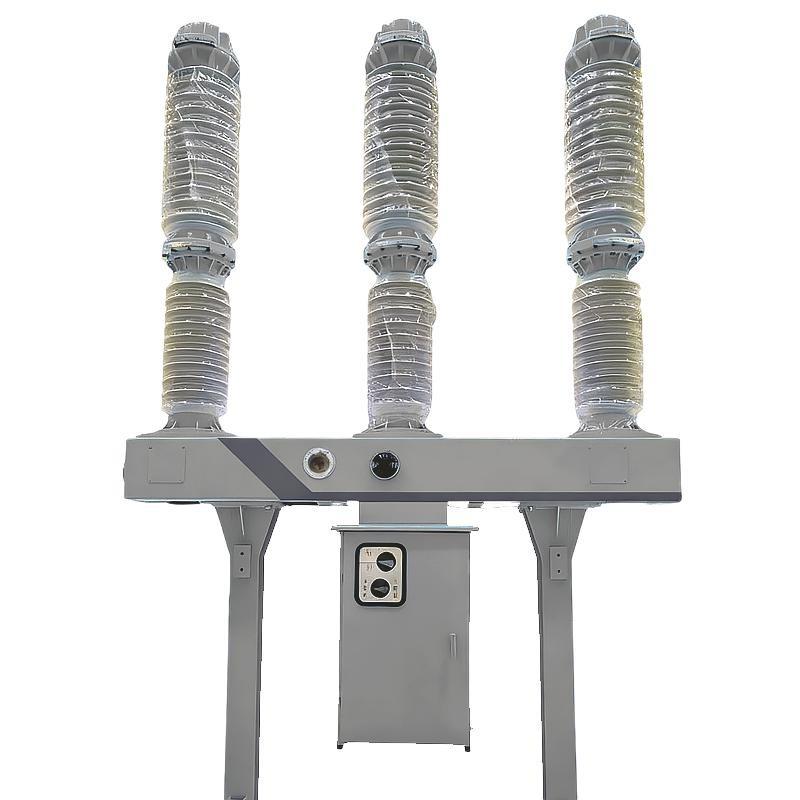
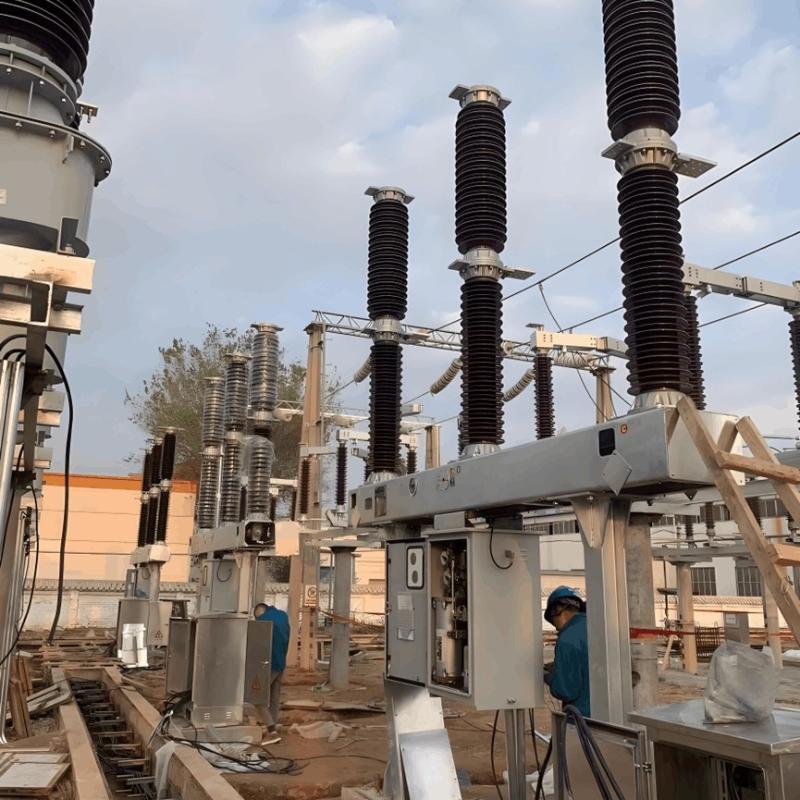
Ang mga high-voltage circuit breakers mao ang importante nga electrical equipment sa mga power substations. Ang komprehensibong pag-ila sa ilang fault patterns ug root causes mahimong makapahimo og targeted troubleshooting, rapid power restoration, ug effective reduction sa losses gikan sa outages ug equipment damage.
I. Common Operational Faults of 35kV High-Voltage Circuit Breakers
Ang energy storage mao ang pundasyon sa operasyon sa circuit breaker. Kon ang breaker dili makapag-store og sufficient kinetic energy, mahimong dili makapahimong normal nga opening o closing operations. Ang common cause mao ang malfunctioning limit switches, nga mahimong makapahimong continuous nga pag-operate sa energy storage motor. Sa normal nga kondisyon, ang motor mag-stop automatic nga kon matapos na ang mechanical travel. Kon ang limit switch dili makadetect sa end position, ang motor magpadayon sa pag-operate, nagresulta sa energy waste ug potential damage sa motor o storage mechanism.
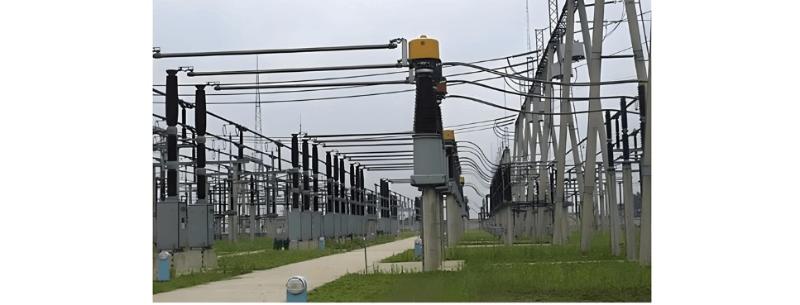
Ang mechanical faults mahimong mapasabot sa pag-prevent sa opening ug closing operations, resulta sa local manual tripping failure. Kon gi gamit ang remote control commands, ang fault sa control circuit o relay protection system mahimong mapasabot sa unsuccessful closing. Ang open circuits sa trip coil o trip control circuit mahimong makapahimong failure to close. Importante ang stable voltage supply sa operasyon; kon ang supply voltage mobaba, ang coil resistance mobata, mobaba ang tripping capability. Ang mechanical sticking o jamming sa trip process mahimong makaapekto sa closing operation, severely compromising the breaker’s functionality.
Ang mga faults sa spring-operated mechanisms mahimong makapahimong reduce sa energy storage efficiency. Kon ang spring mobato, ang energy storage circuit dili makapag-charge fully, causing the motor to remain in continuous operation, potentially leading to motor coil overheating and burnout. Ang common cause sa closing coil burnout mao ang improper positioning sa limit switch—installed too low—causing the motor to start before the spring is fully charged. This results in excessive current draw and elevated coil temperature. Even after the switch contacts change state and cut off power, the spring may lack sufficient energy to complete the trip operation. Prolonged motor operation under these conditions can also damage the limit switch. Such faults prevent normal opening/closing operations and increase the risk of internal component damage.
Kon ang critical role sa storage motor, ang maintenance personnel kinahanglan regular nga inspeksyon sa iyang operasyon. Ang improper limit switch positioning mahimong mapasabot sa motor dili makapause correctly. Ang switch kinahanglan i-install aron masiguro ang timely motor shutdown once full energy storage is achieved, providing reliable and orderly kinetic energy supply.
Ang maintenance staff kinahanglan conduct timely and effective inspections of trip coils to identify potential faults and hidden risks, preventing incident escalation. Key inspection points include:
Checking for open circuits in the trip coil (replace if damaged)
Verifying continuity in the trip control circuit
Inspecting the trip plunger for deformation
Ensuring the breaker can operate freely
An open circuit in the control loop prevents sufficient current flow, impairing breaker performance. Regular checks ensure safe and reliable operation.
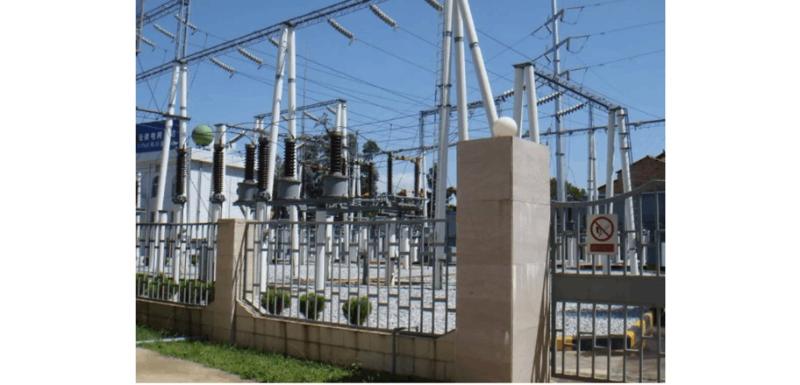
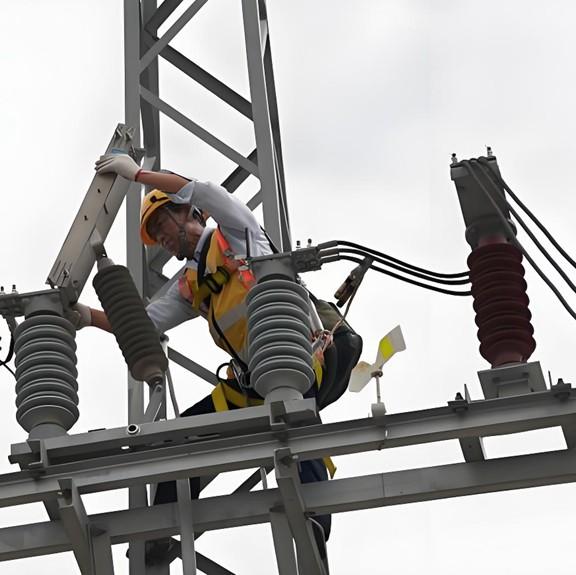
Enhance training for maintenance personnel on technical knowledge and fault analysis. Organize case studies to identify gaps, improve response capabilities, and build expertise in accident prevention and emergency handling. Learn from past incidents to avoid recurring human errors.
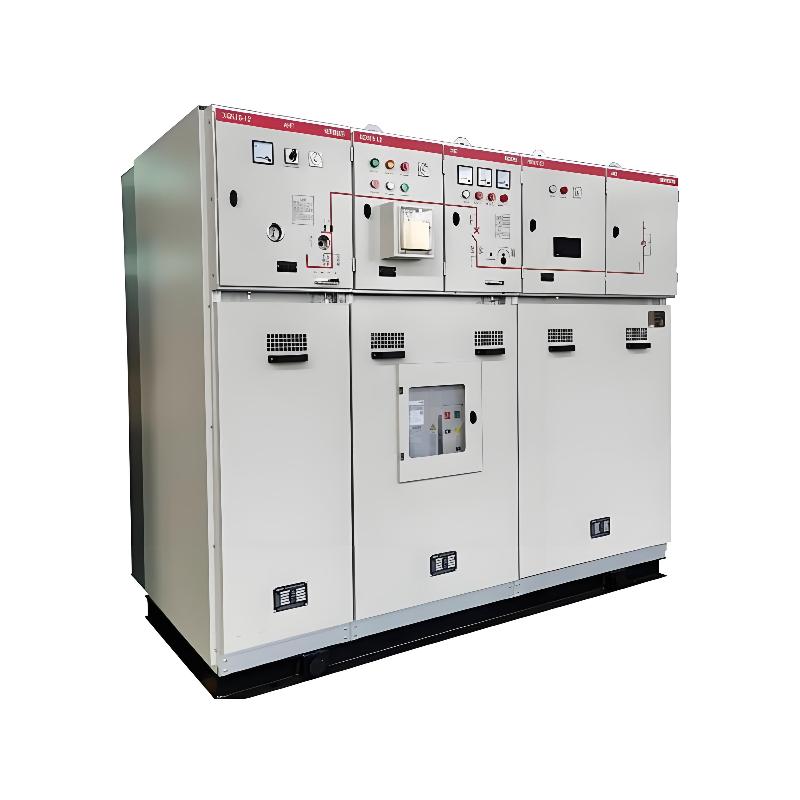
Strictly manage high-voltage switchgear. After a fault trip, never force-energize without identifying the root cause, as this risks personnel safety and may expand the incident. Isolate switchgear that tripped under abnormal conditions, conduct thorough inspections, tests, and adjustments, and only return to service after confirming complete safety.
Standardize substation operating procedures, detailing every step to ensure operational uniqueness, enhancing both personnel safety and equipment integrity.
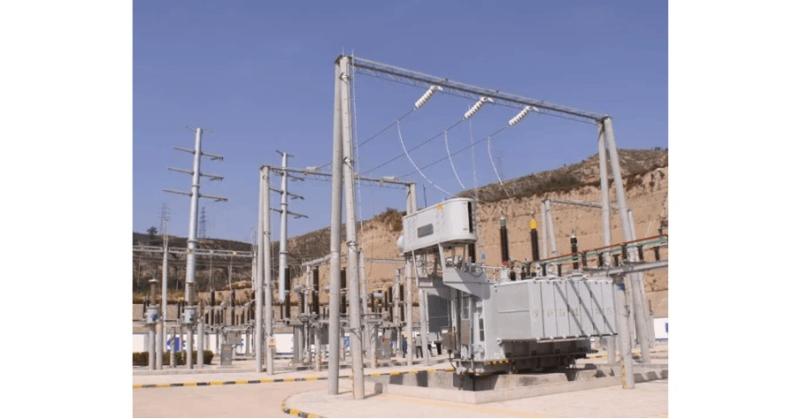
To address refusal to close:
Insert a normally closed (NC) auxiliary contact of the high-voltage circuit breaker into the LD signal lamp circuit. After closing, no current flows through the TBJ voltage coil, eliminating holding voltage. After tripping, this setup both monitors the closing circuit integrity and indicates the open status.
Alternatively, relocate the LD wiring so that after TBJ operates, the LD disconnects from the voltage coil. However, this modification may be complex in some breaker mechanisms.
If no spare NC contact is available, connect an auxiliary resistor (R) in parallel with the TBJ voltage coil to limit its voltage to ≤30% of rated voltage, preventing unintended operation.
Incorrect limit switch positioning (too high or too low) can cause faults. If energy storage is incomplete, excessive current and voltage may flow, leading to circuit failures. Maintenance personnel must promptly adjust the switch position to prevent incident escalation. Proper adjustment ensures the motor stops precisely when charging is complete. During switching operations, rely on the energy storage indicator light to confirm readiness. Only when free opening/closing is verified can the breaker be considered in good condition. Correct limit switch positioning is fundamental to reliable 35kV breaker operation and accident prevention.
Electricity is a vital energy source for national economic development. Ensuring high-quality power supply and grid stability is paramount. High-voltage circuit breakers are essential for protecting and controlling the safe operation of power systems. Their reliable performance is crucial to overall grid stability. Therefore, substation maintenance personnel must fully understand the operational status, fault patterns, and root causes of high-voltage circuit breakers, and be capable of implementing effective corrective actions. Timely fault resolution ensures grid safety and delivers high-quality, efficient power to users.