1. Pananaw sa Proyekto
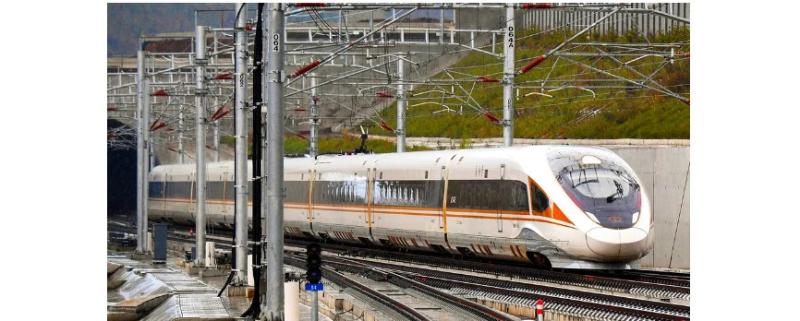
Ang proyekto nga ania mao ang pagtukod sa bag-ong Jakarta–Bandung High-Speed Railway, nga adunay kabug-atang 142.3 km, kasagaran og 76.79 km ka tulay (54.5%), 16.47 km ka tunnel (11.69%), ug 47.64 km ka embankment (33.81%). Ang apat ka istasyon—Halim, Karawang, Padalarang, ug Tegal Luar—gipagtukod na. Ang mainline sa Jakarta–Bandung HSR adunay kabug-atang 142.3 km, gigisnang para sa maximum speed nga 350 km/h, ug double-track spacing nga 4.6 m, kasagaran og mga 83.6 km ka ballastless track ug 58.7 km ka ballasted track. Ang sistema sa power supply nga gamiton mao ang AT (Autotransformer) feeding method.
Ang external power supply gamit ang voltage level nga 150 kV, samtang ang internal power distribution system gamit ang 20 kV. Ang catenary wrist arms ug positioning devices sa high-speed railway naggamit sa standardized ug simplified design gikan sa China. Ang China Railway Electrification Bureau ang responsable sa material procurement, pagtukod sa entire power ug traction power supply system sa Jakarta–Bandung HSR sa Indonesia, sama sa external power connection portion nga funded sa provisional sums.
2. Disenyo sa 20 kV Distribution Substation
2.1 20 kV Main Electrical Connection ug Operating Mode
Ang 20 kV main busbar nagamit og single-busbar configuration nga segmented pinaagi sa bus-tie circuit breaker nga may automatic bus transfer. Adunay 20 kV through-feeder bus section, nga pagkatapos makadlaw sa voltage regulator, magfeed out ang 20 kV comprehensive load through-feeder line ug ang 20 kV primary through-feeder line. Ang neutral point sa voltage regulator grounded pinaagi sa small resistor, ug walay bypass switch nga gipasabot alang sa voltage regulator.
Sa normal operation, ang duha ka power sources mag-supply sama sa bus-tie circuit breaker nga open. Kon usa ka power source mubuto, ang incoming circuit breaker sa de-energized side mag-open, ug ang bus-tie circuit breaker automatically mag-close, mahimo ang uban nga power source ang mag-carry sa full substation load. Adunay reactive power compensation device nga gipasabot sa 20 kV through-feeder bus section, siguradohon nga ang power factor sa incoming side sa substation dili pa labi kang 0.9 human sa compensation.
2.2 Layout Plan
Tanan nga distribution substations co-located sa station-area operational ug living buildings sa ground floor, bisan ang Tegal Luar EMU Depot substation, independente nga gipagtukod isip single-story structure. Walay cable interstitial floors nga gipasabot. Ang ground floor adunay kwarto para sa voltage regulator (para sa primary ug comprehensive through-feeders), reactive power compensation, neutral grounding equipment, communication machinery, spare parts storage, high-voltage switchgear, control room, tool room, ug rest area. Ang cables sa loob sa substation gi-lay sa cable trenches.
Ang connections tali sa voltage regulator room, reactive power compensation room, neutral grounding equipment room, ug ang high-voltage room gipasabot pinaagi sa pre-embedded conduits. Located sa station area, ang substation walay dedicated external access roads o fire lanes. Adunay outdoor integrated utility trench nga gipasabot, equipped ngadto sa cable supports; ang incoming ug outgoing cables routed pinaagi niini, ang power ug low-voltage/control cables laid sa opposite sides sa trench. Ang uban nga sections gi-usab sa cable trenches ug conduit installations.
3.Paghanda sa Pagtukod
Site Investigation: Bago ang pagtukod, ang contractor mahimong mogawas sa site survey batasan sa approved design documents ug relevant data, ug iprepare ang site investigation report nga nagsulob sa terrain, geology, road transport, equipment building conditions, ug integrated utility trench routing.
Construction Drawing Verification: Ang contractor mahimong mobati sa approved construction drawings sa site ug konfirmahan ang ilang accuracy bago i-usab. Ang bisan unsa nga discrepancies kinahanglan mobati sa client, designer, ug supervising engineer aron masolboson.
Batasan sa survey ug verified drawings, ang contractor mahimong mo-develop og detailed implementation plan ug work instruction manual alang sa distribution substation, klaro nga gitakda ang process standards, quality control requirements, ug interface needs para sa critical procedures, ug conduct named QR-code-based technical briefings.
BIM Optimization: Sa early construction phase, ang BIM technology mahimong mogamit aron simularon ang equipment installation ug cable routing sa 20 kV distribution substation. Kini mahimong optimized layout sa equipment ug trench/pipeline arrangements sa building, simulated cable routing sa indoor ug outdoor cable trenches, optimized cable pathways, ug precise determination sa support bracket locations. Ang visualization ug simulation capabilities sa BIM makatabang sa pag-iwas sa spatial conflicts sa panahon sa construction ug pag-improve sa efficiency.
4.Optimization sa Process Detail
4.1 Cable Trench Layout sa Distribution Substation
Ang substation mao ang single-story structure, ug ang branch cable trenches para sa individual equipment rooms gibag-o. Tali sa foundations sa voltage regulator room, reactor room, ug small-resistor grounding room ug ang high-voltage/control rooms, ang pre-embedded steel conduits gipasabot, extending ngadto sa high-voltage room cable trench hangtod sa height sa second-level cable support gikan sa bottom. Aron mapadali ang cable pulling, ang pre-embedded conduit tali sa outdoor utility trench ug ang high-voltage room cable trench optimized ngadto sa trench form, ug wall-penetration plates gipasabot sa wall crossings.
4.2 Busbar Installation sa Voltage Regulator Room
Ang orihinal nga single-layer horizontal cable termination support bracket sa voltage regulator room gi-optimize pinaagi sa pag-add og angled steel bracing sa ilalum sa horizontal bracket aron mapataas ang stability ug pag-iwas sa shaking. Ang cables moadto sa voltage regulator gikan sa itaas, ug ang brackets gipasabot sa height nga 2,500 mm. Ang shield layer ug armor sa high-voltage cable terminations separately grounded.
Tanangtang tanan nga mga suporta sa estruktura gisugdan sa main grounding conductor pinaagi sa flat o round steel bars. Ang copper busbars nagkonekta sa cable terminations ngadto sa voltage regulator terminals, protektado ngadto sa cross-linked irradiated heat-shrink tubing nga may phase-color markings. Para sa operasyonal nga pag-monitor, isinatay ang L-shaped stainless-steel mesh barrier nga may stainless-steel maintenance door (nakaplag ug electromagnetic lock nga mag-unlock lang kung ang high-voltage switch wala na) para maprotektahan ang personal nga seguridad ug mapabilin ang required live-part clearances.
4.3 Pagsulay sa Cable Support
Ang BIM-based cable pre-laying simulation mihatag og segregated routing: power source side 1, power source side 2, primary through-feeder side, ug comprehensive through-feeder side gisulay sa separate sides sa trench, nahimong walay damage sa uban kon adunay fault sa usa ka power line. Gi-respeto ang cable bending radii, ug ang precise positioning sa bawat cable sa supports naka-determine sa optimal support type ug location.
Ang BIM collision detection nag-adjust sa support heights aron malikayan ang cable crossovers. Tanang horizontal rungs sa supports aligned sa sama nga plane, ug ang center deviations ≤5 mm. Ang supports gipirmahan sa pre-embedded steel plates sa trench walls, ug ang bottom sa supports ≥150 mm above the trench floor. Sa integrated utility trench, ang cable supports gipang-ground using 40 mm × 4 mm flat steel, ug duha ka grounding leads gipang-konekta sa integrated grounding system.
4.4 Pagbuhat sa Cable Laying
Prinsipyong Cable Arrangement: Ang cables sa dihangka nga voltage levels sulayi gikan sa taas hangtod sa baba sa order sa high-voltage power cables, control cables, ug signal cables. Dili mahimong ilisan sa sama nga support level ang cables sa dihangka nga classifications o ang two circuits sa primary loads.
Refinement sa Design: Batasan sa drawings, ang cable laying techniques makapahimo og mas profound nga design refinement, maka-enable og complete ug systematic construction plan nga masigurado ang smooth workflow integration ug makapahimo og maayo nga safety ug quality control.
Pagkuha sa Traction Force: Ang traction machines gisulayi sa endpoint, ug ang cable feeders gituyok mga 1 m. Batasan sa experience, gi-add og additional 10 cm sa bends para sa calculation sa traction force.
Inspeksyon sa Site: Bago matuman, inspeksyunon ang kondisyon sa equipment installation. Masiguro nga ang traction force wala mosobra sa allowable tensile strength sa cable. Magbutang og safety checks sa cable laying machinery ug survey sa site aron masigurado ang placement sa cable reel; i-adjust immediately kon dili mosubay sa standards.
Pag-implementar sa Cable Laying: Bago matuman, ihanda ang labels ug numbering batasan sa drawings gikan sa qualified technicians. Ang on-site supervision masiguro ang tama nga cable routing ug model usage. Sa mechanical laying, ang cables dili mobati ug armor flattening, twisting, o sheath damage. Gamiton ang crane aron iposition ang cable reel, supported sa dedicated payout stand aron mogawas sa top-end ug dili mobati friction sa ground. I-install ang cable pulling grips sa terminations bago ang traction. Ang qualified technicians mag-supervise sa operation sa equipment ug placement sa feeder machine: main traction machine sa endpoint, feeders spaced 80–100 m apart, ug large-radius sheaves sa bends.
Pag-fix sa Cable: Bago matuman, ifix ang cables sa start/end points ug both sides sa bends, nga may fixing intervals sa 5–10 m. Apply “lay one, tie one” binding principle ug re-secure ang cables gikan sa start point backward. Para sa cables sa trays, hang identification tags sa both sides, bends, ug intersections; sa straight sections, tags every 20 m. Ang tags kinahanglan uniformly display ang cable number, specification, start/end points, ug voltage.
Inspeksyon sa Cable Circuit: Bago matuman, inspeksyunon ang entire cable circuit, associated components, ug facilities. Verify ang tag accuracy, check for missing/wrong installations, ug confirm ang quality compliance. Aron masiguro ang safe operation:
I-install partitions between AC/DC cables or circuits of different voltages when not sharing a tray;
Ensure all trench covers are in place and trenches are free of obstructions and water;
Perform insulation withstand and leakage current tests per standards;
Verify terminal alignment and grid compatibility during acceptance.
4.5 Fire-Retardant and Fireproofing Measures
Tanan nga penetrations between fire compartments, building entries, floor slabs, ug openings beneath HV/LV cabinets kinahanglan fire-stopped. Ang fire-stopping materials kinahanglan compliant sa Indonesian standards for performance, test methods, general technical specifications for cable fire-retardant coatings, ug technical requirements for flame-retardant cable wraps. Flame-retardant cables gamiton sa indoor. Non-flame-retardant cables entering the substation kinahanglan wrapped with flame-retardant tape or coated with fireproof paint.
5. Integrated Construction and Maintenance
Durante sa construction, ang operation ug maintenance units nakaparticipate sa early stage aron mapahimulos ang construction ug maintenance standards, nagbasehan sa high-quality, aesthetically pleasing, ug eco-friendly HSR. Sa usa ka banda, ang close coordination sa taking-over entity durante sa design briefings, specification reviews, ug technical liaison meetings makapahimo og refine process standards ug equipment/material performance requirements batasan sa operational experience. Sa uban nga banda, durante sa construction—sa panahon sa pag-meet sa design ug code requirements—gi-optimize ang processes gikan sa operational safety ug maintainability perspective, kasagaran improvements sa cable trenches, cable maintenance access, junction boxes, grounding, protective mesh barriers, ug signage, thereby enhancing operational safety ug physical quality.
6. Konklusyon
Sumala sa atong pagsumaryo, ang teknolohiya sa pagbuhat og sistema sa kuryente alang sa HSR nagpadayon nga molambo, uban ang daghang mga inhenyero nga nag-apil sa integradong konsepto sa mga proyekto sa HSR. Ang pag-update sa teknolohiyang electromagnetiko, ang rapid na optimisasyon sa BIM, ug ang mas maayo nga early-warning system tanang suporta sa pagpalambo sa integrasyon sa “Four-Electrics” (kuryente, signaling, telecom, ug traction) sa HSR. Ang makina nga dokumento kini naghahatag og meaningful nga insights alang sa pagpalambo pa sa teknolohiya.








