Vacuum Integrity Testing of Circuit Breakers: A Critical Measure for Performance Evaluation
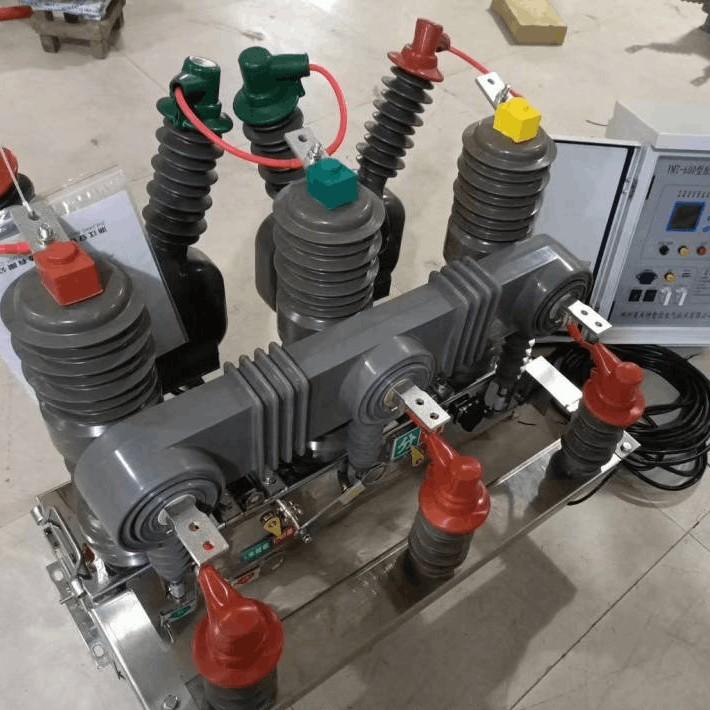
Vacuum integrity testing is a key method for assessing the vacuum performance of circuit breakers. This test effectively evaluates the insulation and arc-quenching capabilities of the breaker.
Before testing, ensure the circuit breaker is properly installed and correctly connected. Common vacuum measurement methods include the high-frequency method and the magnetic control discharge method. The high-frequency method determines vacuum levels by analyzing high-frequency signals, while the magnetic control discharge method measures vacuum based on gas discharge characteristics.
Environmental temperature has a notable impact on measurement accuracy. Testing is generally recommended within a temperature range of 15°C to 35°C. Humidity can also interfere with results and should be maintained within acceptable limits.
Test instruments must be strictly calibrated to ensure reliable and precise measurements. Acceptable vacuum levels vary by breaker model. For certain high-voltage circuit breakers, the required vacuum can reach as low as 10⁻⁴ Pa.
Prior to testing, disconnect relevant secondary circuits. During the test, closely observe the breaker’s exterior for any abnormalities. If signs of surface discharge are detected, address them immediately.
The testing interval depends on the breaker’s operational frequency. Breakers subjected to frequent operations should be tested more often. New breakers must undergo vacuum testing before being commissioned.
Test data should be thoroughly recorded, including test date, results, and environmental conditions. Analyzing this data helps identify potential issues early. If measured vacuum levels fall outside acceptable limits, further investigation is required—possible causes include:
Leakage in the sealing structure – Inspect the condition of seals and replace any damaged ones.
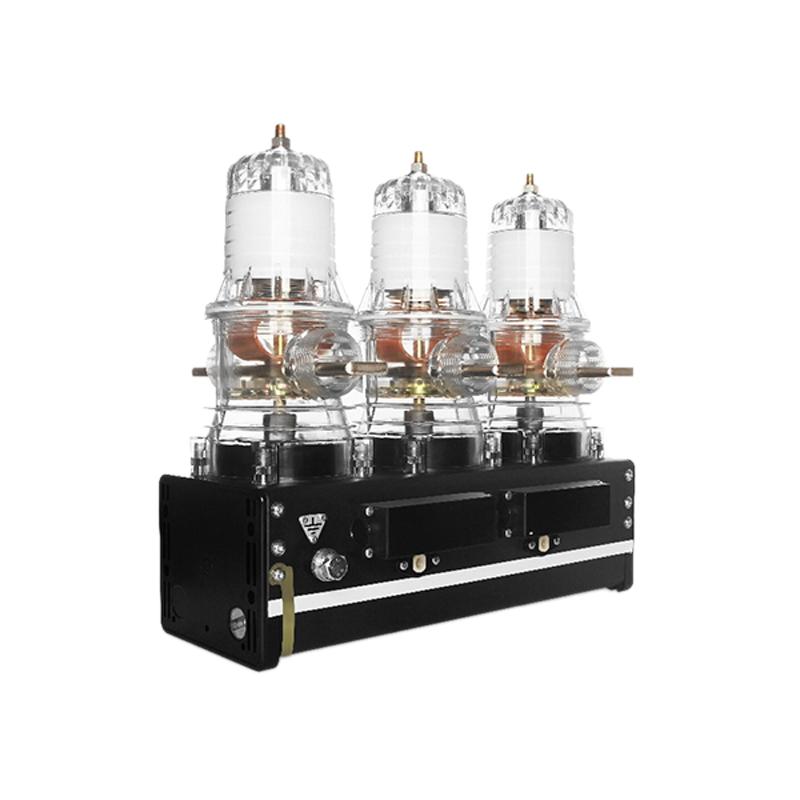
Inherent defects in the vacuum interrupter – Suspected cases require specialized testing.
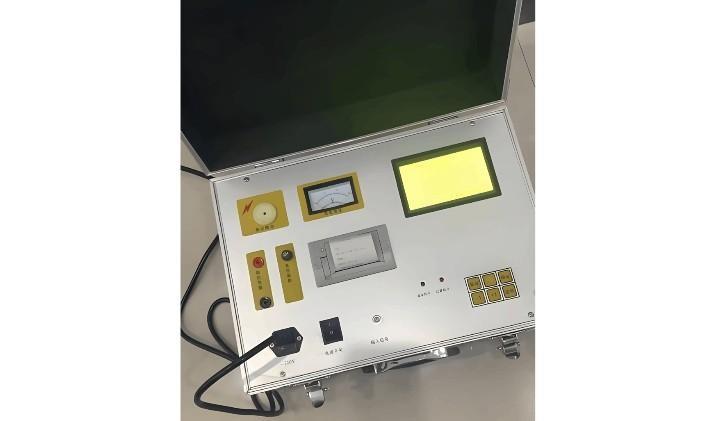
A dedicated vacuum tester can be used to measure the interrupter separately. Ensure a secure and tight connection between the tester and the breaker to avoid poor contact.
Older circuit breakers may experience faster vacuum degradation. For such units, increase the frequency of vacuum monitoring.
Vacuum testing can be performed via offline testing or online monitoring. Online monitoring provides real-time vacuum status, while offline testing is better suited for periodic, comprehensive assessments.
Personnel conducting the test must be professionally trained and familiar with operational procedures. Strict adherence to safety regulations is essential to prevent accidents caused by improper operation.
Test reports should be prepared in a standardized format, including test standards, procedures, and data. The conclusion must clearly state whether the vacuum level is acceptable. For failed units, actionable recommendations for repair or replacement should be provided.
Vacuum integrity testing is crucial for ensuring power system safety. Conducting tests accurately and in compliance with standards guarantees reliable circuit breaker operation.