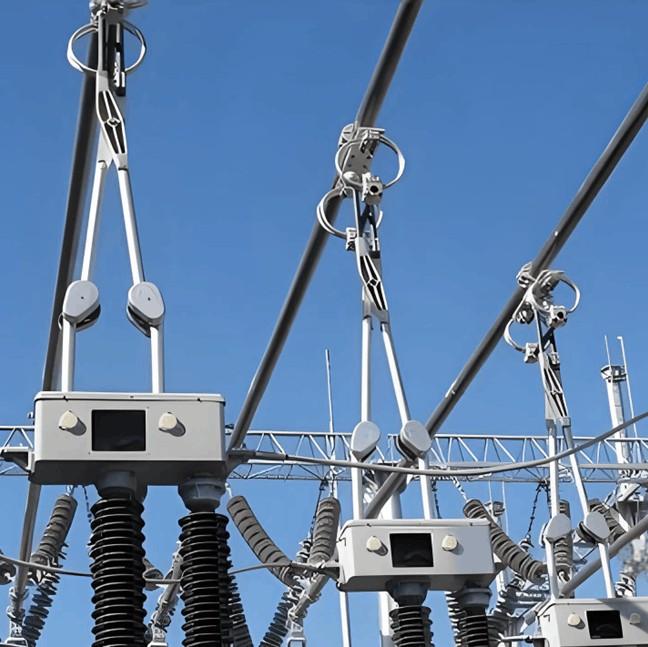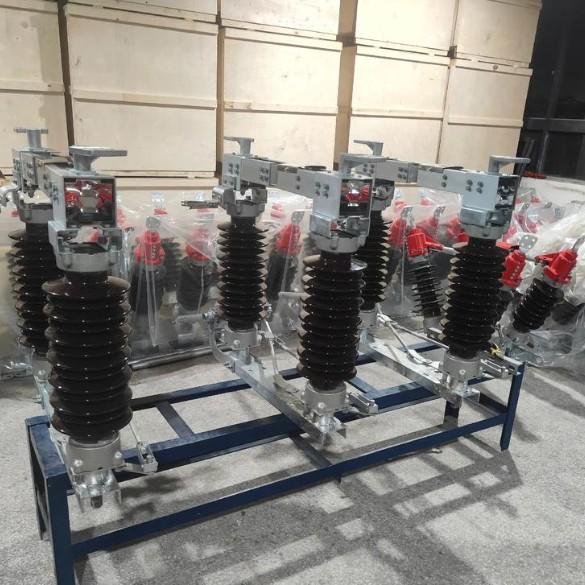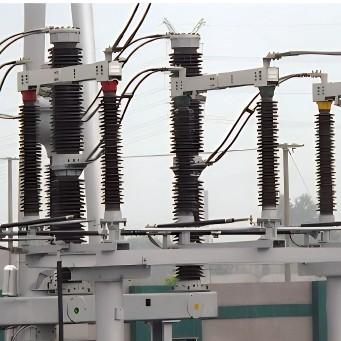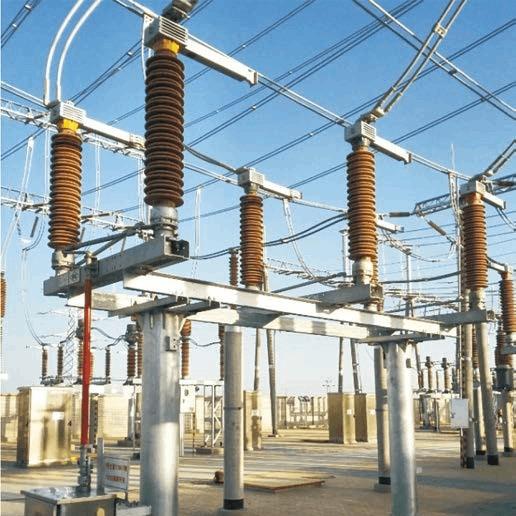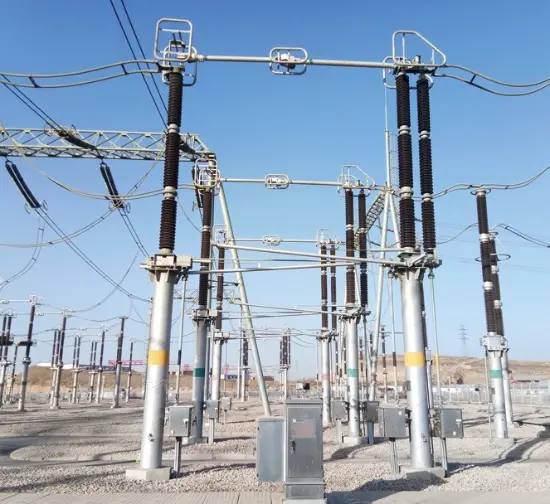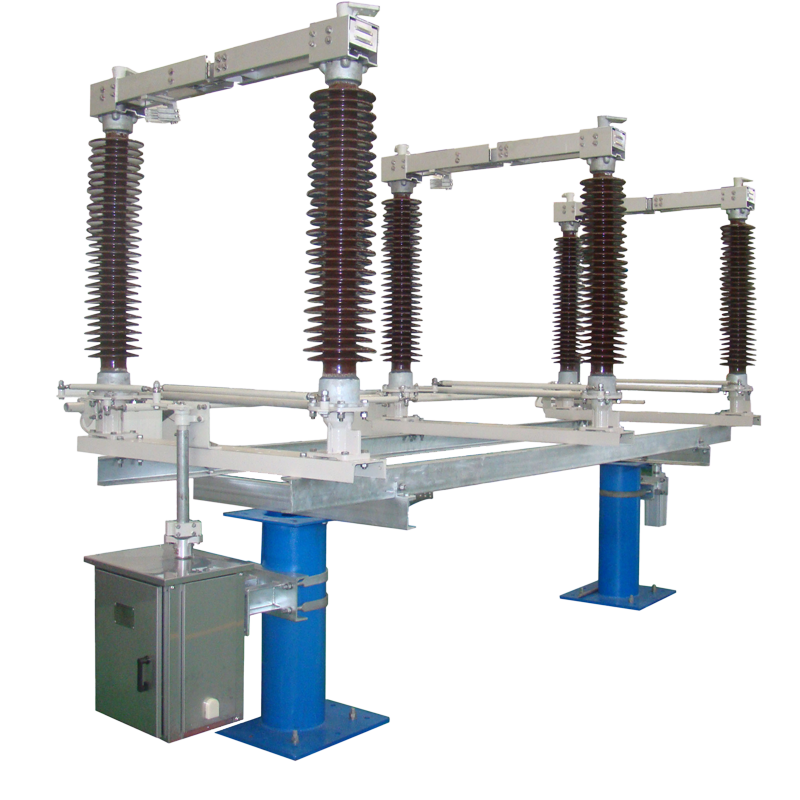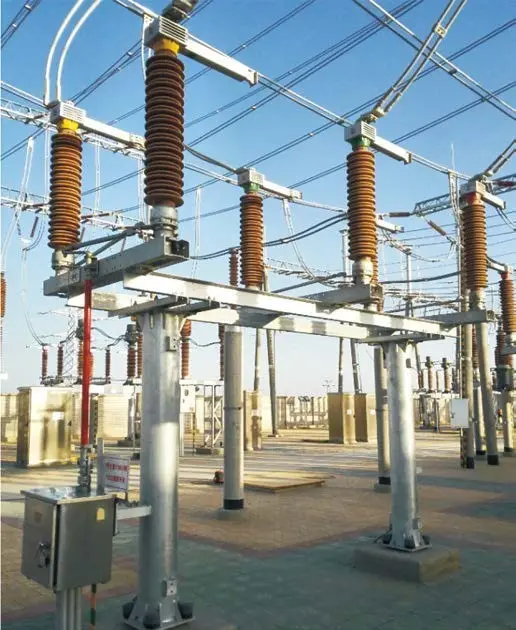
In substations with voltage levels of 110 kV and below, the GW5-type disconnector is widely used due to its simple structure, reliable contact performance, and self-cleaning contact function. Every winter, the failure rate of abnormal heating in GW5-type disconnectors shows an upward trend. Therefore, improving winter maintenance practices for GW5-type disconnectors (hereinafter referred to as “disconnectors”) and promptly detecting and addressing overheating faults are of critical importance to the safe and stable operation of the power grid.
As temperatures drop in winter, the viscosity of lubricating oils and greases increases, raising friction in the transmission components of the disconnector’s operating mechanism. Additionally, rain and snow significantly increase the likelihood of corrosion in mechanical parts. These combined effects can alter the total operating stroke of the disconnector. If the disconnector fails to close fully, contact resistance rises, leading to abnormal heating once energized. Moreover, thick winter clothing worn by maintenance personnel can hinder precise manual operation, potentially causing incomplete closing.
Compared to pure copper, brass contains more zinc, has a higher coefficient of thermal expansion, and greater resistance to deformation. Under large diurnal temperature variations in winter, conductive clamping plates, conductive tubes, and fastening bolts undergo varying degrees of thermal expansion and contraction. Brass clamping plates experience significant deformation stress, making them prone to cracking. This increases contact resistance and causes localized overheating. According to statistics from a power supply company, six overheating incidents caused by brass clamping plates occurred between November and December 2021.
When connecting copper conductive rods to aluminum conductors, copper-aluminum transition clamps—welded joints of copper and aluminum—are required. Traditional clamps use a transverse butt-weld design. Due to differences in material properties and thermal expansion coefficients, the weld zone becomes the weakest point under thermal cycling. Combined with frequent conductor swinging in windy winter conditions, this leads to metal fatigue, damage, overheating, and even fracture at the weld.
Low winter temperatures reduce the elasticity of tension springs in disconnector contacts. Springs that are already corroded or damaged suffer particularly severe loss of tension. Uneven spring force reduces contact pressure between left and right contacts, decreasing effective contact area. In severe cases, the springs may inadvertently carry current. Since iron (common spring material) has high resistivity, this causes additional heating and further spring degradation, ultimately resulting in serious disconnector overheating.
Winter air is dry and often polluted, especially in heavily contaminated areas with high dust levels. If excessive petroleum jelly (Vaseline) is applied to disconnector contacts, it readily adsorbs dust. Upon drying, this forms a hardened contaminant layer—a poor conductor—that causes significant overheating. During maintenance, aggressive grinding to remove such layers can damage the underlying silver plating, artificially increasing contact resistance and creating new overheating risks.
Early detection of overheating through regular patrols is essential:
Apply temperature-indicating labels (thermochromic stickers) to main current-carrying parts; inspect for melting or discoloration during patrols to identify overheating.
Conduct inspections during or after rain/snow: overheated areas will show steam, melted snow, or dry spots. Rising heat plumes above contact points are more visible in colder ambient temperatures.
Perform nighttime “lights-off” patrols to detect glowing or arcing at contact points.
Observe color changes and odors: abnormally heated aluminum turns whitish, copper becomes purplish-red, phase-color paint cracks or peels, and a burnt smell may be noticeable in severe cases.
Promote the use of upgraded materials and techniques during maintenance:
Replace brass clamping plates with pure copper ones.
Use longitudinally crimped copper-aluminum transition clamps instead of transverse welded types.
Apply low-temperature-resistant lubricants.
Install improved contact designs featuring pressure springs or spring plates.
Strictly follow maintenance procedures: replace tension springs showing significant loss of elasticity or severe coating damage.
When cleaning contaminant layers from main contacts, avoid grinding to protect the silver plating. Instead, soak contacts in gasoline to soften deposits, then gently clean with lint-free cotton cloths.