• Product
  • Suppliers
  • Manufacturers
  • Solutions
  • Free tools
  • Knowledges
  • Experts
  • Communities
Search


What fire prevention measures are available for power transformer failures?

Noah
Field: Design & Maintenance
Australia

Failures in power transformers are commonly caused by severe overload operation, short circuits due to winding insulation degradation, aging of transformer oil, excessive contact resistance at connections or tap changers, failure of high- or low-voltage fuses to operate during external short circuits, core damage, internal arcing in oil, and lightning strikes.

Since transformers are filled with insulating oil, fires can have severe consequences—ranging from oil spraying and ignition to, in extreme cases, rapid gas generation from oil decomposition, leading to a sharp pressure rise inside the tank, tank rupture, massive oil leakage, and intense combustion.

Preventive measures include:

(1) Equip transformers with fuses or relay protection devices. For larger-capacity units, gas (Buchholz) relays should also be installed to promptly isolate faulty transformers from the grid.

(2) Strengthen insulation monitoring through regular preventive insulation tests and scheduled maintenance or rotation overhauls.

(3) Properly manage insulating oil: if oil aging, moisture ingress, or reduced dielectric strength is detected, filter or replace it with qualified new oil.

(4) Install transformers either outdoors or inside buildings with Class I or II fire-resistance ratings, ensuring adequate ventilation.

(5) Enhance operational management by monitoring transformer loading during peak periods. If overload is detected, redistribute loads or replace the unit with a higher-capacity transformer.

(6) Regularly inspect lightning arresters for proper operation and promptly replace any defective units.

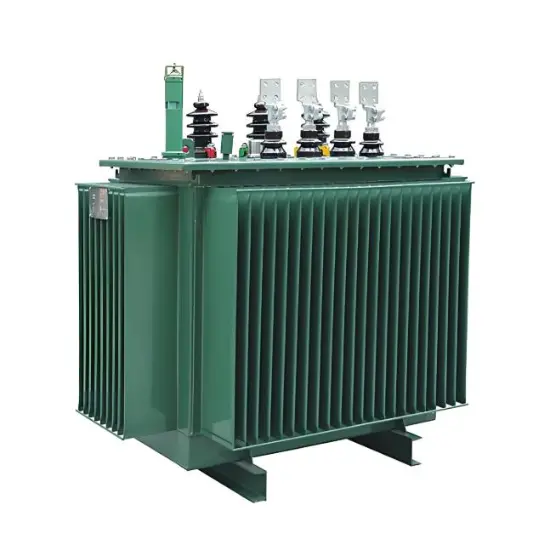
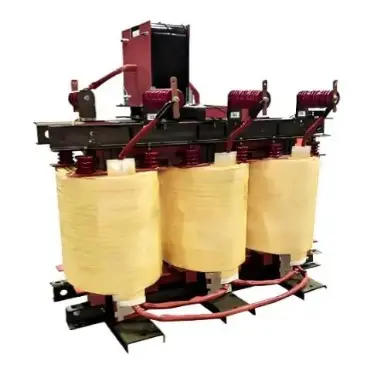
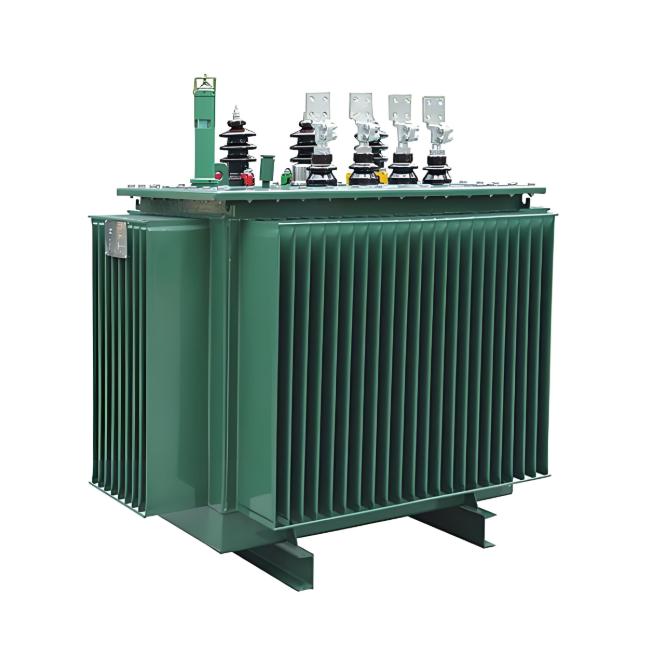
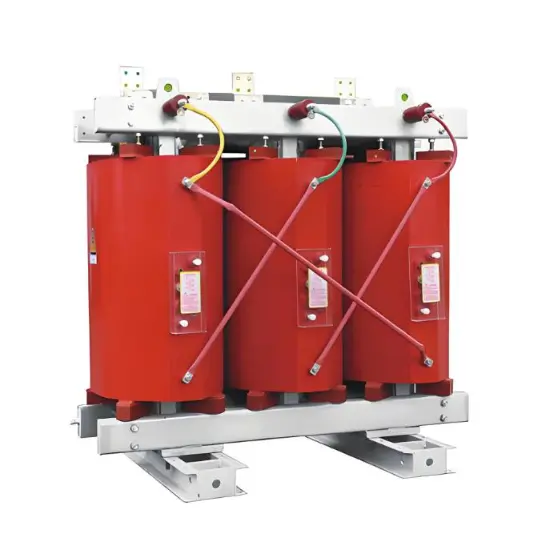
(7) Promote the use of fully sealed power transformers. For high-rise buildings and other critically important locations, select flame-retardant or self-extinguishing dry-type transformers or prefabricated (pad-mounted) units.

Give a tip and encourage the author!

Recommended

What’s the Difference Between Rectifier Transformers and Power Transformers?
What is a Rectifier Transformer?"Power conversion" is a general term encompassing rectification, inversion, and frequency conversion, with rectification being the most widely used among them. Rectifier equipment converts input AC power into DC output through rectification and filtering. A rectifier transformer serves as the power supply transformer for such rectifier equipment. In industrial applications, most DC power supplies are obtained by combining a rectifier transformer with rectifier equ
01/29/2026
How to Judge, Detect and Troubleshoot Transformer Core Faults
1. Hazards, Causes, and Types of Multi-Point Grounding Faults in Transformer Cores1.1 Hazards of Multi-Point Grounding Faults in the CoreUnder normal operation, a transformer core must be grounded at only one point. During operation, alternating magnetic fields surround the windings. Due to electromagnetic induction, parasitic capacitances exist between the high-voltage and low-voltage windings, between the low-voltage winding and the core, and between the core and the tank. The energized windin
01/27/2026
Analysis of Four Major Power Transformer Burnout Cases
Case OneOn August 1, 2016, a 50kVA distribution transformer at a power supply station suddenly sprayed oil during operation, followed by burning and destruction of the high-voltage fuse. Insulation testing revealed zero megohms from the low-voltage side to ground. Core inspection determined that damage to the low-voltage winding insulation had caused a short circuit. Analysis identified several primary causes for this transformer failure:Overloading: Load management has historically been a weak
12/23/2025
Power Transformer Condition Monitoring: Reducing Outages & Maintenance Costs
1. Definition of Condition-Based MaintenanceCondition-based maintenance refers to a maintenance approach where repair decisions are determined by the real-time operational status and health condition of equipment. There are no fixed schedules or predetermined maintenance dates. The prerequisite for condition-based maintenance is the establishment of equipment parameter monitoring systems and comprehensive analysis of various operational information, enabling reasonable maintenance decisions base
12/22/2025
Related Products
Send inquiry
+86
Click to upload file
Download
Get the IEE Business Application
Use the IEE-Business app to find equipment, obtain solutions, connect with experts, and participate in industry collaboration anytime, anywhere—fully supporting the development of your power projects and business.