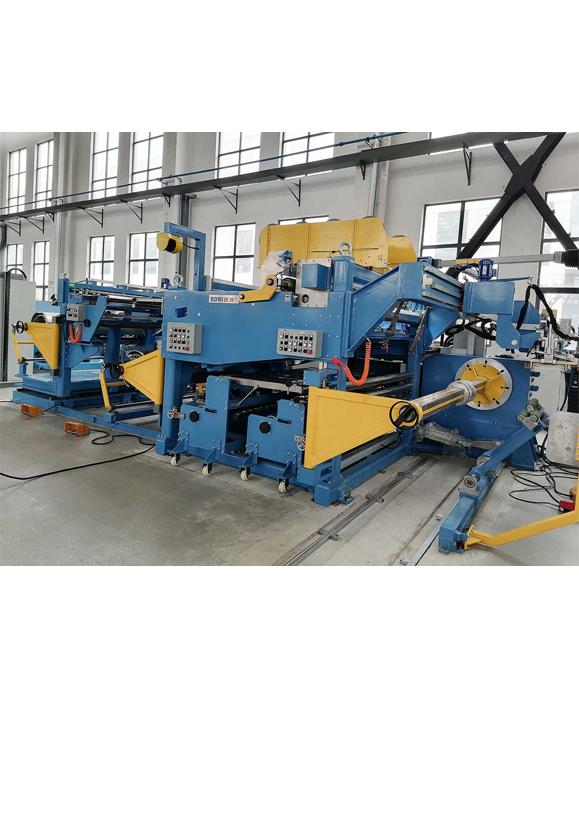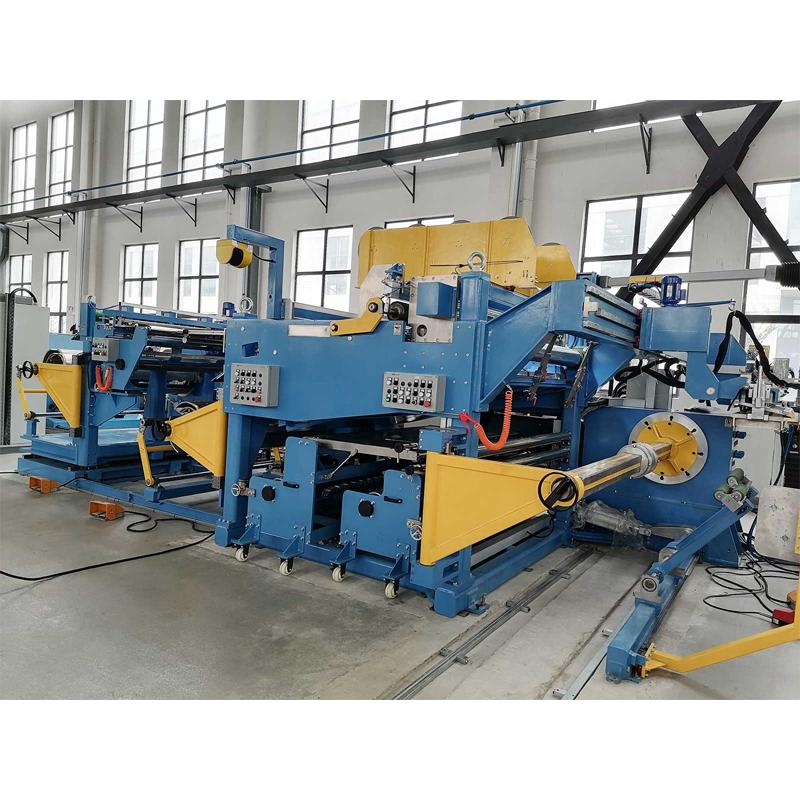
| Brand | Xinyouxiang |
| Model NO. | Transformer foil winding machine |
| Winding speed | 0-30(rpm) |
| Tension | 8KN |
| Width of foil | 150-700mm |
| Outer diameter of coil | 150-600mm |
| Thickness of foul(AL) | 0.5-2.0mm |
| Thickness of foul(Cu) | 0.5-1.6mm |
| Welding speed | ≤0.5m/min |
| Offset regulating accuracy | ±0.5 |
| Series | BRJ |
Application
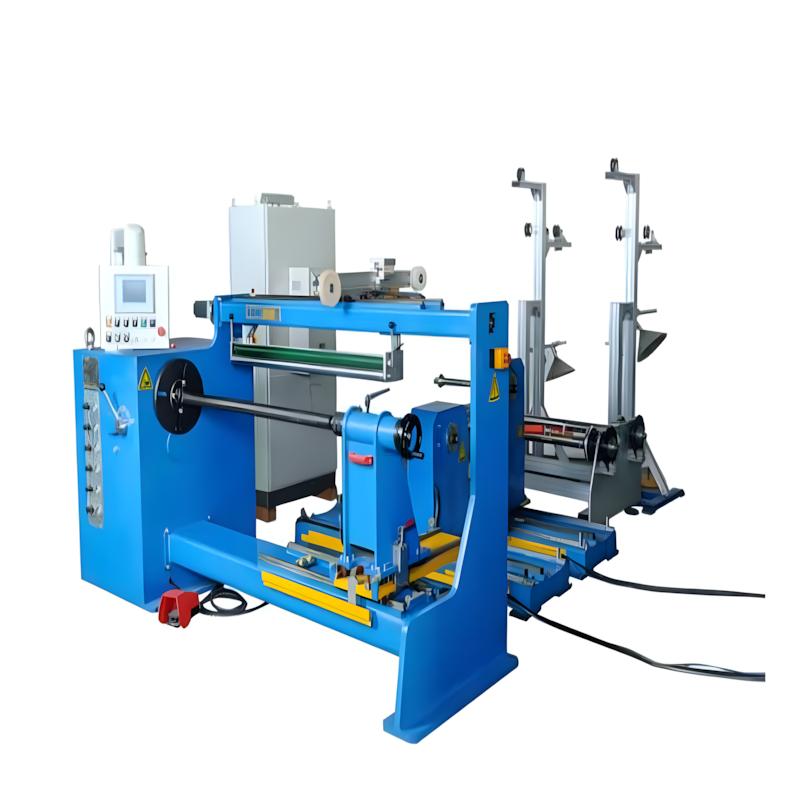
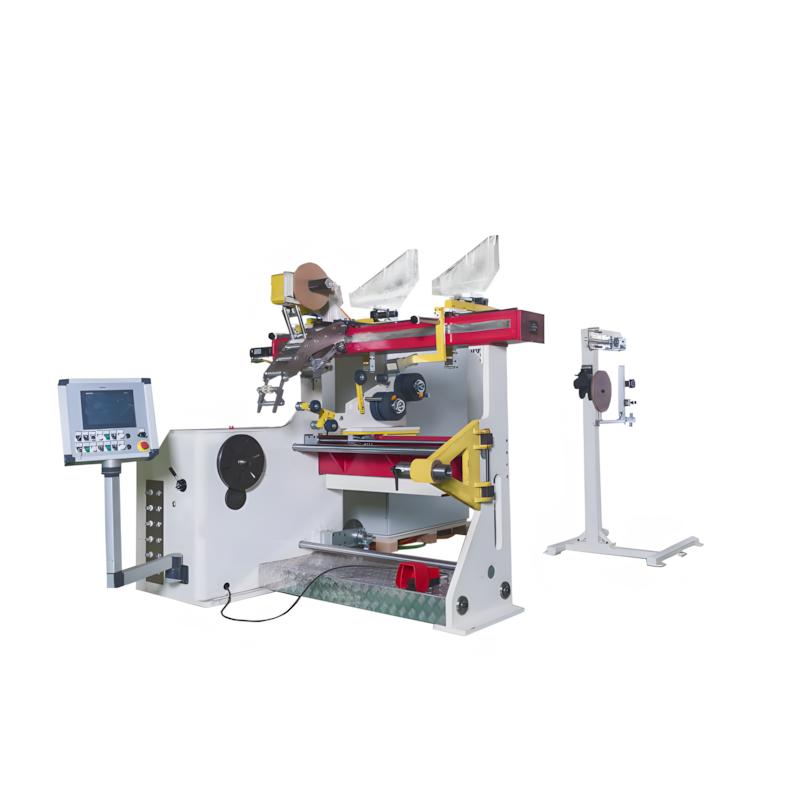
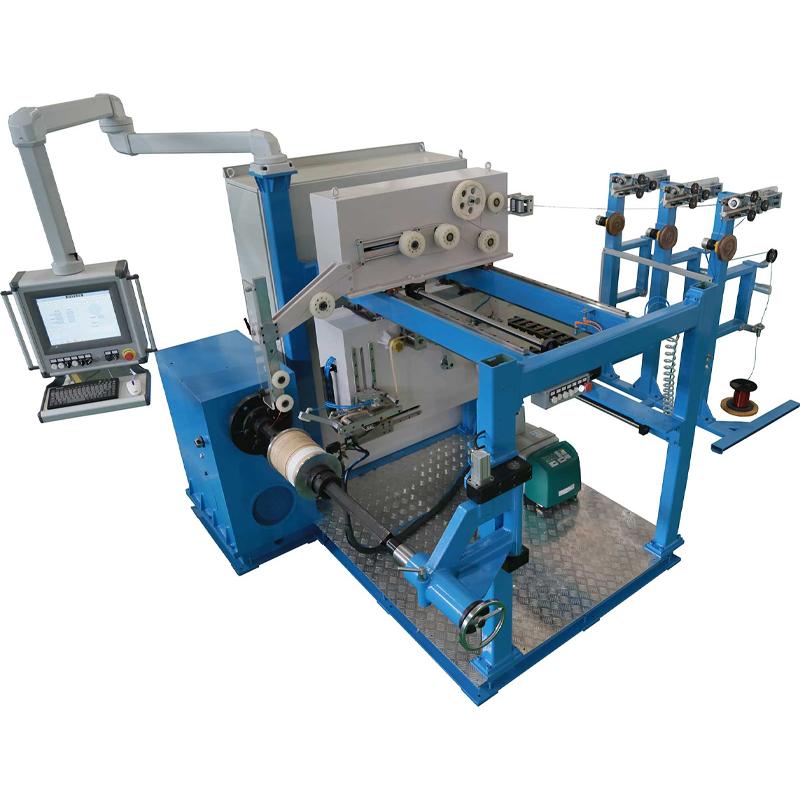
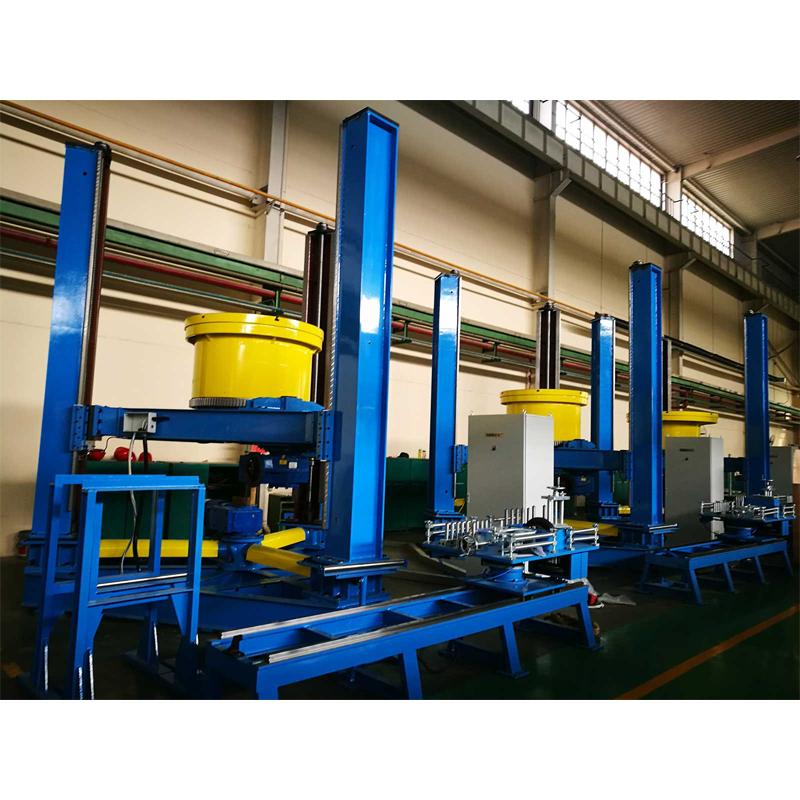
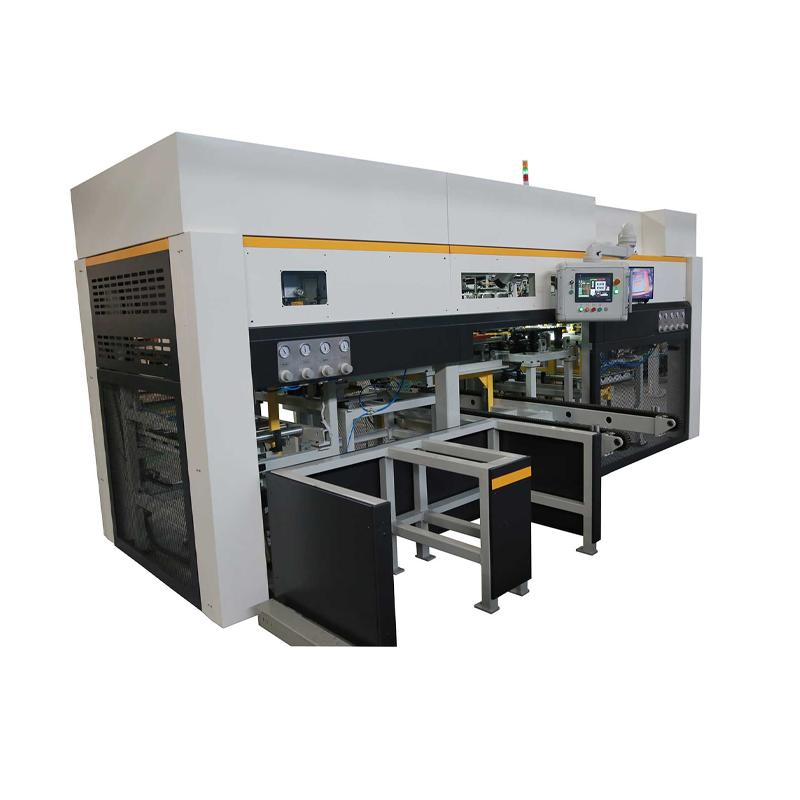
Transformer Coil Winding Machine is an automated specialized equipment designed for transformer foil coils. It uses copper foil or aluminum foil as the winding conductor, and is synchronously wound with insulation paper to form a layered structure of transformer coils.
The core configuration of the equipment includes a precision tension control system, an automatic interlayer insulation feed mechanism, and a PLC programmable control system, which can achieve integrated operations of foil feeding, positioning, cutting, and insulation layer laying, ensuring the compactness, flatness, and turn accuracy of coil winding. It is suitable for foil and insulation materials of different widths and has both semi-automatic and fully automatic operation modes, meeting the dual needs of small batch customization and large-scale production. Types of compatible transformers: dry-type transformers, oil immersed distribution transformers, power transformers, special transformers, etc
Features
Tension is stable during operation
Offset regulating system for high efficiency
Foil tension, insulation tension adjustable and stable
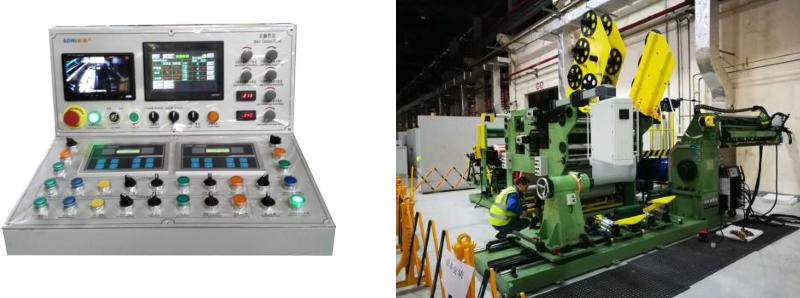
Video monitoring for foil shearing
Material feeding easily
Optional for cold press welding
Specifications
Parameter |
BRJ(S1)-700 |
BRJ(S1)--1000 |
BRJ(S2)--1000 |
BRJ(S2)--1400 |
Width of foil (mm) |
150--700 |
300--1000 |
300--1000 |
500--1400 |
Outer diameter of coil (mm) |
150--600 |
200--800 |
||
Thickness of foul(AL) (mm) |
0.5--2.0 |
|||
Thickness of foul(Cu) (mm) |
0.5--1.6 |
|||
Winding speed (rpm) |
0--30 |
0--30 |
0--30 |
0--20 |
Max. tension (KN ) |
8 |
10 |
10 |
20 |
Welding mode |
TIG / Cold press welding |
|||
Welding speed (m/min) |
≤0.5 |
|||
| Offset regulating accuracy (mm) | ±0.5 |
|||
Answer: The core technological advantages include stable operating tension, adjustable and stable foil and insulation tension, and offset adjustment system (accuracy ± 0.5mm). Quality assurance logic: 1 Stable tension can avoid problems such as looseness and uneven stretching during foil winding, ensuring a dense coil structure; 2. The dual tension adjustable function can accurately adjust the tension parameters according to the different material characteristics of aluminum foil (0.5-2.0mm) and copper foil (0.5-1.6mm), as well as the requirements of insulation materials, to avoid material damage; 3. The offset adjustment system can accurately control the alignment accuracy of the foil material, prevent the risk of short circuit between coil layers caused by misalignment, and ultimately ensure the electrical performance and structural stability of the low-voltage coil.
The core parameter differences of different models are concentrated in three key indicators: foil width, maximum tension, and winding speed (specific differences: ① BRJ (S1) --700: foil width 150-700mm, maximum tension 8KN, speed 0-30rpm; ② BRJ (S1) --1000: foil width of 300-1000mm, maximum tension of 10KN; ③ BRJ (S2) -1000: maximum tension of 10KN; ④ BRJ (S2) -1400: foil width of 500-1400mm, maximum tension of 20KN, speed of 0-20rpm). Selection suggestion: ① Small size coils (foil width ≤ 700mm, light tension requirement): choose BRJ (S1) --700, high-speed (0-30rpm) suitable for small batch high-efficiency production; ② Medium size coil (foil width ≤ 1000mm): choose BRJ (S1) --1000 or BRJ (S2) -1000, 10KN tension suitable for conventional aluminum/copper foil processing; ③ Large size coil (foil width ≤ 1400mm, heavy tension requirement): Choose BRJ (S2) -1400, 20KN high tension can adapt to thicker or wider foil materials, meeting the processing requirements of large low-voltage coils.
The core operations and auxiliary functions include convenient feeding, video monitoring of foil cutting, and optional cold press welding (compatible with TIG welding). The function is as follows: 1 The convenient feeding function simplifies the material loading process, reduces manual operation time, lowers labor intensity, and improves material replacement efficiency; 2. Video monitoring of foil cutting allows real-time observation of the cutting process, timely detection of abnormalities such as burrs and uneven cuts, avoiding unqualified materials from entering the winding process and reducing subsequent rework costs; 3. The optional welding function does not require the additional configuration of specialized welding equipment, realizing the integrated operation of "winding welding", shortening the production process, and being compatible with two welding modes, adapting to the connection requirements of different materials of foil, improving the universality and production continuity of the equipment.








 Login
Login