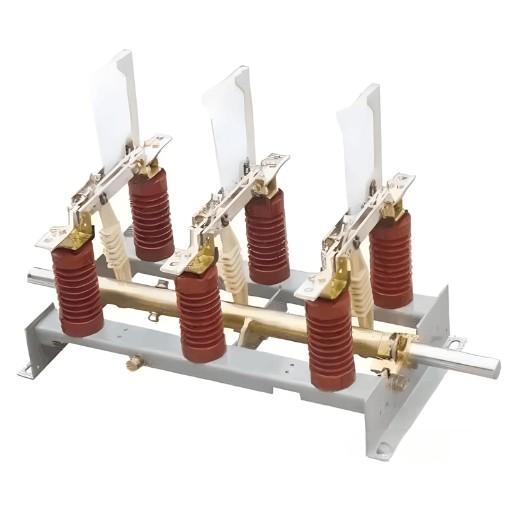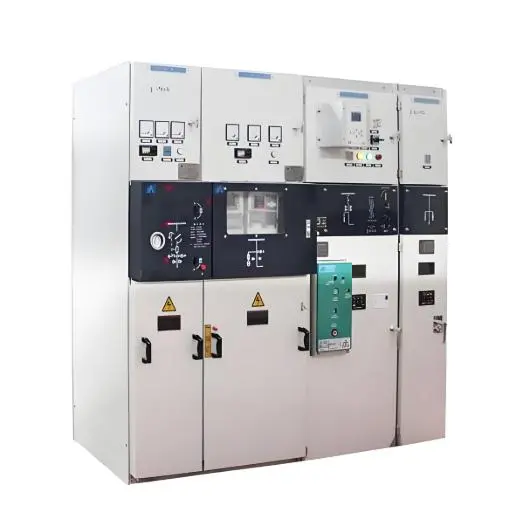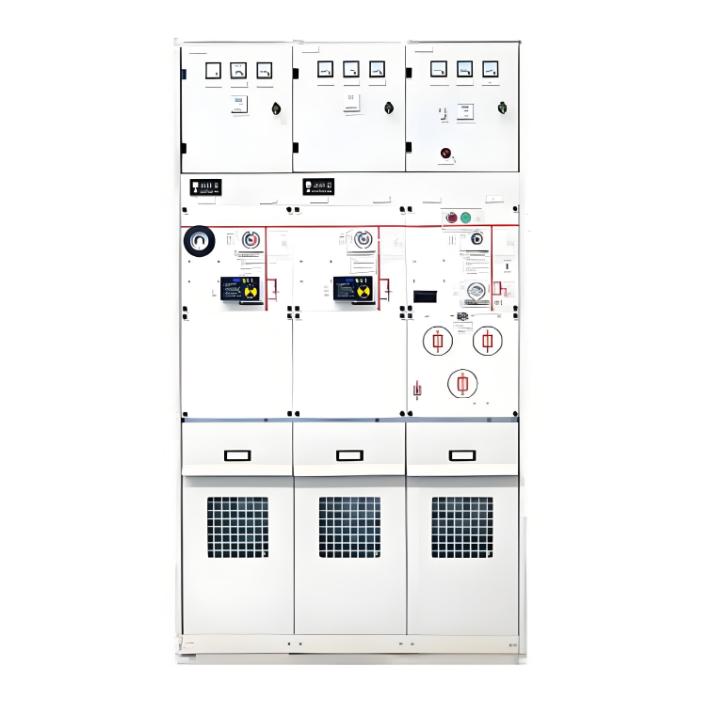
Insulation degradation in power equipment is generally caused by multiple factors. During operation, insulation materials (such as epoxy resin and cable terminations) gradually deteriorate due to thermal, electrical, and mechanical stresses, leading to the formation of voids or cracks. Alternatively, contamination and moisture—such as dust or salt deposition or high-humidity environments—can increase surface conductivity, triggering corona discharge or surface tracking. Additionally, lightning surges, switching overvoltages, or resonant overvoltages may also induce discharges at weak points in the insulation. Furthermore, prolonged operation under heavy load and excessive current can cause conductor heating, accelerating thermal aging of insulation materials.
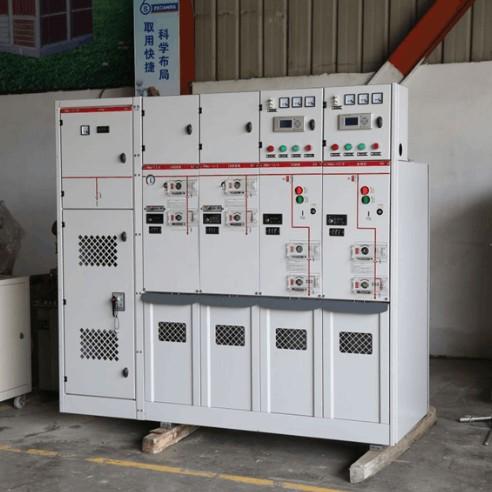
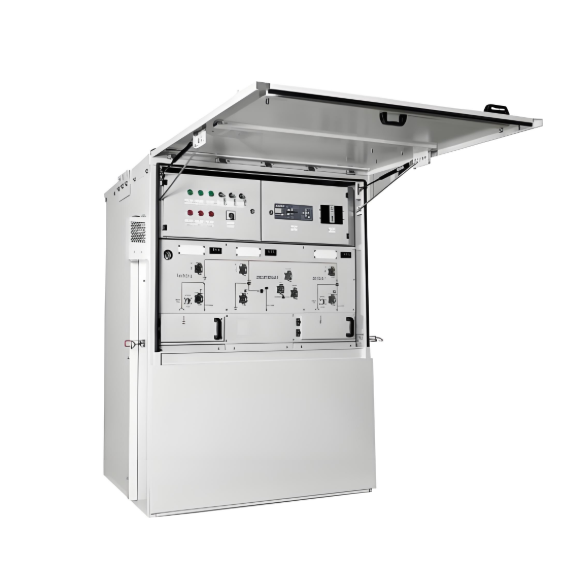
For ring main units (RMUs), these factors are unavoidable during normal operation. In the short term, the energy from partial discharges is relatively low and may not directly cause insulation breakdown, but it can generate electromagnetic interference (e.g., radio frequency interference). However, if left unaddressed, long-term presence of such discharges can lead to more severe consequences: insulation degradation and thermal effects significantly increase system risk, and in extreme cases, partial discharges may evolve into through-puncture breakdown, resulting in equipment failure, localized power outages, or even fire and explosion. Therefore, effective detection and preventive technical measures for partial discharge in RMUs are essential to ensure safe and stable operation.
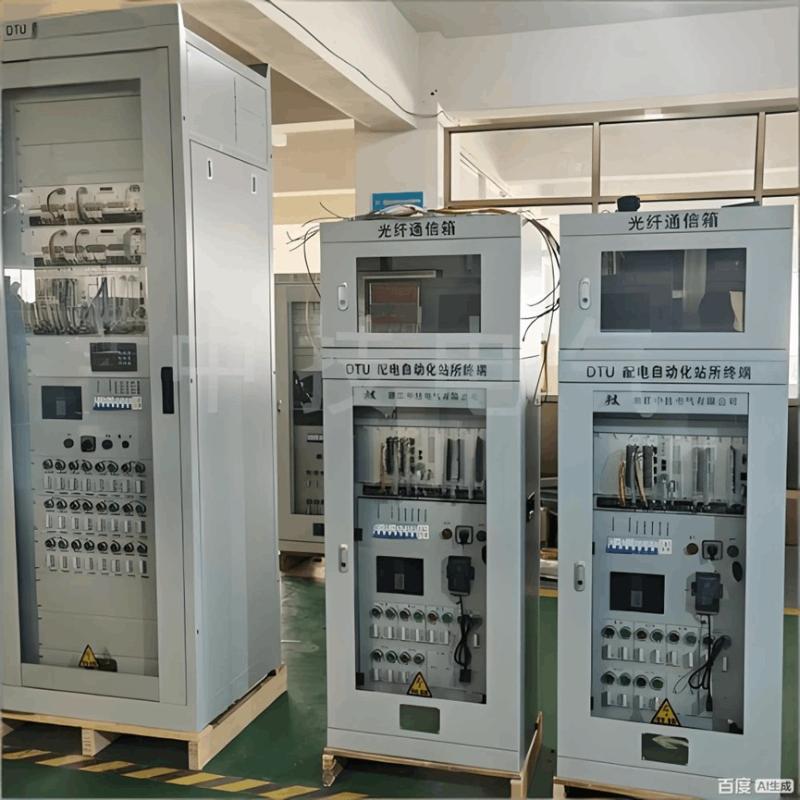
Intelligent monitoring and early warning represent a highly effective technical approach. Online monitoring systems deploy ultra-high frequency (UHF) and acoustic emission (AE) sensors to capture discharge signals in real time. Edge computing is used for filtering and noise reduction, combined with AI algorithms to identify discharge types—such as corona discharge or void discharge—enabling data analysis and diagnosis. A warning mechanism is established by setting thresholds to trigger alarms and locate the discharge source.
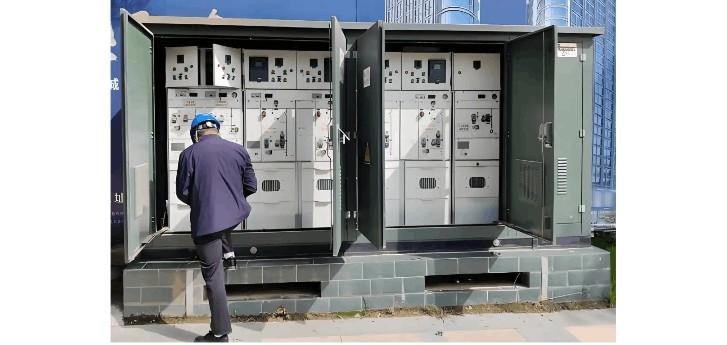
In addition, during operation and maintenance, periodic inspections using portable detectors can check cable joints and busbar connections. Infrared thermography can also be employed to indirectly identify discharge areas through abnormal temperature patterns. Combining UHF, AE, and TEV (Transient Earth Voltage) techniques enables comprehensive diagnosis, significantly improving detection accuracy and reliability.
Partial discharge in ring main units is an early indicator of insulation system degradation. Prevention and control should be implemented through a multi-dimensional protection framework covering equipment design, environmental management, monitoring technology, and maintenance practices. Through environmental control, intelligent monitoring, and regular inspections, the probability of faults caused by partial discharge can be substantially reduced, ensuring the safe and stable operation of the power grid.