Rolinin Karkashin Vacuum Circuit Breakers a Cikin Nau'o'in Substation Da Tatabbacin Faults Masu Yawanci
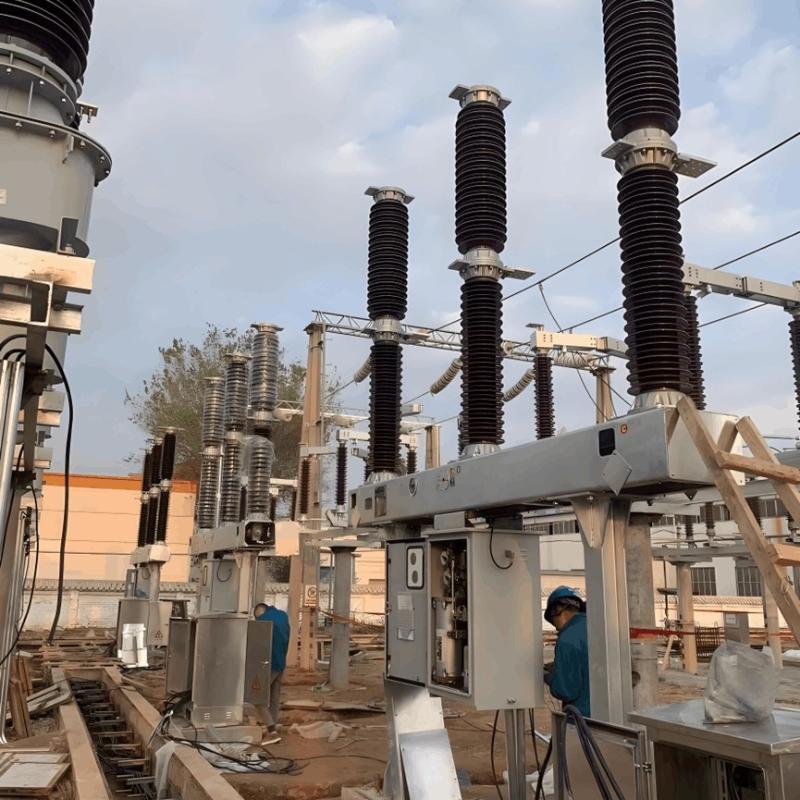
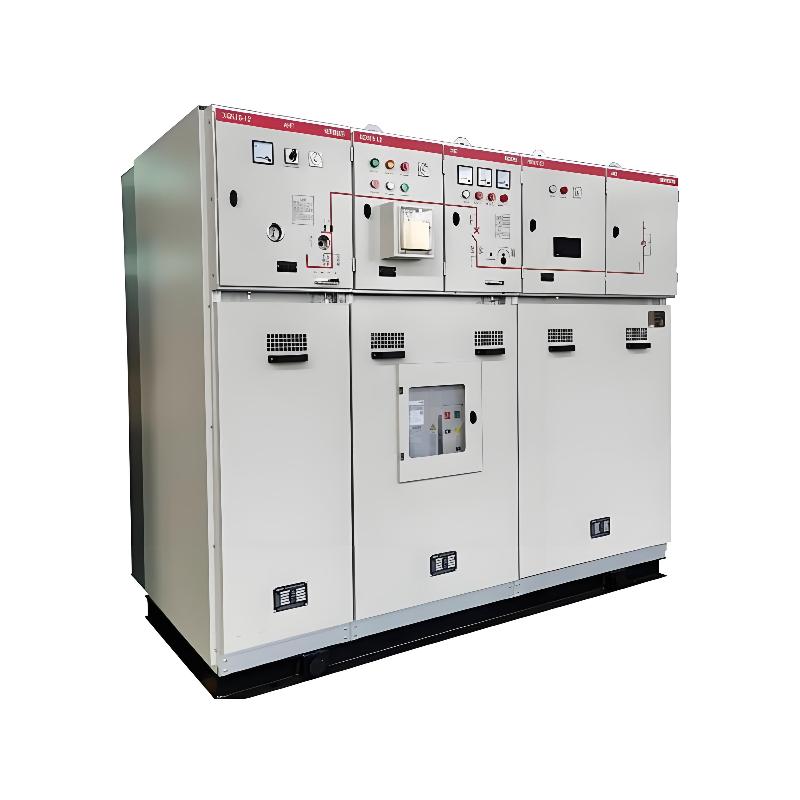
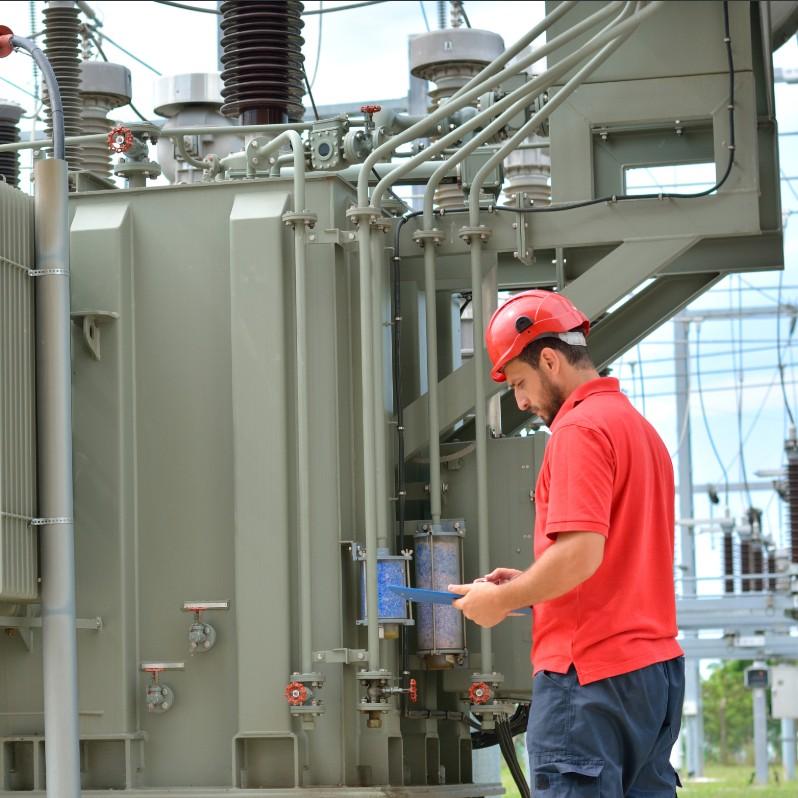
A lokacin da faults na cikin nau'o'in substation yana shafi, vacuum circuit breakers suna taka muhimmiyar rawa mai kafin kama overloads da kuma current-circuit short, zai inganta hanyar da ke tsara da kusa da ido wannan power systems. Ya kamata a yi amfani da kiyaye da yanayin kula-kulan kwaikwayon (MV) vacuum circuit breakers, tatabbaci masu yawan abin da suka faru, kuma yi amfani da hanyoyin korekta masu ma'ana don in taimaka wajen zama karfin nau'o'i, kuma haɗa da fadada masu iya da tattalin arziki.
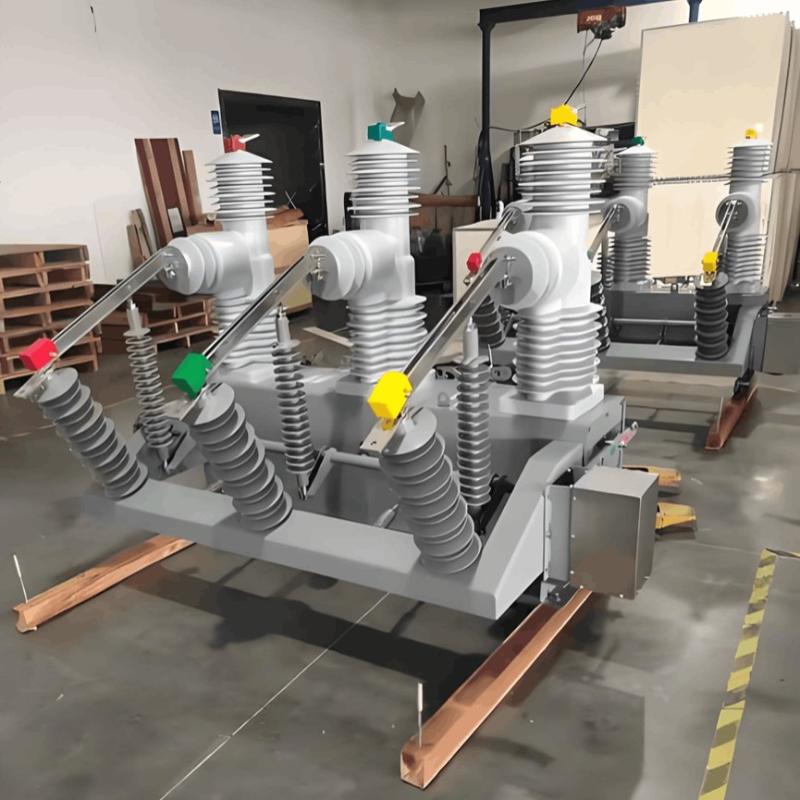
Vacuum circuit breaker yana da siffar kompojenti masu muhimmanci: mekanismi na kula, unit na kama current, electrical control system, insulating support, da base frame.
Mekanismi na kula zai iya kategorizawa a nan: electromagnetic, spring-operated, permanent magnet, pneumatic, da hydraulic types. Daga baya, ana kategorizawa vacuum circuit breakers a cikin integrated, suspended, fully enclosed modular, pedestal-mounted, ko floor-standing types, saboda hakan na musamman ya nuna yadda mekanismi na kula ta fi interrupter.
Vacuum interrupter shine kompojenti na mukamai wanda ke taimaka wajen kula da vacuum circuit breaker. Yana da insulating envelope, shield, bellows, conductive rod, moving and fixed contacts, da end caps.
Don in samun yadda ake kama arc da take, yana bukatar ake ci gaba da vacuum a nan—yana da pressure da yake ƙarin 1.33×10⁻² Pa. An yi takarda a matsayin materials, manufacturing processes, structure, size, da performance na vacuum interrupters.
Insulating envelope yana da mummunan alumina ceramic ko glass. Ceramic envelopes suna da mechanical strength da thermal stability da suka fi ƙarin, da kuma an yi amfani da su a fili. Moving contact yana cika a ƙarshen, ta hankali da conductive rod. A guide sleeve yana taimaka wajen sauka da movement vertical da take da dukkan.
Don in yanayin wear contact, ake yi dot marker a gwargwadon interrupter. Idan ake biyan displacement ta relative to the lower end, za a iya yanayin degree da contact erosion ya yi.
Current path da kuma arc interruption suna faru a contact gap bayan moving and fixed contacts. Metallic components suna da support da sealing daga insulating envelope, wanda ake weld da shield, contacts, da wasu metal parts don in ci gaba da vacuum integrity.
Stainless-steel shield, electrically floating da take surround contacts, yana da muhimmiyar rawa: a lokacin da ake kama current, ita ce take capture metal vapor daga arc, domin in ba ake deposition a insulator kuma in ci gaba da internal insulation strength.
Loss of vacuum shine fault na muhimmiyar amma ba ake biyan daidai. Ba da shiga quantitative ko qualitative vacuum monitoring equipment, tushen diagnosis yana zama abin da ba ake magance.
Degradation vacuum yana ƙara zamanin breaker, yana ƙara current interruption capability, kuma zai iya jan hanyar catastrophic failure ko explosion. Sabbin abubuwa sun hada da:
Poor mechanical characteristics kamar excessive overtravel, contact bounce, ko phase asynchrony.
Excessive linkage travel during operation.
Manufacturing defects a cikin vacuum bottle (e.g., poor sealing ko material flaws).
Leakage a cikin bellows saboda fatigue ko damage.
Many vacuum breakers sun amfani da composite insulation, embedding the interrupter in an epoxy resin housing. Amma, idan high-voltage parts ba ake full encapsulated, environmental factors zai iya compromise insulation.
Heat generated during operation can further degrade insulation performance, increasing failure risk.
Prolonged contact bounce during closing and asynchronous opening/closing can result from:
Substandard mechanical performance of the breaker.
Defective insulating pull rods or support structures.
Misalignment between the contact plane and the breaker’s central axis.
After closing, the spring mechanism may fail to fully store energy due to:
Premature disconnection of the storage circuit caused by improper limit switch settings.
Gear slippage due to severe wear.
Aging of the storage motor.
High spring tension causing incomplete shaft travel.
Contact deformation: Soft contact materials can deform after repeated operations, leading to poor contact and phase loss.
Trip failure: Caused by insufficient trip latch engagement, pin slippage, low trip voltage, or poor auxiliary switch contact.
Close failure: Results from low closing voltage, deformed linkage plates, incorrect latch dimensions, wiring errors, or poor auxiliary switch contact.
Regular inspection of the vacuum bottle is essential. Use a vacuum tester for quantitative measurement or perform withstand voltage tests for qualitative assessment. If vacuum loss is detected, replace the interrupter and retest travel, synchronization, and bounce to ensure compliance.
Apply APG (Automated Pressure Gelation) technology and solid-sealed pole columns to encapsulate the interrupter and output terminals. This reduces size and shields against environmental effects.
Regularly test insulation performance and predict insulation lifespan using specialized equipment. Follow strict installation, commissioning, and maintenance procedures to prevent human error. Clean and inspect insulators and pull rods regularly to prevent dust-related failures.
Insert a flat washer between the insulating pull rod and transmission lever to reduce contact bounce. Adjust the vertical alignment of the contact end face to minimize bounce.
For asynchronous operation, use a switch characteristic tester to measure closing bounce time, three-phase operation times, and phase synchronization. Based on results, adjust the pull rod length within specified travel and overtravel limits to achieve synchronization.
Replace aging storage motors.
Improve assembly precision of tripping and interlocking components.
Enhance heat treatment of storage gears to prevent wear and slippage.
Enhance control circuit reliability by securing auxiliary switch contacts and optimizing linkage mechanisms to prevent deformation or misalignment. Ensure reliable wiring connections.
Maintain a clean operating environment and lubricate moving parts to prevent rust and contamination-induced failures.
For closing circuit faults, inspect the base-mounted auxiliary switch. Use a multimeter to check continuity at the secondary plug. If the plug is open, test continuity between the auxiliary switch terminals and the plug to locate the fault.
In summary, to ensure reliable operation of vacuum circuit breakers, enterprises and personnel must identify root causes of common faults—such as vacuum loss, insulation failure, contact bounce, spring storage issues, and maloperation—and implement effective preventive and corrective measures. Proactive maintenance and technical optimization are key to minimizing failures and enhancing the safety, efficiency, and longevity of substation systems.