Ang Papeles sa Vacuum Circuit Breakers sa mga Substation System ug Common Fault Analysis
Kung ang mga fault sa substation system nagsugyot, ang vacuum circuit breakers nagpahayag og kritikal nga proteksyon pinaagi sa pag-interrupt sa overloads ug short-circuit currents, sigurado ug stable nga operasyon sa power systems. Dili mahimong paghigdaon ang routine inspection ug maintenance sa medium-voltage (MV) vacuum circuit breakers, analisis sa common failure causes, ug implementasyon sa epektibong corrective measures aron mapataas ang reliability sa substation, samtang naghatag og mas dako nga ekonomiko ug sosyal nga benefits.
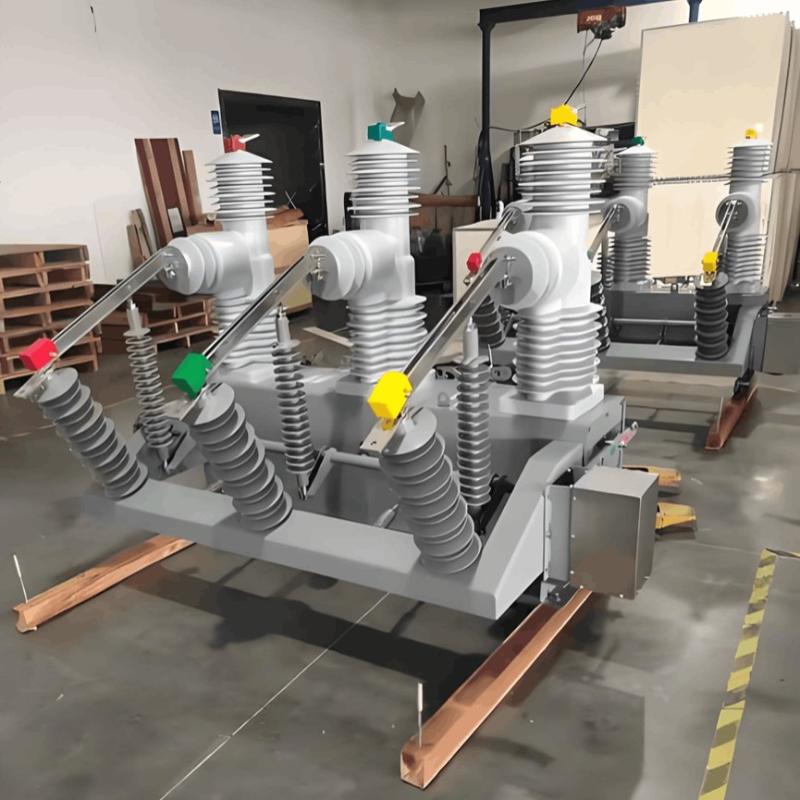
Ang vacuum circuit breaker kasagaran gisusunod sa mga key components: operating mechanism, current interruption unit, electrical control system, insulating support, ug base frame.
Ang operating mechanisms mahimong electromagnetic, spring-operated, permanent magnet, pneumatic, o hydraulic types. Batasan sa relative position sa operating mechanism ug interrupter, ang vacuum circuit breakers gitikang integrated, suspended, fully enclosed modular, pedestal-mounted, o floor-standing types.
Ang vacuum interrupter ang core component nga nag-enable sa maayo nga operasyon sa vacuum circuit breaker. Ito gi-constitute sa insulating envelope, shield, bellows, conductive rod, moving ug fixed contacts, ug end caps.
Arong mapreserva ang effective arc quenching, ang internal vacuum kinahanglan mapreserva—kasagaran sa pressure below 1.33×10⁻² Pa. Nagsulay na ang significant advancements sa materials, manufacturing processes, structure, size, ug performance sa vacuum interrupters.
Ang insulating envelope kasagaran gihimo sa alumina ceramic o glass. Ang ceramic envelopes naghatag og superior mechanical strength ug thermal stability ug kasagaran napakilala. Ang moving contact nahimutang sa ilalum, konektado sa conductive rod. Ang guide sleeve nag-ensure sa precise ug smooth vertical movement.
Arong monitor ang contact wear, ang dot marker gigamit sa outer surface sa interrupter. Pinaagi sa observation sa displacement niining marker sa relasyon sa lower end, ang degree sa contact erosion mahatagan og estimate.
Ang current path ug arc interruption nagsugyot sa contact gap tali sa moving ug fixed contacts. Ang metallic components gin-support ug sealed sa insulating envelope, weld sa shield, contacts, ug uban pang metal parts aron mapreserva ang vacuum integrity.
Ang stainless-steel shield, electrically floating ug surrounding the contacts, nagpahayag og vital role: sa panahon sa current interruption, iya nakuha ang metal vapor gikan sa arc, preventing deposition sa insulator ug preserving internal insulation strength.
Ang loss of vacuum usa ka critical apan kasagaran undetected fault. Daghan nga installations walay quantitative o qualitative vacuum monitoring equipment, complicating diagnosis.
Ang vacuum degradation mabawasan ang breaker lifespan, impair ang current interruption capability, ug mahimong magresulta sa catastrophic failure o explosion. Ang mga cause include:
Poor mechanical characteristics sama sa excessive overtravel, contact bounce, o phase asynchrony.
Excessive linkage travel during operation.
Manufacturing defects sa vacuum bottle (e.g., poor sealing o material flaws).
Leakage sa bellows tungod sa fatigue o damage.
Daghan nga vacuum breakers gigamit sa composite insulation, embedding the interrupter sa epoxy resin housing. Apan, kon ang high-voltage parts wala fully encapsulated, ang environmental factors mahimong kompromiso sa insulation.
Ang heat generated during operation mahimong pa degradar sa insulation performance, increasing failure risk.
Ang prolonged contact bounce during closing ug asynchronous opening/closing mahimong resulta sa:
Substandard mechanical performance sa breaker.
Defective insulating pull rods o support structures.
Misalignment tali sa contact plane ug central axis sa breaker.
Human closing, ang spring mechanism mahimong fail sa full energy storage tungod sa:
Premature disconnection sa storage circuit tungod sa improper limit switch settings.
Gear slippage tungod sa severe wear.
Aging sa storage motor.
High spring tension causing incomplete shaft travel.
Contact deformation: Soft contact materials mahimong deform after repeated operations, leading to poor contact ug phase loss.
Trip failure: Caused by insufficient trip latch engagement, pin slippage, low trip voltage, o poor auxiliary switch contact.
Close failure: Results from low closing voltage, deformed linkage plates, incorrect latch dimensions, wiring errors, o poor auxiliary switch contact.
Regular inspection sa vacuum bottle importante. Gamiton ang vacuum tester para sa quantitative measurement o perform withstand voltage tests para sa qualitative assessment. Kon vacuum loss detected, replace the interrupter ug retest travel, synchronization, ug bounce aron ensure compliance.
Apply APG (Automated Pressure Gelation) technology ug solid-sealed pole columns aron encapsulate the interrupter ug output terminals. Kini mabawasan ang size ug shields against environmental effects.
Regularly test insulation performance ug predict insulation lifespan using specialized equipment. Follow strict installation, commissioning, ug maintenance procedures aron prevent human error. Clean ug inspect insulators ug pull rods regularly aron prevent dust-related failures.
Insert a flat washer tali sa insulating pull rod ug transmission lever aron reduce contact bounce. Adjust the vertical alignment sa contact end face aron minimize bounce.
Para sa asynchronous operation, gamiton ang switch characteristic tester aron measure closing bounce time, three-phase operation times, ug phase synchronization. Based on results, adjust the pull rod length within specified travel ug overtravel limits aron achieve synchronization.
Replace aging storage motors.
Improve assembly precision sa tripping ug interlocking components.
Enhance heat treatment sa storage gears aron prevent wear ug slippage.
Enhance control circuit reliability pinaagi sa securing auxiliary switch contacts ug optimizing linkage mechanisms aron prevent deformation o misalignment. Ensure reliable wiring connections.
Maintain a clean operating environment ug lubricate moving parts aron prevent rust ug contamination-induced failures.
Para sa closing circuit faults, inspect the base-mounted auxiliary switch. Use a multimeter aron check continuity sa secondary plug. Kon open ang plug, test continuity tali sa auxiliary switch terminals ug plug aron locate the fault.
In summary, aron ensure reliable operation sa vacuum circuit breakers, enterprises ug personnel kinahanglan identify root causes sa common faults—such as vacuum loss, insulation failure, contact bounce, spring storage issues, ug maloperation—and implement effective preventive ug corrective measures. Proactive maintenance ug technical optimization kay key aron minimize failures ug enhance the safety, efficiency, ug longevity sa substation systems.