| Brand | MV Switchgear Accessories |
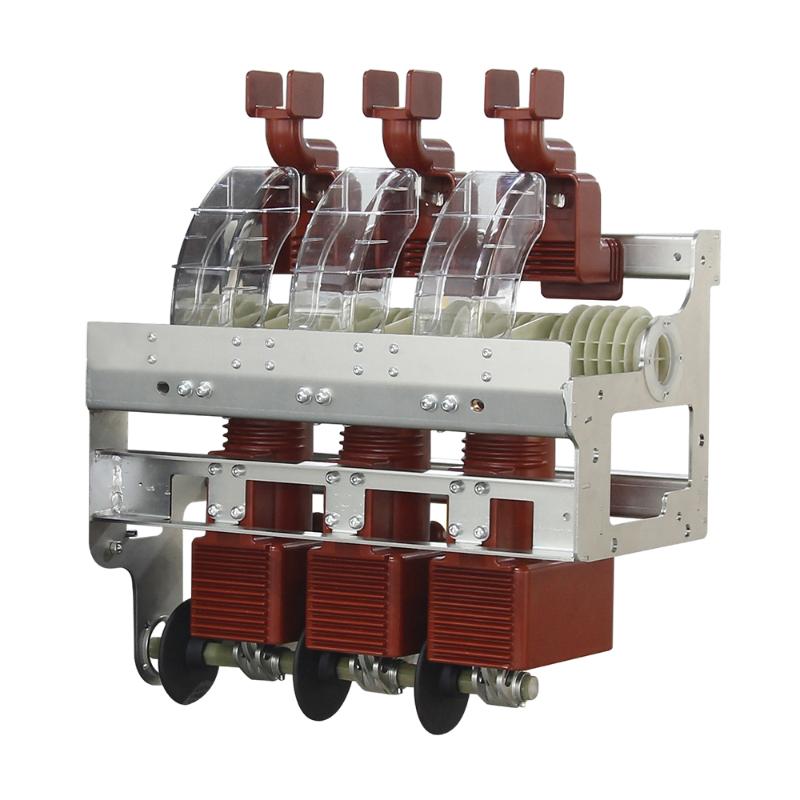
| Model NO. | 12kV environmentally friendly fully sealed (air insulated without SF6 gas) upper isolation circuit breaker switch |
| Rated voltage | 12kV |
| Rated normal current | 630A |
| Rated short circuit breaking current | 25kA |
| Series | KHV-12 |
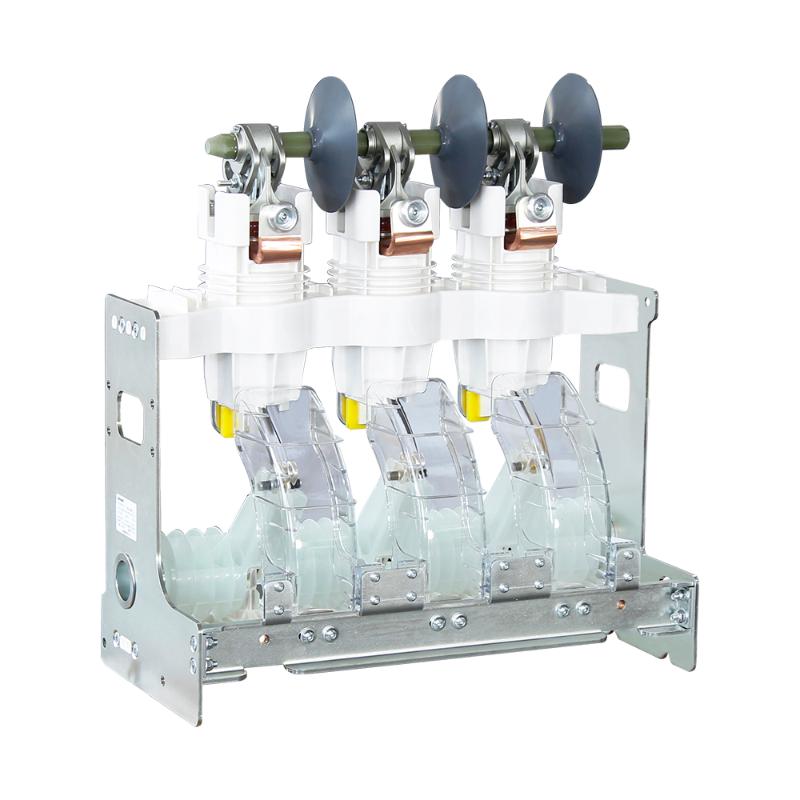
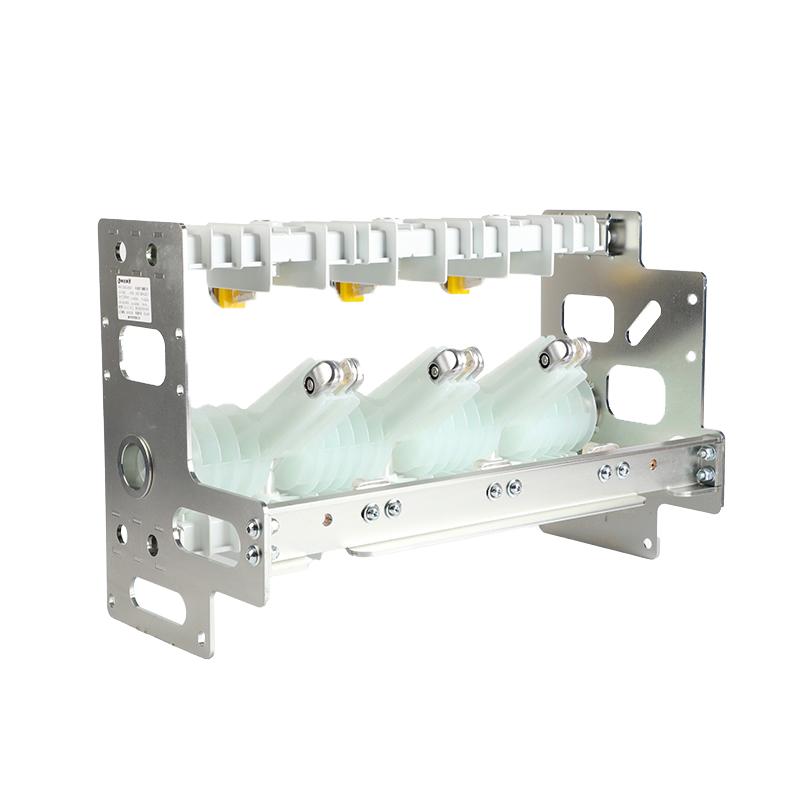
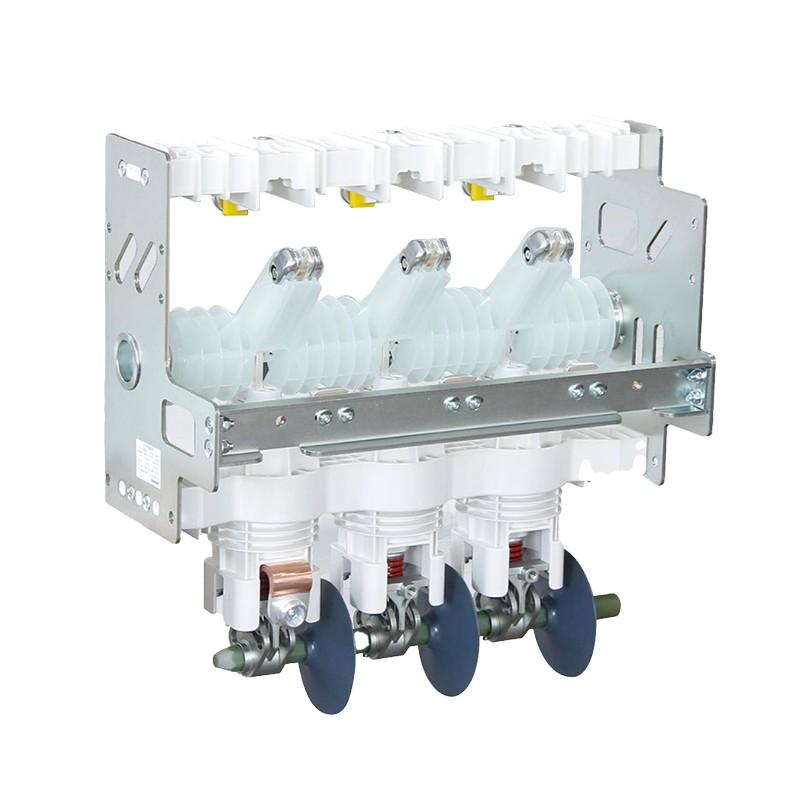
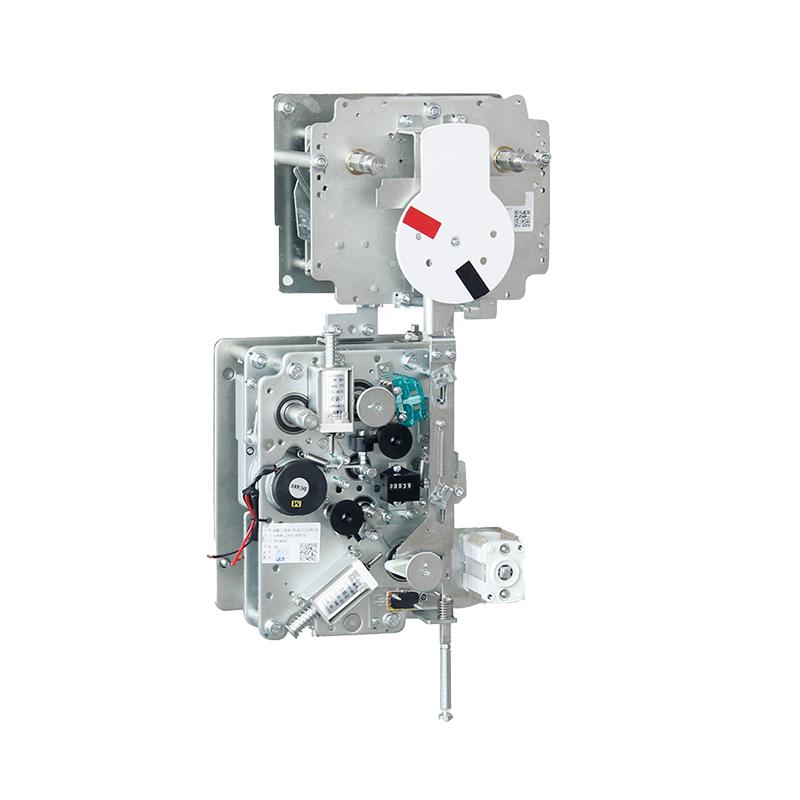
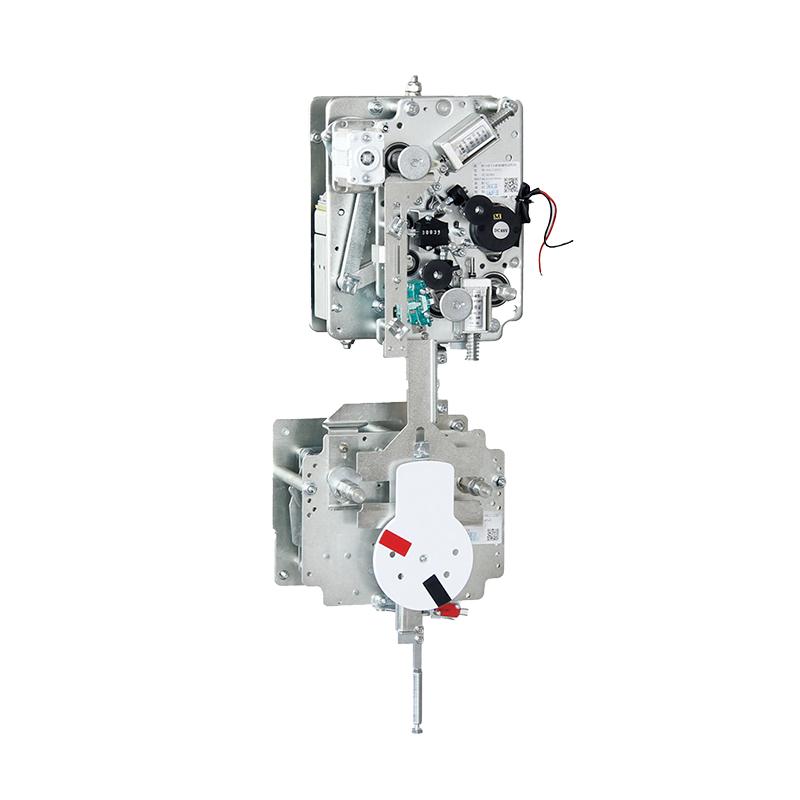
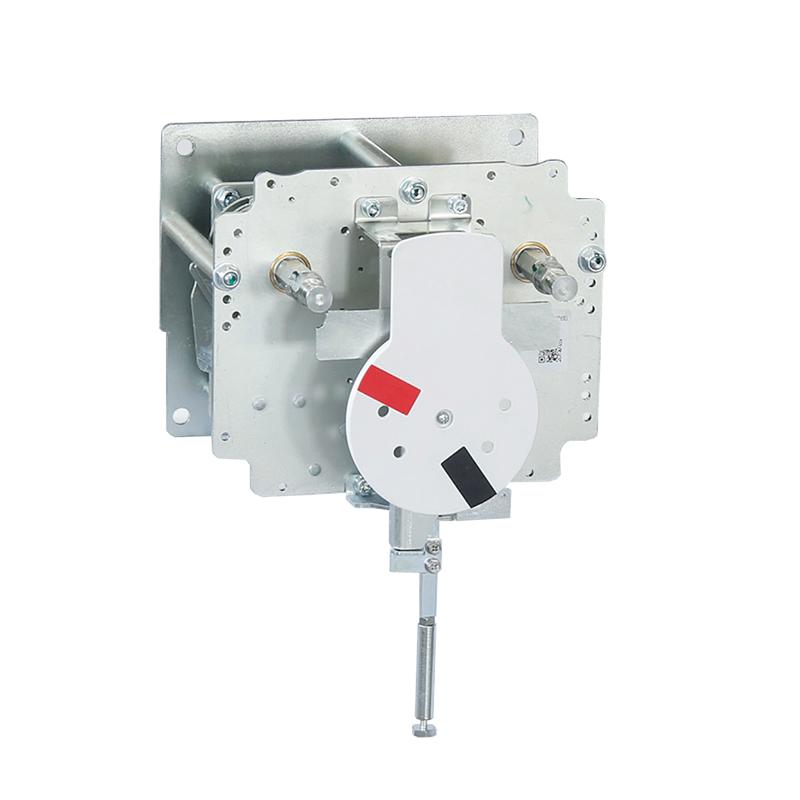
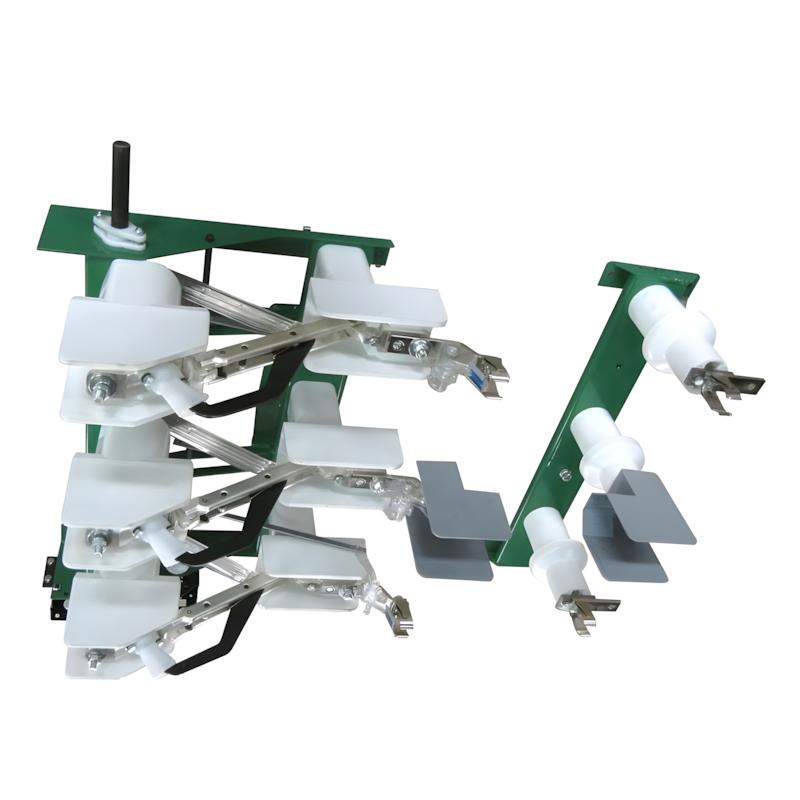
This series of Environmentally friendly gas cabinet insulated switches uses epoxy resin to inject pressure packaging into the three-phase vacuum arc extinguishing chamber. Epoxy resin is a widely used insulation material in the industry, and due to its excellent insulation performance and high material stability, it has been widely used in the electrical industry. The insulation medium of the switch in the high-voltage cabinet is zero grade dry air or 99.99% pure N gas that complies with GB/T8979-2008. The main circuit arc extinguishing system of the switch body is encapsulated in the pole, and there is a busbar overlap surface at the upper end of the static knife, which is very convenient for busbar overlap. This series of switches is matched with the operating mechanism independently produced by the company. The whole cabinet application has a complete mechanism interlocking function, and the operating mechanism meets the five prevention requirements of the power distribution system. It can also expand the installation program lock, lock, flexibly configure secondary auxiliary and customize special application solutions for different projects.
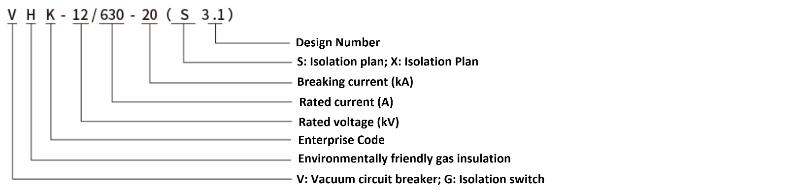
Model description
|
Serial Number |
Item |
Unit |
Parameter |
Remark |
|
1 |
Rated Voltage |
kV |
12 |
|
|
2 |
Rated Current |
A |
630 |
|
|
3 |
Rated Breaking Current / Thermal Stability Time |
kA/s |
20/4; 25/3 |
|
|
4 |
Rated Peak Withstand Current |
kA |
50/63 |
|
|
5 |
Rated Short-circuit Making Current |
kA |
50/63 |
|
|
6 |
Short-circuit Making Times |
times |
30 |
|
|
7 |
Power Frequency Withstand Voltage: Phase-to-Ground / Phase-to-Phase |
kV |
42 |
In Dry Air or N₂ |
|
8 |
Power Frequency Withstand Voltage: Break |
kV |
48 |
In Dry Air or N₂ |
|
9 |
Lightning Impulse: Phase-to-Ground / Phase-to-Phase |
kV |
75 |
In Dry Air or N₂ |
|
10 |
Lightning Impulse: Break |
kV |
85 |
In Dry Air or N₂ |
|
11 |
Main Circuit Resistance |
μΩ |
≤60 |
Vacuum Arc Extinguishing Chamber + Disconnector |
|
12 |
Mechanical Life of Arc Extinguishing Chamber |
times |
10000 |
|
|
13 |
Mechanical Life of Isolation / Earthing Switch |
times |
5000 |
|
|
14 |
Gas Tank Pressure |
bar |
1.25 |
|
Installation dimensions
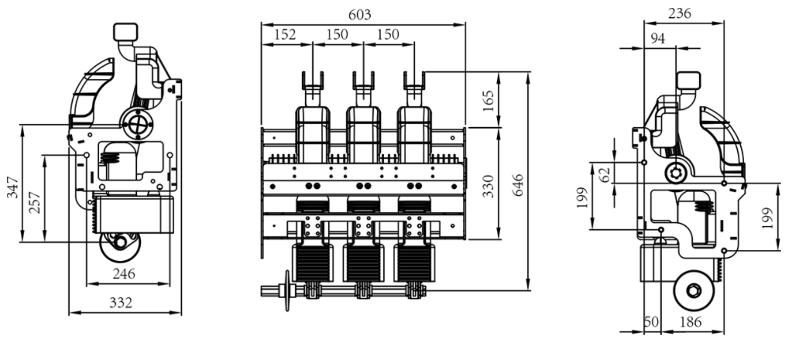
It is an integrated electrical component installed on the upper part of SF6-free air-insulated eco-cabinets, combining the functions of an isolation switch and a circuit breaker. Its core functions include three aspects: ① Dual protection & isolation: It can cut off normal load current and short-circuit fault current, and create a visible insulation gap after opening to ensure maintenance safety; ② Safety interlocking: It realizes mechanical interlock with cabinet doors, earthing switches and main busbars to avoid misoperations such as live isolation and closing with earthing; ③ Environmental compliance: Adopts air insulation without SF6 gas, avoiding greenhouse effect and toxic decomposition products, in line with global low-carbon policies. It is widely used in 10kV/12kV medium-voltage distribution systems such as substations and industrial parks.
The matching is based on environmental protection requirements and structural compatibility with two core reasons: ① Environmental protection matching: It adopts air insulation design, which is completely consistent with the "SF6-free" core attribute of eco-cabinets, avoiding policy risks of SF6 restriction; ② Structural compatibility: The top-mounted installation position is close to the main busbar of the eco-cabinet, shortening the busbar connection length, reducing power loss and improving operation stability; ③ Maintenance convenience: The upper installation position is easy to access, reducing the difficulty of on-site maintenance and shortening maintenance time. For 10kV/12kV medium-voltage systems, the air insulation gap (≥125mm) can fully meet the insulation requirements