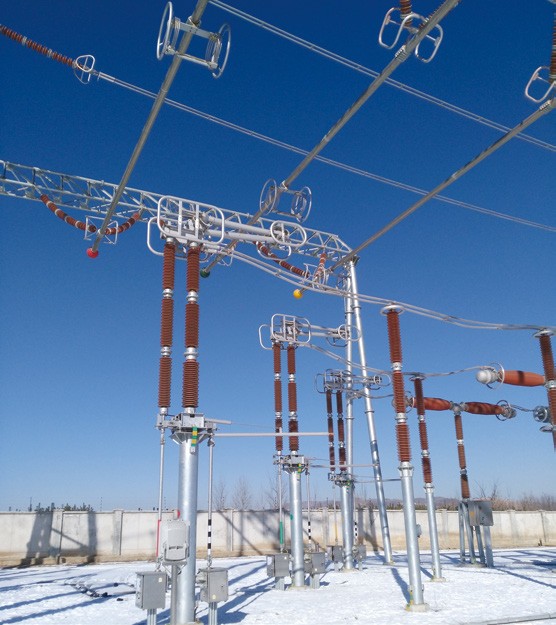
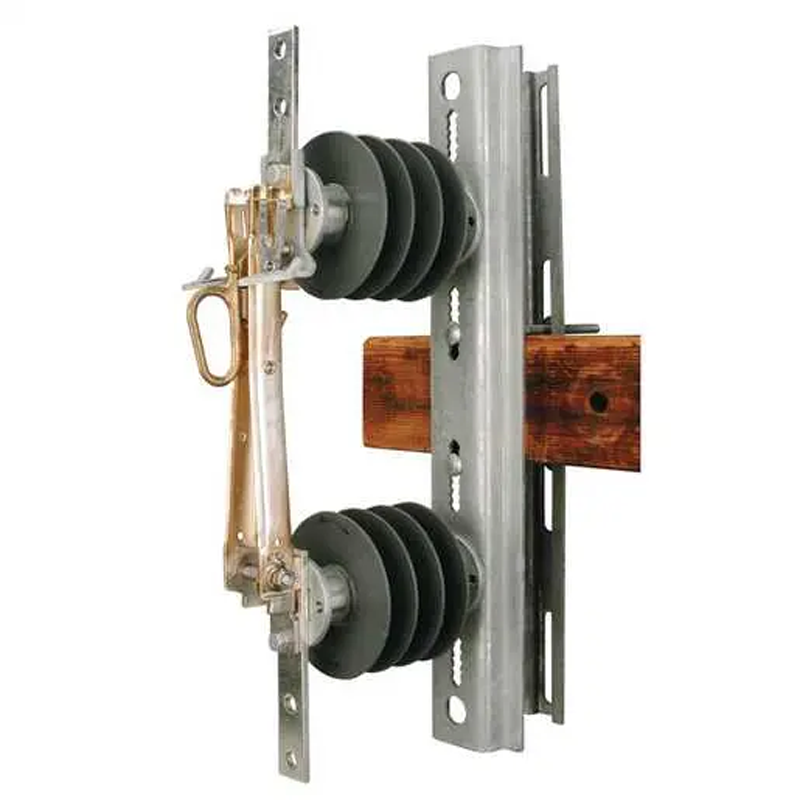
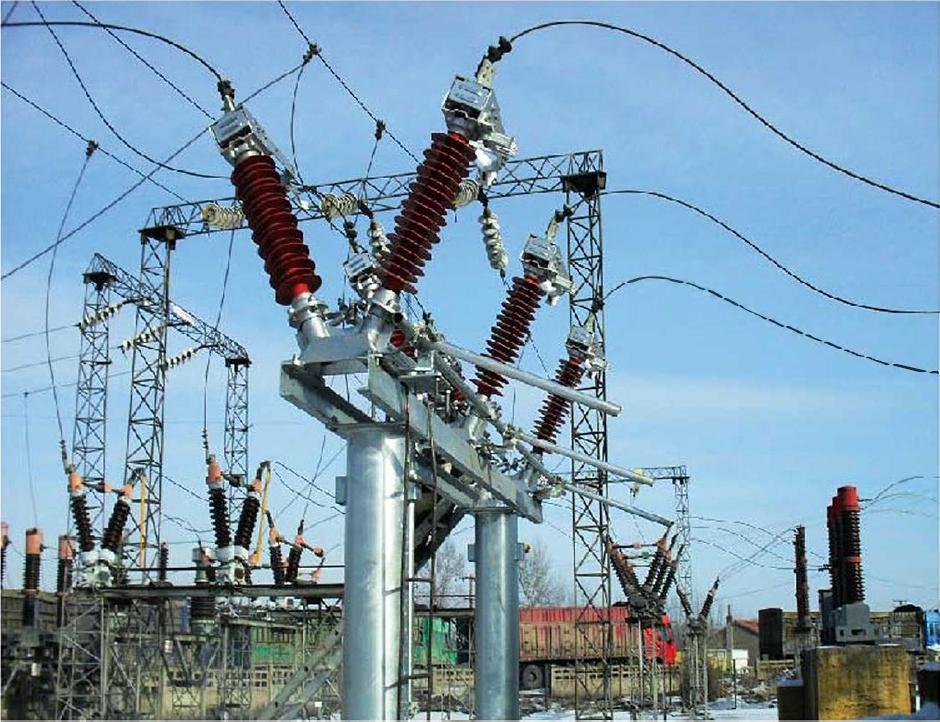
Improved Interlock Wiring for Isolator Safety

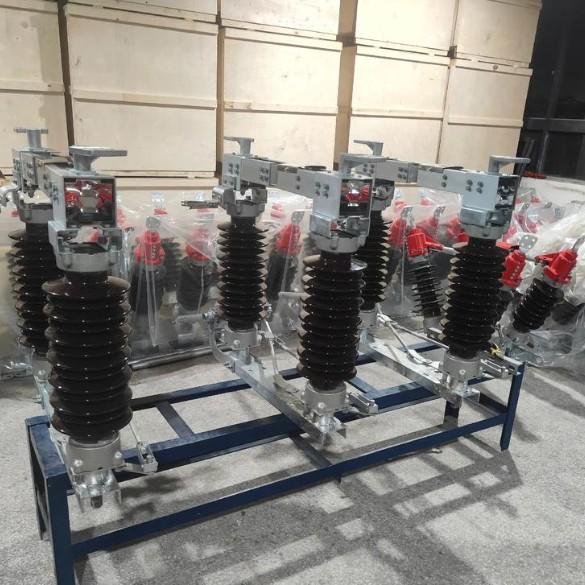
Interlocking the disconnector (isolator) control wiring with its associated circuit breaker can effectively prevent the inadvertent opening or closing of the disconnector under load. However, during operations involving bus-side and line-side disconnectors, human error may lead to an incorrect sequence of operations—an action strictly prohibited by switching principles and a known cause of power system accidents.
To prevent such sequence errors, for substations and power plants that do not employ coded mechanical interlock (program lock) anti-misoperation systems, modifying the existing disconnector control wiring offers an effective solution to avoid misoperations and reduce unnecessary incidents.
1.Principle of Improved Disconnector Control and Interlocking Circuit
Auxiliary contacts of the disconnectors are inserted into their respective control and interlocking circuits: specifically, a normally closed (NC) auxiliary contact of the line-side disconnector is wired in series with the control circuit of the bus-side disconnector, while a normally open (NO) auxiliary contact of the bus-side disconnector is wired in series with the control circuit of the line-side disconnector.
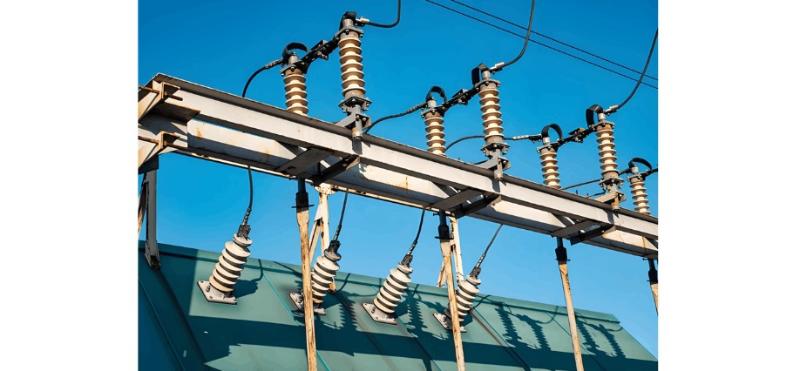
2.Disconnector Interlocking Wiring Using Electromagnetic Locks (Anti-Misoperation)
This improved wiring not only prevents load operations on disconnectors but also enforces compliance with established switching sequences, thereby eliminating violations of operational procedures.
During de-energization: After opening the circuit breaker, the line-side disconnector must be opened first; only then can the bus-side disconnector be opened.
During re-energization: With the circuit breaker in the open position, the bus-side disconnector must be closed first; only then can the line-side disconnector be closed.
3.Advantages of the Improved Wiring Scheme
The modified wiring retains all benefits of the original disconnector control circuit while primarily ensuring strict adherence to switching sequence rules, significantly reducing the risk of human-induced errors and associated accidents.
The design is simple, reliable, and cost-effective. It is suitable for disconnector control circuits employing electromagnetic anti-misoperation locks, as well as those using pneumatic, electric, or electro-hydraulic operating mechanisms.
In installations without coded program-lock anti-misoperation systems, this wiring effectively functions as a "soft" program lock, providing equivalent procedural enforcement through electrical interlocking.