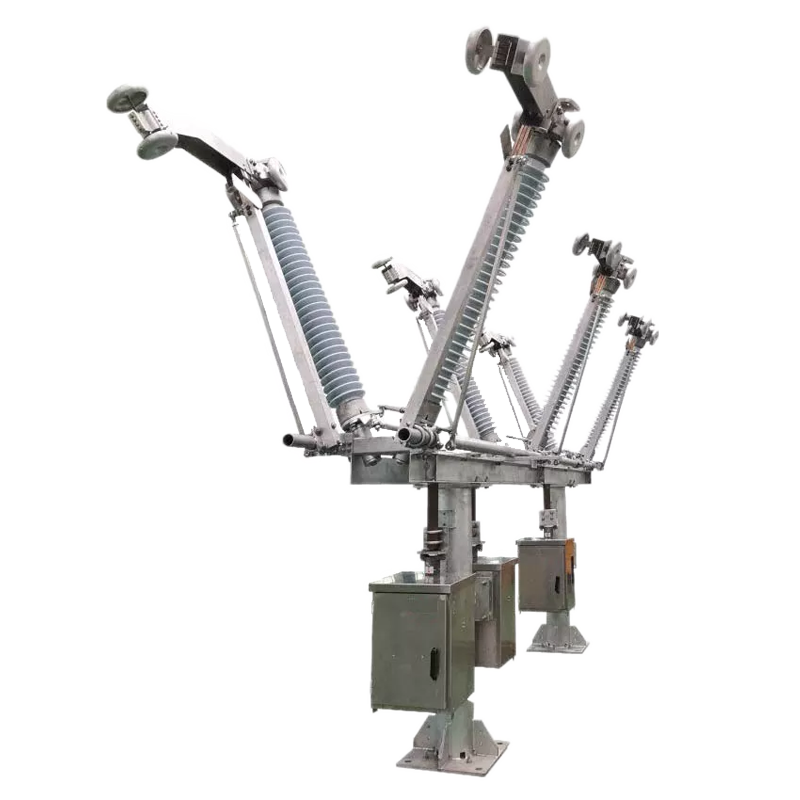
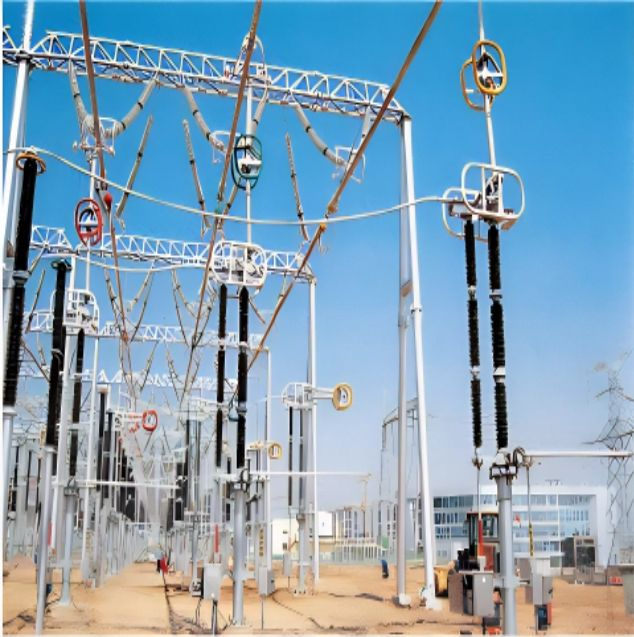
36kV Disconnect Switch Selection Guide & Key Parameters

Selection Guidelines for 36 kV Disconnect Switches
When selecting the rated voltage, ensure that the disconnect switch’s rated voltage is equal to or higher than the nominal voltage of the power system at the installation point. For example, in a typical 36 kV power network, the disconnect switch must have a rated voltage of at least 36 kV.
For rated current, selection should be based on the actual long-term load current. Generally, the switch’s rated current must be no less than the maximum continuous operating current passing through it. In large industrial facilities with high load currents, precise load calculations are essential.
Dynamic stability verification must account for short-circuit peak (or impulse) current. A 36 kV disconnect switch must withstand the electrodynamic forces generated by this current without deformation or mechanical damage. The magnitude of the short-circuit peak current can be calculated based on factors such as the location of the fault.Thermal stability verification is equally critical. The switch must ensure that all components remain below allowable temperature limits when subjected to short-circuit current. This requires validation based on parameters such as short-circuit duration and current magnitude.

Opening and closing times vary by application. For instance, in systems integrated with fast-acting protective devices where operation speed is critical, the disconnect switch’s operating time must be precisely controlled within specified limits.
The contact resistance of the 36 kV disconnect switch must comply with relevant standards. Excessive contact resistance can cause overheating during operation. Typically, contact resistance should be in the micro-ohm (µΩ) range and verified using specialized measurement instruments.
Insulation performance is crucial. The switch must meet the insulation requirements of its installation environment. In humid or electromagnetically harsh conditions, the insulation materials and structure must provide robust performance to prevent dielectric breakdown.
Mechanical life is another key selection criterion. The required number of mechanical operations should match the expected usage frequency. For example, disconnect switches installed in frequently operated switchgear should offer a mechanical life rating that meets or exceeds the specified number of operations.
Operating force must be suitable for manual or actuated operation. Excessively high operating force hinders routine use. While exact values depend on the specific model and size, manufacturers typically define a reasonable operating force range.
Finally, material selection is vital. Conductive parts are usually made of high-conductivity materials such as copper or aluminum alloys to minimize resistance, enhance conductivity, and ensure efficient, stable power transmission.