• Product
  • Suppliers
  • Manufacturers
  • Solutions
  • Free tools
  • Knowledges
  • Experts
  • Communities
Search


Free Expert Guides on Power Systems, Circuit Design & Electrical Troubleshooting

Access free engineering resources from IEE Business—covering power design, circuit layout, equipment selection, and troubleshooting. Expert-developed guides help engineers, procurement, and project teams make better decisions. Stay ahead on smart grids, renewables, efficiency, and AI tools. Improve reliability, reduce downtime, and enhance outcomes with real-world solutions. Explore our knowledge hub today.
PT Fuse Slow Blow: Causes, Detection & Prevention
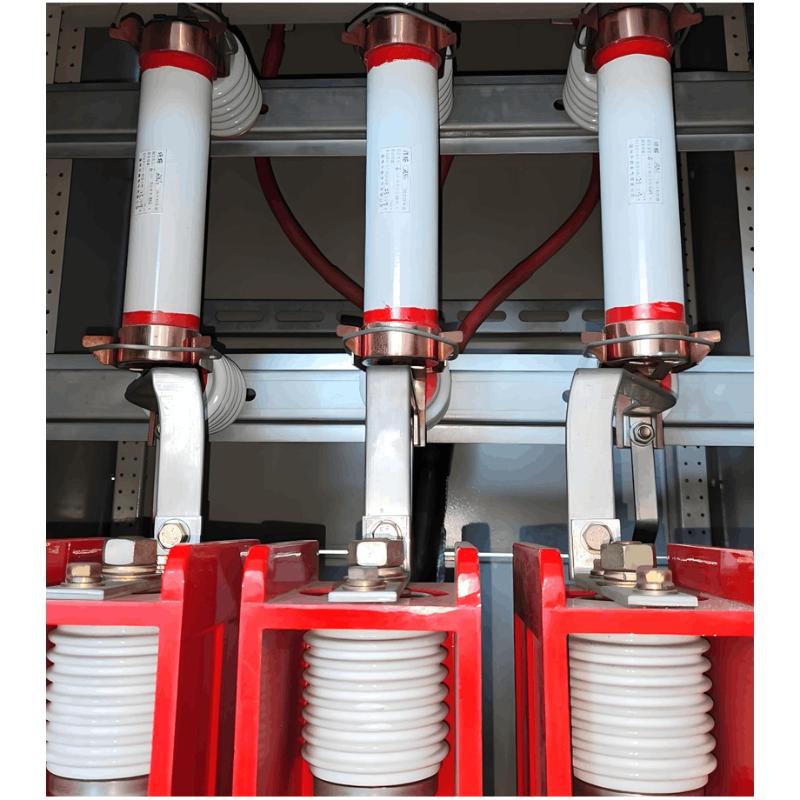
I. Fuse Structure and Root Cause AnalysisSlow Fuse Blowing:From the design principle of fuses, when a large fault current passes through the fuse element, due to the metal effect (certain refractory metals become fusible under specific alloy conditions), the fuse first melts at the soldered tin ball. The arc then rapidly vaporizes the entire fuse element. The resulting arc is quickly extinguished by quartz sand.However, due to harsh operating environments, the fuse element may age under the comb
10/24/2025
Consult
Tip
Consult
Tip
Why Fuses Blow: Overload, Short Circuit & Surge Causes
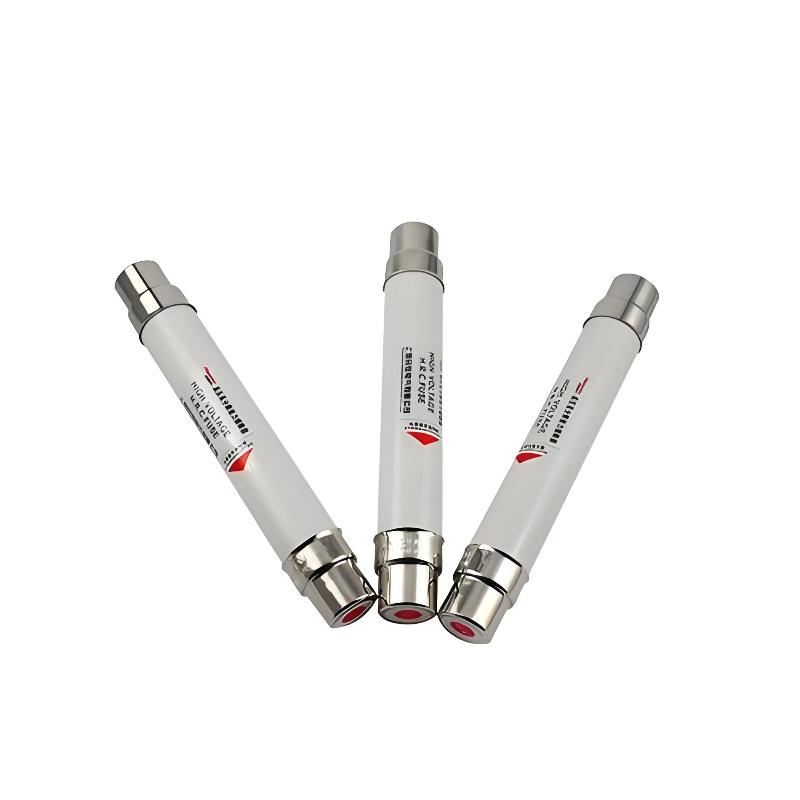
Common Causes of Fuse BlowingCommon reasons for fuse blowing include voltage fluctuations, short circuits, lightning strikes during storms, and current overloads. These conditions can easily cause the fuse element to melt.A fuse is an electrical device that interrupts the circuit by melting its fusible element due to heat generated when current exceeds a specified value. It operates on the principle that, after an overcurrent persists for a certain period, the heat produced by the current melts
10/24/2025
Consult
Tip
Consult
Tip
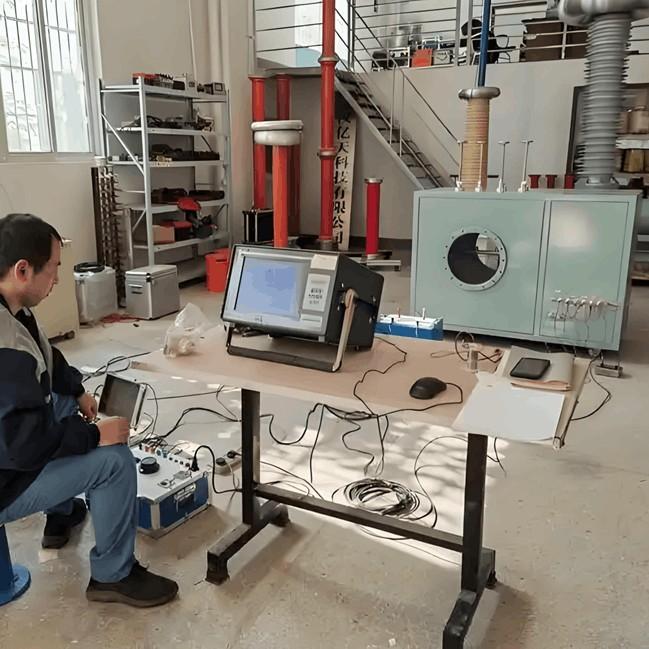
How Acoustic Imaging Locates GIS Defects
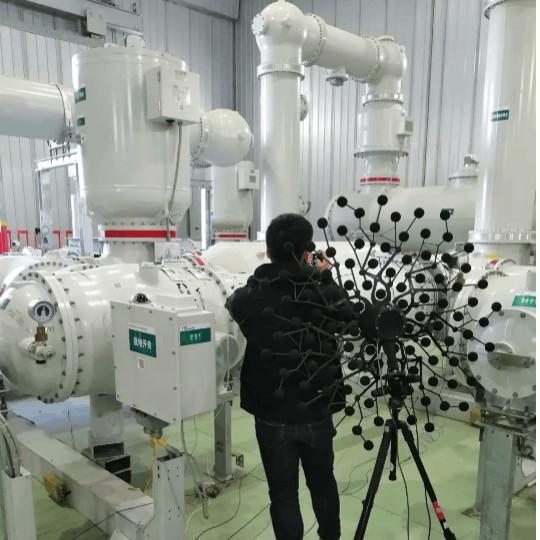
In recent years, acoustic imaging technology for GIS defect detection has developed rapidly. This technology enables intuitive sound source localization, helping operation and maintenance personnel focus on the exact location of GIS defects, thereby improving the efficiency of defect analysis and resolution.Sound source localization is only the first step. It would be even more ideal if common GIS defect types could be automatically identified using artificial intelligence (AI), along with intel
10/24/2025
Consult
Tip
Consult
Tip
Can X-ray Technology Detect Hidden Switchgear Defects?
Advancing Power Equipment Diagnostics: The Role of X-ray Digital ImagingWith continuous advancements in power grid equipment research and manufacturing, an increasing number of new devices are being integrated into power systems. As a result, effective monitoring of in-service equipment has become critically important for ensuring grid reliability and safety.The introduction and successful application of X-ray digital imaging technologies—specifically Computed Radiography (CR) and Digital Radiog
10/24/2025
Consult
Tip
Consult
Tip
How Altitude Affects HV Equipment Insulation & Temperature Rise?
As altitude increases, air density, temperature, and atmospheric pressure decrease accordingly, leading to reduced dielectric strength of air gaps and external insulation performance of porcelain components. This results in degraded external insulation performance for high-voltage electrical equipment. Since most high-voltage equipment is designed for installation at altitudes below 1,000 meters, using such equipment at elevations exceeding 1,000 meters may compromise reliable insulation perform
10/23/2025
Consult
Tip
Consult
Tip
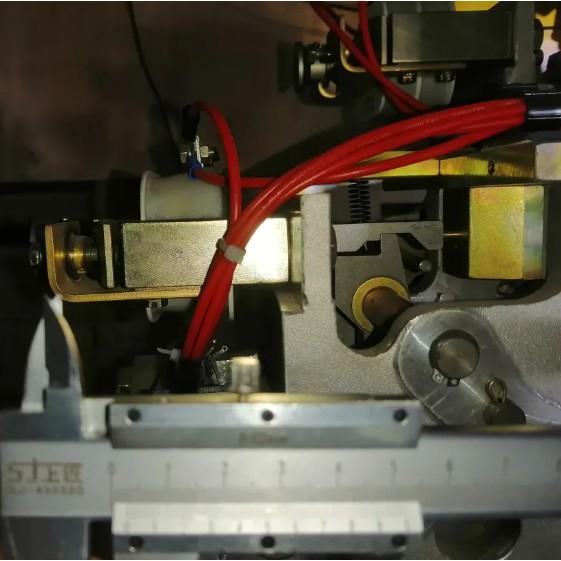
What Causes CT20 Mechanism to Fail to Close? Insufficient Closing Solenoid Stroke Is Key
The CT20 series operating mechanism is a classic design. One common cause of failure to close is an improperly adjusted, overly short stroke of the closing solenoid. The rated stroke is approximately 5mm. However, due to vibration or incorrect adjustment after maintenance, the stroke may decrease to around 3mm, potentially causing the mechanism to fail to operate. If the control system continuously issues a closing command under such conditions, the solenoid remains energized, which can lead to
10/23/2025
Consult
Tip
Consult
Tip
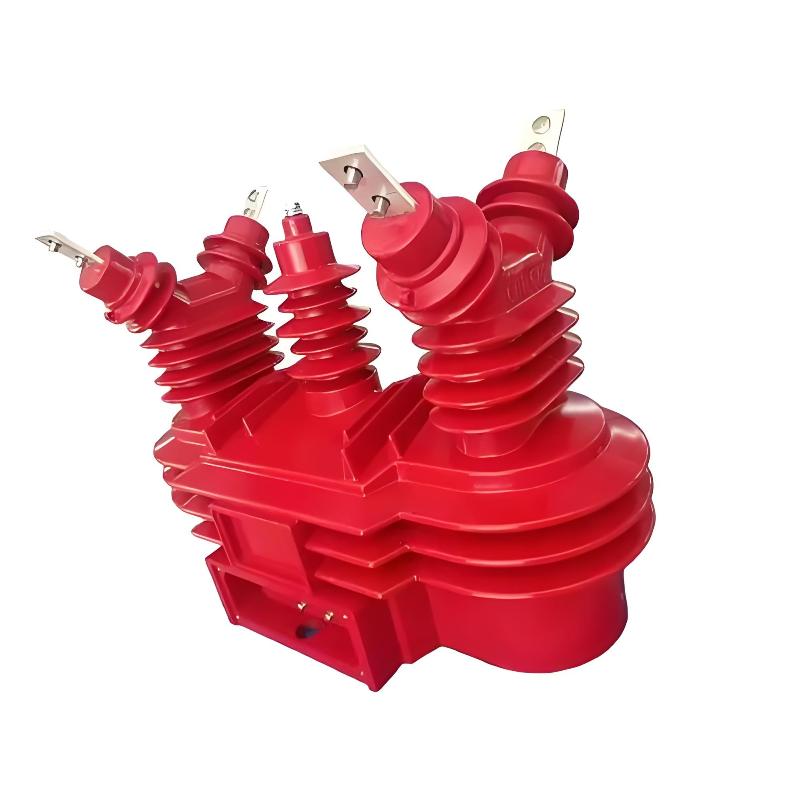
What Are Combined Transformer Standards? Key Specs & Tests
Combined Instrument Transformers: Technical Requirements and Testing Standards Explained with DataA combined instrument transformer integrates a voltage transformer (VT) and a current transformer (CT) into a single unit. Its design and performance are governed by comprehensive standards covering technical specifications, testing procedures, and operational reliability.1. Technical RequirementsRated Voltage:The primary rated voltages include 3kV, 6kV, 10kV, and 35kV, among others. The secondary v
10/23/2025
Consult
Tip
Consult
Tip
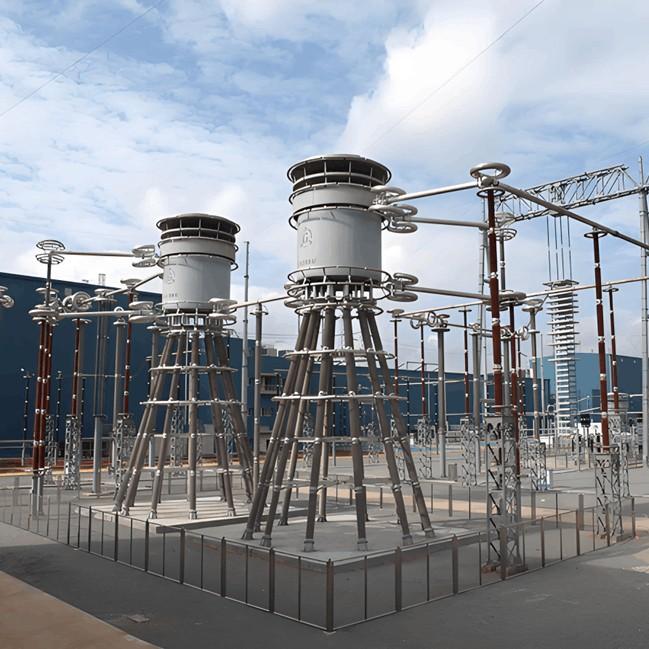
What Are the Types of Reactors? Key Roles in Power Systems
Reactor (Inductor): Definition and TypesA reactor, also known as an inductor, generates a magnetic field within the surrounding space when current flows through a conductor. Therefore, any current-carrying conductor inherently possesses inductance. However, the inductance of a straight conductor is small and produces a weak magnetic field. Practical reactors are constructed by winding the conductor into a solenoid shape, known as an air-core reactor. To further increase inductance, a ferromagnet
10/23/2025
Consult
Tip
Consult
Tip
On-Line Testing for Surge Arresters Below 110kV: Safe and Efficient
An On-Line Testing Method for Surge Arresters at 110kV and BelowIn power systems, surge arresters are critical components that protect equipment from lightning overvoltage. For installations at 110kV and below—such as 35kV or 10kV substations—an on-line testing method effectively avoids the economic losses associated with power outages. The core of this method lies in using online monitoring technology to evaluate arrester performance without interrupting system operation.The test principle is b
10/23/2025
Consult
Tip
Consult
Tip
What Is MVDC Technology? Benefits, Challenges & Future Trends
Medium-voltage direct current (MVDC) technology is a key innovation in power transmission, designed to overcome limitations of traditional AC systems in specific applications. By transmitting electrical energy via DC at voltages typically ranging from 1.5 kV to 50 kV, it combines the long-distance transmission advantages of high-voltage DC with the flexibility of low-voltage DC distribution. Against the backdrop of large-scale renewable integration and new power system development, MVDC is emerg
10/23/2025
Consult
Tip
Consult
Tip
Send inquiry
+86
Click to upload file

IEE Business will not sell or share your personal information.

Download
Get the IEE Business Application
Use the IEE-Business app to find equipment, obtain solutions, connect with experts, and participate in industry collaboration anytime, anywhere—fully supporting the development of your power projects and business.