• Product
  • Suppliers
  • Manufacturers
  • Solutions
  • Free tools
  • Knowledges
  • Experts
  • Communities
Search


Free Expert Guides on Power Systems, Circuit Design & Electrical Troubleshooting

Access free engineering resources from IEE Business—covering power design, circuit layout, equipment selection, and troubleshooting. Expert-developed guides help engineers, procurement, and project teams make better decisions. Stay ahead on smart grids, renewables, efficiency, and AI tools. Improve reliability, reduce downtime, and enhance outcomes with real-world solutions. Explore our knowledge hub today.
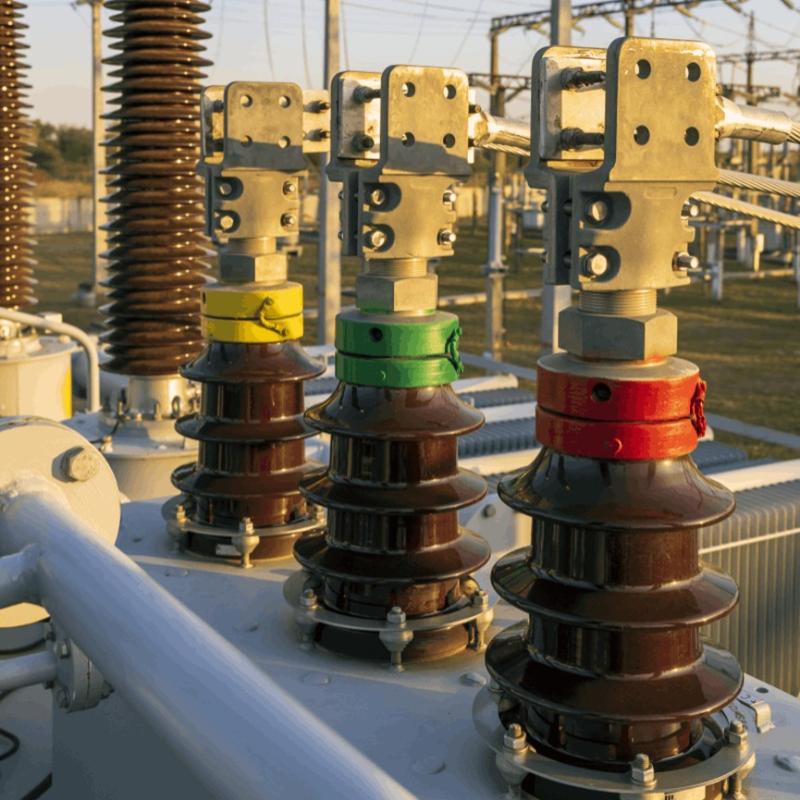
Transformer Noise Control Solutions for Different Installations
1.Noise Mitigation for Ground-Level Independent Transformer RoomsMitigation Strategy:First, conduct a power-off inspection and maintenance of the transformer, including replacing aged insulating oil, checking and tightening all fasteners, and cleaning dust from the unit.Second, reinforce the transformer foundation or install vibration isolation devices—such as rubber pads or spring isolators—selected based on the severity of vibration.Finally, strengthen sound insulation at weak points of the ro
12/25/2025
Consult
Tip
Consult
Tip
Risk Identification and Control Measures for Distribution Transformer Replacement Work
1.Electric Shock Risk Prevention and ControlAccording to typical design standards for distribution network upgrades, the distance between the transformer’s drop-out fuse and the high-voltage terminal is 1.5 meters. If a crane is used for replacement, it is often impossible to maintain the required minimum safety clearance of 2 meters between the crane boom, lifting gear, slings, wire ropes, and the 10 kV live parts, posing a severe risk of electric shock.Control Measures:Measure 1:De-energize th
12/25/2025
Consult
Tip
Consult
Tip
What Are the Basic Requirements for Outdoor Installation of Distribution Transformers?
1. General Requirements for Pole-Mounted Transformer Platforms Location Selection:Pole-mounted transformers should be installed near the load center to minimize power losses and voltage drop in low-voltage distribution lines. Typically, they are placed close to facilities with high electricity demand, while ensuring that the voltage drop at the farthest connected equipment remains within allowable limits. The installation site should allow easy access for maintenance and avoid complex pole struc
12/25/2025
Consult
Tip
Consult
Tip
Analysis of Lightning Protection Measures for Distribution Transformers
Analysis of Lightning Protection Measures for Distribution TransformersTo prevent lightning surge intrusion and ensure the safe operation of distribution transformers, this paper presents applicable lightning protection measures that can effectively enhance their lightning withstand capability.1. Lightning Protection Measures for Distribution Transformers1.1 Install surge arresters on the high-voltage (HV) side of the distribution transformer.According to SDJ7–79 Technical Code for Overvol
12/24/2025
Consult
Tip
Consult
Tip
Lightning Protection for Distribution Transformers: Arrester Installation Position Analysis
Lightning Protection for Distribution Transformers: Arrester Installation Position AnalysisIn China's economic development, the power system holds an extremely important position. Transformers, as devices utilizing electromagnetic induction to convert AC voltage and current, represent a crucial component of the power system. Lightning damage to distribution transformers is quite common, particularly significant in humid tropical areas with frequent lightning activity. A research team has propose
12/24/2025
Consult
Tip
Consult
Tip
Regulations for Primary Wiring of Distribution Transformers
The primary wiring of transformers shall comply with the following regulations: Supports and Cable Protection Conduits: The construction of supports and cable protection conduits for transformer incoming and outgoing lines shall conform to design document requirements. Supports must be firmly installed with elevation and horizontal deviations within ±5mm. Both supports and protection conduits shall have reliable grounding connections. Rectangular Busbar Bending: When rectangular busbars are used
12/23/2025
Consult
Tip
Consult
Tip
Power transformers Insulation Resistance & Dielectric Loss Analysis
1 IntroductionPower transformers are among the most critical equipment in power systems, and it is essential to maximize prevention and minimize the occurrence of transformer failures and accidents. Insulation failures of various types account for more than 85% of all transformer accidents. Therefore, to ensure safe transformer operation, regular insulation testing of transformers is necessary to detect insulation defects in advance and promptly address potential accident hazards. Throughout my
12/22/2025
Consult
Tip
Consult
Tip
High Voltage Bushing Selection Standards for Power transformer
1. Structure Forms and Classification of BushingsThe structure forms and classification of bushings are shown in the table below: Serial No. Classification Feature Category 1 Main insulation structure Capacitive Type Resin-impregnated paperOil-impregnated paper Non-capacitive Type Gas insulationLiquid insulationCasting resinComposite insulation 2 External Insulation Material PorcelainSilicone Rubber 3 Filling Material Between Capacitor Core and Exte
12/20/2025
Consult
Tip
Consult
Tip
Functions and Selection of Grounding Transformers in Photovoltaic Power Stations
1.Neutral Point Establishment and System StabilityIn photovoltaic power stations, grounding transformers effectively establish a system neutral point. According to relevant power regulations, this neutral point ensures the system maintains certain stability during asymmetric faults, functioning like a "stabilizer" for the entire power system.2.Overvoltage Limitation CapabilityFor photovoltaic power stations, grounding transformers can effectively limit overvoltages. Generally, they can control o
12/17/2025
Consult
Tip
Consult
Tip
Transformer Protection Settings: Zero-Sequence & Overvoltage Guide
1. Zero-Sequence Overcurrent ProtectionThe operating current for zero-sequence overcurrent protection of grounding transformers is typically determined based on the transformer's rated current and the maximum allowable zero-sequence current during system ground faults. The general setting range is approximately 0.1 to 0.3 times the rated current, with operating time usually set between 0.5 to 1 second to quickly clear ground faults.2.Overvoltage ProtectionOvervoltage protection is a critical com
12/17/2025
Consult
Tip
Consult
Tip
Send inquiry
+86
Click to upload file

IEE Business will not sell or share your personal information.

Download
Get the IEE Business Application
Use the IEE-Business app to find equipment, obtain solutions, connect with experts, and participate in industry collaboration anytime, anywhere—fully supporting the development of your power projects and business.