Transformer Noise Control Solutions for Different Installations

1. Noise Mitigation for Ground-Level Independent Transformer Rooms
Mitigation Strategy:
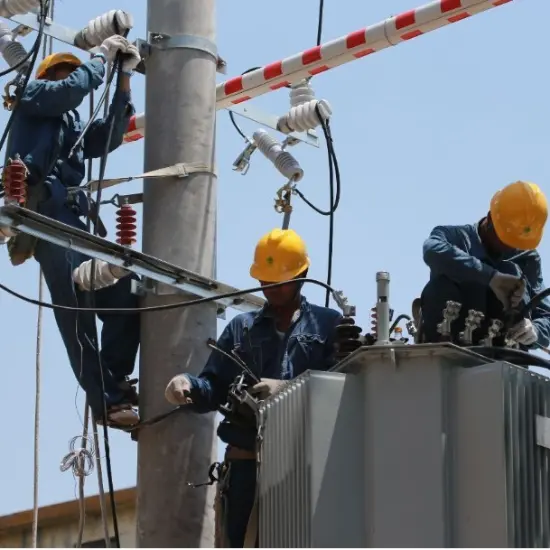
First, conduct a power-off inspection and maintenance of the transformer, including replacing aged insulating oil, checking and tightening all fasteners, and cleaning dust from the unit.
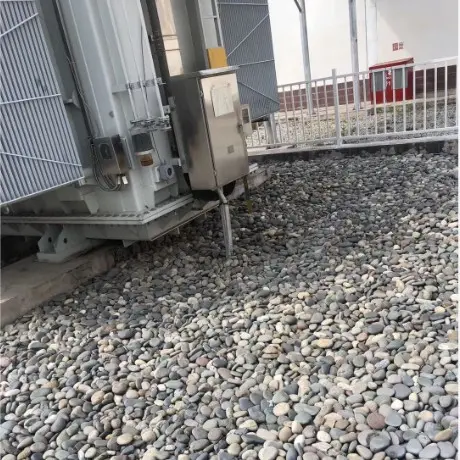
Second, reinforce the transformer foundation or install vibration isolation devices—such as rubber pads or spring isolators—selected based on the severity of vibration.
Finally, strengthen sound insulation at weak points of the room: replace standard windows with acoustic ventilation windows (to meet cooling requirements), and substitute ordinary iron or aluminum doors with fire-rated wooden acoustic doors or metal acoustic doors.
In most cases, these measures bring noise levels into compliance with national standards. However, due to the strong penetration capability of low-frequency transformer noise, it is advisable—where feasible—to add sound-absorbing materials inside the room to further dissipate acoustic energy.
Lessons Learned:
During the design phase, anticipate potential noise issues and locate transformer rooms as far as possible from residential buildings.
Reinforce the transformer foundation or install vibration isolators to suppress vibration amplification.
Avoid orienting doors and windows toward residences; if unavoidable, use acoustic-rated doors and windows.
2. Noise Control for Ground-Mounted Pad-Mounted (Box-Type) Transformers
Mitigation Strategy:
Begin with power-off maintenance: replace old transformer oil, inspect and tighten fasteners, and clean the unit.
Next, reinforce the foundation or install vibration isolators (rubber pads or spring mounts).
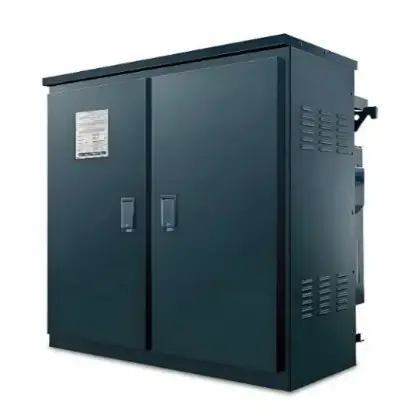
Since the enclosure of pad-mounted transformers is typically thin and space is limited—making internal acoustic upgrades impractical—the most effective approach is to install an external acoustic barrier or acoustic enclosure around the unit.
These measures generally ensure compliance with national noise standards. If an acoustic enclosure is used, proper ventilation must be provided—typically via intake and exhaust systems—to prevent overheating.
Lessons Learned:
Plan noise control during initial design; place pad-mounted units away from residential areas.
Strengthen the internal transformer foundation or install vibration isolators.
If proximity to residences is unavoidable, install acoustic barriers on the noise-sensitive side first; consider full acoustic enclosures only if barriers prove insufficient.
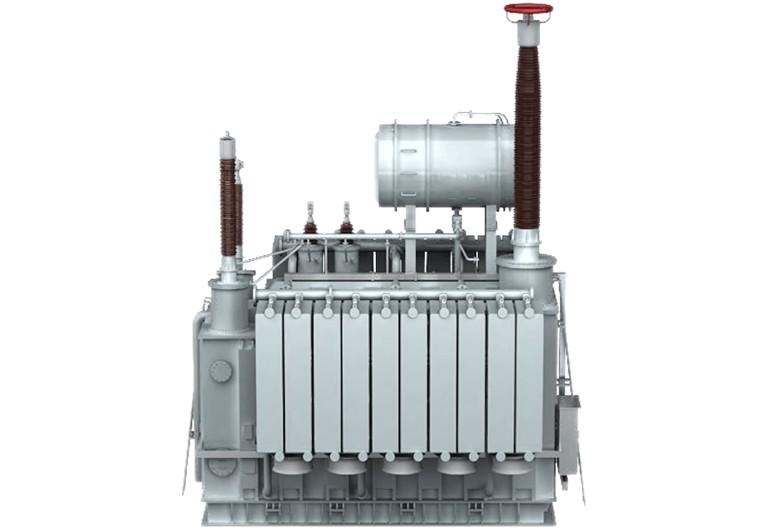
3. Noise Management for Basement Transformer Rooms
Mitigation Strategy:
First, interrupt vibration transmission paths:
Replace the low-voltage busbar with a flexible connection,
Tighten all fasteners,
Decouple the transformer tank from its core structure,
Install rubber pads or vibration isolators under the base,
Replace rigid grounding flat bars with flexible braided grounding straps.
Second, if room-level noise control is needed, line walls, ceiling, and floor with sound-insulating and sound-absorbing materials to block and absorb acoustic energy.
Lessons Learned:
During design, avoid placing basement transformer rooms directly beneath residential units.
Reinforce the transformer foundation or use vibration isolators to minimize structural vibration.
If location beneath residences is unavoidable, implement comprehensive vibration isolation measures to prevent noise complaints.
4. Conclusion
This analysis presents tailored noise control and prevention strategies for transformers installed in various configurations—ground-level rooms, pad-mounted boxes, and basements. By integrating these approaches during the design phase and applying them in response to noise complaints, utilities and developers can effectively mitigate transformer noise disturbances. These methods, aligned with local distribution practices, offer practical, proven solutions to resolve community noise issues efficiently and sustainably.
Recommended