• Product
  • Suppliers
  • Manufacturers
  • Solutions
  • Free tools
  • Knowledges
  • Experts
  • Communities
Search


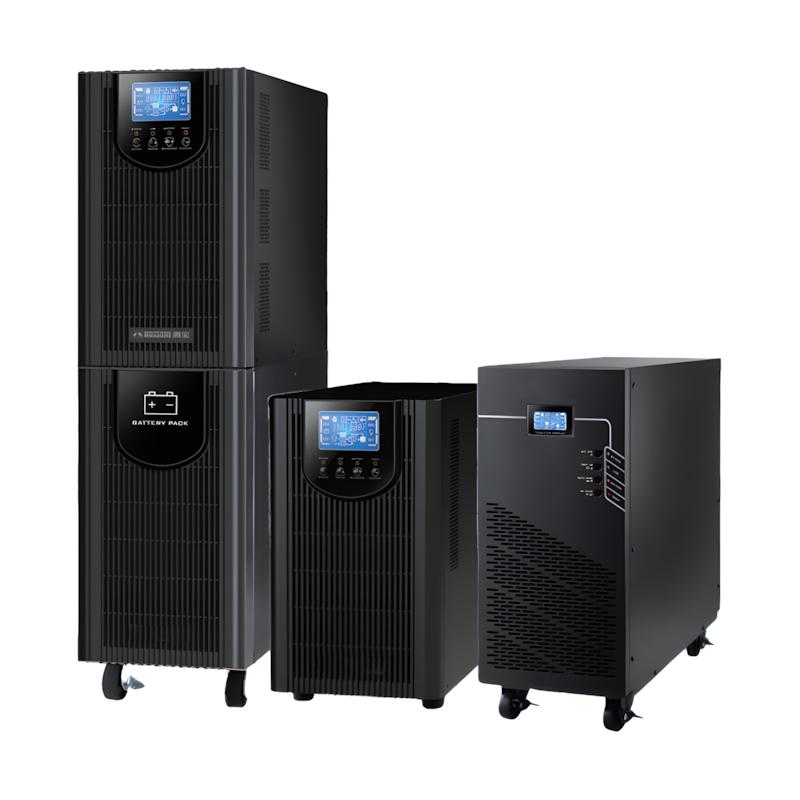
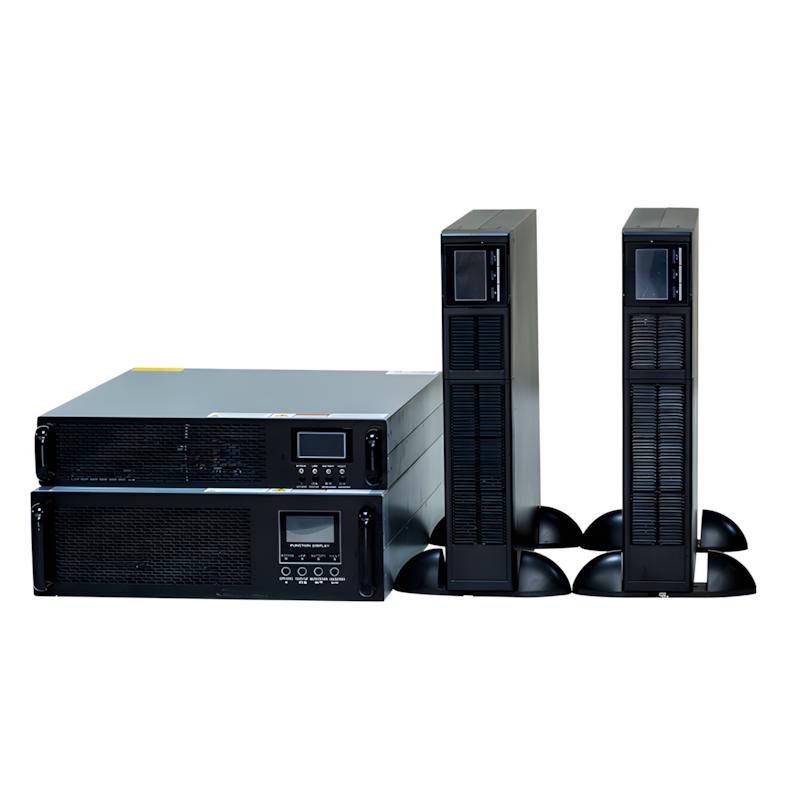
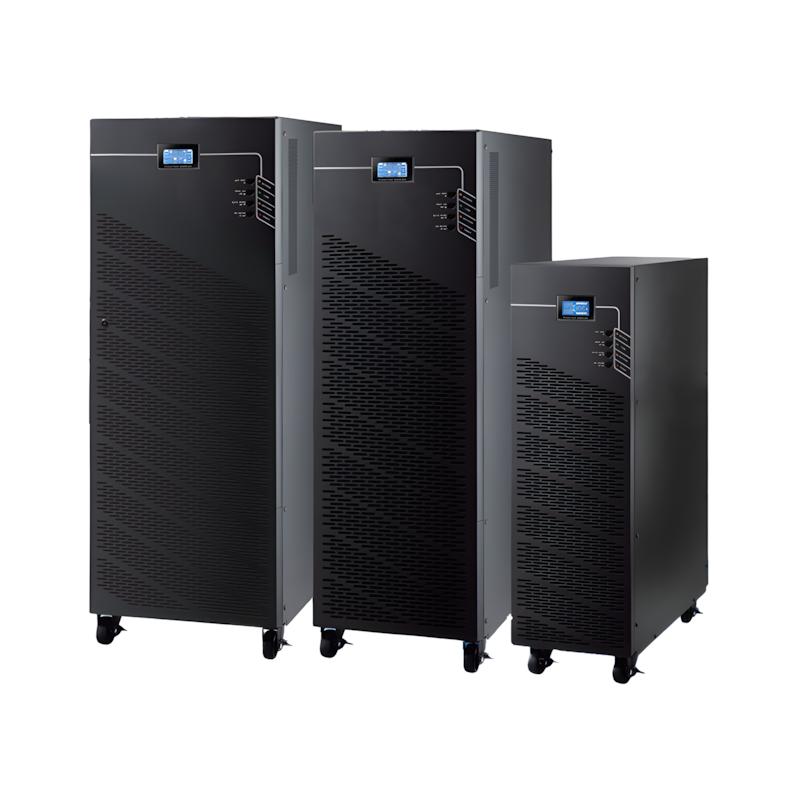
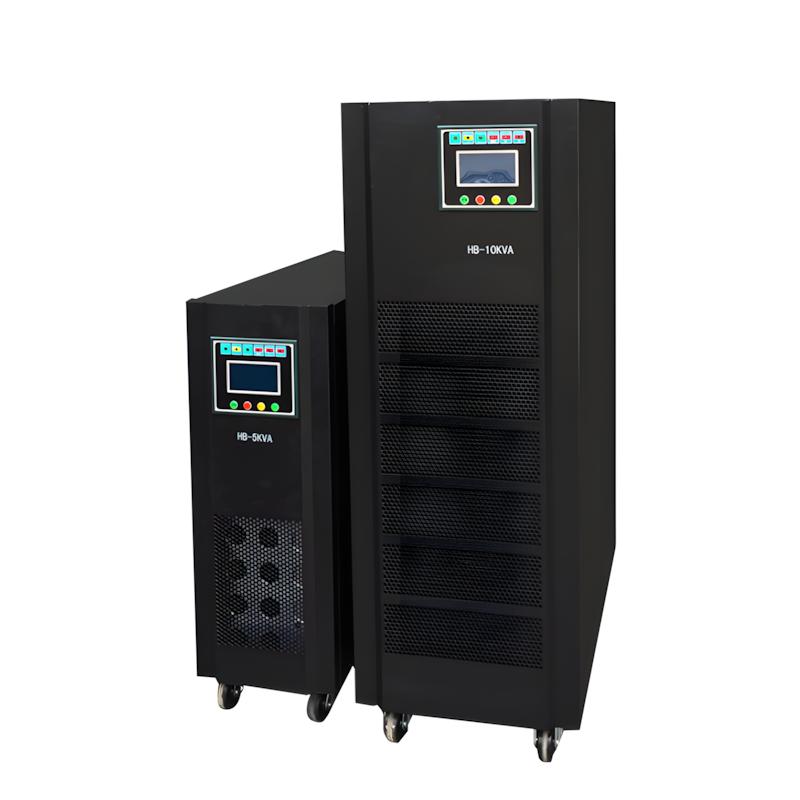
Online interactive UPSpower supply

  • Online interactive UPSpower supply

Key attributes

Brand Switchgear parts
Model NO. Online interactive UPSpower supply
Rated voltage AC220V
Rated frequency 50Hz
Capacity 10kVA
Series UPS-J

Product descriptions from the supplier

Description

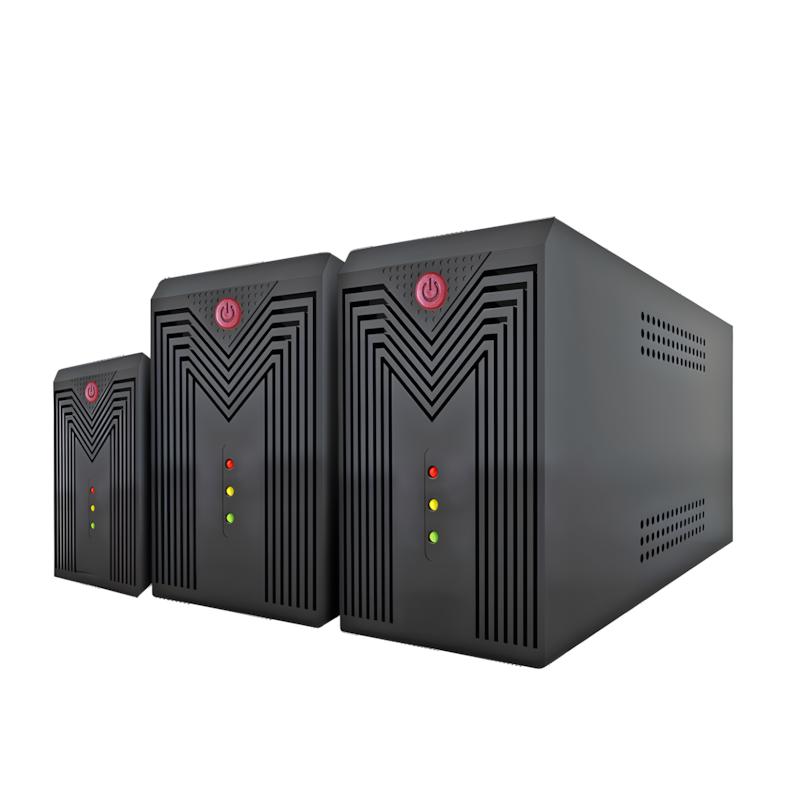
UPS-J power supply belongs to the high-efficiency, small size, beautiful appearance, advanced and reliable uninterruptible power supply system. It is a high-quality electronic product designed specifically for microcomputer systems and precision electronic instrument users. When the mains power is normal, the local machine outputs regulated AC power. When there is a power outage or the voltage is too low or too high, it is powered by the battery for a very short period of time (10 milliseconds) and continues to supply the load with AC power output through the inverter. If the mains power is restored during the battery power supply period, the internal inverter will immediately stop the inversion, and the mains power will supply power to the load, while the charger will charge the battery.

Product features

Simple, compact, and elegant machine appearance
Ultra wide input range of mains power
Excellent microprocessor ensures reliable operation
Automatic regulation of mains voltage boost and drop, stable voltage output
Power restart function
Output analog sine wave
Power off charging function
Cold start function
Compatible with generators

Technical Specifications

Model Specification

UPS-J600VA

UPS-J1000VA

Capacity

600VA / 360 W

1000VA / 600 W

Input


Voltage

220VAC

220VAC

Voltage Range

140-290 VAC

140-290 VAC

Frequency

50 Hz

50 Hz

Output


Voltage Range (Battery Mode)

±10%

±10%

Frequency Range (Battery Mode)

50 Hz ± 1 Hz

50 Hz ± 1 Hz

Transfer Time

Generally 4-8 ms, maximum not exceeding 10ms

Generally 4-8 ms, maximum not exceeding 10ms

Waveform (Battery)

Simulated Sine Wave

Simulated Sine Wave

Battery


Battery Model & Quantity (Cells)

12 V7Ah x 1

12 V7Ah x 2

Charging Time

4-6 hours to 90%

4-6 hours to 90%

Indicator Light Description


Mains Mode

Green Light On

Green Light On

Battery Mode

Green Light Flashing

Green Light Flashing

Warning Sound


Battery Mode

Beeps once every 10 seconds

Beeps once every 10 seconds

Low Battery

Beeps once every 1 second

Beeps once every 1 second

Overload

Beeps once every 0.5 second

Beeps once every 0.5 second

Error

Continuous Beeping

Continuous Beeping

Protection Functions


Comprehensive Protection

Overload, deep discharge and overcharge protection

Overload, deep discharge and overcharge protection

Physical Performance


Dimensions (W×D×H) mm

101×279×142

130×320×182

Weight (kgs)

4.2

7.8

Operating Environment


Temperature and Humidity

Relative Humidity 0-90% and Temperature 0-40°C (No Condensation)

Relative Humidity 0-90% and Temperature 0-40°C (No Condensation)

Noise

Less than 40 dB

Less than 40 dB

FAQ
Q: What advantages does the UPS-J series line-interactive UPS have compared to other UPS types?
A:

Key advantages: ① Ultra-wide input voltage range (140-290VAC) adapts to unstable mains; ② Fast switching speed (4-8ms) prevents data loss for sensitive devices; ③ Compact size and low noise (≤40dB), suitable for small spaces like offices and homes; ④ High efficiency and energy-saving, with shutdown charging function to maintain battery power; ⑤ Cost-effective, meeting basic power backup and voltage stabilization needs.
Q: What is the core function and working principle of the UPS-J series line-interactive UPS?
A:

 Its core function is to stabilize mains voltage and provide uninterrupted power for sensitive electronic devices. The working principle is: when mains is normal, it automatically boosts or lowers unstable voltage (140-290VAC) to a stable 220VAC for load supply, while charging the internal battery. When mains fails or is abnormal, it switches to battery power within 4-8ms (max 10ms) and outputs simulated sine waves to avoid sudden shutdown of equipment. It also filters mains noise and surges for comprehensive protection.

Know your supplier
Online store
On-time delivery rate
Response time
100.0%
≤4h
Company overview
Workplace: 1000m² Total staff: Highest Annual Export(usD): 300000000
Workplace: 1000m²
Total staff:
Highest Annual Export(usD): 300000000
Services
Business Type: Sales
Main Categories: Low Voltage Electrical Apparatus/Instrument meters/Production equipment/Tester/High Voltage Electrical Apparatus/Electrical fittings/Equipment Parts
Whole life care manager
Whole-life care management services for equipment procurement, use, maintenance, and after-sales, ensuring safe operation of electrical equipment, continuous control, and worry-free electricity consumption.
The equipment supplier has passed platform qualification certification and technical evaluation, ensuring compliance, professionalism, and reliability from the source.

Related Products

Related Knowledges

  • Impact of DC Bias in Transformers at Renewable Energy Stations Near UHVDC Grounding Electrodes
    Impact of DC Bias in Transformers at Renewable Energy Stations Near UHVDC Grounding ElectrodesWhen the grounding electrode of an Ultra-High-Voltage Direct Current (UHVDC) transmission system is located close to a renewable energy power station, the return current flowing through the earth can cause a rise in ground potential around the electrode area. This ground potential rise leads to a shift in the neutral-point potential of nearby power transformers, inducing DC bias (or DC offset) in their
    01/15/2026
  • HECI GCB for Generators – Fast SF6 Circuit Breaker
    1.Definition and Function1.1 Role of the Generator Circuit BreakerThe Generator Circuit Breaker (GCB) is a controllable disconnect point located between the generator and the step-up transformer, serving as an interface between the generator and the power grid. Its primary functions include isolating generator-side faults and enabling operational control during generator synchronization and grid connection. The operating principle of a GCB is not significantly different from that of a standard c
    01/06/2026
  • Distribution Equipment Transformer Testing, Inspection, and Maintenance
    1.Transformer Maintenance and Inspection Open the low-voltage (LV) circuit breaker of the transformer under maintenance, remove the control power fuse, and hang a “Do Not Close” warning sign on the switch handle. Open the high-voltage (HV) circuit breaker of the transformer under maintenance, close the grounding switch, fully discharge the transformer, lock the HV switchgear, and hang a “Do Not Close” warning sign on the switch handle. For dry-type transformer maintenance: first clean the porcel
    12/25/2025
  • How to Test Insulation Resistance of Distribution Transformers
    In practical work, insulation resistance of distribution transformers is generally measured twice: the insulation resistance between thehigh-voltage (HV) windingand thelow-voltage (LV) winding plus the transformer tank, and the insulation resistance between theLV windingand theHV winding plus the transformer tank.If both measurements yield acceptable values, it indicates that the insulation among the HV winding, LV winding, and transformer tank is qualified. If either measurement fails, pairwise
    12/25/2025
  • Design Principles for Pole-Mounted Distribution Transformers
    Design Principles for Pole-Mounted Distribution Transformers(1) Location and Layout PrinciplesPole-mounted transformer platforms should be located near the load center or close to critical loads, following the principle of “small capacity, multiple locations” to facilitate equipment replacement and maintenance. For residential power supply, three-phase transformers may be installed nearby based on current demand and future growth projections.(2) Capacity Selection for Three-Phase Pole-Mounted Tr
    12/25/2025
  • Transformer Noise Control Solutions for Different Installations
    1.Noise Mitigation for Ground-Level Independent Transformer RoomsMitigation Strategy:First, conduct a power-off inspection and maintenance of the transformer, including replacing aged insulating oil, checking and tightening all fasteners, and cleaning dust from the unit.Second, reinforce the transformer foundation or install vibration isolation devices—such as rubber pads or spring isolators—selected based on the severity of vibration.Finally, strengthen sound insulation at weak points of the ro
    12/25/2025
Haven't found the right supplier yet? Let matching verified suppliers find you. Get Quotation Now
Haven't found the right supplier yet? Let matching verified suppliers find you.
Get Quotation Now
Send inquiry
+86

IEE Business will not sell or share your personal information.

Download
Get the IEE Business Application
Use the IEE-Business app to find equipment, obtain solutions, connect with experts, and participate in industry collaboration anytime, anywhere—fully supporting the development of your power projects and business.