• Product
  • Suppliers
  • Manufacturers
  • Solutions
  • Free tools
  • Knowledges
  • Experts
  • Communities
Search


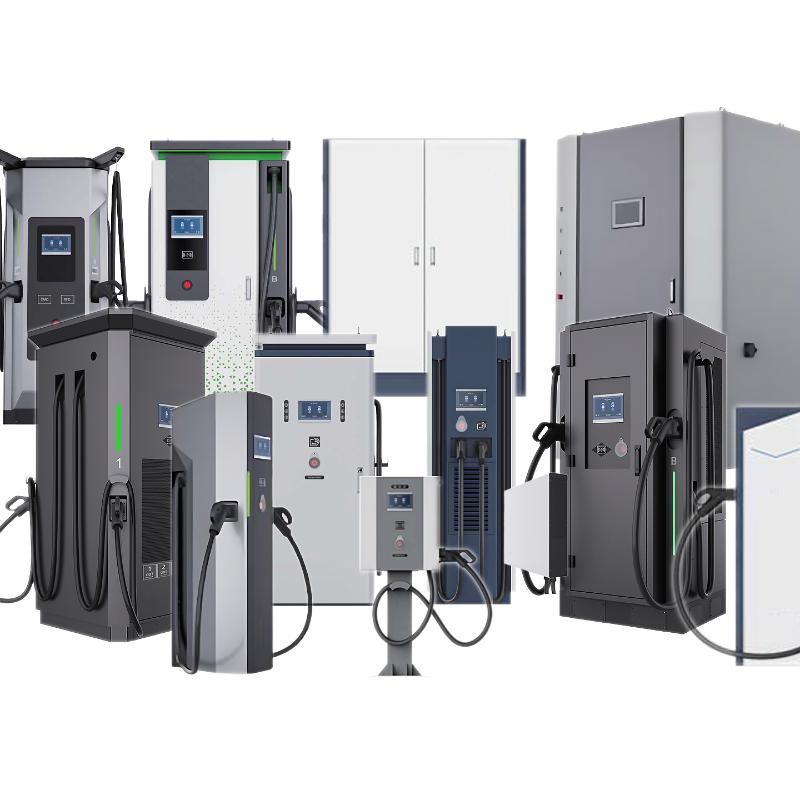
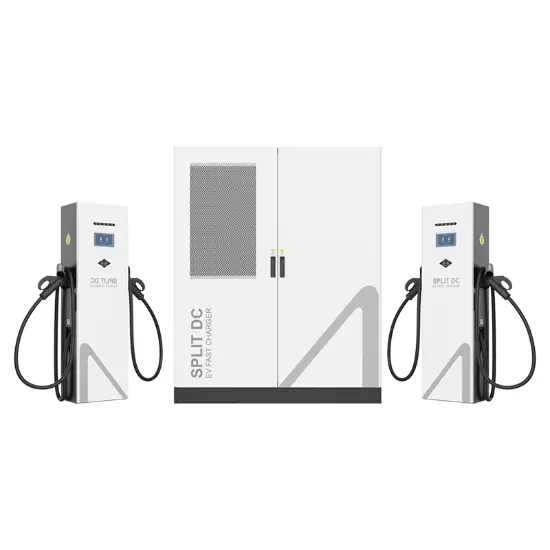
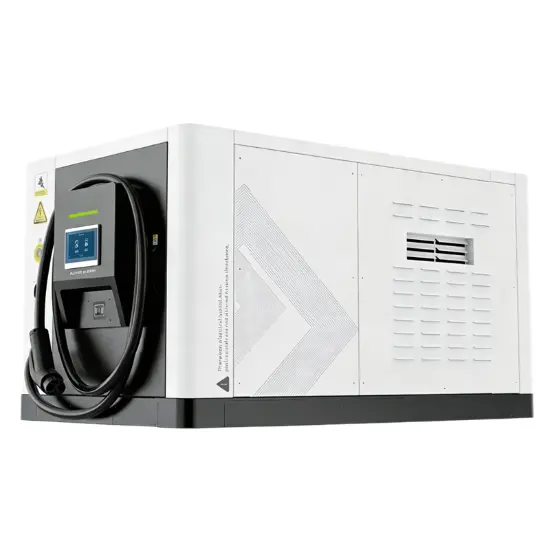
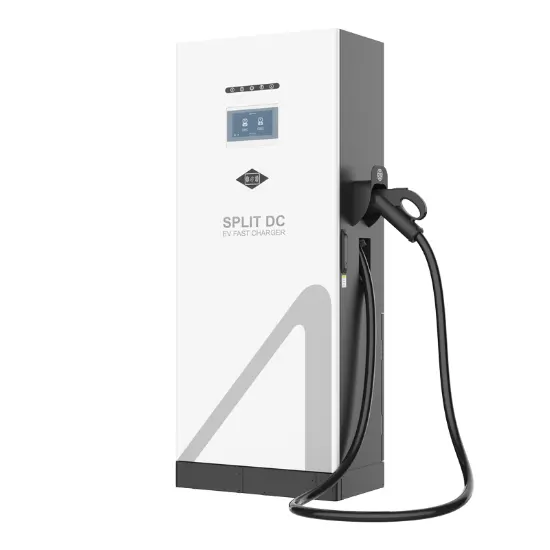
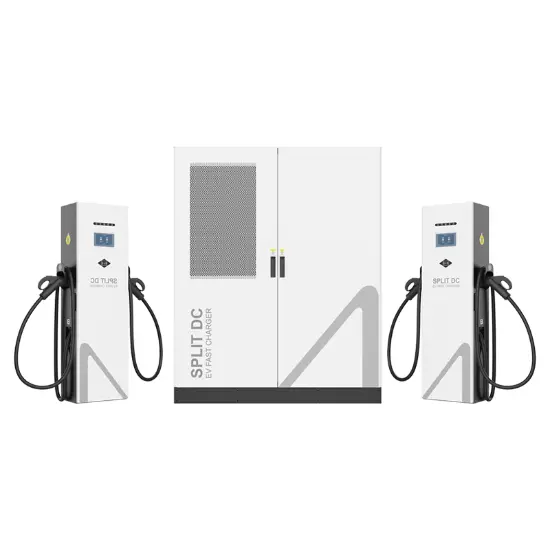
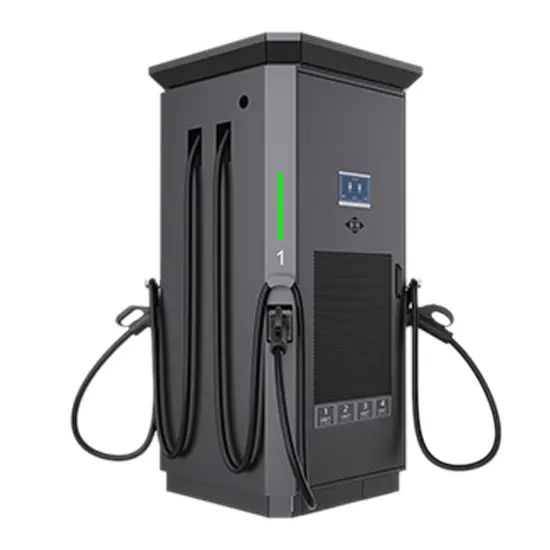
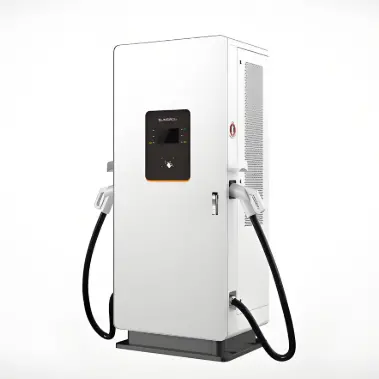
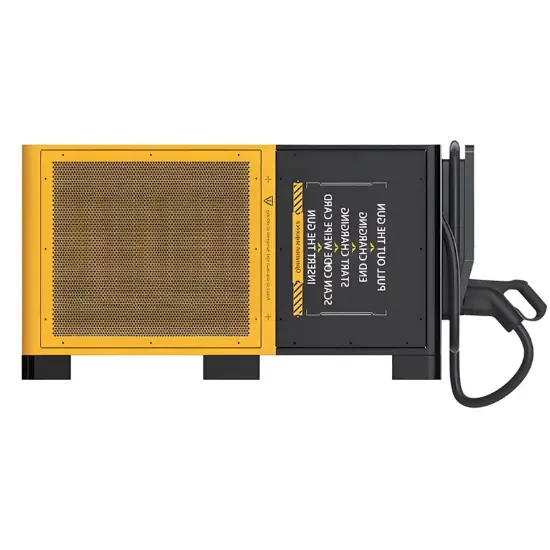
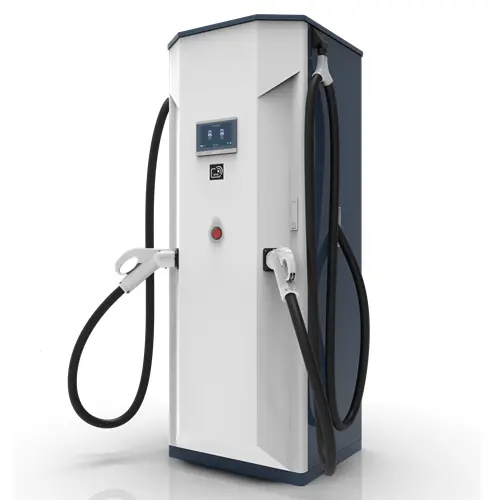
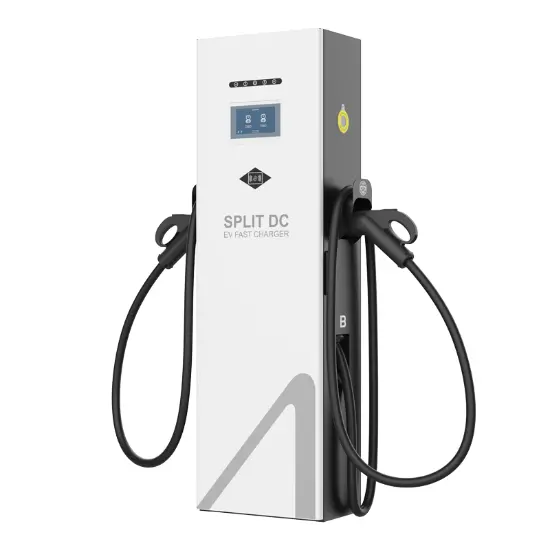
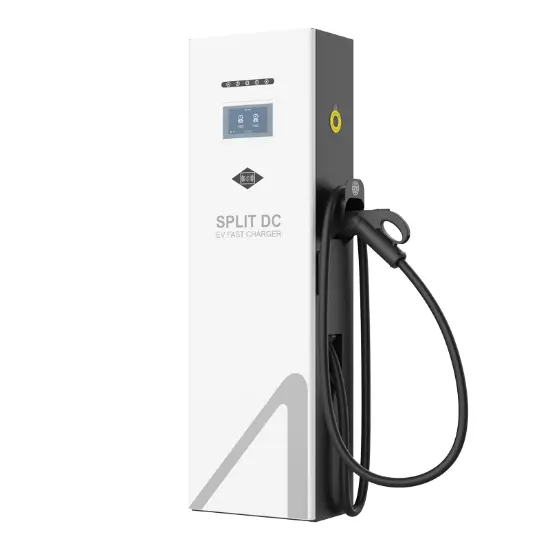
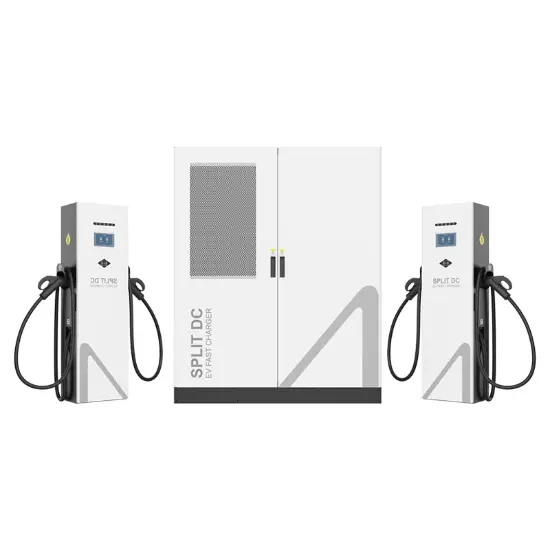
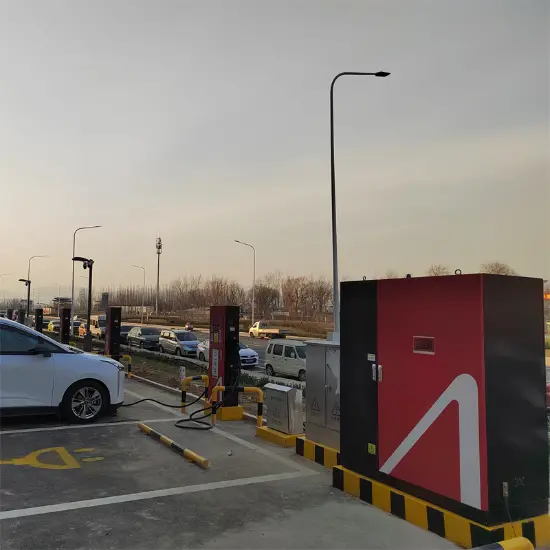
3C fast charging 360kW Liquid-cooled Vehicle Charging Station

  • 3C fast charging 360kW Liquid-cooled Vehicle Charging Station
  • 3C fast charging 360kW Liquid-cooled Vehicle Charging Station
  • 3C fast charging 360kW Liquid-cooled Vehicle Charging Station
  • 3C fast charging 360kW Liquid-cooled Vehicle Charging Station
  • 3C fast charging 360kW Liquid-cooled Vehicle Charging Station

Key attributes

Brand RW Energy
Model NO. 3C fast charging 360kW Liquid-cooled Vehicle Charging Station
Rated Output Rating 360KW
Output Voltage DC 200-1000V
Max Output Current 200A
Power Conversion Efficiency ≥95%
Connector Options GBT+GBT
Cable Length 5m
Input Voltage 380V
Series WZ

Product descriptions from the supplier

Description

Description:

This 360kW liquid-cooled ultra charging station adopts industry-leading direct liquid-cooling technology, designed for next-generation EVs to deliver extreme fast charging experience. With a maximum single-gun power of 360kW and an intelligent thermal management system, it charges vehicles from 10% to 80% in just 15 minutes—revolutionizing traditional charging efficiency. The station is compatible with global mainstream charging protocols (CCS1/CCS2, CHAdeMO, GBT) and supports dynamic power allocation, enabling simultaneous high-efficiency charging for two vehicles in dual-gun mode.

Features:

  • High power output: Due to the effective heat dissipation of liquid cooling technology, liquid-cooled fast charging stations can support higher power charging outputs, allowing electric vehicles to charge to more than 80% of their capacity in a short period of time.

  • Extended equipment life: Effective temperature management can reduce the thermal stress on power electronic devices, extending their service life.

  • Improved charging efficiency: The liquid cooling system can maintain the battery within the optimal temperature range, thereby increasing charging efficiency.

  • Reduced noise: Compared to air-cooling systems, liquid cooling systems operate with lower noise, making them more suitable for installation in environments sensitive to noise.

  • Strong adaptability: Liquid cooling technology is less affected by ambient temperatures and can maintain good heat dissipation effects even under extreme weather conditions.

Technical Parameters:

Product Number

WZ-360kW

Input

400VAC / 480VAC (3P+N+PE) || 50/60Hz

Output Voltage

200 - 1000VDC

Output current

0 to 1200A

Parallel Charge Mode (Optional)

30 kW per Port

Efficiency

≥94% at nominal output power

Power factor

>0.98

Operating temperature

-30°C to 55°C

Altitude

< 2000m

Working || Storage Humidity

≤ 95% RH || ≤ 99% RH (Non-condensing)

Display

7’’ LCD with touch screen

Dimensions (L x D x H)

1200mm x 500mm x 1700mm

Ingress Protection

IP54 || IK10

Power Electronics Cooling

Air Cooled

Weight

550kg

Insulation (input - output)

>2.5kV

Regulatory Compliance

CE || EMC: EN 61000-6-1:2007, EN 61000-6-3:2007/A1:2011/AC:2012

Charging Protocol Standards

Mode 4 - IEC-61851, ISO-15118, DIN 70121 Mode 4 - GB/T 18487 2023, GB/T 20234 2023, GB/T 27930 2023

Length of charging cable

5m

Communication protocol

OCPP 1.6J

Communication

Ethernet – Standard || 3G/4G Modem (Optional)

Electrical Safety: GFCI

RCD 30 mA Type A

Electrical Safety: Surge Protection

20 kA

Electrical Safety General

Over Voltage, Under Voltage, Over Current, Missing Ground

Electrical Safety: Output Short

Output power disabled when output is short circuited

Electrical Safety Temperature

Temperature Sensors @ Charge Coupler and Power Electronics

Emergency Stop

Emergency Stop Button Disables Output Power

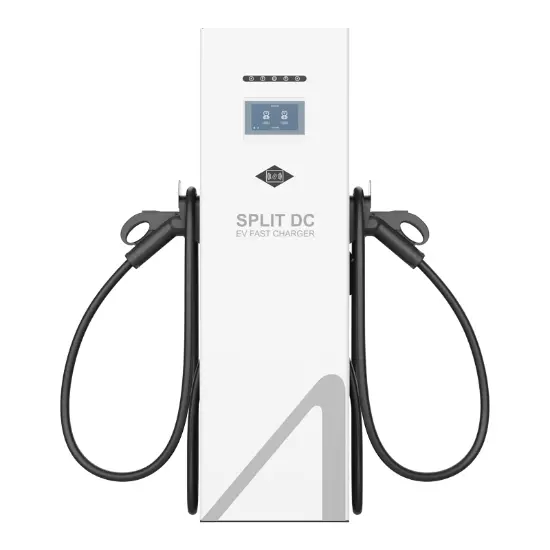
Dual-gun Charging terminal:

Product Number

WZ-200A

Output Voltage

200 - 1000VDC

Output current

0 to 400A

Connectors

CCS2 || GBT

*Single and Dual

Single-gun charging mode

CCS2 –200A || GBT- 200A

Operating temperature

-30°C to 55°C

Altitude

< 2000m

Working || Storage Humidity

≤ 95% RH || ≤ 99% RH (Non-condensing)

Dimensions (L x D x H)

500mm x 300mm x 1700mm

Ingress Protection

IP54 || IK10

Power Electronics Cooling

Natural cooling

Weight

100kg

Regulatory Compliance

CE || EMC: EN 61000-6-1:2007, EN 61000-6-3:2007/A1:2011/AC:2012

Charging Protocol Standards

Mode 4 - IEC-61851, ISO-15118, DIN 70121 GB/T 18487 2023, GB/T 20234 2023, GB/T 27930 2023

Length of charging cable

5m

Communication protocol

OCPP 1.6J

Liquid-cooled fast charging has the following advantages:
Charging speed aspect
Strong current-carrying capacity and fast charging speed: It can effectively cool the interior of the charging gun and can withstand higher currents without overheating. Compared to traditional charging methods, it can achieve greater charging current and power, greatly shortening the charging time. For example, currently, the power of ordinary fast charging piles is generally around 120kW. Conventional supercharging piles are around 300kW. Some liquid-cooled supercharging piles can reach a maximum power of up to 600kW, such as the fully liquid-cooled supercharging piles of Huawei and NIO.
It solves the problem of cable overheating during high-current charging. There is no need to increase the cross-sectional area of the wire to reduce heat generation, making the charging equipment lighter and ensuring high-current transmission at the same time.

Safety performance aspect
Fast heat dissipation and good temperature control: It uses liquid circulation to take away the heat generated by the battery and charging equipment during the charging process, making the battery temperature more uniform, avoiding local overheating, reducing the risk of battery thermal runaway, and prolonging the battery's service life.
The thermal conductivity coefficient of the coolant is dozens of times that of air. The heat dissipation capacity of the liquid-cooled module can be reduced by 10 - 20°C compared to the air-cooled module, which can significantly improve the cooling efficiency and reduce the corrosion and damage to the charging equipment.
High protection level: The fully liquid-cooled method can achieve full coverage, improving insulation and safety. It can make the charging pile reach a relatively high-level dustproof and waterproof performance of about IP65 of international electrical standards, reducing the impact of external factors such as dust and moisture on the internal electrical components of the equipment and improving the reliability and stability of the equipment.

Multiple safety guarantees: Usually equipped with multiple safety guarantee functions such as overheat protection, overcurrent protection, and short-circuit protection. The intelligent control system can also monitor the battery's temperature and charging status in real time and intelligently adjust the charging current and voltage according to the actual situation to ensure the user's safety of use to the greatest extent.
Usage experience aspect
Light charging gun cable: Due to solving the heat dissipation problem, liquid-cooled supercharging piles can use cables with a smaller cross-sectional area to ensure the transmission of greater currents. Therefore, its cables are thinner and lighter than those of conventional supercharging piles, and the charging gun is also lighter. It is more convenient for users to use, especially for people with less strength such as female car owners.
Low noise: Fully liquid-cooled charging piles adopt a double-cycle heat dissipation structure. The internal liquid-cooled module dissipates heat by driving the coolant circulation through a water pump. The external part uses a large fan or air conditioning system with low speed but high air volume to effectively dissipate the heat on the radiator. Compared with the high-speed small fan of traditional air-cooled charging piles, the noise interference is smaller. It can be reduced from about 70 decibels of air-cooled charging piles to about 30 decibels, close to the sound of a whisper, avoiding the problem of being complained about due to large noise at night in places such as residential areas.
Economic cost aspect
Long equipment life and reduced total life cycle cost (TCO): Traditional charging piles using air-cooled charging modules usually have a service life of no more than 5 years. While the service life of fully liquid-cooled charging piles can generally reach more than 10 years. For example, the designed service life of Huawei's fully liquid-cooled supercharging pile is more than 15 years, which can cover the entire life cycle of the station, reducing the cost of replacing equipment during the operation of the charging station. Moreover, fully liquid-cooled charging piles only need to be rinsed after dust accumulates on the external radiator. The maintenance is simple. Compared with air-cooled module charging piles that need to open the cabinet frequently to remove dust and perform maintenance operations, a lot of maintenance costs are saved. In general, its total life cycle cost is lower than that of traditional air-cooled charging equipment. With the wide and mass application of the fully liquid-cooled system, the cost-performance advantage will be more obvious.

How does a liquid-cooled fast charging station work?

A liquid-cooled fast charging station refers to a charging facility that uses liquids (usually coolants with good thermal conductivity, such as water-based coolants or special coolants) to dissipate heat during the charging process. This technology can effectively remove the heat generated during charging, ensuring that the charging equipment and electric vehicle batteries operate within an appropriate temperature range.


Documentation Resource Library
Public.
High-performers fast charger selection catalog
Catalogue
English
Know your supplier
Online store
On-time delivery rate
Response time
100.0%
≤4h
Company overview
Workplace: 30000m² Total staff: Highest Annual Export(usD): 100000000
Workplace: 30000m²
Total staff:
Highest Annual Export(usD): 100000000
Services
Business Type: Design/Manufacture/Sales
Main Categories: High Voltage Electrical Apparatus/Low Voltage Electrical Apparatus/Instrument meters/New energy/Tester/Robot
Whole life care manager
Whole-life care management services for equipment procurement, use, maintenance, and after-sales, ensuring safe operation of electrical equipment, continuous control, and worry-free electricity consumption.
The equipment supplier has passed platform qualification certification and technical evaluation, ensuring compliance, professionalism, and reliability from the source.

Related Products

Related Knowledges

  • Impact of DC Bias in Transformers at Renewable Energy Stations Near UHVDC Grounding Electrodes
    Impact of DC Bias in Transformers at Renewable Energy Stations Near UHVDC Grounding ElectrodesWhen the grounding electrode of an Ultra-High-Voltage Direct Current (UHVDC) transmission system is located close to a renewable energy power station, the return current flowing through the earth can cause a rise in ground potential around the electrode area. This ground potential rise leads to a shift in the neutral-point potential of nearby power transformers, inducing DC bias (or DC offset) in their
    01/15/2026
  • HECI GCB for Generators – Fast SF6 Circuit Breaker
    1.Definition and Function1.1 Role of the Generator Circuit BreakerThe Generator Circuit Breaker (GCB) is a controllable disconnect point located between the generator and the step-up transformer, serving as an interface between the generator and the power grid. Its primary functions include isolating generator-side faults and enabling operational control during generator synchronization and grid connection. The operating principle of a GCB is not significantly different from that of a standard c
    01/06/2026
  • Distribution Equipment Transformer Testing, Inspection, and Maintenance
    1.Transformer Maintenance and Inspection Open the low-voltage (LV) circuit breaker of the transformer under maintenance, remove the control power fuse, and hang a “Do Not Close” warning sign on the switch handle. Open the high-voltage (HV) circuit breaker of the transformer under maintenance, close the grounding switch, fully discharge the transformer, lock the HV switchgear, and hang a “Do Not Close” warning sign on the switch handle. For dry-type transformer maintenance: first clean the porcel
    12/25/2025
  • How to Test Insulation Resistance of Distribution Transformers
    In practical work, insulation resistance of distribution transformers is generally measured twice: the insulation resistance between thehigh-voltage (HV) windingand thelow-voltage (LV) winding plus the transformer tank, and the insulation resistance between theLV windingand theHV winding plus the transformer tank.If both measurements yield acceptable values, it indicates that the insulation among the HV winding, LV winding, and transformer tank is qualified. If either measurement fails, pairwise
    12/25/2025
  • Design Principles for Pole-Mounted Distribution Transformers
    Design Principles for Pole-Mounted Distribution Transformers(1) Location and Layout PrinciplesPole-mounted transformer platforms should be located near the load center or close to critical loads, following the principle of “small capacity, multiple locations” to facilitate equipment replacement and maintenance. For residential power supply, three-phase transformers may be installed nearby based on current demand and future growth projections.(2) Capacity Selection for Three-Phase Pole-Mounted Tr
    12/25/2025
  • Transformer Noise Control Solutions for Different Installations
    1.Noise Mitigation for Ground-Level Independent Transformer RoomsMitigation Strategy:First, conduct a power-off inspection and maintenance of the transformer, including replacing aged insulating oil, checking and tightening all fasteners, and cleaning dust from the unit.Second, reinforce the transformer foundation or install vibration isolation devices—such as rubber pads or spring isolators—selected based on the severity of vibration.Finally, strengthen sound insulation at weak points of the ro
    12/25/2025

Related Solutions

  • Distribution automation systems solutions
    What are the difficulties in overhead line operation and maintenance?Difficulty one:Overhead lines of distribution network have wide coverage,complicatedterrain,many radiation branches and distributed power supply,resultingin "many line faults and difficulty in fault troubleshooting".Difficulty Two:Manual troubleshooting is time-consuming and laborious.Meanwhile,therunning current,voltage and switching state of the line cannot be graspedin real time,because of the lack of intelligent technical m
    04/22/2025
  • RW8000 DMS Distribution Management System Solutions
    OverviewNowadays, the development trend of power grid is intellectualization. As an important part of power grid, the power distribution system is very close to the customers and it has to run properly. The distribution management system (DMS)played an important role in it.Introduction:RW8000 power distribution management system (DMS) is designed for the smart grids. It is based on real-time application, centered on distribution network operation and management, focusing on the business process
    09/07/2023
  • High-Precision Electrical Parameter Monitoring System Solution
    1.Introduction​With the increasingly stringent requirements for power supply quality in high-end facilities such as precision manufacturing, medical diagnosis, and data centers, traditional power monitoring systems, due to their low sampling accuracy and weak data analysis capabilities, can no longer meet the demand for deep insight and precise management of power quality. In response, we are introducing a new generation ​High-Precision Electrical Parameter Monitoring System. With ​millisecond-l
    09/28/2025
Haven't found the right supplier yet? Let matching verified suppliers find you. Get Quotation Now
Haven't found the right supplier yet? Let matching verified suppliers find you.
Get Quotation Now
Send inquiry
+86
Click to upload file

IEE Business will not sell or share your personal information.

Download
Get the IEE Business Application
Use the IEE-Business app to find equipment, obtain solutions, connect with experts, and participate in industry collaboration anytime, anywhere—fully supporting the development of your power projects and business.