1. Mahitungod sa GIS, unsa ang pagkatuod sa gipangutana sa Clause 14.1.1.4 sa "Eighteen Anti-Accident Measures" (2018 Edition) sa State Grid?
14.1.1.4: Ang neutral point sa transformer kailangan i-connection ngadto sa duha ka uban-uban nga bahin sa main mesh sa grounding grid pinaagi sa duha ka grounding down conductors, ug ang bawg konduktor kailangan mobati sa thermal stability verification requirements. Ang main equipment ug equipment structures kailangan adunay duha ka grounding down conductors nga i-connection ngadto sa uban-uban nga trunks sa main grounding grid, ug ang bawg konduktor usab kailangan mobati sa thermal stability verification requirements. Ang mga connection leads kailangan ig-arrange aron madali ang periodic inspection ug testing.
Kumpara sa 2012 edition sa "Eighteen Anti-Accident Measures," ang wording gihulagway gikan sa “main equipment ug equipment structures should preferably adunay duha ka grounding down conductors nga i-connection ngadto sa uban-uban nga trunks sa main grounding grid” ngadto sa “main equipment ug equipment structures kailangan adunay duha ka grounding down conductors nga i-connection ngadto sa uban-uban nga trunks sa main grounding grid.” Kini nga pag-usab nag-upgrade sa requirement gikan sa recommendatory (“should preferably”) ngadto sa mandatory (“kailangan”). Sa kasagaran, tanang substations sa China adunay implementasyon sa dual grounding down conductors isip gipangutana. Aron mas protektahan ang main equipment, ang dual grounding down conductors kailangan obligatorily applied.
Explanation of Clause 14.1.1.4 sa 2018 Edition State Grid “Eighteen Anti-Accident Measures” mahitungod sa GIS:
Ang GIS gi-classify isip main equipment sa substation ug kailangan mobati sa kini nga clause:
Ang enclosure sa GIS ug ang iyang associated support structures kailangan adunay duha ka grounding down conductors, ug kini duha ka conductors kailangan i-connection ngadto sa uban-uban nga trunks sa main grounding grid (arong makalimtan ang single-point failure leading to loss of grounding);
Ang bawg grounding down conductor kailangan mobati sa thermal stability verification (arong mabati nga dili mag-damage sa overheating kung ang fault current mogdaot);
Ang layout sa mga grounding conductors kailangan allow for convenient periodic inspection ug testing (arong mobati sa operational ug maintenance requirements para sa grounding reliability).
Kini nga clause nag-upgrade sa 2012 version’s “recommendatory requirement” ngadto sa “mandatory requirement.” Isip core piece sa main equipment, ang GIS kailangan configure sa dual grounding down conductors aron mapadako ang redundancy ug reliability sa grounding system.
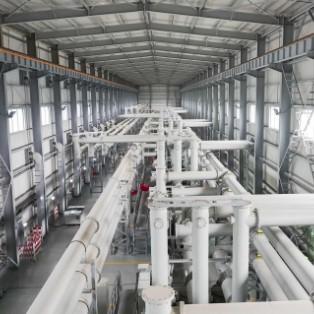
Combined with the on-site situation as shown in the figure below.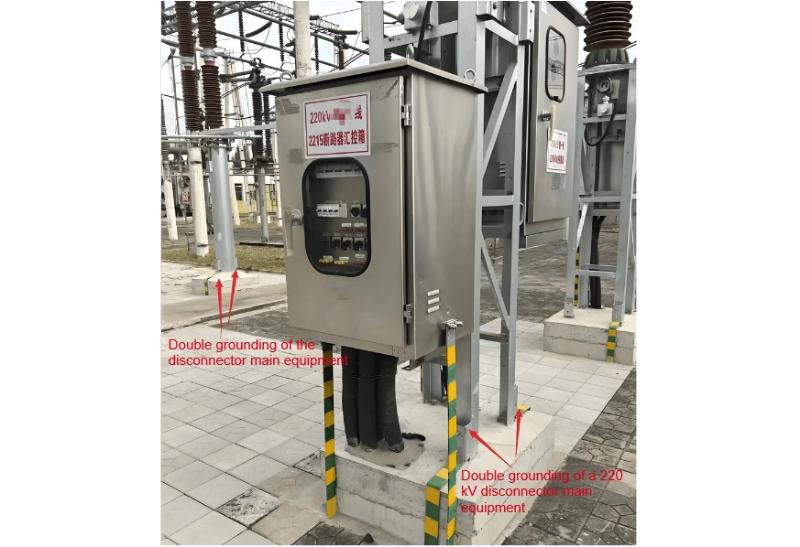
Para sa standalone main equipment nga gitray sa picture sa itaas, ang requirement sa double grounding relatable straightforward to understand. Pero para sa GIS—diin ang circuit breakers, disconnectors, ug uban pang major components integrated together—interpretations of "double grounding for main equipment" may vary among individuals. In my view, the entire GIS should simply be regarded as one single main equipment unit. The basis for this is as follows:
Ang bawg bay’s enclosure base ug support structure kailangan adunay wala pa dugay sa duha ka reliable grounding points. Ang grounding down conductors kailangan securely connected, free from corrosion, damage, or deformation, ug maintain good electrical continuity. Exposed horizontal grounding busbars kailangan adunay additional supports installed at intervals of 0.5–1.5 m, vertical sections at intervals of 1.5–3 m, ug bends at intervals of 0.3–0.5 m.
As applied on-site, this is illustrated in the figure below: Points A and B represent the two reliable grounding connections between the base and the main grounding grid. The base is then reliably bonded to the GIS support structure via the jumper at point C. Individual GIS modules are reliably interconnected through jumpers at point D (metal flanges do not require bonding jumpers). This configuration establishes a reliable dual-point grounding system for the entire GIS assembly (with the GIS enclosure itself serving as part of the grounding path).

Someone might then ask: "If that’s the case, what is the purpose of all those individual grounding leads on the GIS?" as shown in the figure below:

This leads to the second question:
2. Mahitungod sa GIS, unsa ang pagkatuod sa gipangutana sa requirement for direct grounding?
The figure above shows grounding conductors directly led from different parts of the GIS to dedicated grounding terminals or grounding blocks—rather than relying on the GIS enclosure for grounding. The reason is specified in the following regulation:
“Voltage transformers, surge arresters, ug fast grounding switches kailangan i-connection directly to the main grounding grid pinaagi sa dedicated grounding conductors, ug dili grounded through the enclosure or support structures.”
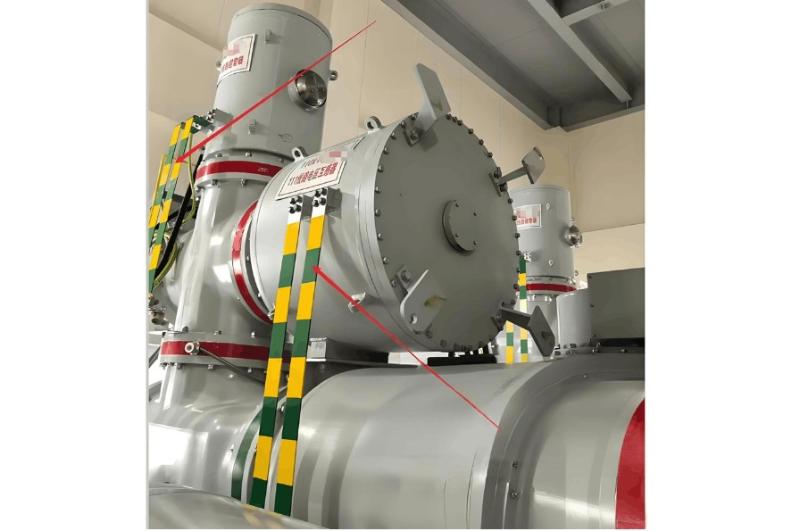
Looking at the figure above, another question arises:
3. For surge arresters, voltage transformers, ug fast grounding switches inside GIS, is there a requirement for dual direct grounding?
As shown in the figure below:
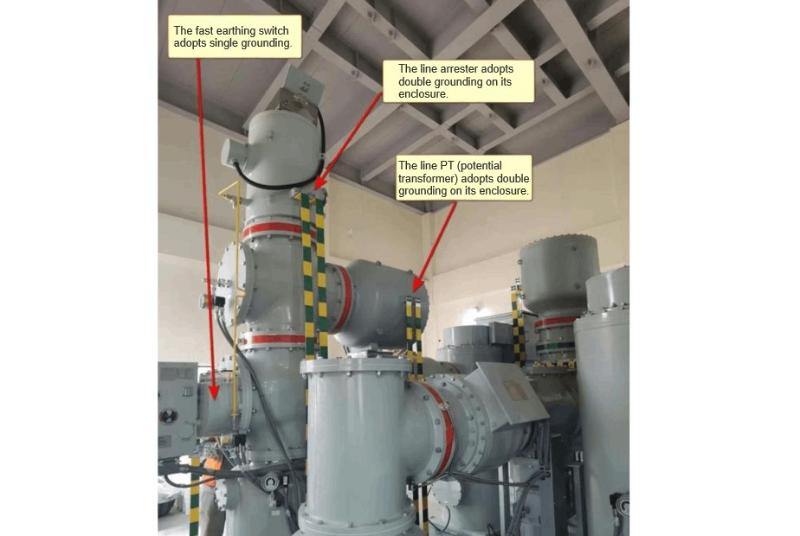
Ang mga eksperto mihatag usab nga ang paspas nga switch sa grounding sa substation nga gipakita sa figura sa itaas dapat usab adunay duha ka direct nga mga grounding conductor nga direktang gipangutana sa grounding block. Isip tugon niining isyu, konsulta nami ang manufacturer, ug ang pagbalik sa manufacturer mihatag nga wala may requirement sa mandatory nga dual direct grounding—ang direct grounding lang ang kinahanglan, basta ang grounding conductor makapugos sa required nga grounding fault current.