1. GIS সম্পর্কে, রাষ্ট्रীয় গリッドের "ঔপন্যাসিক-ঈ-ঈ-Business" (2018 সংস্করণ) এর 14.1.1.4 ধারা কীভাবে বোঝা উচিত?
14.1.1.4: ট्रান्सফอร์মারের নিরপেক্ষ বিন্দুটি ভূমি গ्रিডের মুখ্য জালের দो अलग-अलग पक्षों से दो भूमिकरण डाउन कंडक्टर के माध्यम से जुड़ा होना चाहिए, और प्रत्येक भूमिकरण डाउन कंडक्टर तापीय स्थिरता सत्यापन आवश्यकताओं को पूरा करना चाहिए। मुख्य उपकरण और उपकरण संरचनाओं को भी मुख्य भूमिकरण ग्रिड के विभिन्न शाखाओं से दो भूमिकरण डाउन कंडक्टरों से जोड़ा जाना चाहिए, और प्रत्येक भूमिकরण डाउन कंडक्टर भी तापीय स्थिरता सत्यापन आवश्यकताओं को पूरा करना चाहिए। कनेक्शन लीडों को नियमित जांच और परीक्षण करने के लिए सुविधाजनक ढंग से व्यवस्थित किया जाना चाहिए।
2012 সংস্করণের "ঔপন्यাসিক-ঈ-ঈ-Business" এর তুলনায়, "মुख্য উপকরণ এবং উপকরণ সंरचনাগুলি মুख্য ভূমিকরণ গ्रিডের বিভিন্ন শাখার সাথে দोটি ভূমিকরণ ডাউন কন্ডাক্টর দ्बারা সংযুক্ত হওয়া উচিত" এই বাক্যাংশটি "মुख্য উপকরণ এবং উপকরণ সंरচনাগুলি মুख্য ভূমিকরণ গ्रিডের বিভিন্ন শাখার সাথে দুটি ভূমিকরণ ডাউন কন্ডাক্টর দ्बারা সংযুক্ত হতে হবে" এই বাক্যাংশে পরিবর্তিত হয়েছে। এই পরিবর্তনটি প্রস্তাবিত ("should preferably") থেকে বাধ্যতামূলক ("shall") আवश্যকতায় উন্নীত করে। বর্তমানে, চীনের সभी সাবস্টেশনগুলি এই আবশ্যকতা পূরণ করার জন্য দুটি ভূমিকরণ ডাউন কন्डাক্টর বাস্তবায়ন করেছে। মুख্য উপকরণগুলির আরও ভাল সুরক্ষার জন্য, দুটি ভূমিকরণ ডাউন কন्डাক্টর বাধ্যতামূলকভাবে প্রয়োগ করা উচিত।
2018 সংস্করণের রাষ্ট্রীয় গ্রিড "ঔপন্যাসিক-ঈ-ঈ-Business" এর 14.1.1.4 ধারার GIS-এর প্রয়োজনীযতা:
GIS আশ্রয এবং তার সম্পর্কিত সমর্থন সंरचনাগুলিকে দুটি ভূমিকরণ ডাউন কন্ডাক্টর দিয়ে সुसজ্জিত করতে হবে, এবং এই দুটি কন्डাক্টর মুখ্য ভূমিকরণ গ্রিডের বিভিন্ন শাখার (একটি একক বিন্দুতে ভূমিকরণ হারানোর ফলে ভূমিকরণ হারানোর এড়ানো হবে) সাথে সংযুক্ত হতে হবে;
প্রতিটি ভূমিকরণ ডাউন কন्डাক্টর তাপীয় স্থিতিশীলতা যাচাই পাস করতে হবে (অ faut current প্রবাহিত হলে এটি overheat হয়ে নষ্ট না হয়);
ভূমিকরণ কন্ডাক্টরগুলির বিন্যাস পর্যায়ক্রমে পরীক্ষা এবং পরীক্ষা করা সুবিধাজনক হতে হবে (ভূমিকরণের নির্ভরতা রক্ষণাবেক্ষণ এবং পরিচালনা আवश্যকতা পূরণ করা)।
এই ধারা 2012 সংস্করণের "পরামর্শমূলক আवश্যকতা" থেকে "বাধ্যতামূলক আবশ্যকতা" এ উন্নীত করে। GIS একটি মূল উपকরণ হিসাবে, ভূমিকরণ ব্যবস্থার redundancy এবং reliability বढানোর জন্য দুটি ভূমিকরণ ডাউন কন्डাক্টর সহ GIS সেট করা উচিত।
সाइट पर स्थिति के संयोजन के साथ नीचे दिए गए चित्र के रूप में।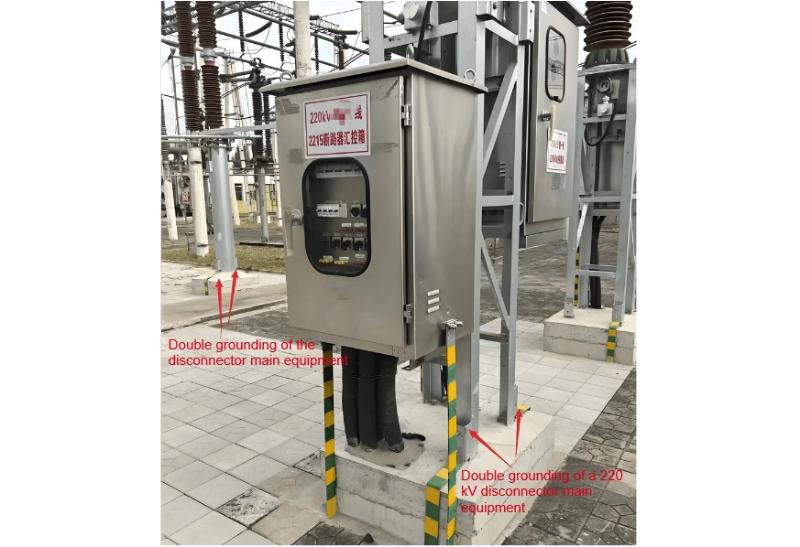
উপরের চিত্রে দেখানো standalone মুख্য উপকরণের জন্য, double grounding এর প্রয়োজনীযতা সহজে বোঝা যায়। তবে, GIS—যেখানে সर্কিট ব्रেকার, ডিসকनেক্টর, এবং অन্যান্য major components একত্রিত হয়—main equipment এর double grounding এর interpretation বিভিন্ন individuals এর মধ্যে ভিন্ন হতে পারে। আমার মতে, entire GIS-কে simply one single main equipment unit হিসেबে বিবেচনা করা উচিত। এর basis হল:
প্রতিটি bay-এর enclosure base এবং support structure-এ no fewer than two reliable grounding points থাকা উচিত। grounding down conductors securely connected, free from corrosion, damage, or deformation, and maintain good electrical continuity. Exposed horizontal grounding busbars shall have additional supports installed at intervals of 0.5–1.5 m, vertical sections at intervals of 1.5–3 m, and bends at intervals of 0.3–0.5 m.
On-site application is illustrated in the figure below: Points A and B represent the two reliable grounding connections between the base and the main grounding grid. The base is then reliably bonded to the GIS support structure via the jumper at point C. Individual GIS modules are reliably interconnected through jumpers at point D (metal flanges do not require bonding jumpers). This configuration establishes a reliable dual-point grounding system for the entire GIS assembly (with the GIS enclosure itself serving as part of the grounding path).

Someone might then ask: "If that’s the case, what is the purpose of all those individual grounding leads on the GIS?" as shown in the figure below:

This leads to the second question:
2. Regarding GIS, how should the requirement for direct grounding be understood?
The figure above shows grounding conductors directly led from different parts of the GIS to dedicated grounding terminals or grounding blocks—rather than relying on the GIS enclosure for grounding. The reason is specified in the following regulation:
“Voltage transformers, surge arresters, and fast grounding switches shall be connected directly to the main grounding grid via dedicated grounding conductors, and shall not be grounded through the enclosure or support structures.”
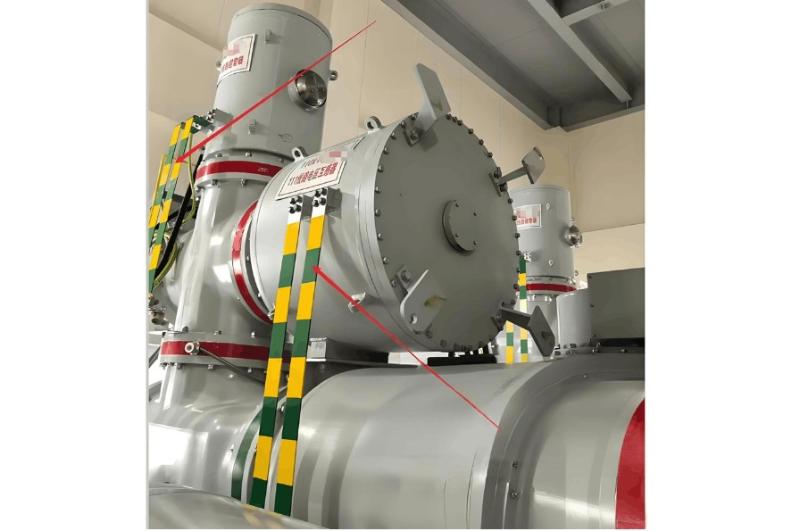
Looking at the figure above, another question arises:
3. For surge arresters, voltage transformers, and fast grounding switches inside GIS, is there a requirement for dual direct grounding?
As shown in the figure below:
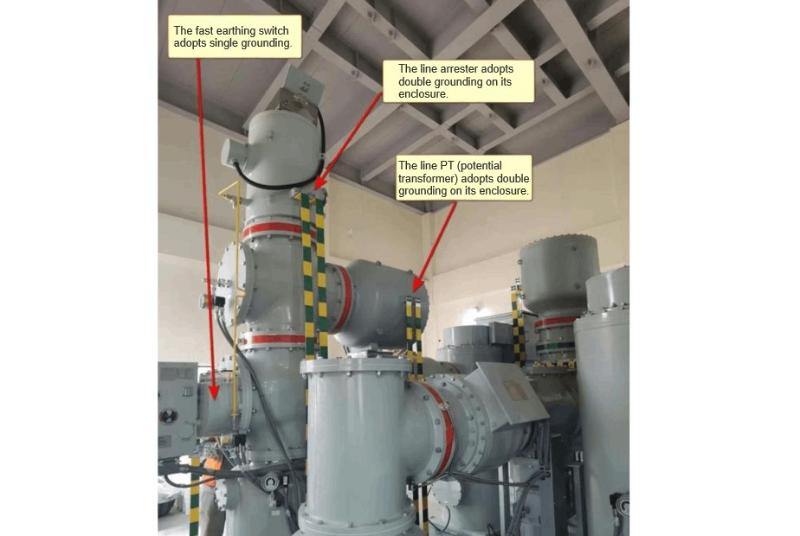
উপরের চিত্রে প্রদর্শিত উপায়ন সম্পর্কে কিছু বিশেষজ্ঞ মন্তব্য করেছেন যে, দ্রুত গ্রাউন্ডিং সুইচটিও গ্রাউন্ডিং ব্লকের সাথে সরাসরি দুটি গ্রাউন্ডিং তার ব্যবহার করা উচিত। এই বিষয়ে আমরা বিশেষভাবে নির্মাতাকে পরামর্শ করেছি, এবং নির্মাতার উত্তরে বলা হয়েছে যে, অবশ্যই দুটি সরাসরি গ্রাউন্ডিং-এর কোনো প্রয়োজন নেই—শুধুমাত্র সরাসরি গ্রাউন্ডিং প্রয়োজন, যদি গ্রাউন্ডিং তারটি প্রয়োজনীয় গ্রাউন্ডিং ফল্ট বিদ্যুৎ প্রবাহ বহন করতে পারে।