• Product
  • Suppliers
  • Manufacturers
  • Solutions
  • Free tools
  • Knowledges
  • Experts
  • Communities
Search


Free Expert Guides on Power Systems, Circuit Design & Electrical Troubleshooting

Access free engineering resources from IEE Business—covering power design, circuit layout, equipment selection, and troubleshooting. Expert-developed guides help engineers, procurement, and project teams make better decisions. Stay ahead on smart grids, renewables, efficiency, and AI tools. Improve reliability, reduce downtime, and enhance outcomes with real-world solutions. Explore our knowledge hub today.
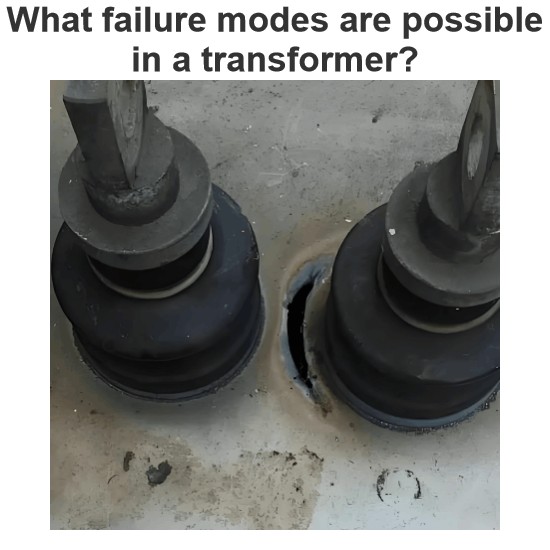
What failure modes are possible in a transformer? How to identify and fix these failures?
Transformers are critical components in power systems, and various failure modes can affect their operation. Timely identification and resolution of these failure modes are essential to prevent costly downtime and ensure system reliability. Below are some common transformer failure modes, along with methods to identify and address them: Insulation FailureIdentification: Insulation failure leads to decreased insulation resistance, which can be detected through insulation resistance testing (megge
09/02/2025
Consult
Tip
Consult
Tip
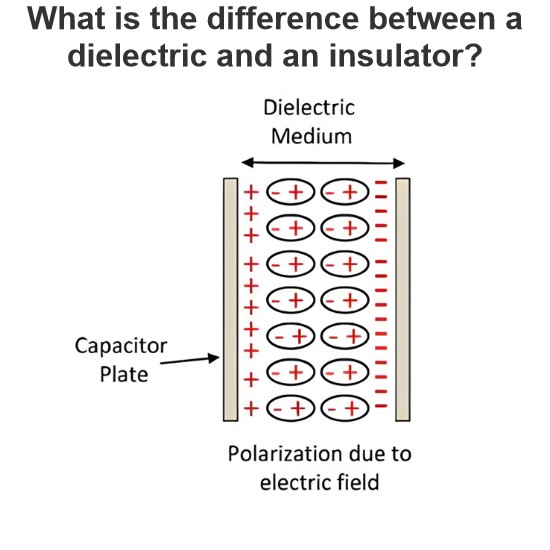
What is the difference between a dielectric and an insulator?
Dielectrics and insulators are distinguished primarily by their applications. One of the main differences is that a dielectric can store electrical energy by becoming polarized in an electric field, whereas an insulator resists the flow of electrons to prevent current conduction. Other key differences between them are outlined in the comparison chart below.Definition of DielectricA dielectric material is a type of insulator that contains few or no free electrons. When subjected to an electric fi
08/30/2025
Consult
Tip
Consult
Tip
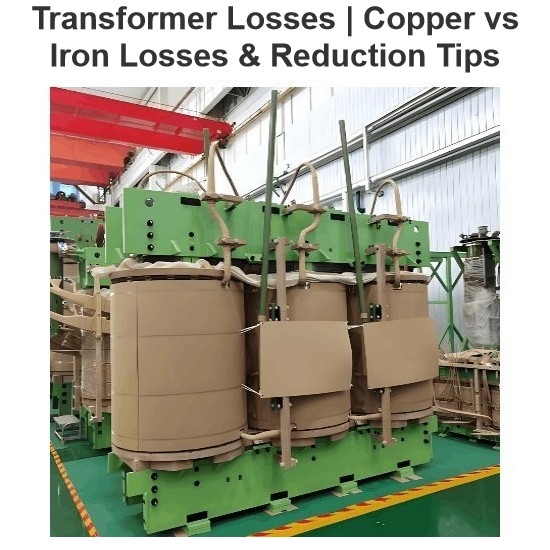
Transformer Losses | Copper vs Iron Losses & Reduction Tips
Transformers experience various types of losses during operation, primarily categorized into two main types: copper losses and iron losses.Copper LossesCopper losses, also known as I²R losses, are caused by the electrical resistance of the transformer windings—typically made of copper. As current flows through the windings, energy is dissipated in the form of heat. These losses are proportional to the square of the load current (I²R), meaning they increase significant
08/29/2025
Consult
Tip
Consult
Tip
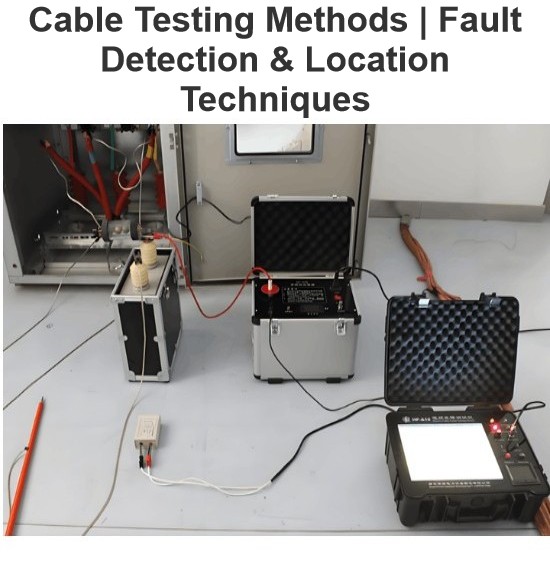
Cable Testing Methods | Fault Detection & Location Techniques
I. Methods for Cable Testing and Inspection: Insulation Resistance Test: Use an insulation resistance tester to measure the insulation resistance value of the cable. A high insulation resistance value indicates good insulation, while a low value may suggest insulation problems requiring further investigation. Voltage Withstand Test: Apply a high-voltage test using a high-voltage tester to verify whether the cable can withstand high voltage under its rated operating conditions. Under normal circu
08/29/2025
Consult
Tip
Consult
Tip
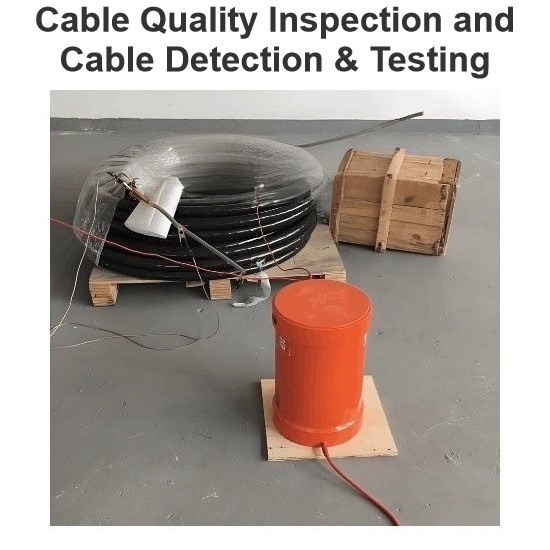
Cable Quality Inspection and Cable Detection & Testing
Power cable quality inspection and cable testing are conducted to ensure that the cable's quality and performance meet specified requirements, thereby guaranteeing the safe and stable operation of power systems. Below are some common contents of power cable quality inspection and cable testing: Visual Inspection: Check the cable surface for physical defects such as damage, deformation, or scratches to ensure the cable's exterior is intact. Dimensional Measurement: Measure dimensional parameters
08/29/2025
Consult
Tip
Consult
Tip
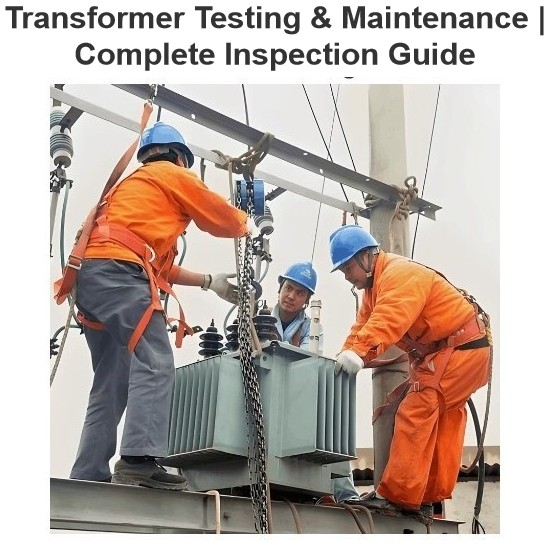
Transformer Testing & Maintenance | Complete Inspection Guide
Transformer testing, inspection, and maintenance are essential tasks to ensure normal operation and extend the service life of transformers. Below are some recommended steps: Visual Inspection: Regularly inspect the transformer's exterior, including the enclosure, cooling system, and oil tank. Ensure the enclosure is intact, free from corrosion, damage, or leakage. Insulation Resistance Testing: Use an insulation resistance tester to check the transformer's insulation system. Verify that the ins
08/29/2025
Consult
Tip
Consult
Tip
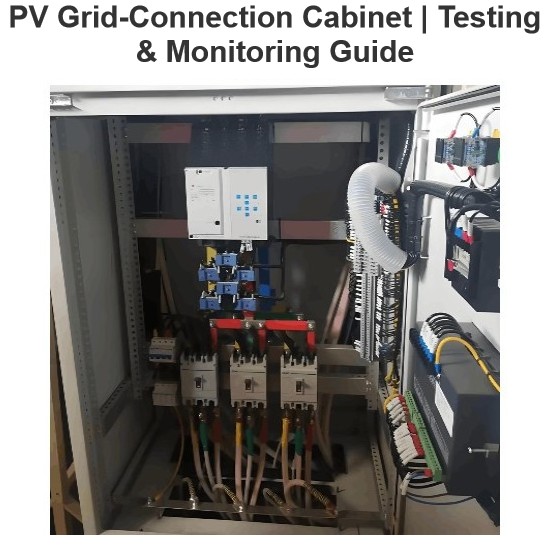
PV Grid-Connection Cabinet | Testing & Monitoring Guide
Photovoltaic (PV) Grid-Connection CabinetA photovoltaic (PV) grid-connection cabinet, also known as a PV grid-connection box or PV AC interface cabinet, is an electrical device used in solar photovoltaic power generation systems. It is primarily responsible for converting the direct current (DC) electricity generated by a PV system into alternating current (AC) and connecting it to the utility grid.Main Components of a PV Grid-Connection Cabinet: DC Input Terminals: Receive DC power generated by
08/28/2025
Consult
Tip
Consult
Tip
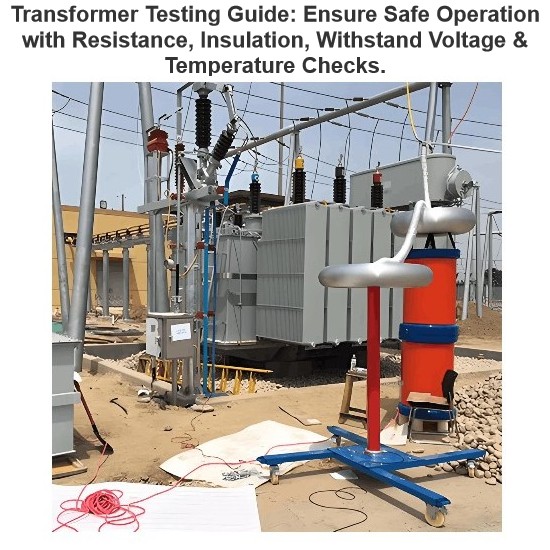
Transformer Testing Guide: Ensure Safe Operation with Resistance, Insulation, Withstand Voltage & Temperature Checks.
I. DC Resistance Test of Transformer Primary and Secondary Windings:The DC resistance of transformer primary and secondary windings can be measured using the four-wire (Kelvin) method, which is based on principles related to accurate resistance measurement.In the four-wire method, two test leads are connected to both ends of the winding under test, while the other two leads are connected to adjacent winding terminals. An AC power source is then applied to the two leads connected to the adjacent
08/28/2025
Consult
Tip
Consult
Tip
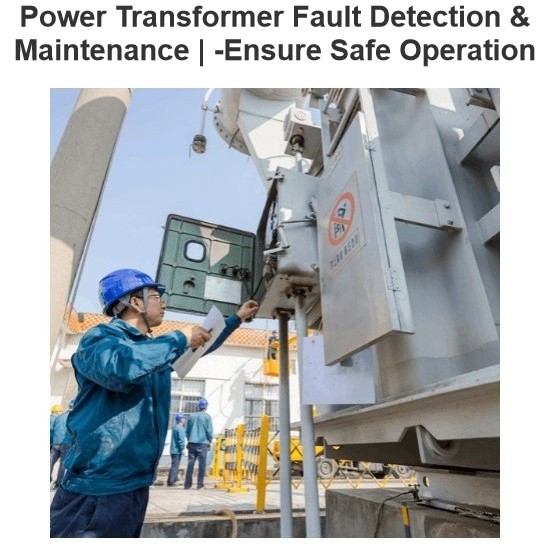
Power Transformer Fault Detection & Maintenance | -Ensure Safe Operation
Power transformer fault detection and repair typically require operation by experienced and qualified technical personnel. Below are some common steps for power transformer fault detection and maintenance:I. Check the transformer’s input and output voltage, current, temperature, and other parameters to ensure they are within normal ranges. Carefully read the transformer’s instruction manual to understand its rated voltage and current, temperature limits, and other special req
08/28/2025
Consult
Tip
Consult
Tip
Dry-Type Transformer Maintenance | -Ensure Reliable Operation
I. Key Points for Daily MaintenanceVisual InspectionVisual inspection is the first step during routine patrols. Carefully examine the transformer’s enclosure for any damage or deformation. Enclosure damage not only compromises the transformer’s protective performance but may also expose internal electrical components, increasing safety risks. Additionally, check for dust accumulation, oil stains, or other contaminants on the transformer’s surface. Excessive dust can
08/28/2025
Consult
Tip
Consult
Tip
Send inquiry
+86
Click to upload file
Download
Get the IEE Business Application
Use the IEE-Business app to find equipment, obtain solutions, connect with experts, and participate in industry collaboration anytime, anywhere—fully supporting the development of your power projects and business.