• Product
  • Suppliers
  • Manufacturers
  • Solutions
  • Free tools
  • Knowledges
  • Experts
  • Communities
Search


Free Expert Guides on Power Systems, Circuit Design & Electrical Troubleshooting

Access free engineering resources from IEE Business—covering power design, circuit layout, equipment selection, and troubleshooting. Expert-developed guides help engineers, procurement, and project teams make better decisions. Stay ahead on smart grids, renewables, efficiency, and AI tools. Improve reliability, reduce downtime, and enhance outcomes with real-world solutions. Explore our knowledge hub today.
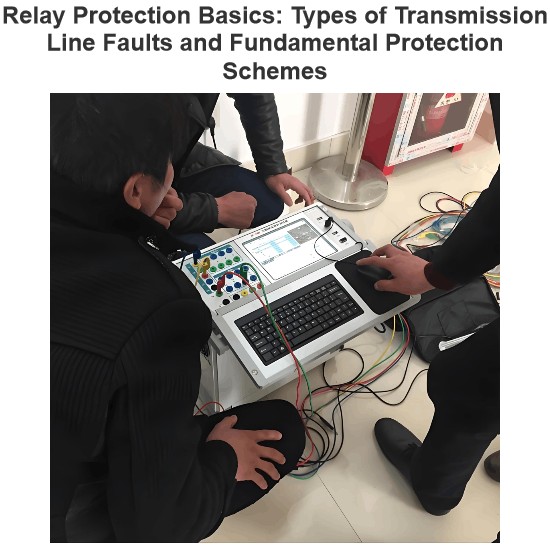
Relay Protection Basics: Types of Transmission Line Faults and Fundamental Protection Schemes
1. Types of Faults on Power LinesPhase-to-Phase Faults: Three-phase short circuit Two-phase short circuitGround Faults: Single-phase to ground fault Two-phase to ground fault Three-phase to ground fault2. Definition of Relay Protection DevicesWhen an abnormality or fault occurs in a component of a power system, relay protection devices are those that can quickly and selectively isolate the faulty or abnormal component from the system, ensuring the continued normal operation of the remaining heal
09/05/2025
Consult
Tip
Consult
Tip
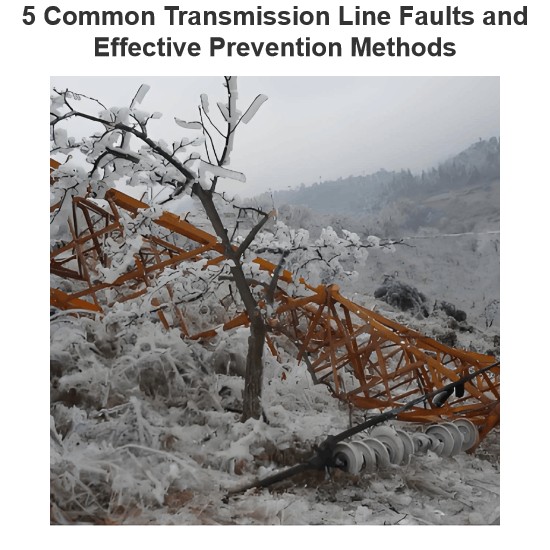
5 Common Transmission Line Faults and Effective Prevention Methods
1. OverviewA transmission line fault is a sudden power interruption caused by various factors. To restore supply and prevent recurrence, operators must first locate the fault point, identify the type, determine the cause, and implement repairs.The most common faults include: Lightning strikes Ice buildup (icing) Wind deviation (wind sway) Bird-related issues Pollution flashover External damageUnderstanding these faults and their prevention is critical for grid reliability.2. Lightning Strike Fau
09/05/2025
Consult
Tip
Consult
Tip
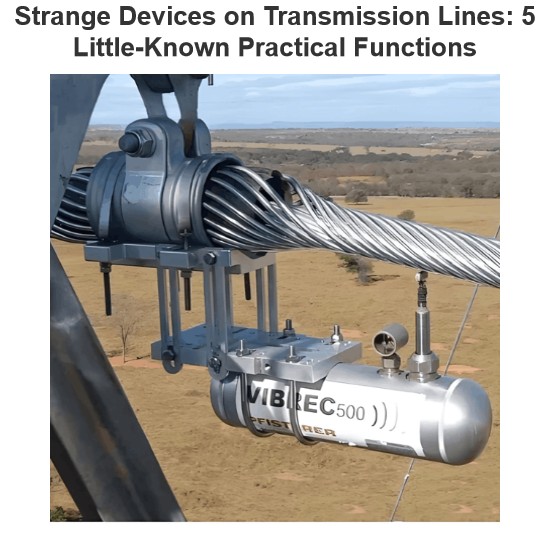
Strange Devices on Transmission Lines: 5 Little-Known Practical Functions(1)
1 Aviation Warning SpheresAviation warning spheres, also known as reflective safety spheres, are used on overhead transmission lines near airports, especially on extra-high-voltage (above 220kV) lines and river-crossing transmission lines. Highly visible aviation marker spheres (aviation warning spheres) must be installed along the lines to provide warning signals.The aviation marker sphere (aviation warning sphere) has a diameter of ф=600mm. The sphere can be manufactured in various bright colo
09/04/2025
Consult
Tip
Consult
Tip
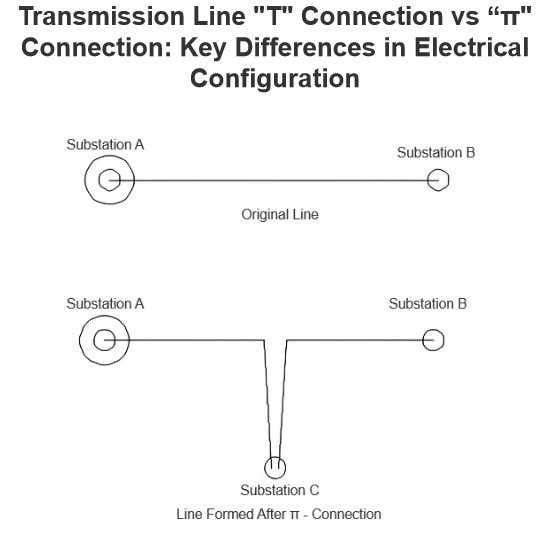
Transmission Line
In transmission lines, a "π" connection involves breaking the original line from Substation A to Substation B and inserting Substation C, forming a "π" configuration. After the "π" connection, the original single line is divided into two independent transmission lines. Following the "π" connection, Substations B and C may both be powered by Substation A (in this case, Substation C receives power via a feeder from Substation B's busbar, or possibly from another voltage point within Substation B);
09/04/2025
Consult
Tip
Consult
Tip
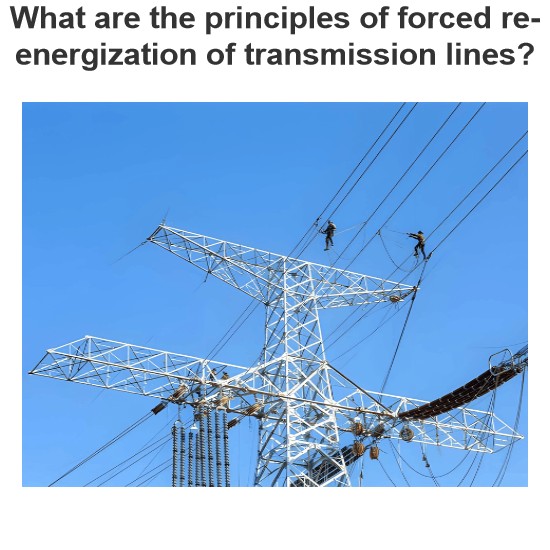
What are the principles of forced re-energization of transmission lines?
Principles of Forced Re-energization of Transmission LinesRegulations for Forced Re-energization of Transmission Lines Correctly select the forced re-energization end of the line. If necessary, change the connection configuration before forced re-energization, taking into account the reduction of short-circuit capacity and its impact on grid stability. There must be a transformer with its neutral point directly grounded on the busbar at the forced re-energization end. Pay attention to the impact
09/04/2025
Consult
Tip
Consult
Tip
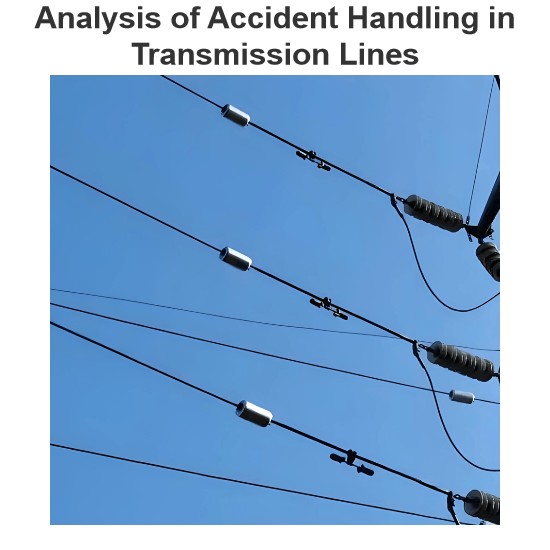
Analysis of Accident Handling in Transmission Lines
Analysis of Transmission Line Fault HandlingAs a fundamental component of the power grid, transmission lines are widely distributed and numerous, often exposed to diverse geographical and climatic conditions, making them highly susceptible to faults. Common causes include overvoltage, pollution flashover, insulation damage, tree encroachment, and external damage. Line tripping is one of the most frequent faults in power plant and substation operations, with fault types including single-phase-to-
09/04/2025
Consult
Tip
Consult
Tip
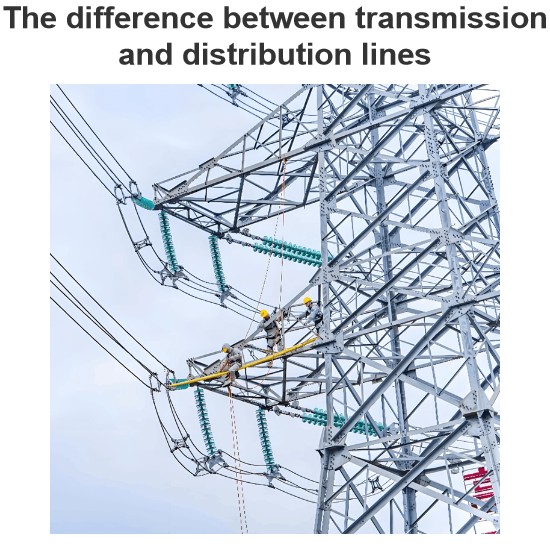
The difference between transmission and distribution lines
Transmission lines and distribution lines are both used to carry electrical power from one location to another. However, they differ significantly in key aspects such as primary function, voltage levels, phase configuration, and conductor placement. These differences are essential for understanding their distinct roles in the power system.The Difference Between Transmission and Distribution Line is given below in the tabulated form.Electricity generation is a critical component of the power syst
09/04/2025
Consult
Tip
Consult
Tip
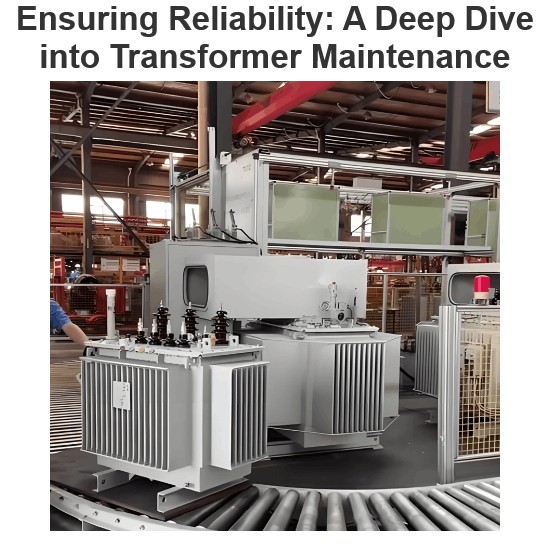
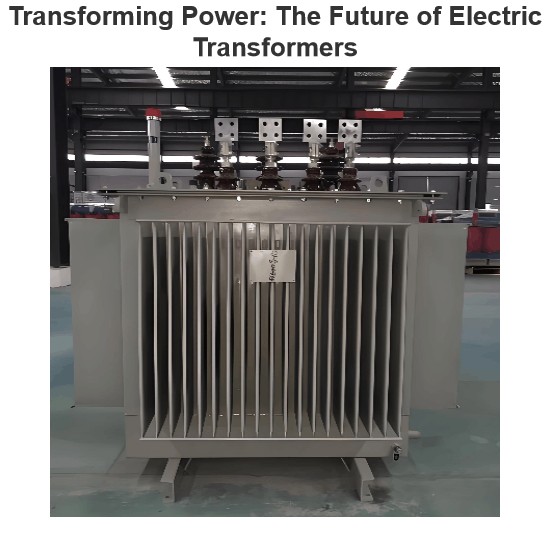
Ensuring Reliability: A Deep Dive into Transformer Maintenance
IntroductionElectric transformers are the backbone of modern power distribution systems, silently enabling the reliable delivery of electricity to homes, businesses, and industries. As these critical assets age and the demand for uninterrupted power grows, the importance of diligent transformer maintenance has never been greater. This essay explores the essential role of transformer maintenance, highlighting the value of proactive care, the impact of advanced diagnostic technologies, and the tra
09/03/2025
Consult
Tip
Consult
Tip
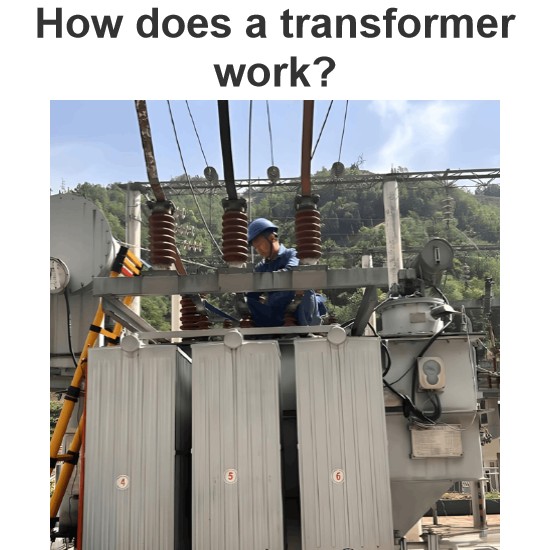
How does a transformer work?
Transformer Operation PrincipleA transformer is an electrical device that operates on the principle of electromagnetic induction to transfer electrical energy from one circuit to another. It enables the adjustment of voltage levels within an alternating current (AC) system, either stepping up (increasing) or stepping down (decreasing) voltage while maintaining the same frequency.Working Principle:Basic ComponentsA transformer consists of two coils, known as windings—the "primary winding" connect
09/03/2025
Consult
Tip
Consult
Tip
What factors need to be considered when designing a transformer?
Transformer design is a complex process that requires consideration of multiple factors to ensure safe and efficient operation. In addition, compliance with international and local regulations is essential to guarantee that transformers meet safety and performance standards. Below are key factors to consider in transformer design and the relevant regulations to follow:Transformer Design Factors: Voltage and Frequency: Determine the input and output voltage levels and the operating frequency. The
09/02/2025
Consult
Tip
Consult
Tip
Send inquiry
+86
Click to upload file
Download
Get the IEE Business Application
Use the IEE-Business app to find equipment, obtain solutions, connect with experts, and participate in industry collaboration anytime, anywhere—fully supporting the development of your power projects and business.