• Product
  • Suppliers
  • Manufacturers
  • Solutions
  • Free tools
  • Knowledges
  • Experts
  • Communities
Search


Free Expert Guides on Power Systems, Circuit Design & Electrical Troubleshooting

Access free engineering resources from IEE Business—covering power design, circuit layout, equipment selection, and troubleshooting. Expert-developed guides help engineers, procurement, and project teams make better decisions. Stay ahead on smart grids, renewables, efficiency, and AI tools. Improve reliability, reduce downtime, and enhance outcomes with real-world solutions. Explore our knowledge hub today.
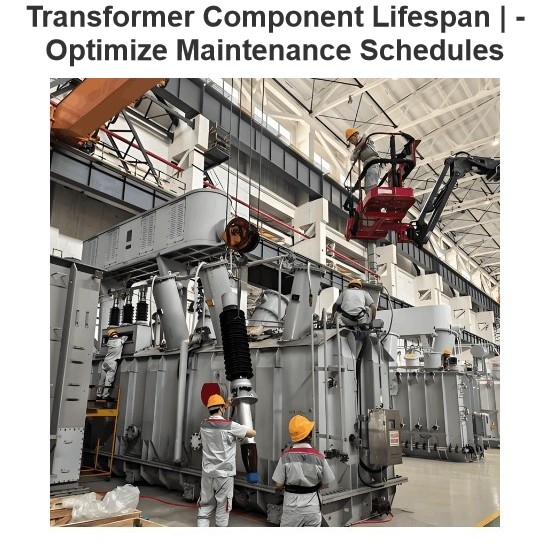
Transformer Component Lifespan | -Optimize Maintenance Schedules
The vulnerable components of a transformer and their replacement cycles must be determined comprehensively based on factors such as transformer type, operating environment, load conditions, and manufacturing processes.Common Vulnerable Components in Oil-Immersed TransformersOil-immersed transformers rely on insulating oil for heat dissipation and insulation. Their core components include the core, windings, insulation system, cooling system, and accessories. Vulnerable parts are primarily concen
08/28/2025
Consult
Tip
Consult
Tip
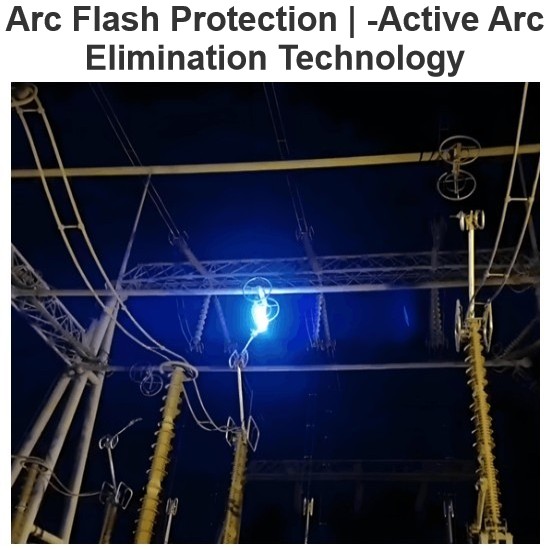
Arc Flash Protection | -Active Arc Elimination Technology
An arc flash is one of the most destructive industrial incidents you might encounter. In an instant, your switchgear can be destroyed, downstream equipment severely damaged, operations shut down for days or weeks, and personnel seriously injured or killed.In certain facilities or applications, the potential risk of arc flash is very low; conventional (arc-flash unprotected) switchgear can be used with minimal risk. However, in most applications, it makes far more sense to rely on equipment incor
08/28/2025
Consult
Tip
Consult
Tip
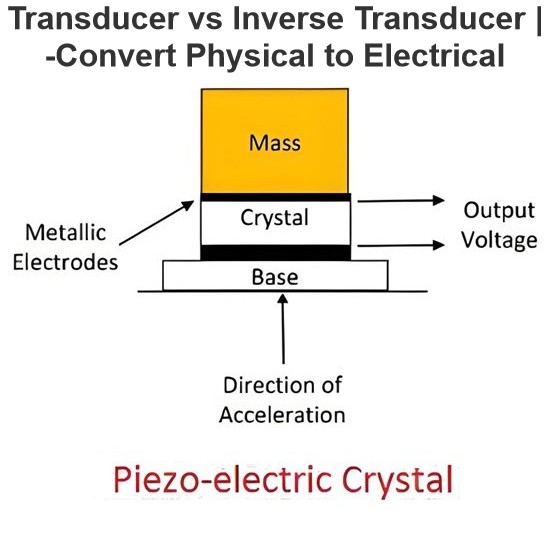
Transducer vs Inverse Transducer | -Convert Physical to Electrical
One of the primary differences between a transducer and an inverse transducer is that a transducer converts a non-electrical quantity into an electrical quantity, whereas an inverse transducer converts an electrical quantity into a non-electrical quantity. Other differences between the two are summarized in the comparison chart below.The control of physical quantities such as flow, rate, position, speed, temperature, and pressure depends on the accurate measurement of these quantities. In simple
08/28/2025
Consult
Tip
Consult
Tip
Let's Talk About Mining Transformers
Mine-Resistant Transformers, also known as Mining Transformers, are specialized electrical devices specifically designed for mining applications. These transformers are essential components in the mining industry, used to convert and distribute electrical power to various mining equipment and facilities. They are custom-engineered to meet the unique demands and challenges of mining environments.Key characteristics and features of mine-resistant transformers include:1. Durability: Mine-resistant
08/28/2025
Consult
Tip
Consult
Tip
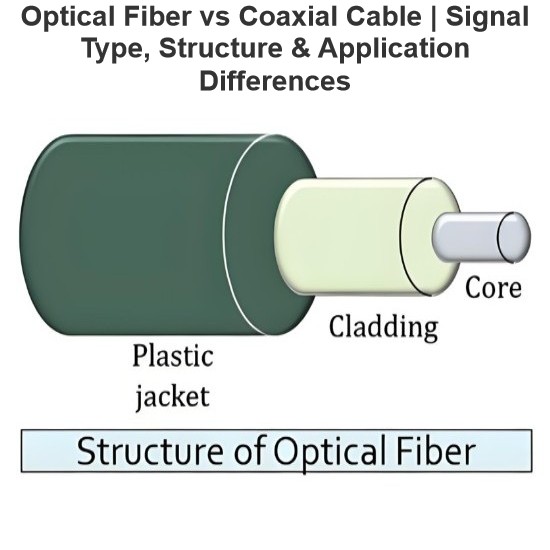
Optical Fiber vs Coaxial Cable | Signal Type, Structure & Application Differences
Both optical fiber and coaxial cable are types of guided transmission media. However, several key factors distinguish the two. The most fundamental difference lies in the type of signal they transmit: optical fiber is designed to carry optical (light) signals, whereas coaxial cable is used for transmitting electrical signals.Definition of Optical FiberOptical fibers are flexible, transparent waveguides used to transmit light signals from one end to another with minimal loss. They are primarily m
08/27/2025
Consult
Tip
Consult
Tip
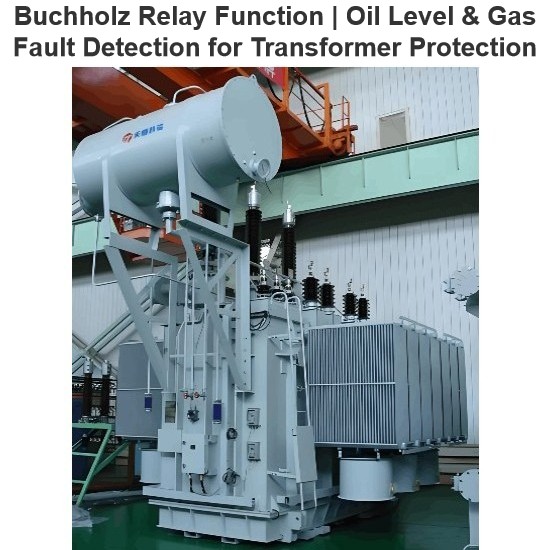
Buchholz Relay Function | Oil Level & Gas Fault Detection for Transformer Protection
Revised and Polished Version:The Buchholz relay is a critical protective device used in oil-immersed transformers, serving multiple key functions to ensure safe and reliable operation:1. Monitoring Oil Level Changes:The relay continuously monitors the oil level within the transformer tank. A drop in oil level—often caused by leaks or oil loss—can compromise the transformer’s insulation and cooling capabilities, potentially leading to overheating or insulation failur
08/27/2025
Consult
Tip
Consult
Tip
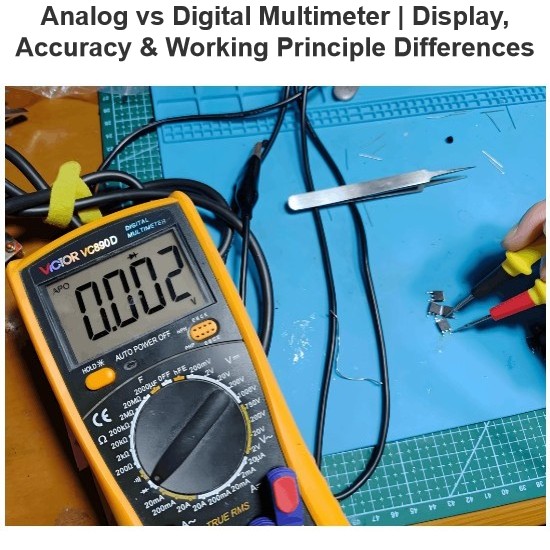
Analog vs Digital Multimeter | Display, Accuracy & Working Principle Differences
We know that multimeters are essential electronic test instruments used to measure various electrical quantities such as voltage, current, and resistance. Multimeters are broadly categorized into two types: analog and digital. The key difference between analog and digital multimeters lies in how they display the measured values—analog multimeters use a moving pointer on a scale, while digital multimeters show readings numerically using digits. In this discussion, we will explore furthe
08/27/2025
Consult
Tip
Consult
Tip
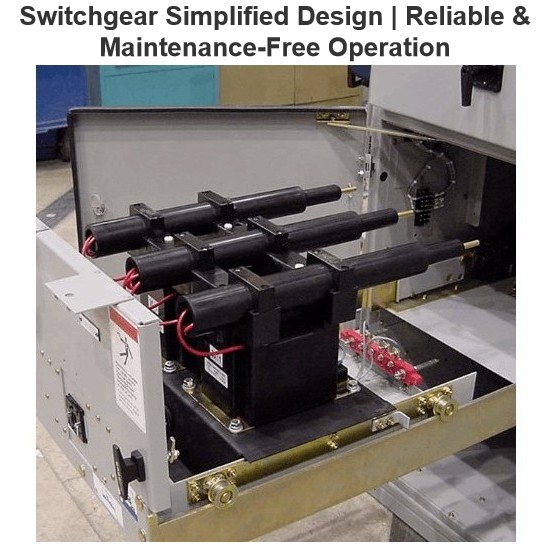
Switchgear Simplified Design | Reliable & Maintenance-Free Operation
Simplicity means fewer components. According to the principle that system reliability equals the product of individual component reliabilities, fewer parts lead to higher reliability.For PT trolleys in air-insulated switchgear, a simplified drawer-type design is adopted. On the cable compartment side, the PT trolley eliminates the need for a 200mm chassis to rack in and dispenses with blossom contacts. Instead, it uses the PT’s built-in fuse and striker mechanism, making direct contact
08/26/2025
Consult
Tip
Consult
Tip
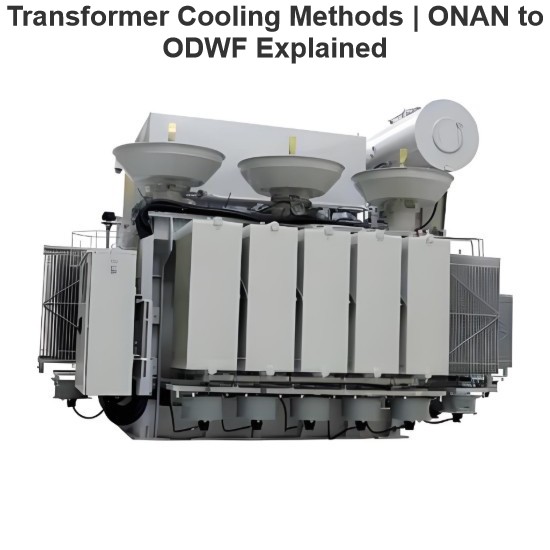
Transformer Cooling Methods | ONAN to ODWF Explained
1. Oil-Immersed Self-Cooling (ONAN)The working principle of oil-immersed self-cooling is to transfer the heat generated inside the transformer to the surface of the tank and cooling tubes through natural convection of the transformer oil. The heat is then dissipated into the surrounding environment via air convection and thermal conduction. This cooling method does not require any dedicated cooling equipment.Applicable to: Products with capacity up to 31,500 kVA and voltage level up to 35 kV; Pr
08/26/2025
Consult
Tip
Consult
Tip
RTDs vs Thermocouples | Key Differences & Applications
RTDs and Thermocouples: Key Temperature SensorsResistance Temperature Detectors (RTDs) and thermocouples are two fundamental types of temperature sensors. While both serve the primary function of measuring temperature, their operational principles differ significantly.An RTD relies on the predictable change in electrical resistance of a single metal element as temperature varies. In contrast, a thermocouple operates based on the Seebeck effect, where a voltage difference (electromotive force, EM
08/26/2025
Consult
Tip
Consult
Tip
Send inquiry
+86
Click to upload file
Download
Get the IEE Business Application
Use the IEE-Business app to find equipment, obtain solutions, connect with experts, and participate in industry collaboration anytime, anywhere—fully supporting the development of your power projects and business.