| Marque | ROCKWILL |
| Série | RHD |
| Tension maximale assignée | 362kV |
| Courant maximal assigné | 3150~5000 A |
| Tension assignable de tenue aux chocs de foudre | 1175/1290 kV |
| Courant assigné de coupure en court-circuit | 40~63 kA |
| Fréquence assignée | 50/60 Hz |
Description
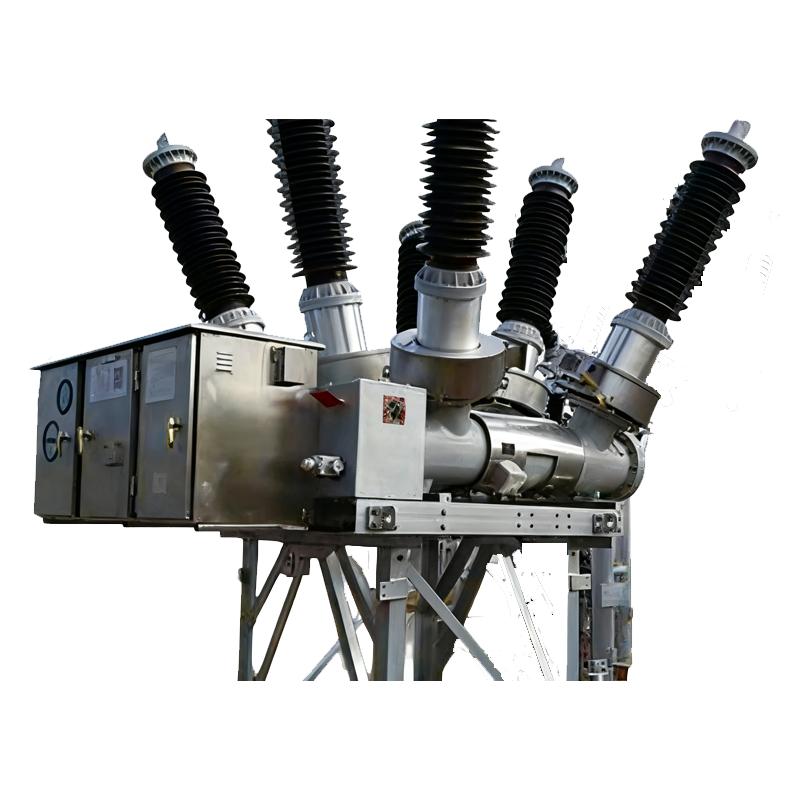
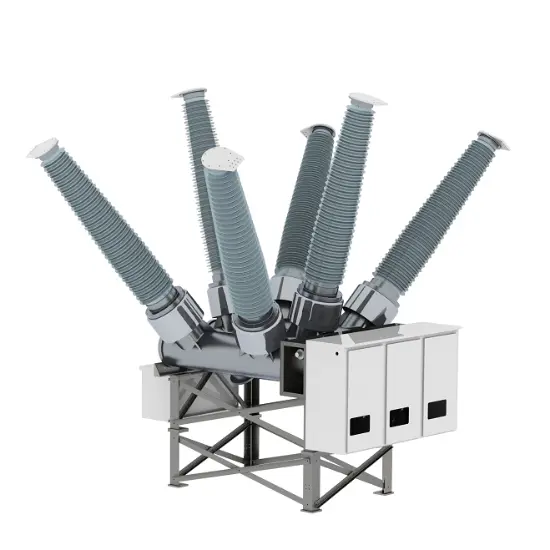
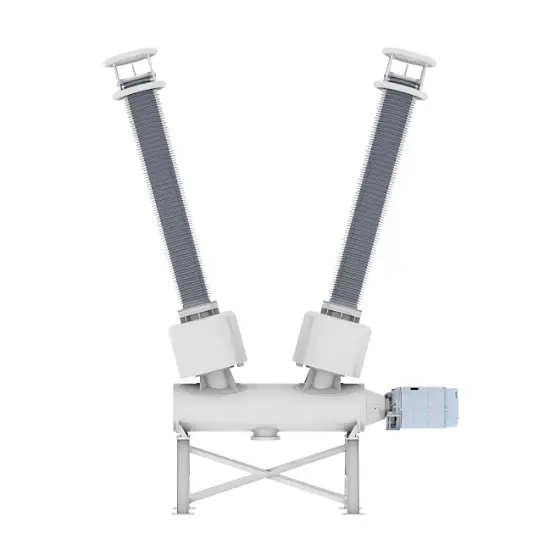
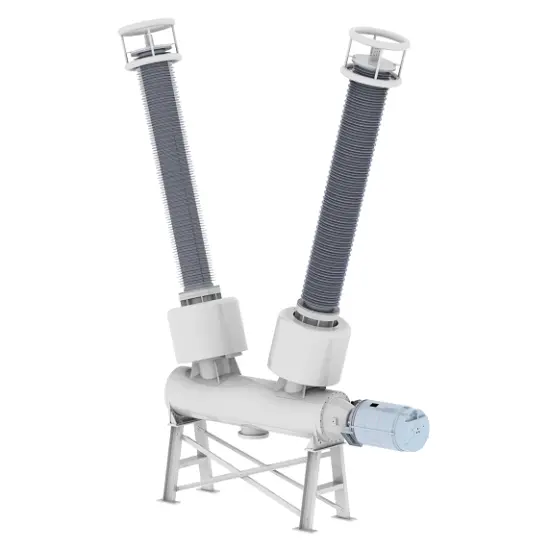
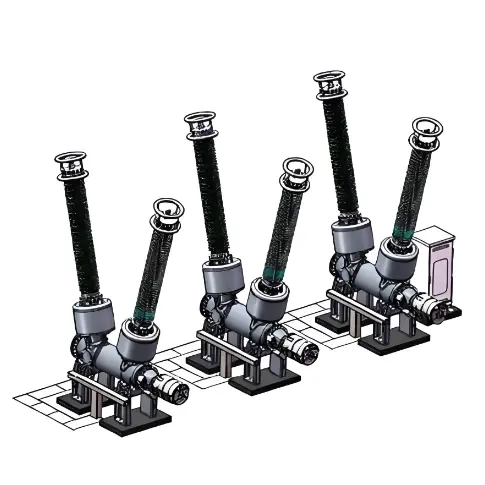
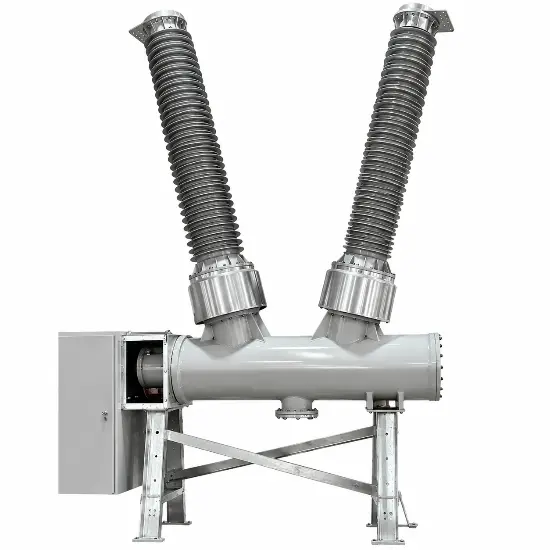
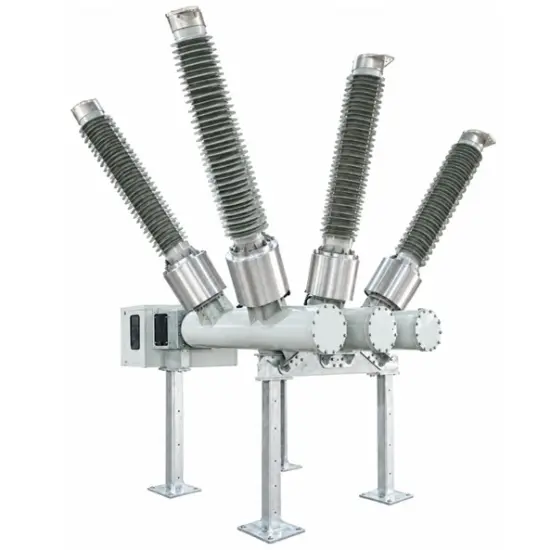
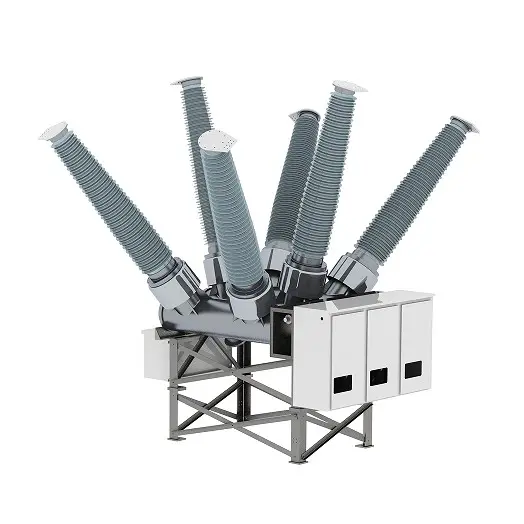
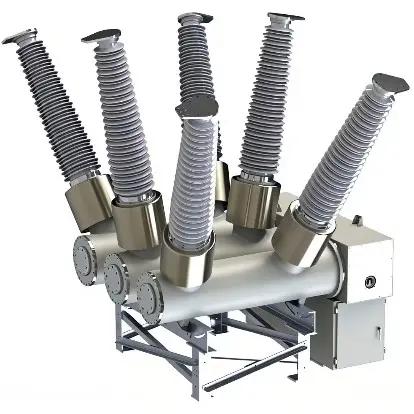
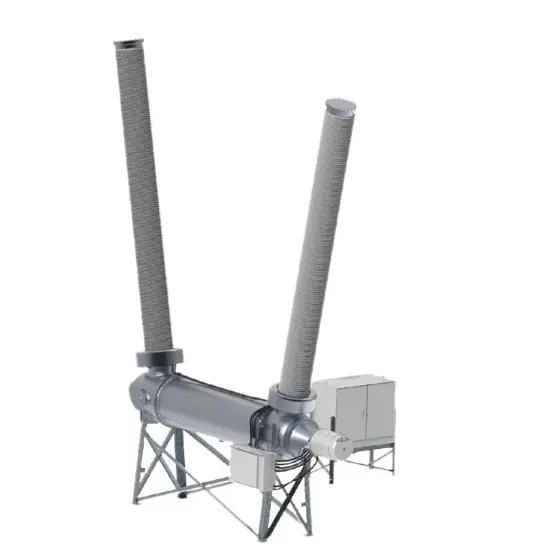
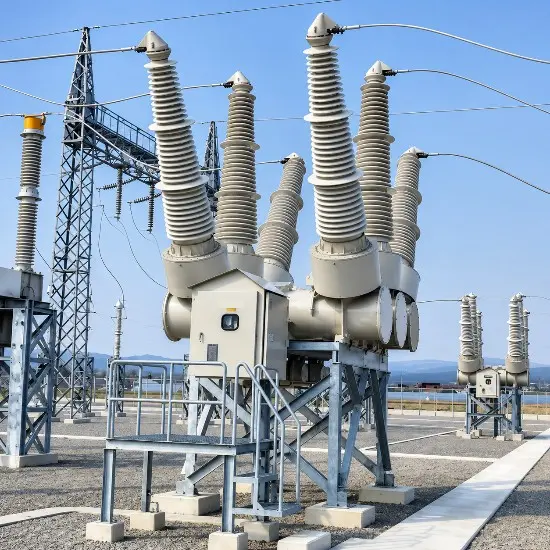
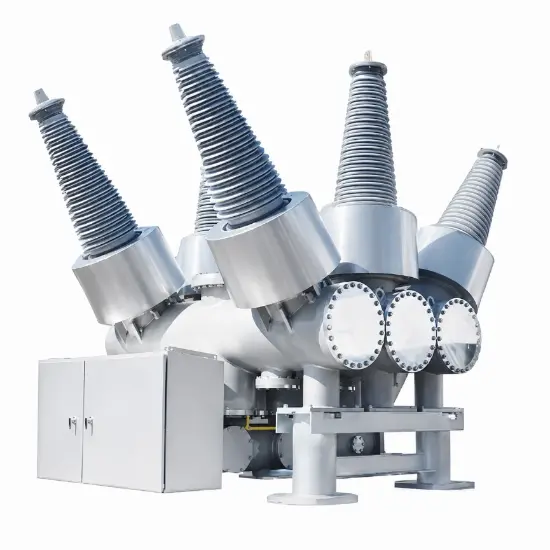
As China's first source factory specializing in GIS tank circuit breakers.225kV, 230kV, 245kV,252kV Outdoor Dead Tank SF6 Circuit Breaker is an outdoor (50Hz) high-voltage power transmission and transformation equipment, which is used to divide and combine rated working current, fault current or conversion lines to achieve protection, control and operation of the power system.
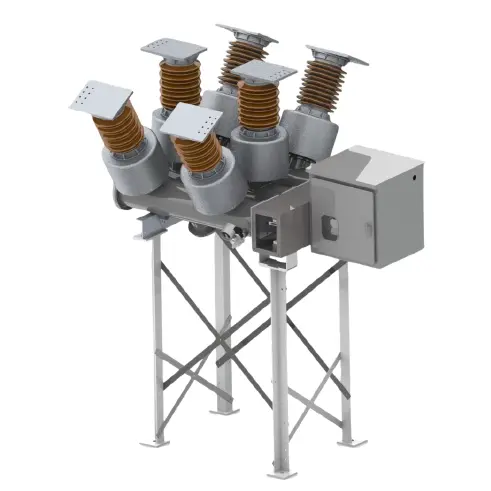
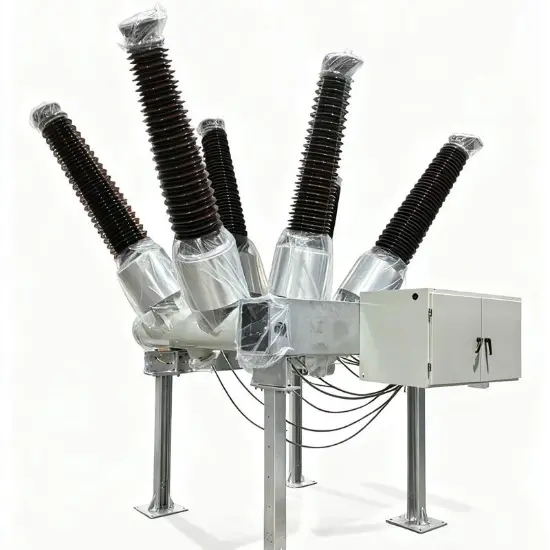
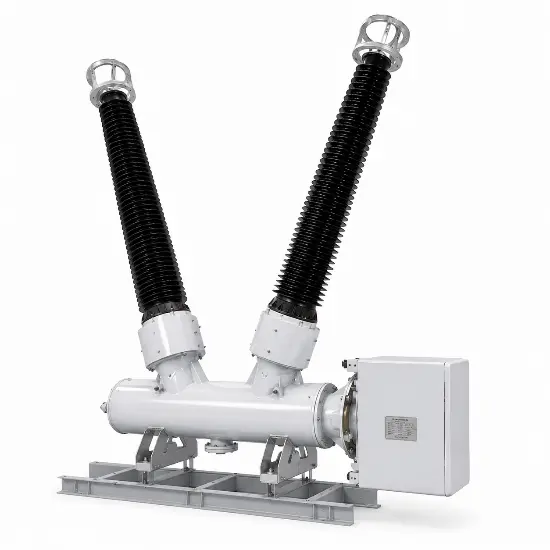
The circuit breaker arc extinguisher adopts the principle of double air chamber and double-action self-energy arc extinguishing, with compact structure, and its technical performance has reached the international level and the domestic advanced level, which is the replacement product of the traditional compressed sulfur hexafluoride circuit breaker. The product is composed of a circuit breaker, a current transformer and an inlet and outlet bushing, and is equipped with a full spring operating mechanism, which can not only carry out split-phase operation, but also realize three-phase electrical linkage.
The product has passed all type tests according to the IEC standards, and has the characteristics of excellent breaking ability, reliable insulation, strong flow capacity, and long electrical and mechanical life.
Main feature
Excellent breaking performance:The self-energy arc extinguishing chamber can meet all terminal short circuits, breaking near area faults, out-of-step faults, out-of-phase grounding faults and line charging currents, etc., with small electrical wear and low arc voltage. The rated short-circuit current can be interrupted 20 times in a row.
Reliable insulation and strong flow capacity:SF6 gas has superior insulation performance and simple and reliable insulation structure. There are few current-carrying contact parts, few contact points, and strong flow capacity.
The structure design is unique:The arc extinguisher has simple structure, few components, light weight, small operating work, high mechanical reliability, and a mechanical life of 10,000 times; The insulation structure of the product has been optimized and designed, which greatly reduces the amount of gas, is conducive to environmental protection, and the structural design is integrated and has strong seismic ability.
Easy to install, maintain and overhaul:The overall commissioning of the factory, rapid on-site assembly, and operation with an integrated spring mechanism, no oil leakage and air leakage, no daily energy storage monitoring requirements, so it is easy to maintain.
Technical specifications
Among these, some SF6 tank circuit breakers cover non-standard voltage levels including 225kV, 230kV, 245kV, 275kV, 330kV, 345kV, 400kV, 756kV, and 800kV, with a rated short-circuit breaking current of 50kA or 63kA, and offer customization services.
Name |
Unit |
Technical Parameters |
|
Rated Voltage |
kV |
252 |
|
Rated Current |
A |
4000 |
|
Rated Frequency |
Hz |
50/60 |
|
First - Pole - To - Clear Factor |
/ |
1.3 |
|
Rated Short - circuit Breaking Current |
kA |
50 |
|
Rated Short - time Withstand Current (Effective Value) |
kA/s |
50/3 |
|
Rated Peak Withstand Current |
kA |
125 |
|
1min Rated Power -frequency Withstand Voltage |
Phase - to - phase/Ground |
kV |
460 |
Break - port |
460(+146) |
||
Rated Lightning ImpulseWithstand (1.2/50μs Peak Value) |
Phase - to - phase/Ground |
1050 |
|
Break - port |
1050(+206) |
||
SF6 Gas (Gauge Pressure, 20 °C |
Rated Gas Pressure |
MPa |
0.60 |
Alarm Gas Pressure |
0.55±0.015 |
||
Lock - out Gas Pressure |
0.50±0.015 |
||
Rated operating sequence |
/ |
O - 0.3s - CO - 180s - CO |
|
Rated out - of - step breaking current |
kA |
12.5 |
|
Short - line - fault breaking current |
kA |
L90:45, L70:35 |
|
Out - of - phase grounding breaking current |
kA |
43.5 |
|
Rated line - charging breaking current |
A |
125 |
|
Number of breaking operations for rated short - circuit breaking current |
times |
20 |
|
Mechanical life |
times |
10000 |
|
Mechanism/operation mode |
/ |
Spring Operating Mechanism/Single - phase Operation |
|
Ambient Temperature:-30℃ ~ +40℃(standard configuration);optional -40℃ ~ +45℃ for extreme cold/hot regions (with special insulation and heating/cooling design).
Altitude:≤ 1000m above sea level(standard);for altitudes 1000m~2000m, insulation performance is enhanced by derating to ensure voltage resistance.
Relative Humidity:Monthly average ≤ 90%(at 25℃);daily average ≤ 95%;no condensation on the tank surface.
Wind Speed:Maximum sustained wind speed ≤ 34m/s(12-level wind);instantaneous gust ≤ 50m/s.
Atmospheric Conditions:Suitable for areas free of severe dust, corrosive gases(such as sulfur dioxide, ammonia), flammable gases, and conductive pollutants;for coastal or industrial areas with salt fog, optional anti-corrosion coating and sealed insulation structure are available.
Seismic Resistance:Seismic intensity ≤ 8 degrees;horizontal acceleration ≤ 0.2g, vertical acceleration ≤ 0.1g(conforms to GB/T 13540 or IEC 60068-2-57 standards).
Rainfall:Maximum rainfall intensity ≤ 100mm/h;no long-term heavy rain erosion on the upper casing.
Structure intégrale du réservoir : La chambre d'extinction d'arc, le milieu isolant et les composants associés sont scellés dans un réservoir métallique rempli de gaz isolant (comme l'hexafluorure de soufre) ou d'huile isolante. Cela forme un espace relativement indépendant et scellé, empêchant efficacement les facteurs environnementaux externes d'affecter les composants internes. Cette conception améliore les performances d'isolation et la fiabilité de l'équipement, le rendant adapté à divers environnements extérieurs difficiles.
Disposition de la chambre d'extinction d'arc : La chambre d'extinction d'arc est généralement installée à l'intérieur du réservoir. Sa structure est conçue pour être compacte, permettant une extinction d'arc efficace dans un espace limité. En fonction des principes et technologies d'extinction d'arc différents, la construction spécifique de la chambre d'extinction d'arc peut varier, mais elle comprend généralement des composants clés tels que les contacts, les buses et les matériaux isolants. Ces composants travaillent ensemble pour s'assurer que l'arc est rapidement et efficacement éteint lorsque l'interrupteur interrompt le courant.
Mécanisme d'exploitation : Les mécanismes d'exploitation courants incluent les mécanismes à ressort et les mécanismes hydrauliques.
Mécanisme à ressort : Ce type de mécanisme est simple en structure, très fiable et facile à entretenir. Il entraîne les opérations d'ouverture et de fermeture de l'interrupteur par le stockage et la libération de l'énergie des ressorts.
Mécanisme hydraulique : Ce mécanisme offre des avantages tels qu'une puissance de sortie élevée et une opération fluide, ce qui le rend adapté aux interrupteurs de classe haute tension et haute intensité.
Le taux de fuite du gaz SF₆ doit être contrôlé à un niveau extrêmement bas, généralement ne dépassant pas 1% par an. Le gaz SF₆ est un puissant gaz à effet de serre, dont l'effet de serre est 23 900 fois supérieur à celui du dioxyde de carbone. En cas de fuite, cela peut non seulement causer une pollution environnementale, mais aussi entraîner une diminution de la pression du gaz dans la chambre d’extinction d’arc, affectant ainsi les performances et la fiabilité du disjoncteur.
Pour surveiller les fuites de gaz SF₆, des dispositifs de détection de fuite de gaz sont généralement installés sur les disjoncteurs de type cuve. Ces dispositifs permettent d'identifier rapidement toute fuite afin que des mesures appropriées puissent être prises pour résoudre le problème.
Lors du fonctionnement normal et des processus d'interruption d'un disjoncteur, le gaz SF₆ peut se décomposer, produisant divers produits de décomposition tels que SF₄, S₂F₂, SOF₂, HF et SO₂. Ces produits de décomposition sont souvent corrosifs, toxiques ou irritants, et nécessitent donc une surveillance. Si la concentration de ces produits de décomposition dépasse certaines limites, cela peut indiquer des décharges anormales ou d'autres défauts à l'intérieur de la chambre d'extinction d'arc. Une maintenance et un traitement en temps opportun sont nécessaires pour prévenir d'éventuels dommages supplémentaires au matériel et pour protéger la santé du personnel.













 Connexion