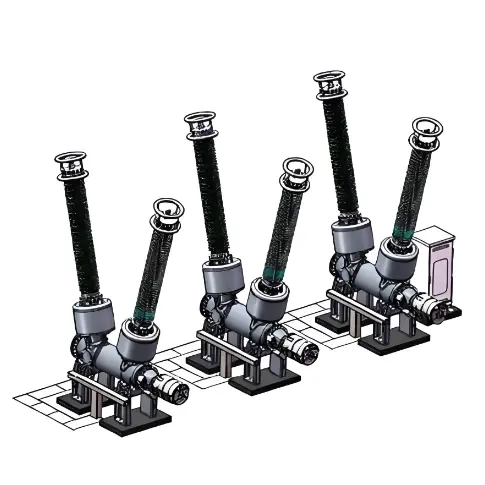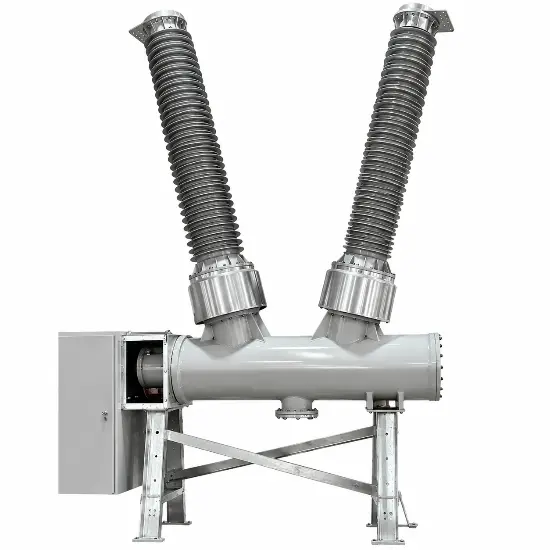
| Marca | ROCKWILL |
| Serie | RHD |
| Tensione massima nominale | 362kV |
| Corrente massima nominale | 3150~5000 A |
| Tensione di tenuta all'impulso di fulmine | 1175/1290 kV |
| Corrente nominale di interruzione in cortocircuito | 40~63 kA |
| Frequenza nominale | 50/60 Hz |
Description
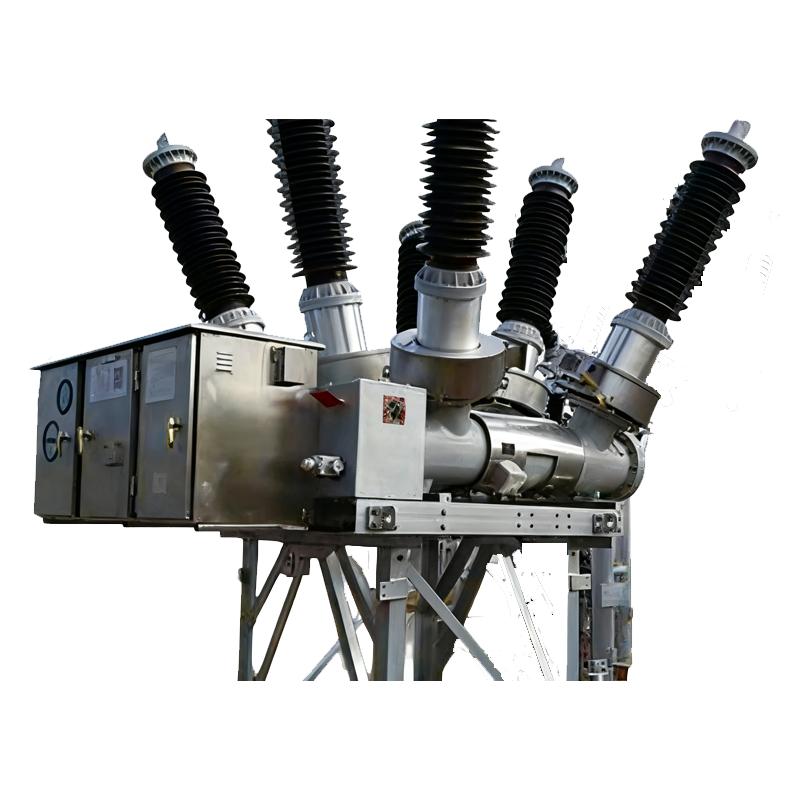
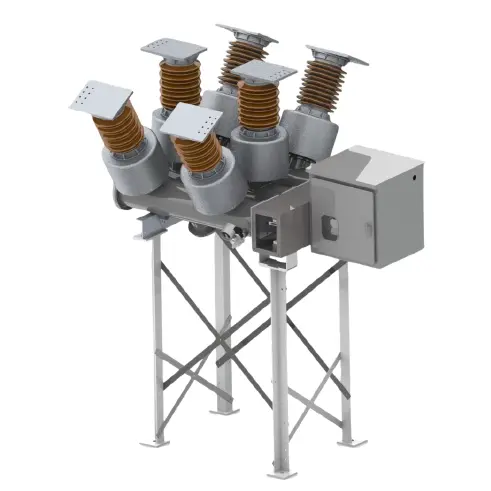
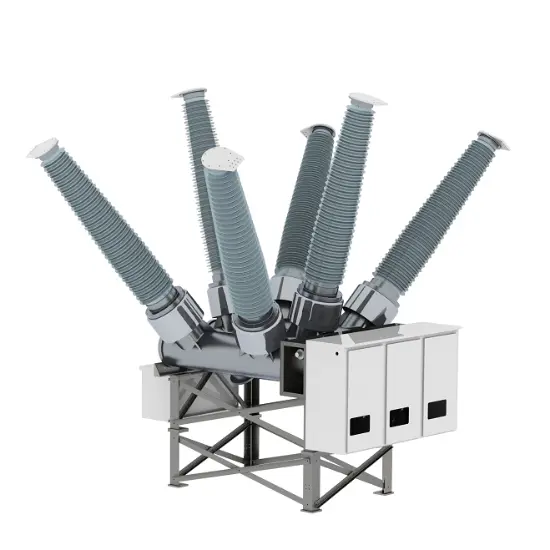
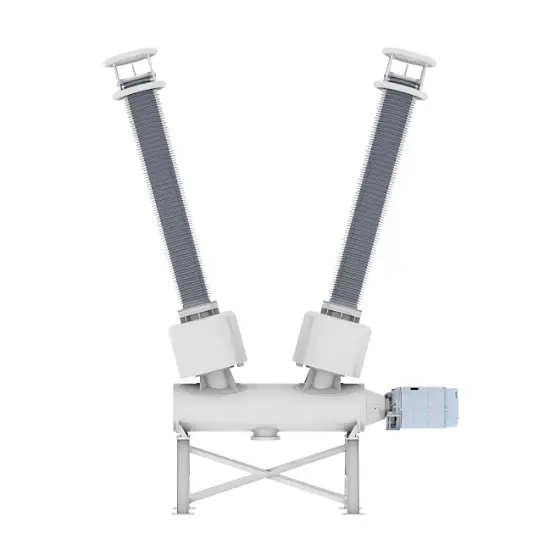
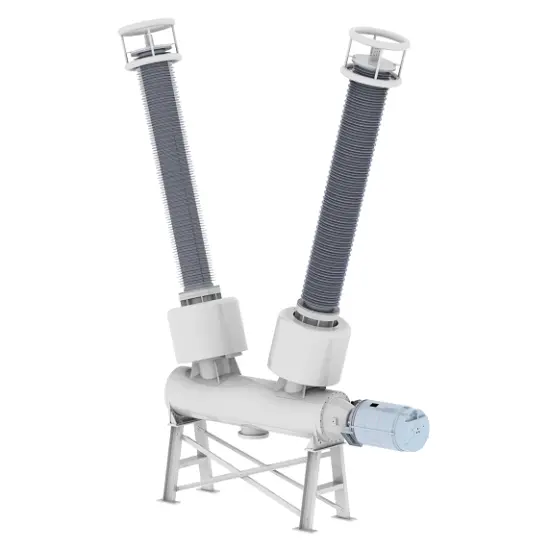
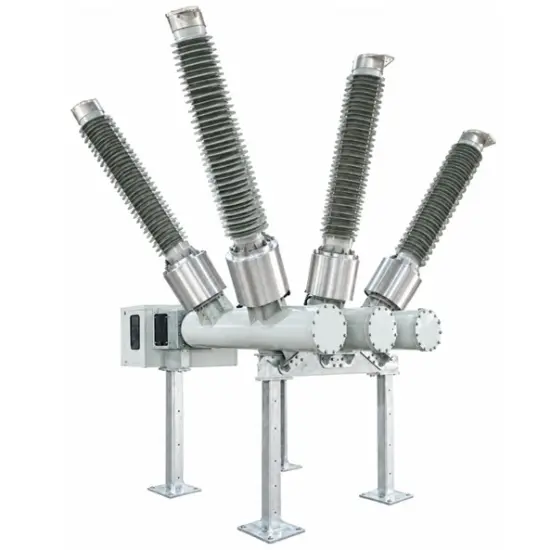
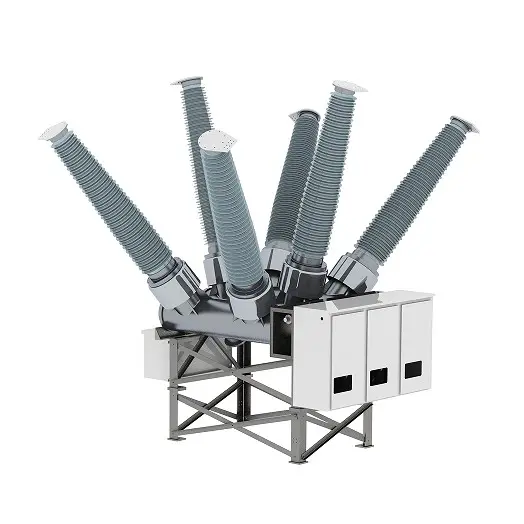
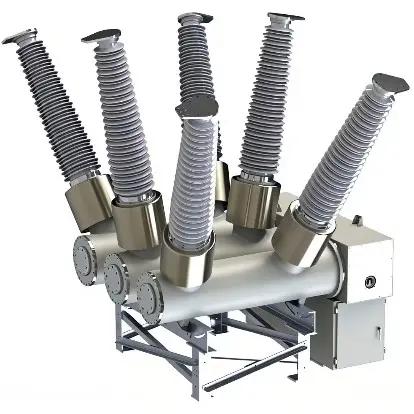
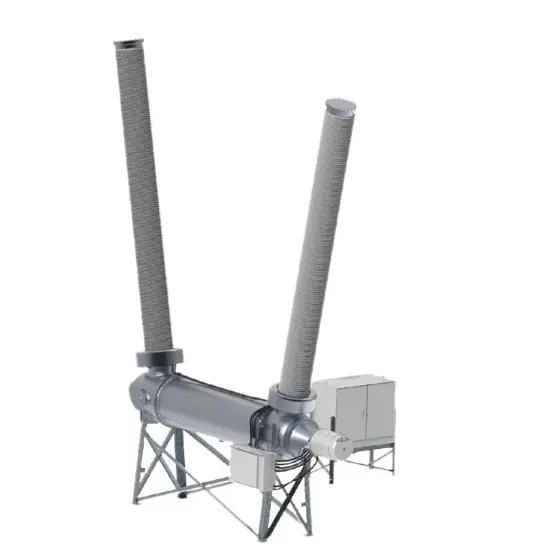
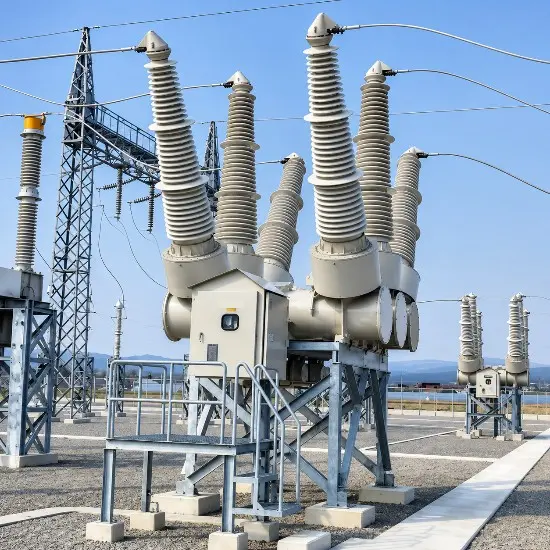
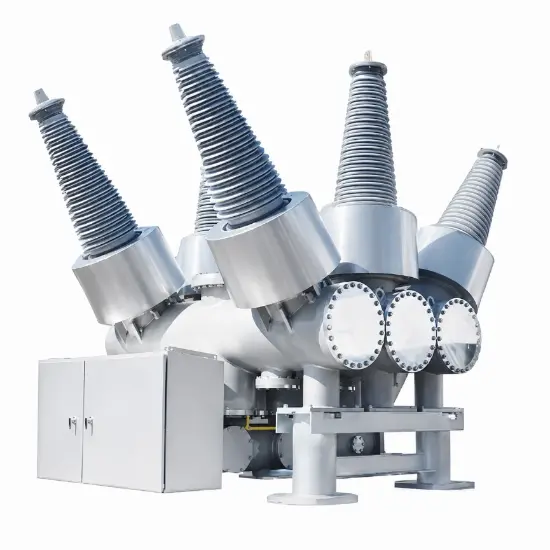
As China's first source factory specializing in GIS tank circuit breakers.225kV, 230kV, 245kV,252kV Outdoor Dead Tank SF6 Circuit Breaker is an outdoor (50Hz) high-voltage power transmission and transformation equipment, which is used to divide and combine rated working current, fault current or conversion lines to achieve protection, control and operation of the power system.
The circuit breaker arc extinguisher adopts the principle of double air chamber and double-action self-energy arc extinguishing, with compact structure, and its technical performance has reached the international level and the domestic advanced level, which is the replacement product of the traditional compressed sulfur hexafluoride circuit breaker. The product is composed of a circuit breaker, a current transformer and an inlet and outlet bushing, and is equipped with a full spring operating mechanism, which can not only carry out split-phase operation, but also realize three-phase electrical linkage.
The product has passed all type tests according to the IEC standards, and has the characteristics of excellent breaking ability, reliable insulation, strong flow capacity, and long electrical and mechanical life.
Main feature
Excellent breaking performance:The self-energy arc extinguishing chamber can meet all terminal short circuits, breaking near area faults, out-of-step faults, out-of-phase grounding faults and line charging currents, etc., with small electrical wear and low arc voltage. The rated short-circuit current can be interrupted 20 times in a row.
Reliable insulation and strong flow capacity:SF6 gas has superior insulation performance and simple and reliable insulation structure. There are few current-carrying contact parts, few contact points, and strong flow capacity.
The structure design is unique:The arc extinguisher has simple structure, few components, light weight, small operating work, high mechanical reliability, and a mechanical life of 10,000 times; The insulation structure of the product has been optimized and designed, which greatly reduces the amount of gas, is conducive to environmental protection, and the structural design is integrated and has strong seismic ability.
Easy to install, maintain and overhaul:The overall commissioning of the factory, rapid on-site assembly, and operation with an integrated spring mechanism, no oil leakage and air leakage, no daily energy storage monitoring requirements, so it is easy to maintain.
Technical specifications
Among these, some SF6 tank circuit breakers cover non-standard voltage levels including 225kV, 230kV, 245kV, 275kV, 330kV, 345kV, 400kV, 756kV, and 800kV, with a rated short-circuit breaking current of 50kA or 63kA, and offer customization services.
Name |
Unit |
Technical Parameters |
|
Rated Voltage |
kV |
252 |
|
Rated Current |
A |
4000 |
|
Rated Frequency |
Hz |
50/60 |
|
First - Pole - To - Clear Factor |
/ |
1.3 |
|
Rated Short - circuit Breaking Current |
kA |
50 |
|
Rated Short - time Withstand Current (Effective Value) |
kA/s |
50/3 |
|
Rated Peak Withstand Current |
kA |
125 |
|
1min Rated Power -frequency Withstand Voltage |
Phase - to - phase/Ground |
kV |
460 |
Break - port |
460(+146) |
||
Rated Lightning ImpulseWithstand (1.2/50μs Peak Value) |
Phase - to - phase/Ground |
1050 |
|
Break - port |
1050(+206) |
||
SF6 Gas (Gauge Pressure, 20 °C |
Rated Gas Pressure |
MPa |
0.60 |
Alarm Gas Pressure |
0.55±0.015 |
||
Lock - out Gas Pressure |
0.50±0.015 |
||
Rated operating sequence |
/ |
O - 0.3s - CO - 180s - CO |
|
Rated out - of - step breaking current |
kA |
12.5 |
|
Short - line - fault breaking current |
kA |
L90:45, L70:35 |
|
Out - of - phase grounding breaking current |
kA |
43.5 |
|
Rated line - charging breaking current |
A |
125 |
|
Number of breaking operations for rated short - circuit breaking current |
times |
20 |
|
Mechanical life |
times |
10000 |
|
Mechanism/operation mode |
/ |
Spring Operating Mechanism/Single - phase Operation |
|
Ambient Temperature:-30℃ ~ +40℃(standard configuration);optional -40℃ ~ +45℃ for extreme cold/hot regions (with special insulation and heating/cooling design).
Altitude:≤ 1000m above sea level(standard);for altitudes 1000m~2000m, insulation performance is enhanced by derating to ensure voltage resistance.
Relative Humidity:Monthly average ≤ 90%(at 25℃);daily average ≤ 95%;no condensation on the tank surface.
Wind Speed:Maximum sustained wind speed ≤ 34m/s(12-level wind);instantaneous gust ≤ 50m/s.
Atmospheric Conditions:Suitable for areas free of severe dust, corrosive gases(such as sulfur dioxide, ammonia), flammable gases, and conductive pollutants;for coastal or industrial areas with salt fog, optional anti-corrosion coating and sealed insulation structure are available.
Seismic Resistance:Seismic intensity ≤ 8 degrees;horizontal acceleration ≤ 0.2g, vertical acceleration ≤ 0.1g(conforms to GB/T 13540 or IEC 60068-2-57 standards).
Rainfall:Maximum rainfall intensity ≤ 100mm/h;no long-term heavy rain erosion on the upper casing.
Struttura Integrata del Serbatoio: La camera di spegnimento dell'arco, il mezzo isolante e i componenti correlati sono sigillati all'interno di un serbatoio metallico riempito con un gas isolante (come l'esaoxifluoruro di zolfo) o con olio isolante. Questo forma uno spazio relativamente indipendente e sigillato, prevenendo efficacemente la contaminazione da fattori ambientali esterni sui componenti interni. Questa progettazione migliora le prestazioni isolanti e la affidabilità dell'equipaggiamento, rendendolo adatto a vari ambienti esterni difficili.
Disposizione della Camera di Spegnimento dell'Arco: La camera di spegnimento dell'arco è tipicamente installata all'interno del serbatoio. La sua struttura è progettata per essere compatta, permettendo un efficiente spegnimento dell'arco in uno spazio limitato. A seconda dei diversi principi e tecnologie di spegnimento dell'arco, la costruzione specifica della camera di spegnimento dell'arco può variare, ma generalmente include componenti chiave come contatti, ugelli e materiali isolanti. Questi componenti lavorano insieme per assicurare che l'arco venga rapidamente e efficacemente spento quando l'interruttore interrompe la corrente.
Mechanismo Operativo: I meccanismi operativi comuni includono meccanismi a molla e meccanismi idraulici.
Mechanismo a Molla: Questo tipo di meccanismo ha una struttura semplice, è altamente affidabile e facile da mantenere. Esso guida le operazioni di apertura e chiusura dell'interruttore attraverso lo stoccaggio e il rilascio di energia delle molle.
Mechanismo Idraulico: Questo meccanismo offre vantaggi come alta potenza di uscita e funzionamento fluido, rendendolo adatto per interruttori di classe alta tensione e alta corrente.
Il tasso di perdita del gas SF₆ deve essere controllato ad un livello estremamente basso, tipicamente non superiore allo 1% all'anno. Il gas SF₆ è un potente gas serra, con un effetto serra 23.900 volte superiore a quello del biossido di carbonio. In caso di perdita, può non solo causare inquinamento ambientale, ma anche portare a una diminuzione della pressione del gas all'interno della camera di spegnimento dell'arco, influendo sulle prestazioni e sulla affidabilità dell'interruttore.
Per monitorare le perdite di gas SF₆, sono tipicamente installati dispositivi di rilevamento delle perdite di gas sugli interruttori a serbatoio. Questi dispositivi aiutano a identificare prontamente eventuali perdite, in modo da poter adottare le misure appropriate per risolvere il problema.
Durante le normali operazioni e i processi di interruzione di un interruttore, il gas SF₆ può decomporre, producendo vari prodotti di decomposizione come SF₄, S₂F₂, SOF₂, HF e SO₂. Questi prodotti di decomposizione sono spesso corrosivi, tossici o irritanti e quindi richiedono monitoraggio.Se la concentrazione di questi prodotti di decomposizione supera certi limiti, ciò può indicare scariche anormali o altri guasti all'interno della camera di spegnimento dell'arco. È necessario un manutenzione e un trattamento tempestivi per prevenire ulteriori danni all'equipaggiamento e per tutelare la salute del personale.

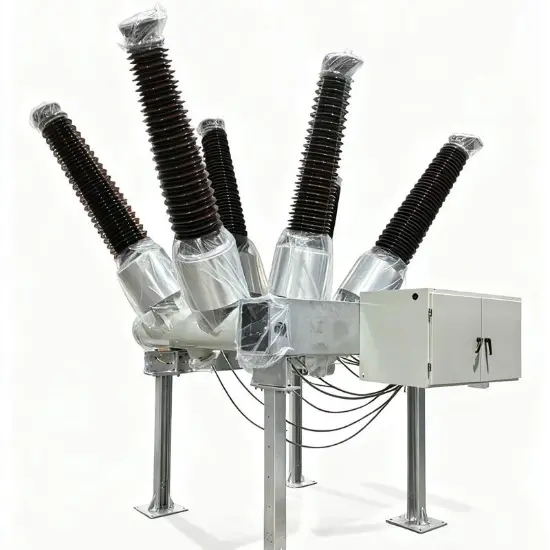
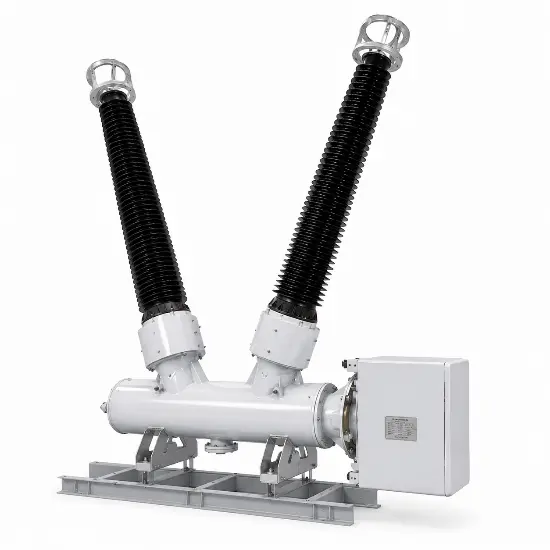












 Accesso