| Marke | ROCKWILL |
| Serie | RHD |
Description
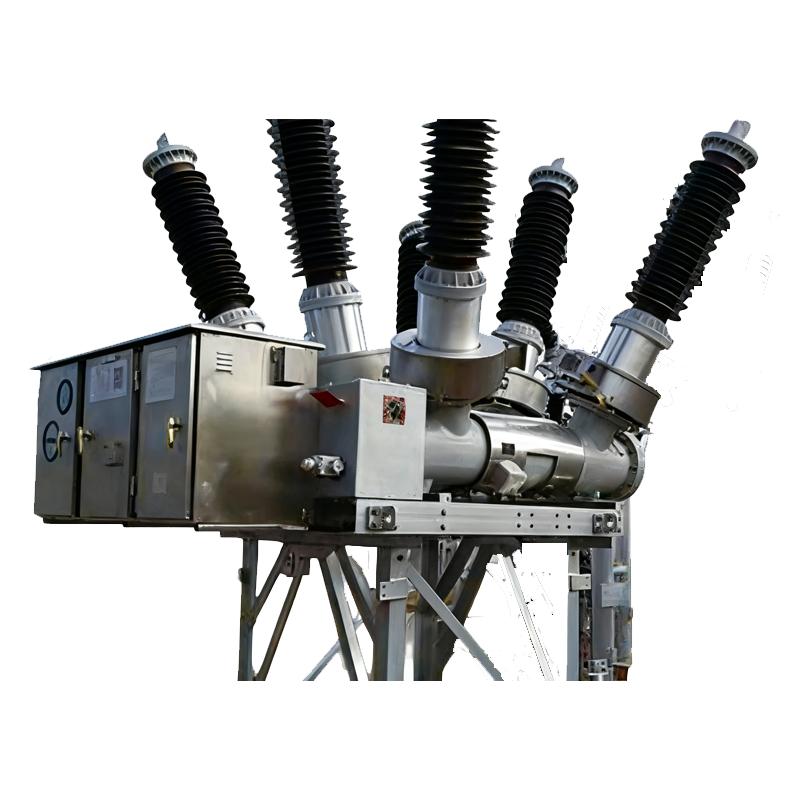
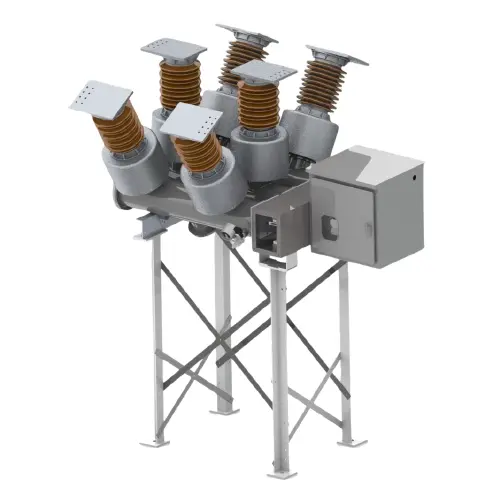
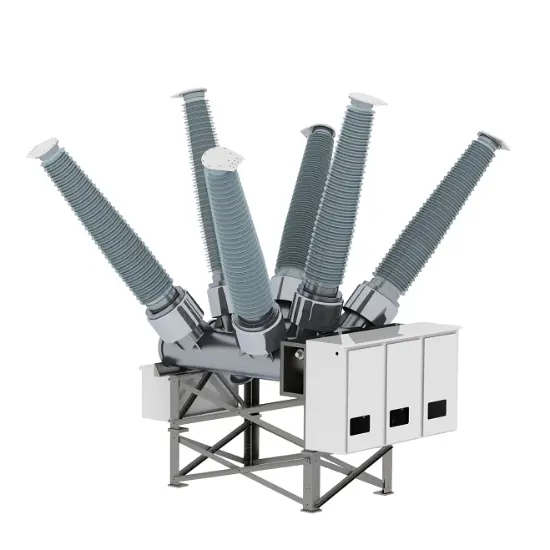
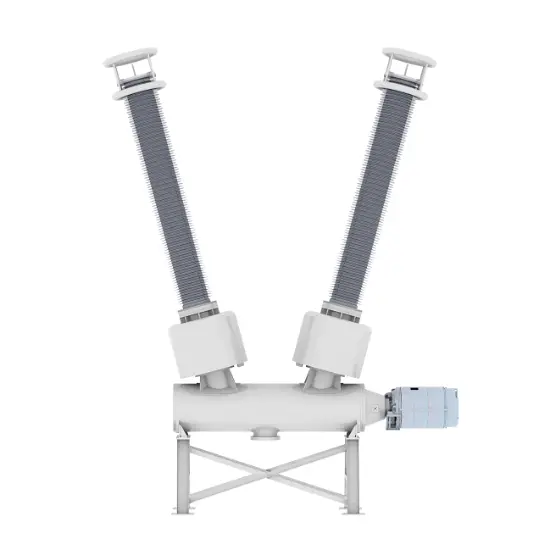
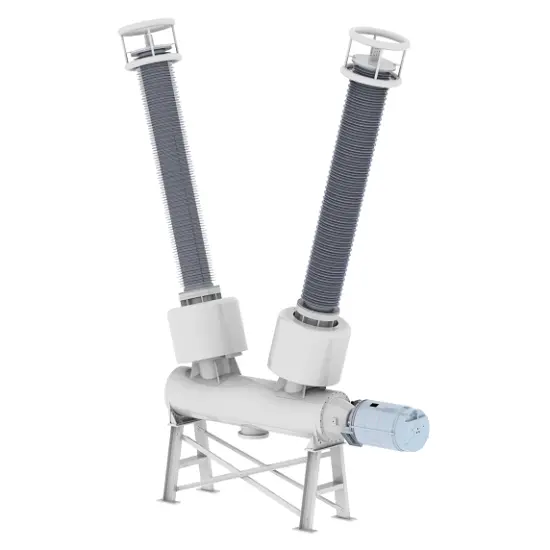
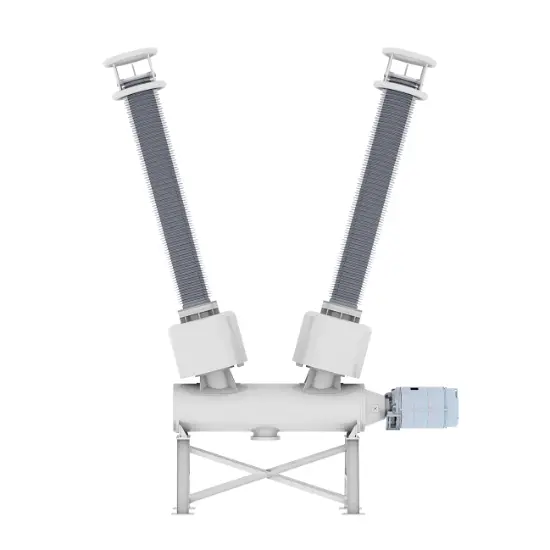
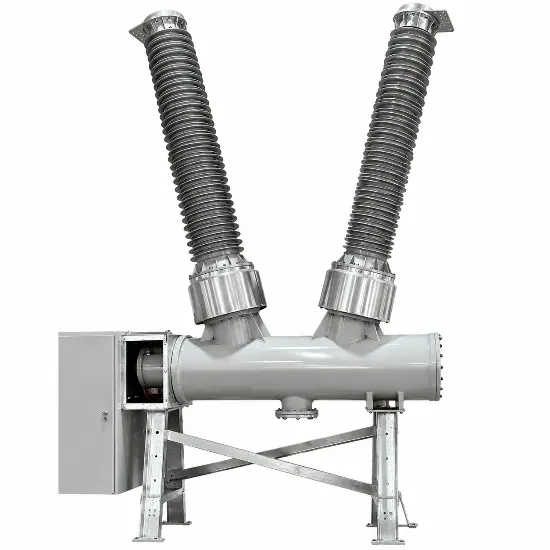
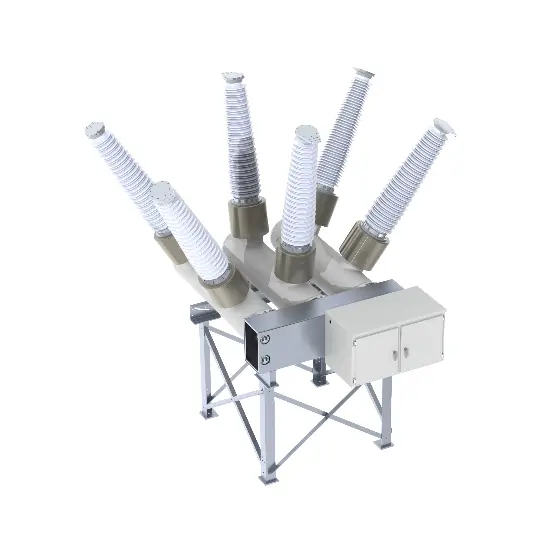
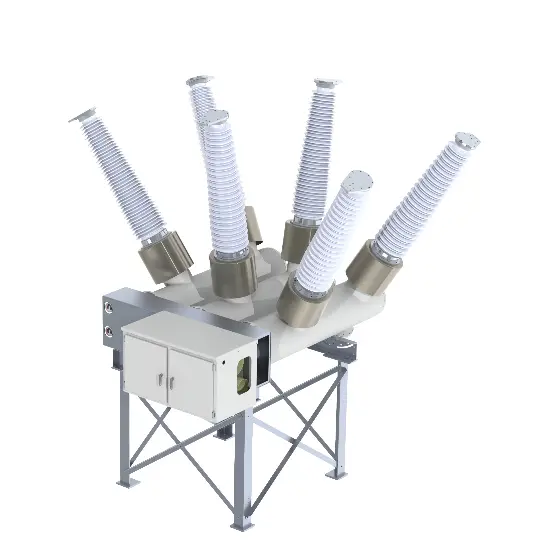
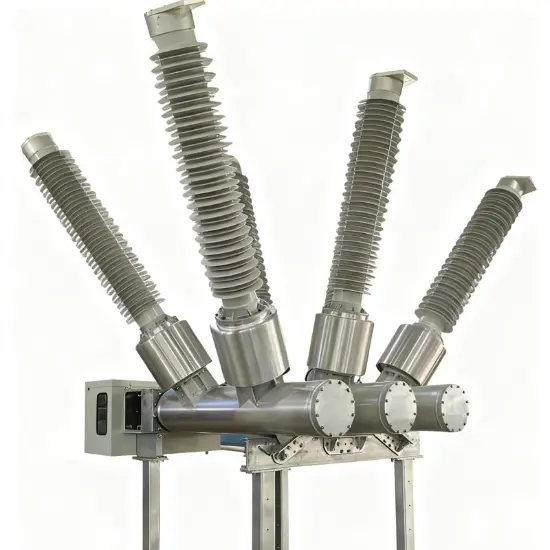
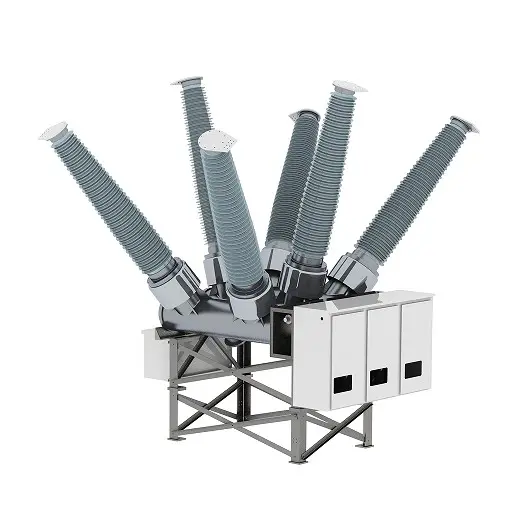
As China's first source factory specializing in GIS tank circuit breakers.225kV, 230kV, 245kV,252kV Outdoor Dead Tank SF6 Circuit Breaker is an outdoor (50Hz) high-voltage power transmission and transformation equipment, which is used to divide and combine rated working current, fault current or conversion lines to achieve protection, control and operation of the power system.
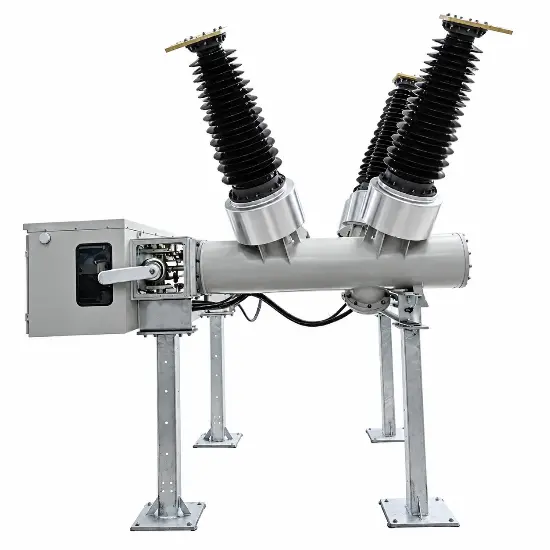
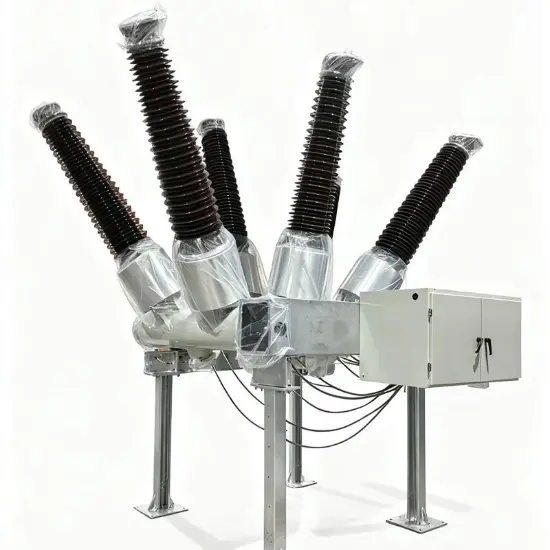
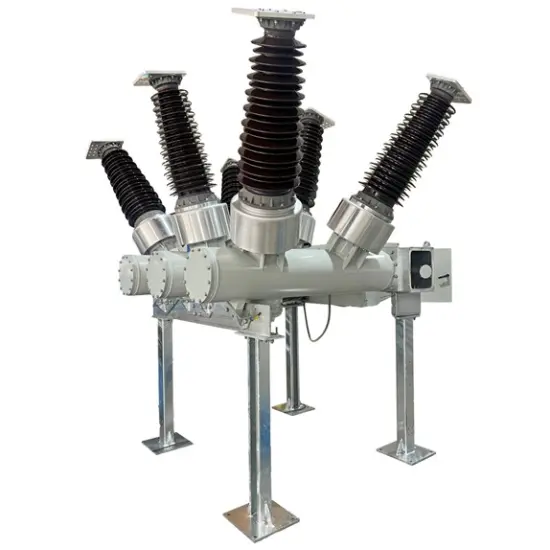
The circuit breaker arc extinguisher adopts the principle of double air chamber and double-action self-energy arc extinguishing, with compact structure, and its technical performance has reached the international level and the domestic advanced level, which is the replacement product of the traditional compressed sulfur hexafluoride circuit breaker. The product is composed of a circuit breaker, a current transformer and an inlet and outlet bushing, and is equipped with a full spring operating mechanism, which can not only carry out split-phase operation, but also realize three-phase electrical linkage.
The product has passed all type tests according to the IEC standards, and has the characteristics of excellent breaking ability, reliable insulation, strong flow capacity, and long electrical and mechanical life.
Main feature
Excellent breaking performance:The self-energy arc extinguishing chamber can meet all terminal short circuits, breaking near area faults, out-of-step faults, out-of-phase grounding faults and line charging currents, etc., with small electrical wear and low arc voltage. The rated short-circuit current can be interrupted 20 times in a row.
Reliable insulation and strong flow capacity:SF6 gas has superior insulation performance and simple and reliable insulation structure. There are few current-carrying contact parts, few contact points, and strong flow capacity.
The structure design is unique:The arc extinguisher has simple structure, few components, light weight, small operating work, high mechanical reliability, and a mechanical life of 10,000 times; The insulation structure of the product has been optimized and designed, which greatly reduces the amount of gas, is conducive to environmental protection, and the structural design is integrated and has strong seismic ability.
Easy to install, maintain and overhaul:The overall commissioning of the factory, rapid on-site assembly, and operation with an integrated spring mechanism, no oil leakage and air leakage, no daily energy storage monitoring requirements, so it is easy to maintain.
Technical specifications
Among these, some SF6 tank circuit breakers cover non-standard voltage levels including 225kV, 230kV, 245kV, 275kV, 330kV, 345kV, 400kV, 756kV, and 800kV, with a rated short-circuit breaking current of 50kA or 63kA, and offer customization services.
Name |
Unit |
Technical Parameters |
|
Rated Voltage |
kV |
252 |
|
Rated Current |
A |
4000 |
|
Rated Frequency |
Hz |
50/60 |
|
First - Pole - To - Clear Factor |
/ |
1.3 |
|
Rated Short - circuit Breaking Current |
kA |
50 |
|
Rated Short - time Withstand Current (Effective Value) |
kA/s |
50/3 |
|
Rated Peak Withstand Current |
kA |
125 |
|
1min Rated Power -frequency Withstand Voltage |
Phase - to - phase/Ground |
kV |
460 |
Break - port |
460(+146) |
||
Rated Lightning ImpulseWithstand (1.2/50μs Peak Value) |
Phase - to - phase/Ground |
1050 |
|
Break - port |
1050(+206) |
||
SF6 Gas (Gauge Pressure, 20 °C |
Rated Gas Pressure |
MPa |
0.60 |
Alarm Gas Pressure |
0.55±0.015 |
||
Lock - out Gas Pressure |
0.50±0.015 |
||
Rated operating sequence |
/ |
O - 0.3s - CO - 180s - CO |
|
Rated out - of - step breaking current |
kA |
12.5 |
|
Short - line - fault breaking current |
kA |
L90:45, L70:35 |
|
Out - of - phase grounding breaking current |
kA |
43.5 |
|
Rated line - charging breaking current |
A |
125 |
|
Number of breaking operations for rated short - circuit breaking current |
times |
20 |
|
Mechanical life |
times |
10000 |
|
Mechanism/operation mode |
/ |
Spring Operating Mechanism/Single - phase Operation |
|
Ambient Temperature:-30℃ ~ +40℃(standard configuration);optional -40℃ ~ +45℃ for extreme cold/hot regions (with special insulation and heating/cooling design).
Altitude:≤ 1000m above sea level(standard);for altitudes 1000m~2000m, insulation performance is enhanced by derating to ensure voltage resistance.
Relative Humidity:Monthly average ≤ 90%(at 25℃);daily average ≤ 95%;no condensation on the tank surface.
Wind Speed:Maximum sustained wind speed ≤ 34m/s(12-level wind);instantaneous gust ≤ 50m/s.
Atmospheric Conditions:Suitable for areas free of severe dust, corrosive gases(such as sulfur dioxide, ammonia), flammable gases, and conductive pollutants;for coastal or industrial areas with salt fog, optional anti-corrosion coating and sealed insulation structure are available.
Seismic Resistance:Seismic intensity ≤ 8 degrees;horizontal acceleration ≤ 0.2g, vertical acceleration ≤ 0.1g(conforms to GB/T 13540 or IEC 60068-2-57 standards).
Rainfall:Maximum rainfall intensity ≤ 100mm/h;no long-term heavy rain erosion on the upper casing.
Einbaustruktur: Die Bogenlöschkammer, die isolierende Flüssigkeit und die zugehörigen Komponenten des Schalters sind in einem Metallbehälter versiegelt, der mit einer isolierenden Gasatmosphäre (z. B. Schwefelhexafluorid) oder isolierendem Öl gefüllt ist. Dies bildet einen relativ unabhängigen und abgeschlossenen Raum, der effektiv vor externen Umweltfaktoren schützt, die die internen Komponenten beeinflussen könnten. Diese Konstruktion verbessert die Isolationsleistung und Zuverlässigkeit der Ausrüstung, was sie für verschiedene harte Außenumgebungen geeignet macht.
Aufbau der Bogenlöschkammer: Die Bogenlöschkammer wird in der Regel innerhalb des Behälters installiert. Ihr Aufbau ist kompakt gestaltet, um eine effiziente Bogenlöschung in einem begrenzten Raum zu ermöglichen. Abhängig von verschiedenen Bogenlöschprinzipien und -technologien kann der spezifische Aufbau der Bogenlöschkammer variieren, enthält aber in der Regel wichtige Komponenten wie Kontakte, Düsen und isolierende Materialien. Diese Komponenten arbeiten zusammen, um sicherzustellen, dass der Bogen schnell und effektiv erlischt, wenn der Schalter den Strom unterbricht.
Betriebsmechanismus: Gängige Betriebsmechanismen umfassen federbetriebene und hydraulisch betriebene Mechanismen.
Federbetriebener Mechanismus: Dieser Mechanismus ist einfach im Aufbau, sehr zuverlässig und leicht zu warten. Er treibt die Öffnungs- und Schließvorgänge des Schalters durch das Speichern und Freisetzen von Energie in Federn an.
Hydraulisch betriebener Mechanismus: Dieser Mechanismus bietet Vorteile wie hohe Leistungsausgabe und sanfte Bewegungen, was ihn für Hochspannungs- und Hochstrom-Schalter geeignet macht.
Die Leckrate des SF₆-Gases muss auf einem extrem niedrigen Niveau gehalten werden, in der Regel nicht mehr als 1 % pro Jahr. SF₆-Gas ist ein starkes Treibhausgas mit einer Treibhauswirkung, die 23.900-mal stärker ist als die von Kohlendioxid. Sollte ein Leck auftreten, kann dies nicht nur zu Umweltverschmutzung führen, sondern auch zu einem Abfall des Gasdrucks im Bogenlöschraum, was die Leistung und Zuverlässigkeit des Schalters beeinträchtigt.
Um Lecks von SF₆-Gas zu überwachen, werden in der Regel Gasleckdetektionsgeräte an Behälter-Schaltgeräten installiert. Diese Geräte helfen, Lecks schnell zu identifizieren, damit geeignete Maßnahmen ergriffen werden können, um das Problem zu beheben.
Während des normalen Betriebs und der Unterbrechungsprozesse eines Schalters kann sich das SF₆-Gas zerlegen und verschiedene Zerfallsprodukte wie SF₄, S₂F₂, SOF₂, HF und SO₂ bilden. Diese Zerfallsprodukte sind oft korrosiv, toxisch oder reizend und erfordern daher eine Überwachung.Wenn die Konzentration dieser Zerfallsprodukte bestimmte Grenzwerte überschreitet, kann dies auf ungewöhnliche Entladungen oder andere Störungen im Bogenlöschraum hinweisen. Eine zeitnahe Wartung und Behandlung sind notwendig, um weitere Schäden an der Ausrüstung zu verhindern und die Gesundheit des Personals zu schützen.








 Anmeldung