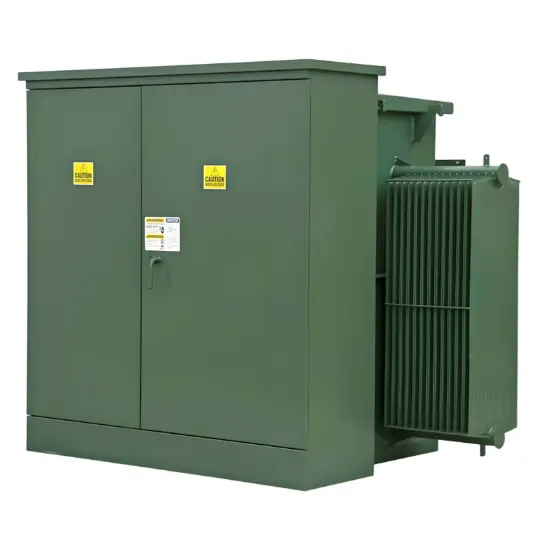
75 kVA ~ 2500 kVA UL-Listed Explosion-Proof Standard Pad-Mounted Transformer
Key attributes
| Brand | Vziman |
| Model NO. | 75 kVA ~ 2500 kVA UL-Listed Explosion-Proof Standard Pad-Mounted Transformer |
| Rated frequency | 50/60Hz |
| Rated capacity | 2500kVA |
| Primary voltage | 33kV |
| Secondary voltage | 0.4kV |
| Series | ZGS |
Product descriptions from the supplier
Description:
The UL-Listed Explosion-Proof Standard Pad-Mounted Transformer is an explosion-proof oil-immersed pad-mounted transformer certified by Underwriters Laboratories (UL), designed specifically for hazardous environments. Its core certifications and standards include:
UL Certification: Complies with UL 506 (Transformer Standard) and UL 1203 (Explosion-Proof Equipment Standard), ensuring safe operation in dangerous environments.
Explosion-Proof Rating: Typically marked as Class I, Division 1 (for flammable gas environments) or Class II, Division 1 (for combustible dust environments), adhering to the National Electrical Code (NEC 500/505).
Structural Standards: Based on IEEE C57.12.20 (American Pad-Mounted Transformer Standard) and NEMA 3R/4X (Enclosure Rating Standards).
Core Design Features:
Explosion-Proof Enclosure: Constructed with cast aluminum or stainless steel, joint surfaces and gaps strictly comply with UL 1203 (e.g., gap ≤0.15mm) to prevent flame propagation during internal arcing.
Pressure Relief System: Equipped with dual redundant pressure relief valves (operating pressure 55±5kPa) and spark arrestors to prevent tank rupture and secondary explosions.
Oil-Immersed Insulation: Utilizes high-flash-point insulating oil (e.g., silicone oil with flash point >300°C) or β-fluid (complying with UL 3406) to reduce fire risks.
Sealing Rating: Features fully welded construction with corrugated tanks, passing UL 50E explosion tests (methane-air mixture explosion test) to prevent ingress of combustible substances.
Electrical Connections: Equipped with explosion-proof cable glands (UL 1203 certified) and Ex d-type flameproof joints to ensure sparks at terminals do not ignite ambient gases.
Functions and Core Applications:
Safe Power Supply: Enables electrical energy conversion in flammable environments while preventing sparks or high temperatures from triggering explosions.
Fault Isolation: Contains internal faults (e.g., arcing, oil decomposition) within the enclosure through explosion-proof design.
Environmental Adaptation: With IP66 protection rating, resists ingress of corrosive gases and dust.
Parameter:


Related Products
-
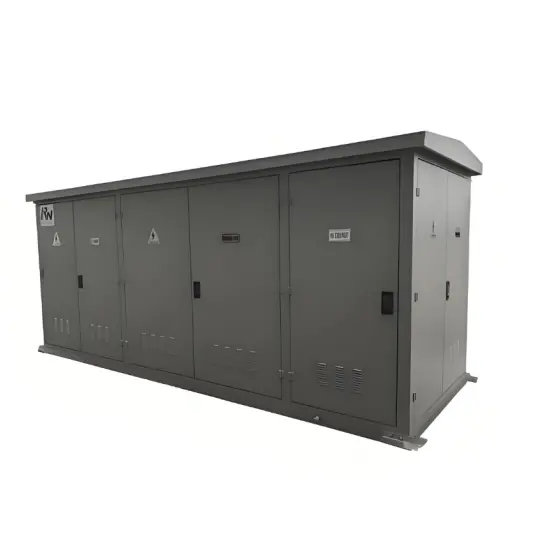
12kV 24kV 36kV Outdoor Prefabricated Transformer Substation
-
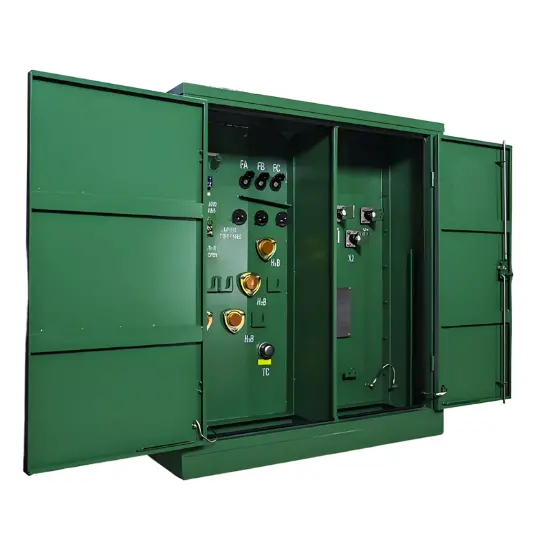
UL Listed Three Phase Pad Mounted Power Transformer
-
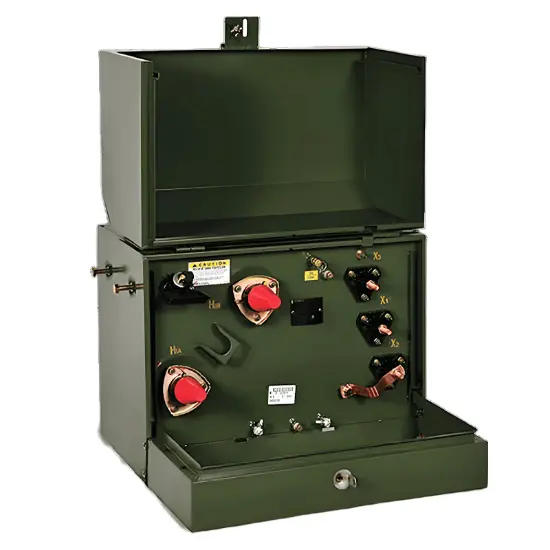
UL 15-500kVA Oil Filled Single Phase Pad Mounted Transformer
-
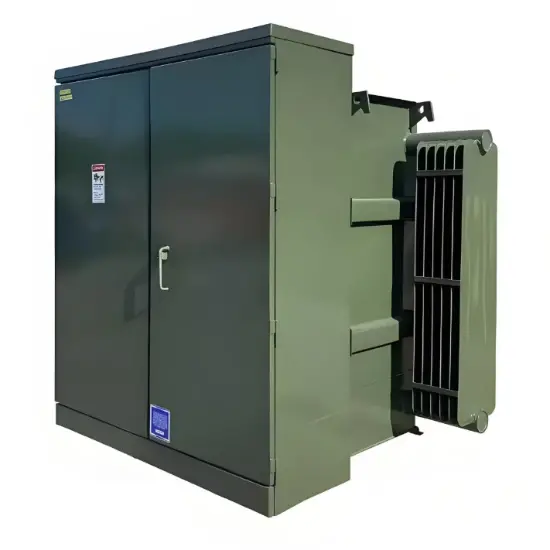
75 KVA - 3750 KVA ZGS Three Phase Pad Mounted Transformer
-
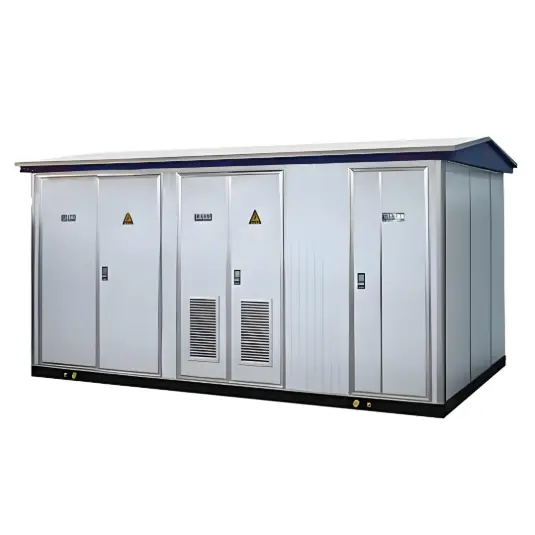
12kV 24kV 36kV 40.5kV Prefabricated Substation(US-style, EU-style)
-
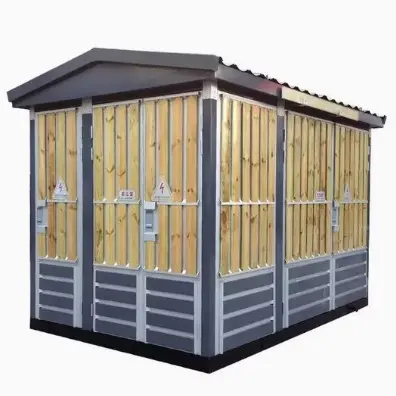
30-2000kVA for Electricity Generation Electric Power Prefabricated Compact Box Substation
-
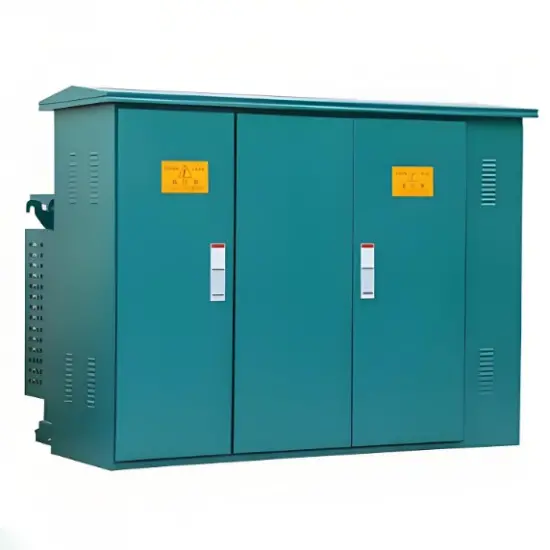
12kV American Type Prefabricated Box Substation Compact Substation
Related Knowledges
-
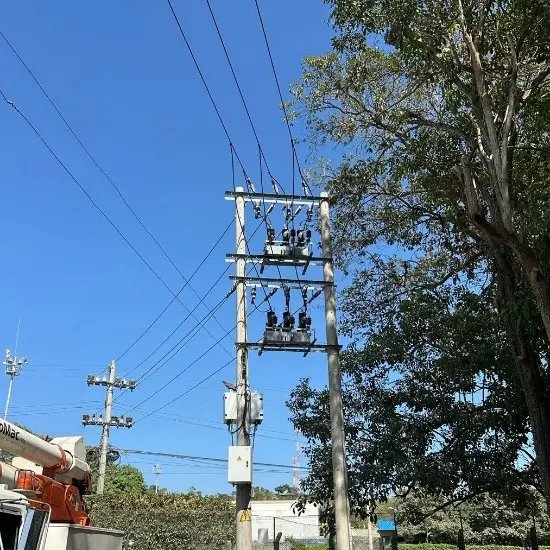 Faults and Handling of Single-phase Grounding in 10kV Distribution LinesCharacteristics and Detection Devices for Single-Phase Ground Faults1. Characteristics of Single-Phase Ground FaultsCentral Alarm Signals:The warning bell rings, and the indicator lamp labeled “Ground Fault on [X] kV Bus Section [Y]” illuminates. In systems with a Petersen coil (arc suppression coil) grounding the neutral point, the “Petersen Coil Operated” indicator also lights up.Insulation Monitoring Voltmeter Indications:The voltage of the faulted phase decreases (in01/30/2026
 -
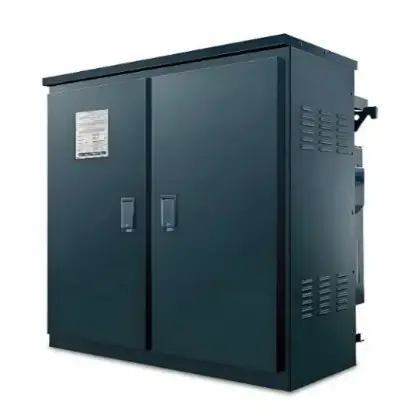 Neutral point grounding operation mode for 110kV~220kV power grid transformersThe arrangement of neutral point grounding operation modes for 110kV~220kV power grid transformers shall meet the insulation withstand requirements of transformer neutral points, and shall also strive to keep the zero-sequence impedance of substations basically unchanged, while ensuring that the zero-sequence comprehensive impedance at any short-circuit point in the system does not exceed three times the positive-sequence comprehensive impedance.For 220kV and 110kV transformers in new constructi01/29/2026
 -
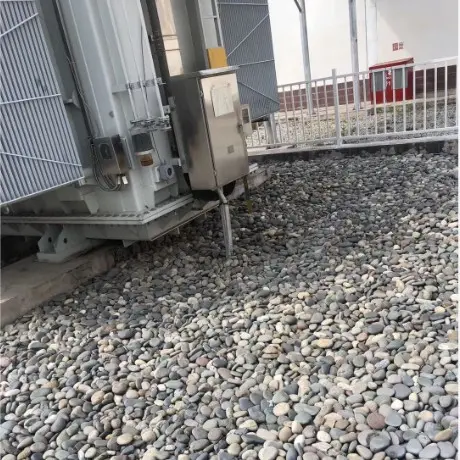 Why Do Substations Use Stones, Gravel, Pebbles, and Crushed Rock?Why Do Substations Use Stones, Gravel, Pebbles, and Crushed Rock?In substations, equipment such as power and distribution transformers, transmission lines, voltage transformers, current transformers, and disconnect switches all require grounding. Beyond grounding, we will now explore in depth why gravel and crushed stone are commonly used in substations. Though they appear ordinary, these stones play a critical safety and functional role.In substation grounding design—especially when multiple gr01/29/2026
 -
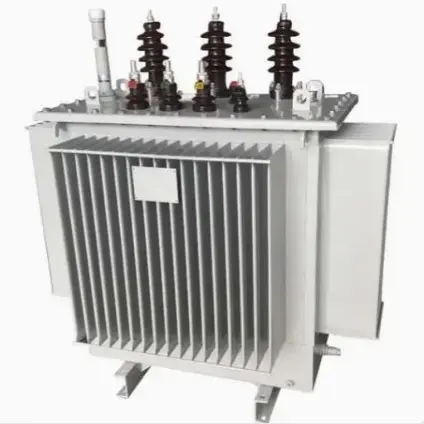 Why Must a Transformer Core Be Grounded at Only One Point? Isn't Multi-Point Grounding More Reliable?Why Does the Transformer Core Need to Be Grounded?During operation, the transformer core, along with the metal structures, parts, and components that fix the core and windings, are all situated in a strong electric field. Under the influence of this electric field, they acquire a relatively high potential with respect to ground. If the core is not grounded, a potential difference will exist between the core and the grounded clamping structures and tank, which may lead to intermittent discharge.I01/29/2026
 -
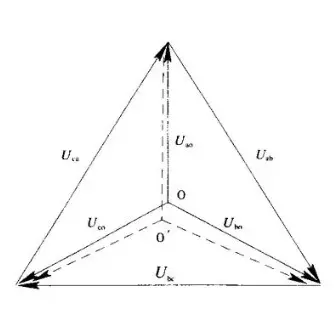 Understanding Transformer Neutral GroundingI. What is a Neutral Point?In transformers and generators, the neutral point is a specific point in the winding where the absolute voltage between this point and each external terminal is equal. In the diagram below, pointOrepresents the neutral point.II. Why Does the Neutral Point Need Grounding?The electrical connection method between the neutral point and earth in a three-phase AC power system is called theneutral grounding method. This grounding method directly affects:The safety, reliabilit01/29/2026
 -
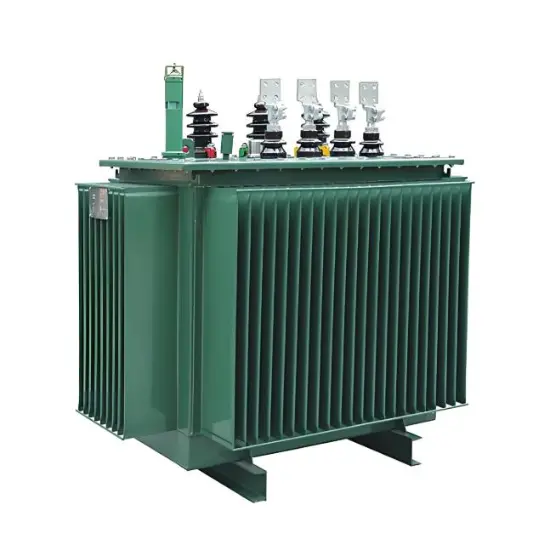 What’s the Difference Between Rectifier Transformers and Power Transformers?What is a Rectifier Transformer?"Power conversion" is a general term encompassing rectification, inversion, and frequency conversion, with rectification being the most widely used among them. Rectifier equipment converts input AC power into DC output through rectification and filtering. A rectifier transformer serves as the power supply transformer for such rectifier equipment. In industrial applications, most DC power supplies are obtained by combining a rectifier transformer with rectifier equ01/29/2026
Related Solutions
-
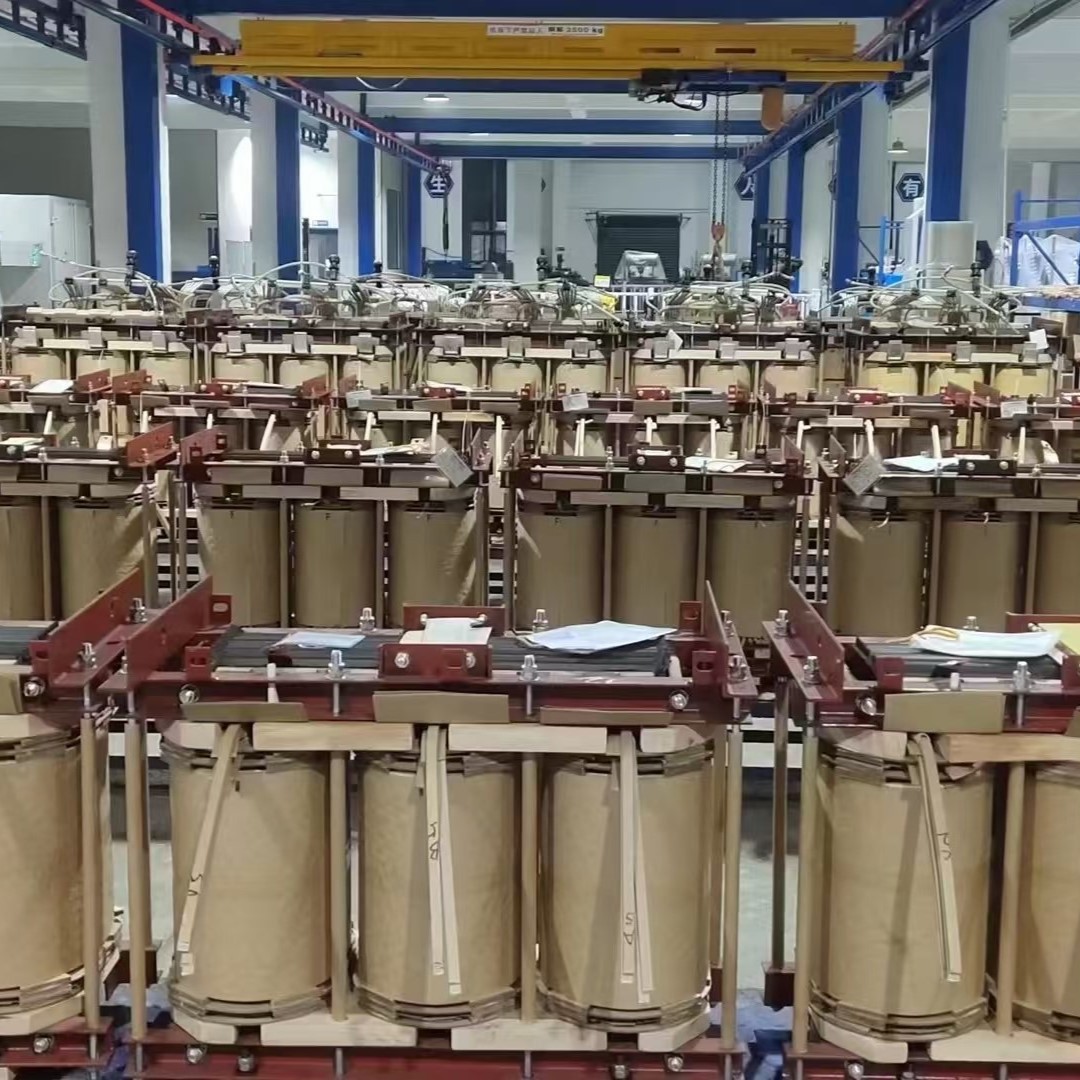 Choosing Vizman Distribution Transformers: Innovative Customization to Meet Diverse Power NeedsDistribution transformers are the heart of local electricity distribution systems. They step down voltage, enabling safe and efficient power supply to homes and businesses.At Vizman Electric Power Technology Co., Ltd., we understand the critical role of distribution transformers in the energy ecosystem. That's why we specialize in manufacturing high-quality distribution transformers, providing tailored solutions to meet diverse energy needs.1.Solutions Offered by Vizman Electric Power Technology04/16/2025
 -
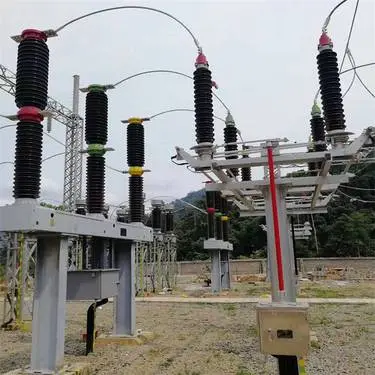 SF6 Circuit Breaker Solutions in High-Voltage Power Systems: A Case Study of VZIMAN Company1. Challenges in High-Voltage Power Systems1.1 High-voltage power systems, as the core of power transmission, face critical challenges: Equipment Performance Limits: With increasing voltage levels (e.g., 500kV and above), traditional circuit breakers struggle to meet high breaking capacities (over 40kA) and rapid insulation recovery requirements. Overvoltage Risks: Switching capacitive loads (e.g., capacitor banks) may cause reignition, leading to dangerous overvoltages. Poor Environmental Adapt05/13/2025
 -
 VZIMAN Company SF6 Circuit Breaker Solutions for Renewable Energy Grid Integration1. Current Challenges in Renewable Energy Grid Integration1.1 Grid Frequency Fluctuations and Stability IssuesThe intermittency and variability of renewable energy sources (e.g., wind and solar) lead to frequent grid frequency changes. Traditional circuit breakers struggle to respond rapidly to such dynamic loads, potentially causing equipment damage or regional blackouts. For instance, during sudden drops in wind power or abrupt solar output fluctuations, the grid must isolate faults within mil05/13/2025






