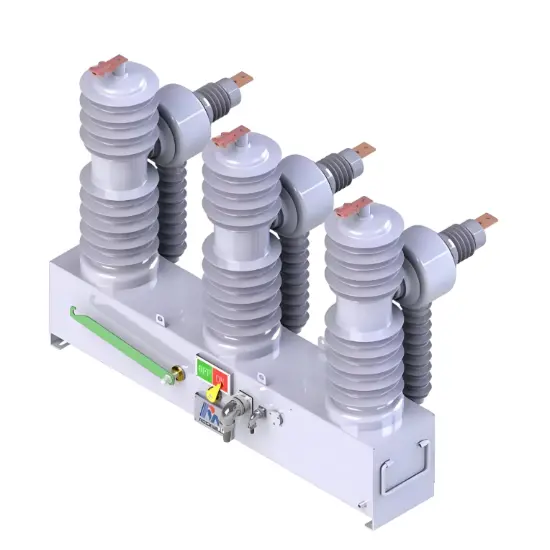
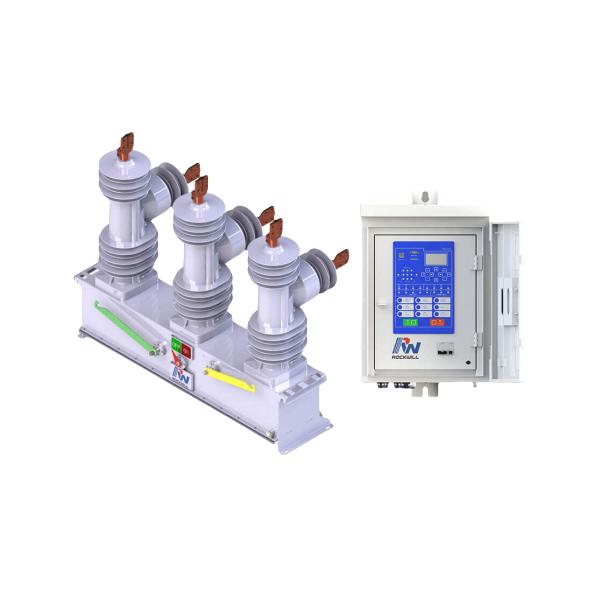
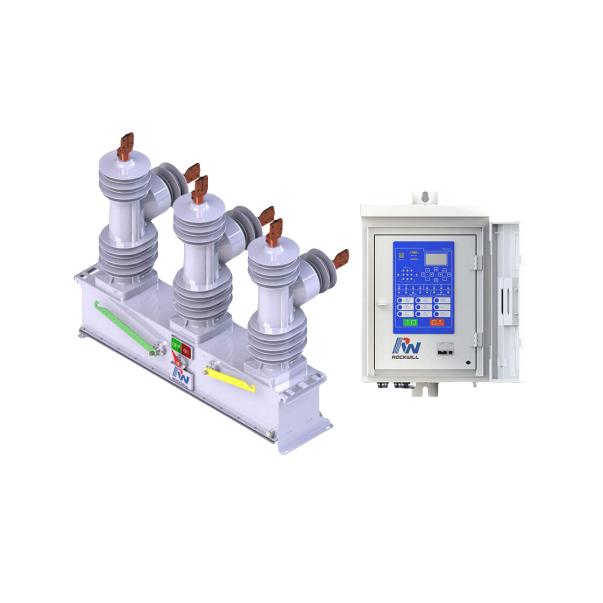
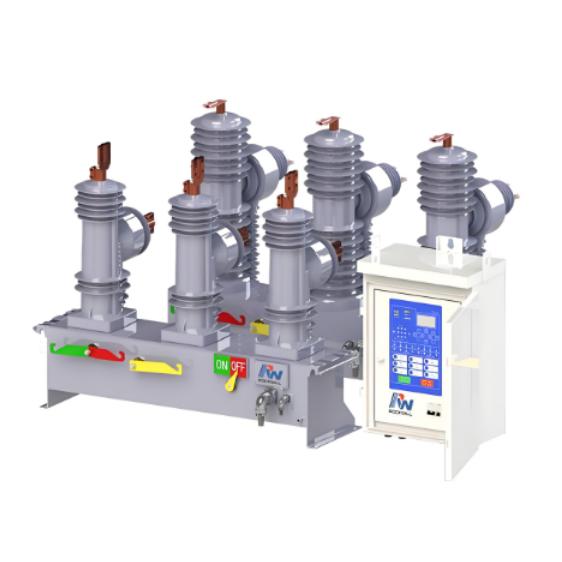
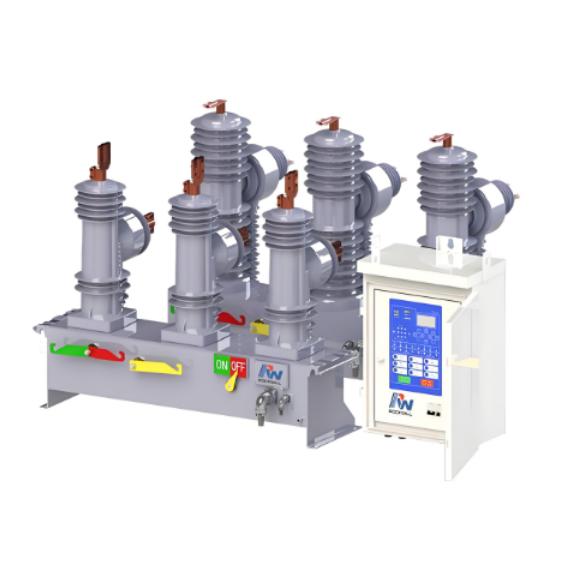
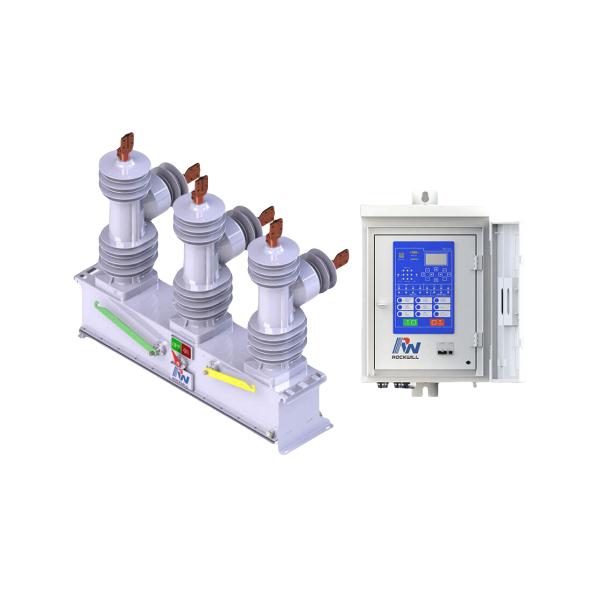
12kV 13.2kV 13.8kV 14.5kV 15kV MV outdoor Three phase Smart recloser/reclosure Source Manufacturer
Key attributes
| Brand | ROCKWILL |
| Model NO. | 12kV 13.2kV 13.8kV 14.5kV 15kV MV outdoor Three phase Smart recloser/reclosure Source Manufacturer |
| Rated voltage | 15kV |
| Rated normal current | 400A |
| Rated short circuit breaking current | 12.5kA |
| Power frequency withstand voltage | 36kV/min |
| Rated lightning impulse voltage | 110kV |
| manual closing | No |
| Mechanical lock | |
| Series | RCW |
Product descriptions from the supplier
Description:
Pioneer of China’s recloser track and the first specialized source manufacturer — that’s who we are after decades of focused efforts. We’ve strengthened our foundation via tech breakthroughs, guided the industry through standard-setting, and built a fully independent full-chain system from core R&D to mass production and delivery.
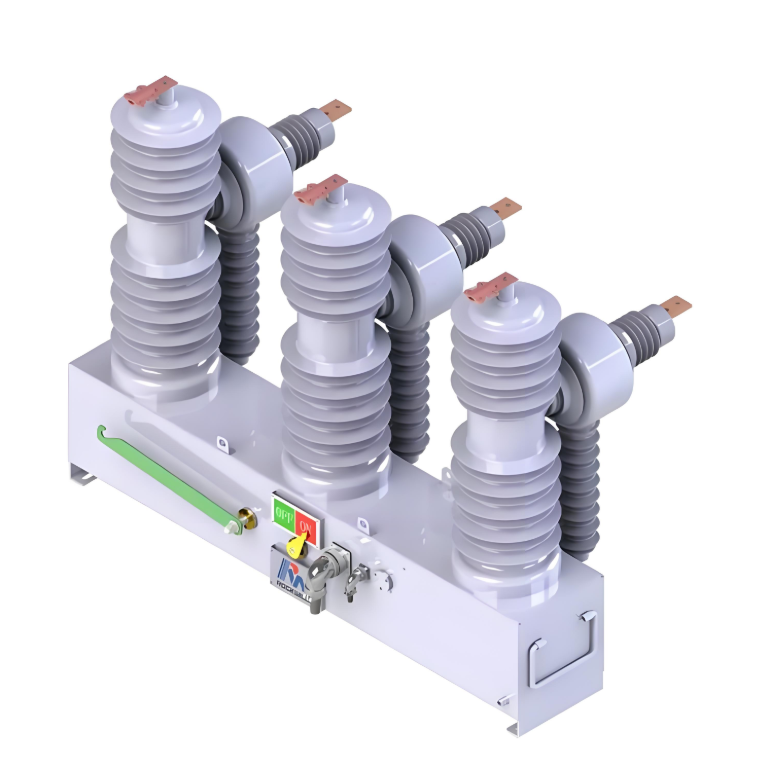
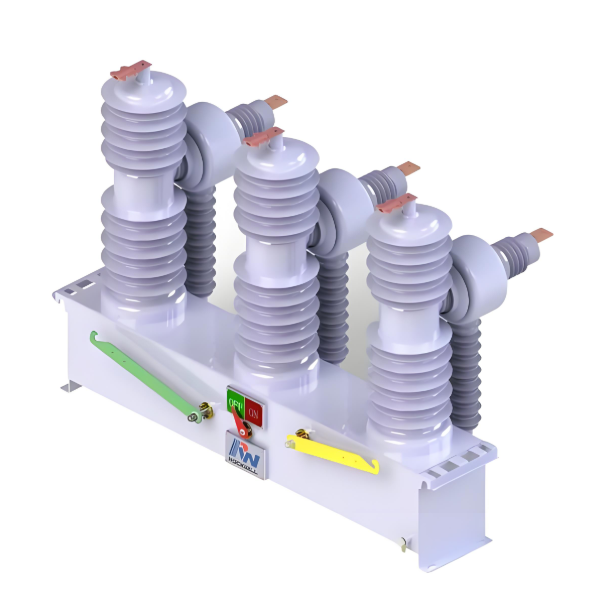
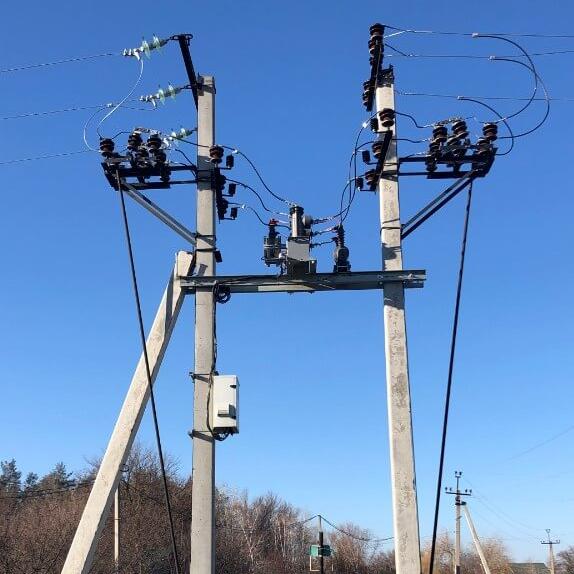
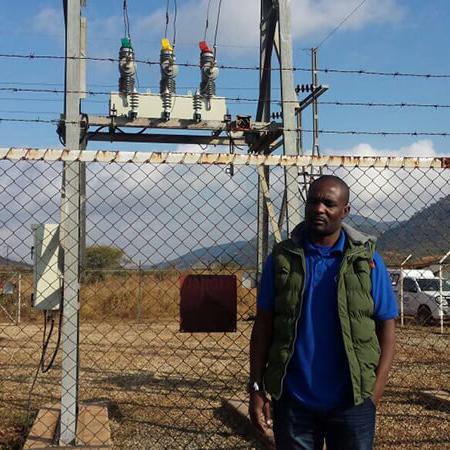
The RCW series automatic circuit reclosers can use on overheaddistribution lines as well as distribution substation applications for all voltage classes 11kV up to 38kV at 50/60Hz power system. and it’s rated current can reach 1250A.The RCW series automatic circuit reclosers integrates the functions of control, protection, measurement, communication, fault detection, on-line monitoring of closing or opening.The RCW series vacuum recloser is mainly combined with integration terminal, current transformer, permanent magnetic actuator and it’srecloser controller.
Features:
Optional grades available in rated current range.
With optional relay protection and logic for user selection.
With optional communication protocols and I/O ports for users to choose.
PC software for controller testing, setup, programming, updates.
Parameters
The voltage classes of some of these Automatic Reclosers include 6kV, 6.3kV, 6.6kV, 6.9kV, 7.2kV, 10kV, 10.5kV, 11kV, 11.5kV, 12kV, 13.2kV, 13.8kV, 14.5kV, 14.4kV, 15kV, 15.5kV, 15.6kV, 17.5kV, 20kV, 21.9kV, 22kV, 24kV, 30kV, 33kV, 33.5kV, 34.5kV, 35kV, 36kV, 38kV, 38.5kV, 40.5kV, 44kV, 45kV, 46kV, 66kV and 69kV. Rated Short-Circuit Breaking Current includes 8kA, 12.5kA, 16kA, 20kA, 25kA, 31.5kA and customization is available.
Item |
Specification |
Rated maximum voltage |
15kV |
Rated maximum current |
1250A |
Rated frequency |
50Hz |
Rated short circuit breaking current |
16kA |
Rated peak value withstand current |
40kA |
Rated 1min power frequency withstand voltage (Three-phase Epoxy resin pole) |
28kV |
Rated lightning impulse voltage (Three-phase Epoxy resin pole) |
95kV |
Operation sequence |
C-0.5-CO-2-CO-5-CO (Magnetic actuator) |
Mechanical life |
n:30000 (Magnetic actuator) |
Power supply and operating voltage |
110/220V (Customized) |
Ratio of current transformer |
400/1A (Customized) |
Number of voltage sensors (Three-phase Epoxy resin pole) |
≤3 |
Opening time |
≤30ms (Magnetic actuator) |
Closing time |
≤40ms (Magnetic actuator) |
Minimum creepage distance |
31, level 4 (mm/kV) |
Minimum distance between phases |
360mm |
Potential transformer |
110/220V (Customized) |
Cable length |
6,8,12m (Customized) |
Cable clamp (Three-phase Epoxy resin pole) |
2-hole NEMA |
Lightning arrester |
≤6 |
Mounting type |
Single / double column |
With optional relay protection & logics for user choice |
Instantaneous over-current protection Timing over-current protection Negative sequence over-current protection Directional over-current protection(⁽¹⁾) Over-voltage protection / Under voltage protection Programmable protection relay curves (total 10 nos ANSI/IEC curves) Cold load pickup protection TCC + Hot line tag Earth protection E/F SEF + Zone- Sequence Co-ordination More relay functions can be customized |
With optional communication protocols & I/O port for user choice |
RS-232 and RS-485 ports supporting DNP3.0 communication protocol support Modbus communication protocol is optional IEC 60870-501 communication protocol support IEC 60870-5-104 communication protocol support The recloser can communicate through GPRS(or) GSM(or) GPRS/GSM module with English or Specified language |
With optional functions for use |
Rated currents, System phase current, Rated voltages, System phase voltage and secondary low voltage power supply voltage Frequency power (kWh), reactive power (kVarh), power factor |
With optional reclosing interval for user pre-program |
reclosing times setting support Dead time setting support |
With events recording function |
SOE 10000 operations record Fault record and normal operation record Note:mean should customized by manufacturer if needed |
Environmental requirement:
Maximum temperature: |
+40°C |
Minimum temperature: |
-30°C |
Monthly average humidity |
95% |
Humidity: |
90% |
Above sea level: |
2500m or higher |
Ambient air Not apparently polluted by corrosive and flammable gas, vapor |
Product show:
What is the vacuum arc extinguishing fault of outdoor vacuum recloser and its solution?
Vacuum Arc Quenching Chamber Faults:
Decreased Vacuum Level: This is a common issue with vacuum arc quenching chambers. The vacuum arc quenching chamber relies on a high-vacuum environment to extinguish arcs. If the vacuum level decreases, its insulation performance and arc-quenching ability will significantly deteriorate. The causes of decreased vacuum levels can include poor sealing, such as aging or damaged sealing materials, or tiny leaks present during the manufacturing process. When the vacuum level drops to a certain extent, incomplete arc extinction may occur during current interruption, leading to arc reignition and subsequent line faults.
Contact Wear: During frequent opening and closing operations, the contacts of the vacuum arc quenching chamber can wear down due to arc erosion. Contact wear increases contact resistance, which can lead to severe heating of the contacts when normal current passes through, affecting the normal operation of the equipment. Additionally, during fault current interruption, the contacts may not withstand the high current, resulting in contact welding or failure to interrupt the current.
Solutions for Vacuum Arc Quenching Chamber Faults:
Vacuum Level Decrease:
Detect Vacuum Level: Use specialized vacuum level detection instruments, such as vacuum level testers, to regularly check the vacuum level of the vacuum arc quenching chamber. Once the vacuum level is found to be below the specified value, the vacuum arc quenching chamber should be replaced promptly.
Replace Seals: If you suspect that poor sealing is causing the decrease in vacuum level, inspect and replace the seals. When replacing seals, ensure that you use high-quality, compatible sealing materials and follow the correct installation procedures to prevent further leakage.
Contact Wear:
Regular Inspection: Regularly inspect the wear condition of the contacts through observation windows or by disassembling the device. Based on the degree of wear, if the wear exceeds the specified limit, the contacts should be replaced promptly.
Optimize Operating Parameters: Analyze the causes of contact wear, such as whether it is due to frequent operations or excessive operating current. If the issue is frequent operation, consider optimizing the recloser's reclosing strategy to reduce unnecessary opening and closing operations. If the issue is excessive operating current, check the line load conditions, adjust the protection settings, and avoid subjecting the contacts to excessive current impacts.
1. Environmentally friendly gas mixed insulation technology
CO ₂ and perfluoroketone/nitrile mixture gases: such as CO ₂/C ₅ - PFK (perfluoroketone) or CO ₂/C ₄ - PFN (perfluoronitrile) mixture gases. These mixed gases combine the arc extinguishing ability of CO ₂ and the high dielectric strength of perfluorinated ketones/nitriles, making them a substitute for SF ₆ in high-voltage applications. For example, CO ₂/C ₄ - PFN mixed gas has been commercially applied in high-voltage circuit breakers, with insulation and breaking performance close to SF ₆, and significantly reduced global warming potential (GWP).
Air and perfluoroketone mixed gas: In medium pressure applications, the mixture of air and C ₅ - PFK can be used as an insulation medium. By optimizing the mixing ratio and pressure, insulation performance comparable to SF ₆ can be achieved while reducing environmental impact.
2. Vacuum circuit breaker technology
Vacuum arc extinguishing chamber: Utilizing the high insulation strength and fast arc extinguishing ability in a vacuum environment, it replaces the arc extinguishing function of SF ₆. Vacuum circuit breakers are widely used in the medium and low voltage fields, especially in scenarios with high environmental requirements. Its advantages are no greenhouse gas emissions and excellent arc extinguishing performance, but it needs to solve problems such as vacuum sealing and contact materials.
Combination of vacuum circuit breaker and gas insulation: In some medium voltage switchgear, vacuum circuit breakers are used as breaking elements, combined with dry air or nitrogen as insulation media, to form environmentally friendly gas insulated switchgear (GIS) that balances insulation and arc extinguishing performance.

Related Products
-
High-performance 10kV Vacuum Circuit Breaker with indoor installation
-
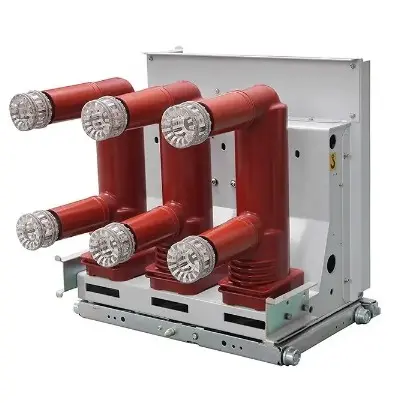
33kV electrical circuit breakers VCB Vacuum Circuit Breaker
-
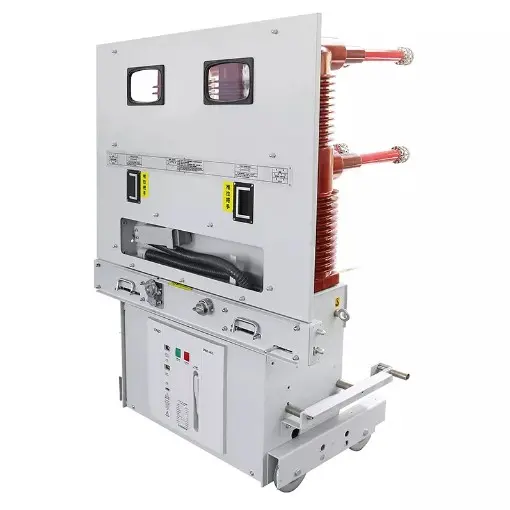
ZN85-40.5 Handcart Type Vacuum Circuit Breaker
-
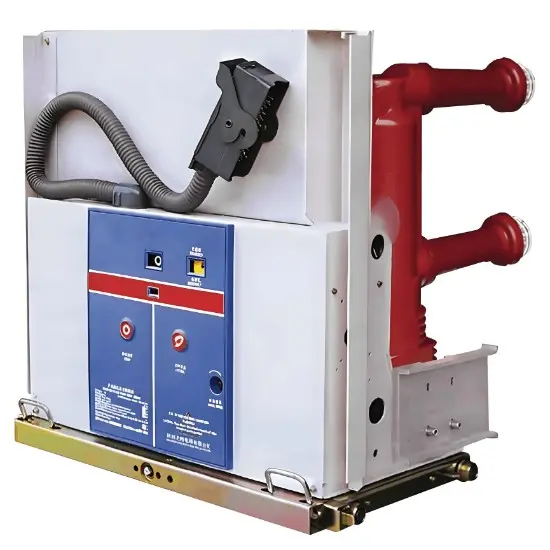
VS1-24kV Indoor High Voltage Withdrawable Type Vacuum Circuit Breaker with Embedded Pole
-
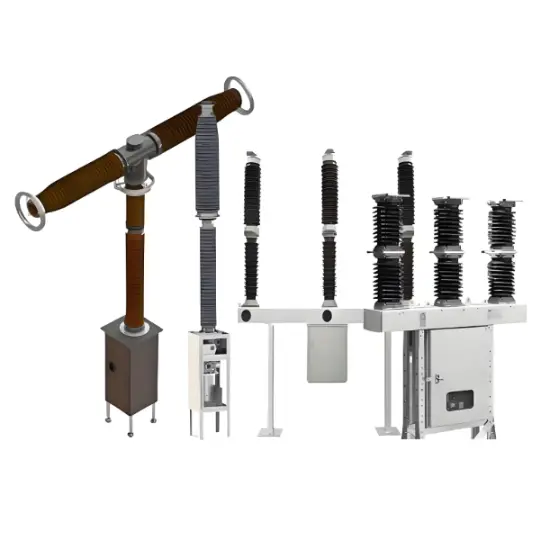
52kV 72.5kV 123kV 145kV 170kV 252kV 363kV Live tank Vacuum circuit breaker
-
Customization 145kV/138kV/230kV or Other Dead tank Vacuum Circuit-Breaker
-
72.5kV High - voltage Vacuum Circuit Breaker
Related Knowledges
-
 Faults and Handling of Single-phase Grounding in 10kV Distribution LinesCharacteristics and Detection Devices for Single-Phase Ground Faults1. Characteristics of Single-Phase Ground FaultsCentral Alarm Signals:The warning bell rings, and the indicator lamp labeled “Ground Fault on [X] kV Bus Section [Y]” illuminates. In systems with a Petersen coil (arc suppression coil) grounding the neutral point, the “Petersen Coil Operated” indicator also lights up.Insulation Monitoring Voltmeter Indications:The voltage of the faulted phase decreases (in01/30/2026
 -
 Neutral point grounding operation mode for 110kV~220kV power grid transformersThe arrangement of neutral point grounding operation modes for 110kV~220kV power grid transformers shall meet the insulation withstand requirements of transformer neutral points, and shall also strive to keep the zero-sequence impedance of substations basically unchanged, while ensuring that the zero-sequence comprehensive impedance at any short-circuit point in the system does not exceed three times the positive-sequence comprehensive impedance.For 220kV and 110kV transformers in new constructi01/29/2026
 -
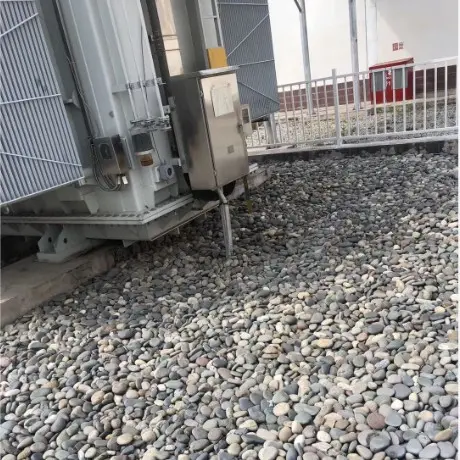 Why Do Substations Use Stones, Gravel, Pebbles, and Crushed Rock?Why Do Substations Use Stones, Gravel, Pebbles, and Crushed Rock?In substations, equipment such as power and distribution transformers, transmission lines, voltage transformers, current transformers, and disconnect switches all require grounding. Beyond grounding, we will now explore in depth why gravel and crushed stone are commonly used in substations. Though they appear ordinary, these stones play a critical safety and functional role.In substation grounding design—especially when multiple gr01/29/2026
 -
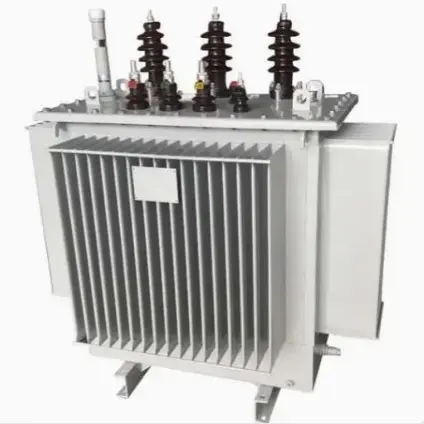 Why Must a Transformer Core Be Grounded at Only One Point? Isn't Multi-Point Grounding More Reliable?Why Does the Transformer Core Need to Be Grounded?During operation, the transformer core, along with the metal structures, parts, and components that fix the core and windings, are all situated in a strong electric field. Under the influence of this electric field, they acquire a relatively high potential with respect to ground. If the core is not grounded, a potential difference will exist between the core and the grounded clamping structures and tank, which may lead to intermittent discharge.I01/29/2026
 -
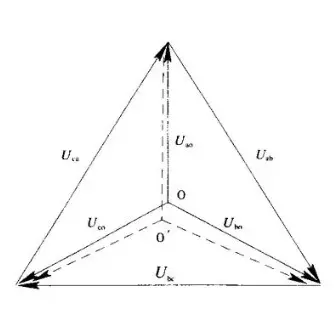 Understanding Transformer Neutral GroundingI. What is a Neutral Point?In transformers and generators, the neutral point is a specific point in the winding where the absolute voltage between this point and each external terminal is equal. In the diagram below, pointOrepresents the neutral point.II. Why Does the Neutral Point Need Grounding?The electrical connection method between the neutral point and earth in a three-phase AC power system is called theneutral grounding method. This grounding method directly affects:The safety, reliabilit01/29/2026
 -
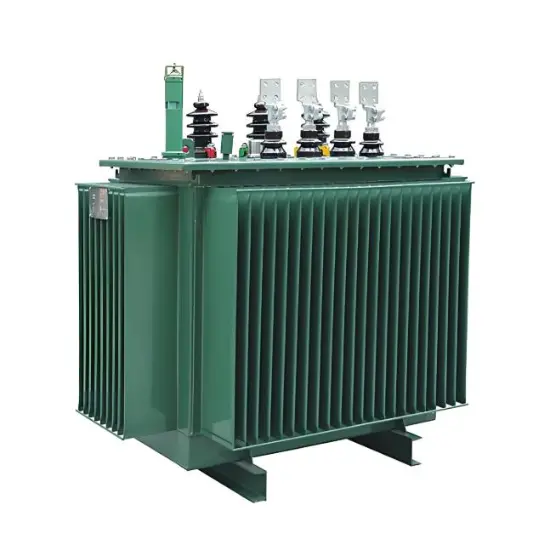 What’s the Difference Between Rectifier Transformers and Power Transformers?What is a Rectifier Transformer?"Power conversion" is a general term encompassing rectification, inversion, and frequency conversion, with rectification being the most widely used among them. Rectifier equipment converts input AC power into DC output through rectification and filtering. A rectifier transformer serves as the power supply transformer for such rectifier equipment. In industrial applications, most DC power supplies are obtained by combining a rectifier transformer with rectifier equ01/29/2026
Related Solutions
-
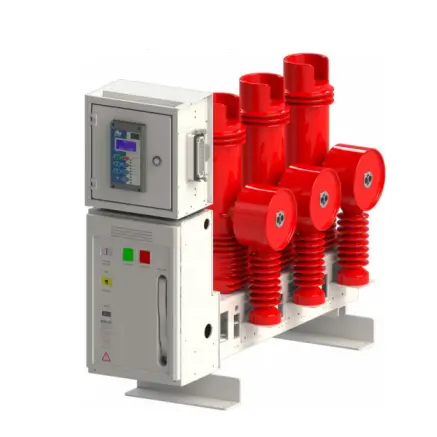 Intelligent Operation Solution for 12kV Vacuum Circuit Breakers: Integrating Real-time Monitoring & Lifetime OptimizationⅠ. Equipment Operation & MaintenanceIntelligent Monitoring System IntegrationMulti-parameter Real-time Monitoring: Embedded sensors (temperature, displacement, Hall effect current sensors) track contact temperature rise, mechanical characteristics (opening/closing speed, overtravel), coil current, and partial discharge signals. Data undergoes preprocessing via edge computing prior to cloud upload.Lifetime Prediction Model: Dynamically evaluates remaining lifespan using electrical wear data06/10/2025
 -
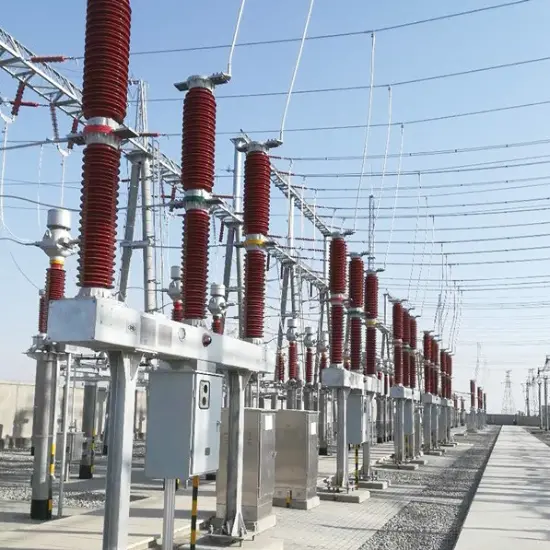 SF6 Circuit Breaker Solutions for Outdoor Installation (Anti-Pollution & Seismic Resistance)I.Core Challenges in Outdoor InstallationIn high-voltage transmission and distribution systems, SF6 circuit breakers are exposed to complex outdoor environments for extended periods, facing the following critical issues:Pollution & Insulation DegradationDust, salt fog, and industrial pollutants in outdoor environments easily adhere to equipment surfaces. In coastal or industrial areas, pollution levels may reach Class IV, resulting in insufficient creepage distance and triggering flasho05/12/2025
 -
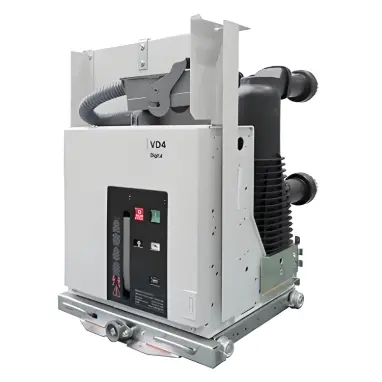 12kV Indoor Vacuum Circuit Breaker Southeast Asia Solution: Anti-Corrosion Compact Design12kV Indoor Vacuum Circuit Breaker Southeast Asia Solution: Anti-Corrosion Compact DesignⅠ. Executive SummarySoutheast Asia faces rapidly growing electricity demand alongside environmental challenges including high temperatures, humidity, salt spray corrosion, and grid instability. This solution recommends Solid Insulated Pole-Mounted Vacuum Circuit Breakers (VCB) featuring high reliability, compact design, and smart monitoring. Tailored for tropical climates and industrial scenarios, it06/10/2025






