What are the Basic Signal Operations?
Signal Definition
A signal is defined as a set of information expressed as a function of independent variables, used as input or output in a system.
Amplitude Scaling
Amplitude scaling is a basic operation that changes the strength of a signal. It is represented as Y(t) = αX(t), where α is the scaling factor.
Here, α is the scaling factor, where:-
α<1 → signal is attenuated.
α>1 → signal is amplified.
Addition and Multiplication
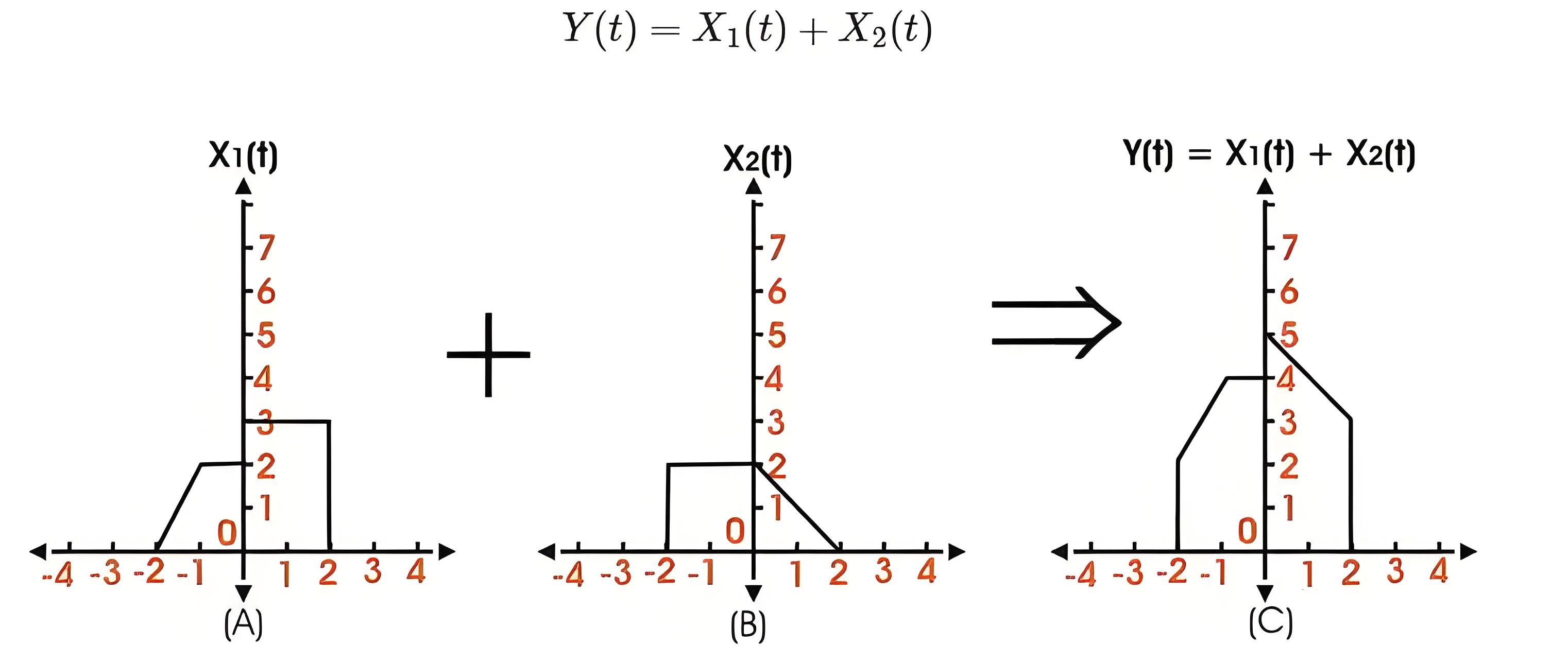
This particular operation involves the addition of amplitude of two or more signals at each instance of time or any other independent variables which are common between the signals. Addition of signals is illustrated in the diagram below, where X1(t) and X2(t) are two time dependent signals, performing the additional operation on them we get.
Differentiation and Integration
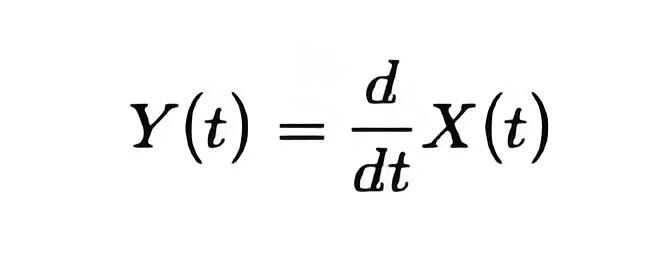
Differentiation gives the rate of change, and integration provides the cumulative sum of continuous signals.
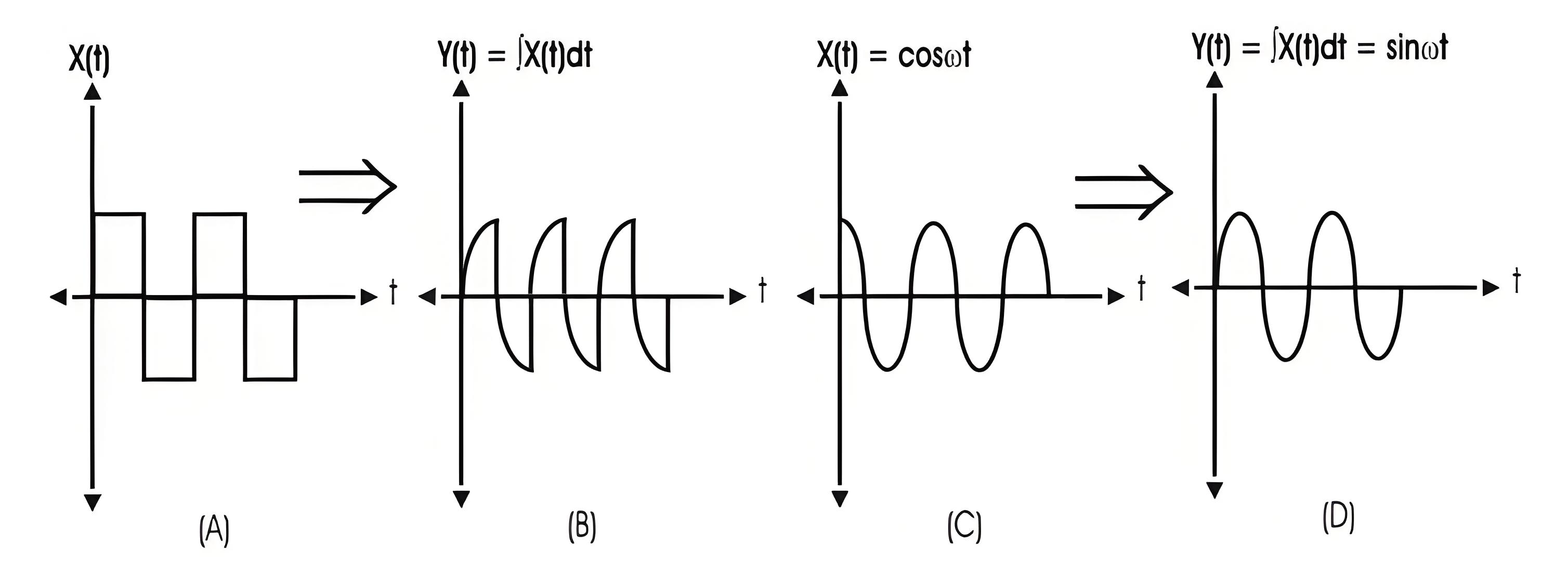
Differentiation of signals applies only to continuous signals, as discrete functions cannot be differentiated. The resulting signal gives the tangential values of the original signal at each moment in time.
Differentiation of a standard square and sine wave is shown in the figure below.
Operations on Signals
Basic operations include time scaling, reflection, and time shifting, modifying periodicity, mirroring, or moving the signal in time.

 Login
Login