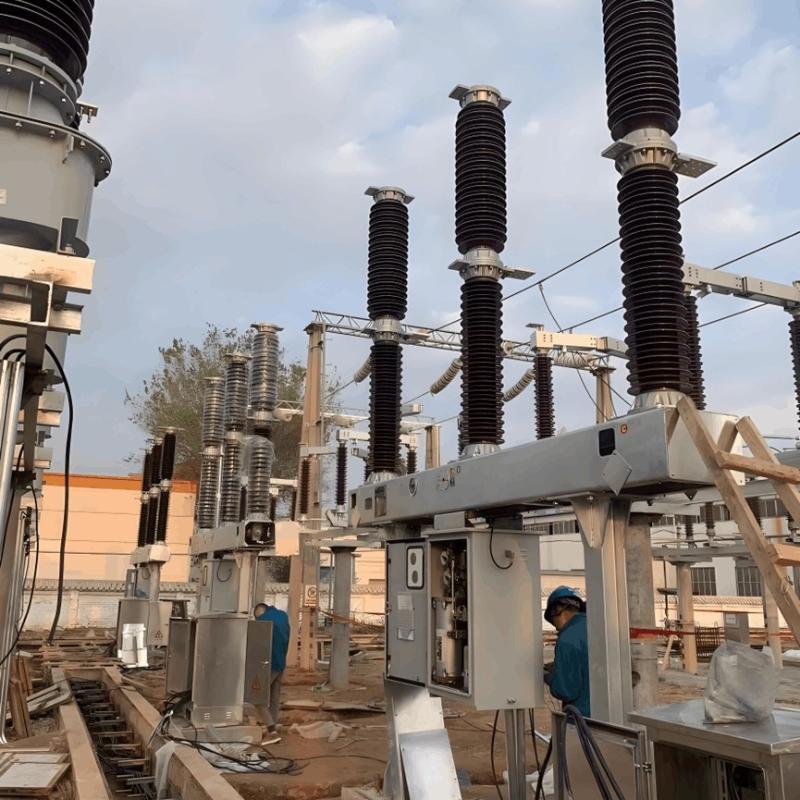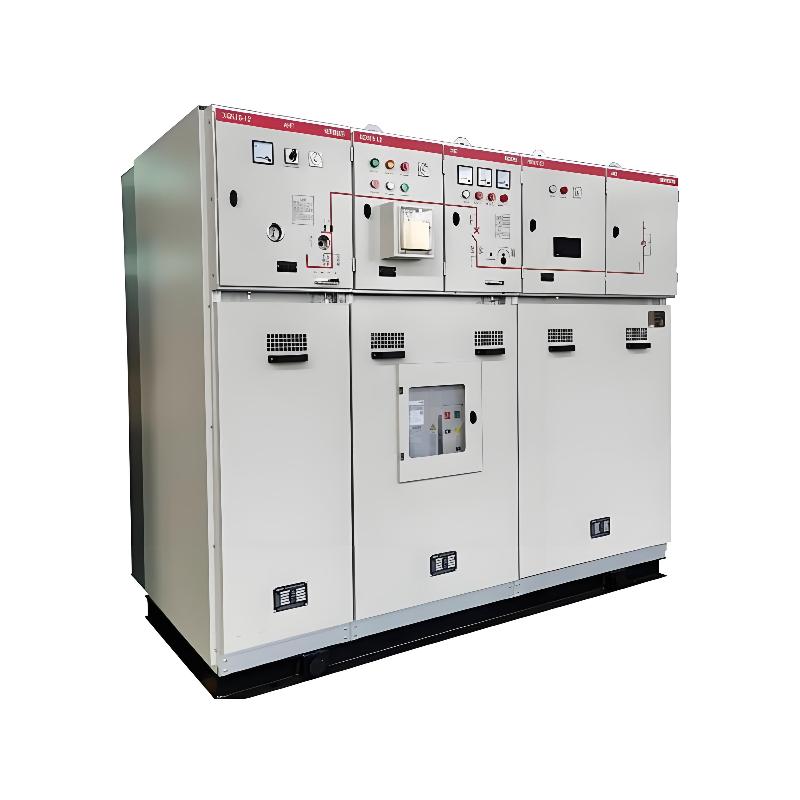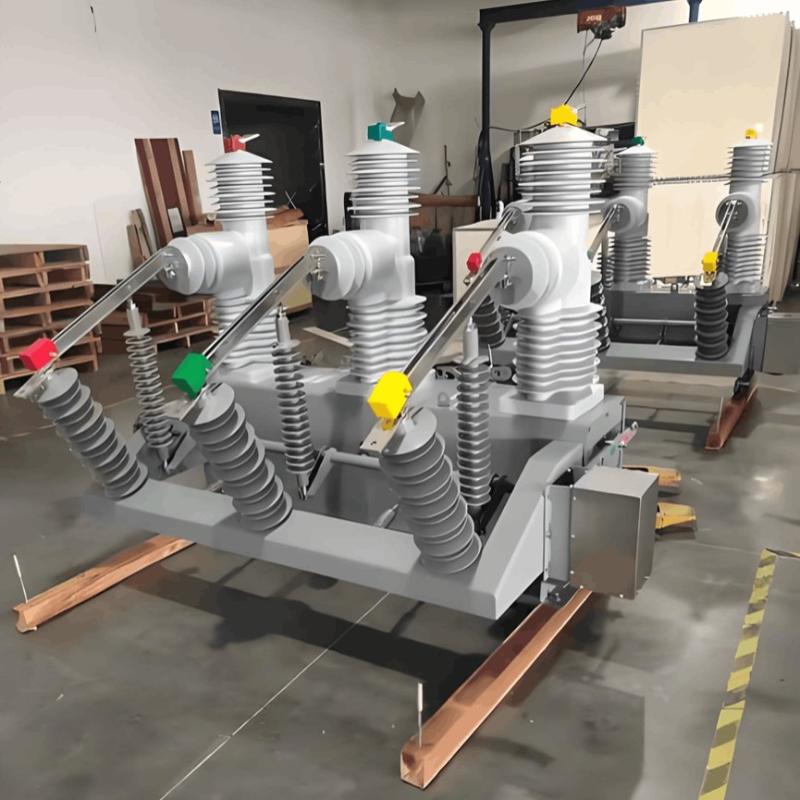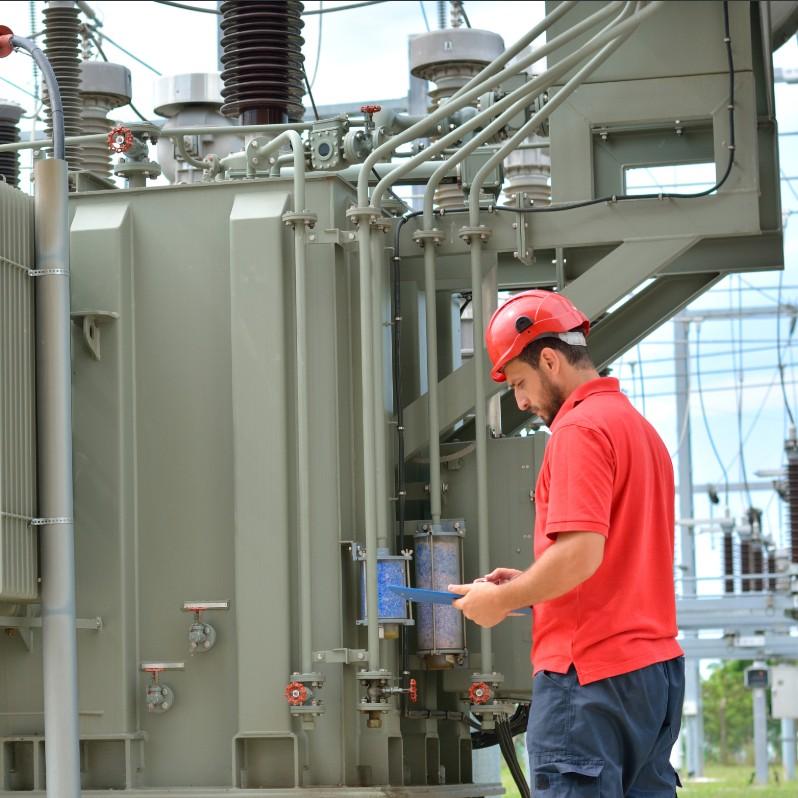
Tranfoirmeoir eilimh réamhscoithe, mar tháirgeadh agus uileghlacadh de chumhacht tábhachtach i gcóras an chórais fhóirspéire, a úsáidtear go forleathan i ngriobháin fóirspéire tuaithe, ceantair gníomhaíochta ísal-voltáige, agus ceantair le lucht leanúnach eilimh. Leis an méideachán leanúnach eilimh ag dul chun cinn sna griobháin réamhscoithe, d'ardú an rátáil meabhair do tranfoirmeoirí eilimh freisin. Is cosúil go mór é aithne a dhéanamh agus a dhéanamh ar na meabhair seo chun a chinntiú go bhfuil soláthar cumhacht ann. De réir taighde is déanaí, is iad na meabhair coitianta ar tranfoirmeoirí réamhscoithe eilimh a bheidh bunaithe ar cúig ghnéis: meabhair modhlaí, seanadh slánuithe, fuascail óil, teocht neamhrialta, agus meabhair taptála ísal-voltáige. Is féidir leis na meabhair seo, nach bhféadfadh siad a bheith ag cur isteach ar oibriú réamhscoithe an tránsfhoirm, go dtarlódh damáiste ar tháirgeadh agus soláthar cumhacht. Seo a bheas an alt ag anailís chomhtháthach ar chúrsaí, carachtar, agus bealaí oibriú ar gach gné meabhair, ag tabhairt treorach praiticiúil don obair agus an t-oidhreacht.
1. Meabhair Modhlaí
Is é meabhair modhlaí an t-eolas is coitianta ar tranfoirmeoirí réamhscoithe eilimh, lena n-áirítear scuabtú idir mhodhlaí, oscailt modhlaí, agus meabhair grúndúch. Tá a lán díobh bunaithe ar seanadh ábhar slánuithe, damáiste meicniúil, nó mífhéidhmíochtaí déantais. Scuabtú idir mhodhlaí sa mhodhlaí d'fhéadfadh a chur chun cinn teocht lochta laistigh den tránsfhoirm, ag cuartú ar seanadh slánuithe, agus d'fhéadfadh tar éis sin a chur chun cinn go dian don mhodhlaí go léir. Léiríonn taighde go mura bhfuil sé aon scuabtú lag san tránsfhoirm, níos mó ná roinnt comhaid traidisiúnta, cosúil le córas cosaint difríochta agus gas, ní dhéanfaidh siad aon oibriú ag tús an meabhair, ag cur isteach airgeadraíocht ar an duine atá ag feidhmiú agus ag cuidiú.
(1) Léiriú Meabhair
(2) Bealaí Oibriú
(3) Stratáis Coireachta
2. Meabhair Seanadh Slánuithe
Seanadh slánuithe is é an dara meabhair is coitianta ar tranfoirmeoirí réamhscoithe eilimh, lena n-áirítear seanadh ábhar slánuithe solide agus an deacrú slánuithe óil. Seanadh slánuithe d'fhéadfadh laghdú a dhéanamh ar fheidhmiú slánuithe an tránsfhoirm agus cuartaí ar an deacrú de chuid an tionscal go léir. De réir staitistic, is féidir leis a chur chun cinn go dian don tsoláthar cumhacht (35 - 40 bliana) an tránsfhoirm go dtí timpeall 20 bliana, is é sin go háirithe a chur chun cinn i ntránsfhoirmeoirí atá ag obair fada, i gcomhthéacs cruinn, nó le feidhmíocht agus oidhreacht neamhshábháilte.
(1) Léiriú Meabhair

(2) Bealaí Oibriú
(3) Stratáis Coireachta
3. Meabhair Fuascail Oil
Fuascail oil is é an t-eolas coitianta agus a dhuine díobháilte ar tranfoirmeoirí réamhscoithe eilimh. Tá sé a chur chun cinn go dtí 40% de na meabhair ar tránsfhoirmeoirí fóirspéire, a chur isteach ar an slánuithe agus an teocht, agus a chur chun cinn tine, fuilsiú, agus loss económa.
(1) Léiriú Meabhair
(2) Fáiní Meabhair
Seanadh / damage seals, weld cracking, improper bushing installation, loose connections caused by vibration, oil tank rust, and abnormal oil pressure caused by a blocked breather.
(3) Bealaí Oibriú
(4) Prevention Strategies
4. Abnormal Temperature Faults
Abnormal temperature is a key fault type in single - phase distribution transformers, including winding overheating, local overheating of the iron core, and oil temperature rise. It is the "trigger" for faults such as insulation aging, oil leakage, and winding deformation. According to IEC standards, when the hottest spot temperature reaches 140°C, bubbles will be generated in the oil, which will reduce insulation or cause flashover, damaging the transformer.
(1) Fault Manifestations
(2) Fault Causes
Transformer overload, internal faults (winding/iron core short circuit), cooling system faults, high ambient temperature, insufficient oil volume due to poor sealing, and poor installation ventilation.
(3) Handling Methods
(4) Prevention Strategies
5. Low - voltage Tap Faults
Low - voltage tap faults are unique to single - phase distribution transformers, including poor contact, open circuits, and wrong connections. Because the low - voltage side mostly adopts a tap - off design (such as three/four taps), the connection quality directly affects the output voltage and operation stability, which is common in transformers with large load fluctuations and insufficient operation and maintenance.
(1) Fault Manifestations
(2) Fault Causes
Poor tap welding, oxidation of the contact surface, insecure installation, failure to restore connections during operation and maintenance, large contact resistance caused by a humid environment, and contact point wear caused by load fluctuations.
(3) Handling Methods
(4) Prevention Strategies

6. Application of Intelligent Monitoring Technology in Fault Diagnosis
With the development of the smart grid, the traditional diagnosis mode relying on manual experience and simple instruments has gradually been replaced by intelligent monitoring technology. The fault diagnosis system based on artificial intelligence can monitor the operation status in real - time, early - warn risks in advance, and improve the accuracy and efficiency of diagnosis.
(1) Mainstream Technologies
Infrared Sensing Temperature Measurement: With an accuracy of ±1°C, it can accurately detect abnormal temperatures.
Acoustic Signature Recognition Diagnosis: Analyze the frequency and characteristics of the operation sound to distinguish between normal and fault sounds.
Analysis of Dissolved Gases in Oil: Detect the content of characteristic gases to determine the type and degree of internal faults.
Machine Learning System: Integrate multiple parameters to establish a fault prediction model.
(2) Application Effects
After applying infrared temperature measurement, a power company increased the fault detection rate by 65% and shortened the processing time by 40%; acoustic signature recognition can detect winding faults 3 - 6 months in advance. The intelligent system can also locate faults and evaluate the severity, providing a basis for operation and maintenance decisions.
7. Maintenance and Prevention Measures for Single - phase Transformers
Most faults of single - phase distribution transformers are related to long - term operation, environment, and insufficient operation and maintenance. Establishing a scientific maintenance system and implementing preventive measures are the keys to reducing faults and extending service life.
(1) Daily Maintenance
(2) Classified Prevention
Winding Faults: Avoid overload and conduct regular insulation tests.
Insulation Aging: Operate at a controlled temperature and conduct regular oil quality detection.
Oil Leakage: Regularly check the seal and strengthen fixation in vibrating environments.
Abnormal Temperature: Optimize installation, ensure ventilation, and install temperature monitoring devices.
Tap Faults: Regularly check connections, use high - quality welding processes, and prevent moisture in humid environments.
(3) Standard Adaptation and Optimization
Select high - efficiency transformers according to GB20052 - 2020 to reduce losses and temperature rise; operate multiple units in parallel in high - load areas to reduce the load pressure on a single unit; strengthen environmental management to reduce external erosion.
8. Conclusions and Recommendations
The common faults of single - phase distribution transformers are interrelated, and most are caused by a single factor leading to multiple types of fault manifestations. Building a complete fault diagnosis system that integrates traditional experience and intelligent technology can improve the accuracy and efficiency of diagnosis.
Operation and Maintenance Management Recommendations
Monitoring System: Establish a comprehensive monitoring system for multiple parameters such as temperature, sound, and oil quality to master the status in real - time.
Environment Optimization: Optimize the installation position and method to reduce environmental impact.
Pre - maintenance Tests: Regularly conduct preventive tests (insulation resistance tests, oil quality detection, etc.) to identify hidden dangers.
Dynamic Adjustment: Adjust the operation mode and transformer capacity according to load changes.
Technology Upgrade: Adopt high - efficiency and intelligent monitoring equipment to improve efficiency and diagnosis ability.
The development of the smart grid helps the fault