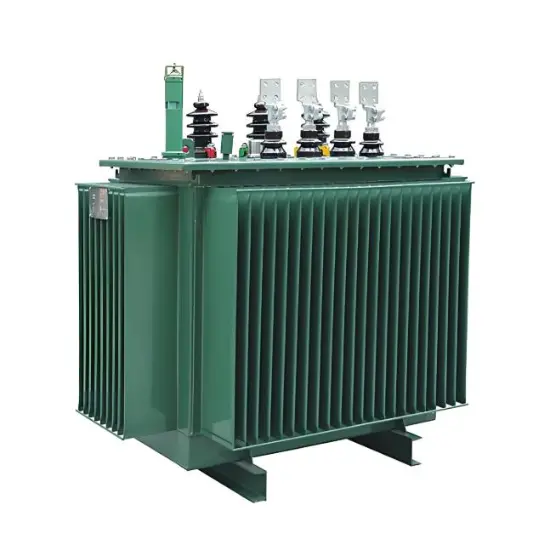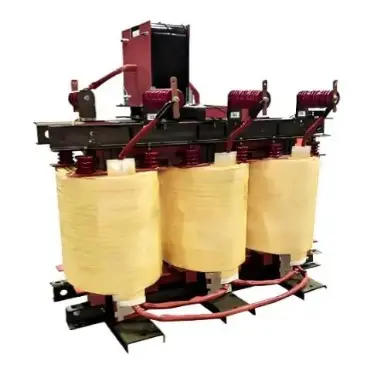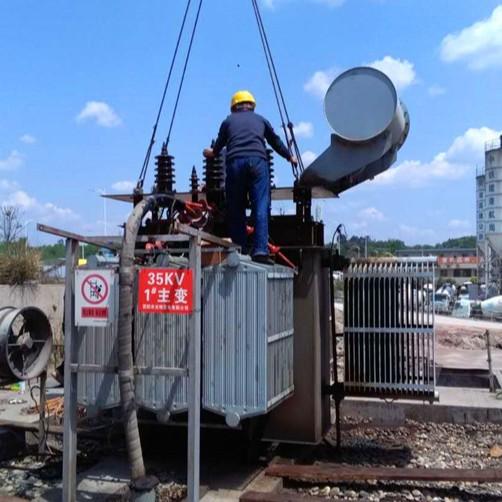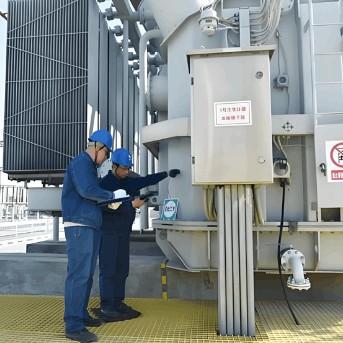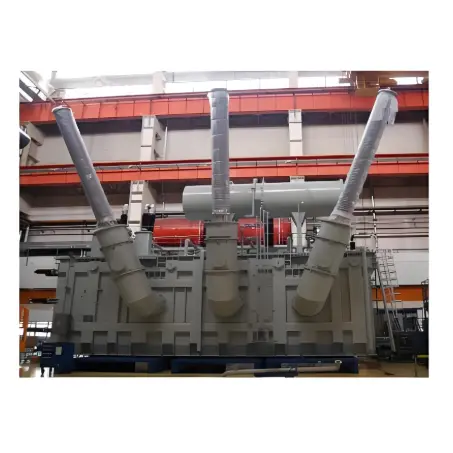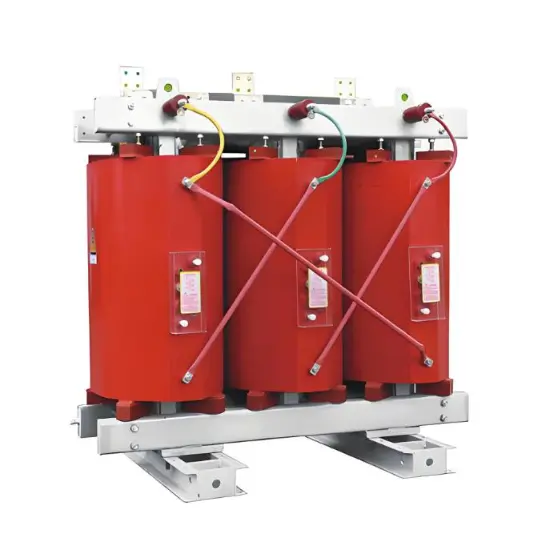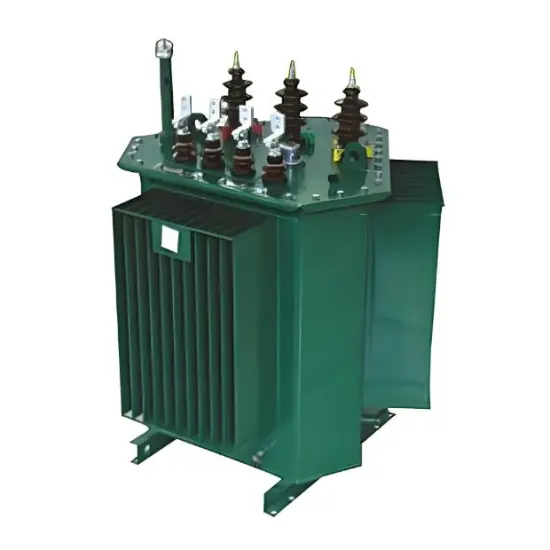
The main hazard points in transformer operation are:
Switching overvoltages that may occur during the energizing or de-energizing of no-load transformers, endangering transformer insulation;
No-load voltage rise in transformers, which may damage transformer insulation.
1. Preventive Measures Against Switching Overvoltages During No-Load Transformer Switching
Grounding the transformer neutral point is primarily aimed at preventing switching overvoltages. In 110 kV and higher large-current grounding systems, some transformer neutral points are left ungrounded to limit single-phase ground fault currents. In other words, the number and location of grounded transformer neutral points in the network are determined by comprehensive considerations including transformer insulation safety, reduction of short-circuit current, and reliable operation of relay protection.
When switching no-load transformers or performing system separation/paralleling operations, grounding the transformer neutral point can prevent accidents caused by capacitive transfer overvoltage or out-of-step power-frequency overvoltage that might result from three-phase asynchronous operation or asymmetric interruption of the circuit breaker. Therefore, prevention of hazards caused by switching overvoltages during no-load transformer operations should focus on the correct operation of the transformer neutral grounding disconnect switch.
The operation of the transformer neutral grounding disconnect switch should follow the following principles:
(1) When multiple transformers are operating in parallel on different buses, at least one transformer neutral point on each bus must be directly grounded to prevent a bus from becoming an ungrounded system if the bus tie breaker opens.
(2) If the low-voltage side of the transformer has a power source, the transformer neutral point must be directly grounded to prevent the high-voltage side breaker from tripping and leaving the transformer as an ungrounded (insulated neutral) system.
(3) When multiple transformers are operating in parallel, normally only one transformer neutral point is allowed to be directly grounded. During transformer switching operations, the original number of directly grounded neutral points must always be maintained. For example, if two transformers are operating in parallel—with Transformer No. 1 neutral directly grounded and Transformer No. 2 neutral grounded through a gap—before shutting down Transformer No. 1, the neutral grounding disconnect switch of Transformer No. 2 must first be closed. Similarly, only after Transformer No. 1 (with its neutral directly grounded) has been successfully re-energized may the neutral grounding disconnect switch of Transformer No. 2 be opened.
(4) Before de-energizing or energizing a transformer, to prevent overvoltages caused by three-phase asynchronous operation or incomplete phase closure of the circuit breaker from affecting transformer insulation, the transformer neutral point must be directly grounded prior to the operation. After energization, the neutral grounding method should be adjusted according to the normal operating mode, and the transformer neutral protection settings must be modified accordingly based on its grounding configuration.
2. Preventive Measures Against No-Load Voltage Rise in Transformers
Dispatchers should take measures during operational commands to avoid no-load voltage rise in transformers—for example, by energizing reactors, operating synchronous condensers with inductive loads, or adjusting tap changers of on-load tap-changing (OLTC) transformers to lower the receiving-end voltage. Additionally, the sending-end voltage may also be appropriately reduced. If the sending end is a power plant supplying only a single substation, the plant’s voltage may be significantly lowered according to equipment requirements. If the power plant also supplies other loads, under feasible conditions, the plant’s busbar may be split so that part of the generation sources can independently adjust voltage according to equipment requirements.