Ang mga fuse ay nakakonekta sa serye sa isang circuit. Kapag ang kuryente sa fuse element ay mas mababa o katumbas ng rated current nito, hindi ito matutunaw. Lamang kapag ang kuryente ay lumampas sa rated value at umabot sa fusing current, ang element ay matutunaw. Kapag may short circuit (o overload) na kuryente sa linya, ang kuryente sa fuse element ay lumalampas sa tiyak na halaga, nagdudulot ng sobrang init at pagtunaw ng element, na siyang nagpapahinto ng circuit nang awtomatiko. Ito ay nagpapahintulot na maprotektahan ang power grid o electrical equipment at maprevent ang mga aksidente, na nagbibigay proteksyon sa mga electrical devices sa circuit. Sa 3kV–35kV small-capacity installations, ang mga fuse ay maaaring gamitin upang maprotektahan ang mga linya, transformers, motors, at voltage transformers.
Sa ibaba, ipaglaban natin ang mga estruktural na katangian, pagpili, at ilang teknikal na detalye ng pag-install para sa 10kV pole-mounted expulsion-type fuses.
1. Estruktura at Katangian ng Karaniwang 10kV Pole-Mounted Expulsion-Type Fuses
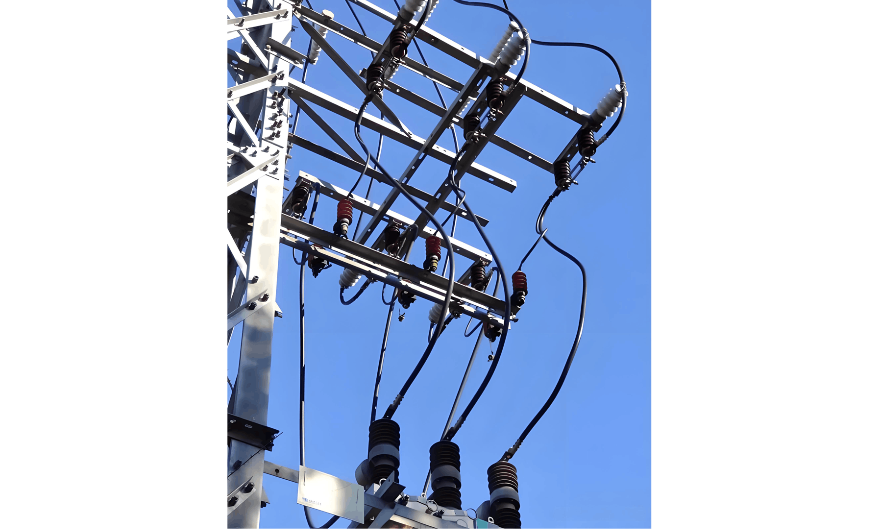
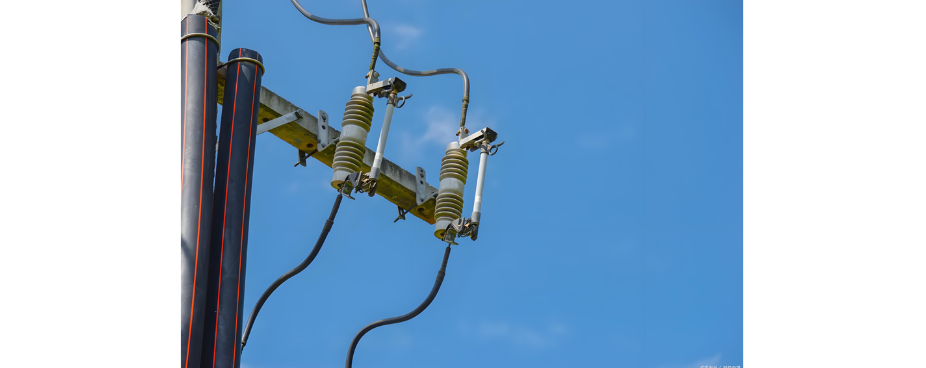
Ang RW10–10F at RW11–10 models ay dalawang karaniwang ginagamit na uri ng general-purpose expulsion-type fuses, tulad ng ipinapakita sa Figures 1 at 2. Bawat modelo ay may sariling mga katangian. Ang unang modelo ay pangunahing gumagamit ng spring force ng coil spring upang mapipindot ang mga contact nang malapitan, may arc extinguishing chamber at arcing contacts na naka-install sa itaas, na nagbibigay ng live-line operation para sa pagbubukas at pagsasara. Ang huling modelo naman ay pangunahing umaasa sa spring force upang mapipindot ang mga contact ngunit hindi maaaring i-operate sa ilalim ng load. Ang fuse tubes at upper/lower contact conductive systems ng dalawang modelo na ito ay may kaunti lamang iba-ibang structural dimensions. Upang masiguro ang interchangeability ng fuse tubes at fuse wires sa panahon ng pag-handle ng pagkakamali at bawasan ang bilang ng mga spare parts na kailangan, inirerekomenda na gamitin lamang ang isang modelo ng expulsion-type fuse sa loob ng isang maintenance area.
Sa normal na operasyon, ang fuse wire ay maasahan na napipindot ng tensioning device, na nagse-cure ng movable joint ng fuse tube at pinapanatili ang tube sa closed position. Kapag ang overcurrent ay nagdulot ng pagtunaw ng fuse wire, naglilikha ng arc sa break sa loob ng fuse tube. Ang lining ng arc extinguishing tube ay nagpapabuo ng malaking halaga ng high-pressure gas dahil sa epekto ng arc, na nagpapabilis ng pagtatapos ng arc. Pagkatapos, ang spring bracket ay mabilis na iniiject ang fuse wire mula sa tube, habang ang fuse tube ay mabilis na bumababa sa bukas sa kombinadong lakas ng upper at lower elastic contacts at sariling bigat nito, na nagbibigay ng clear isolation gap at nagpupulong ng circuit interruption.
Sa itaas ng fuse tube, may pressure-release cap na naglalaman ng low-melting-point fuse plate. Kapag nag-interrupt ng mataas na kuryente, ang thin fuse plate sa itaas na cap ay matutunaw, naglilikha ng dual-end gas exhaust. Kapag nag-interrupt ng mababang kuryente, ang thin fuse plate ay nananatiling buo, na nagreresulta sa single-end gas exhaust.
2. Mga Prinsipyong Paggamit para sa Expulsion-Type Fuses
1) Paggamit ng Fuse Specifications:
Rated Voltage: Piliin ang voltage na katumbas o mas mataas sa rated voltage ng grid. Para sa 10kV distribution network, piliin ang 10kV expulsion-type fuse, tulad ng RW10–10F o RW11–10.
Rated Current: Ang rated current ng fuse ay dapat mas mataas o katumbas ng rated current ng fuse element.
2) Paggamit ng Rated Current ng Fuse Element:
Para sa mga distribution transformers na 100kVA pataas, ang rated current ng high-voltage side fuse wire ay piliin sa 1.5 hanggang 2 beses ang rated current ng high-voltage side ng transformer.
Para sa mga distribution transformers na 100kVA at ibaba, ang rated current ng high-voltage side fuse wire ay piliin sa 2 hanggang 3 beses ang rated current ng high-voltage side ng transformer.
Ang rated current ng low-voltage side fuse wire para sa mga distribution transformers ay piliin sa 1 hanggang 1.2 beses ang rated current ng low-voltage side ng transformer.
3. Hazard Control at Safety Precautions Habang Ina-install
1) Hazard Control:
Panganib ng pagbabagsak mula sa mataas o pagbabagsak ng mga bagay.
Bago sumakyat sa poste, suriin ang base ng poste, climbing tools, at foot spikes kung ligtas.
Ang mga manggagawa ay dapat mag-suot ng safety harness at safety helmet. Ang safety harness ay dapat ikabit sa poste o malakas na bahagi, na iniiwasan ang mga pointed objects na maaaring makasira.
Ang mga materyales, tool bags, at tools ay dapat ipasa gamit ang ropes. Ang mga manggagawa sa poste ay dapat i-prevent ang pagbagsak ng mga bagay, at dapat maglagay ng barrier sa lupa.
Iwasan ang pag-slipping kapag ginagamit ang foot grips upang sumakyat sa poste.
Gumamit ng tamang wrench upang iwasan ang pag-slipping at pagka-sugat.
Bago magtrabaho, i-emphasize ang mga pangalan ng adjacent energized equipment at ang specific line, starting at ending pole numbers.
I-clearly communicate ang impormasyon tungkol sa adjacent, crossing, overpassing, o parallel energized lines at assign a dedicated supervisor.
Ang pole climbing inspections ay dapat gawin ng dalawang tao: isa working at isa supervising. Bago sumakyat, ikumpirma ang de-energized line name at pole number. Ang supervisor ay maaaring sumama sa trabaho kapag ligtas ang worker, ngunit ang worker ay dapat manatili sa line of sight ng supervisor.
Para sa pole climbing inspections, lahat ng low-voltage lines at street light lines na crossed ay dapat verified na de-energized at equipped with temporary grounding wires.
2) Safety Precautions:
Ang power-off installation work ay dapat gawin sa mahusay na panahon. Huwag magtrabaho sa panahon ng thunderstorms, ulan, yelo, o malakas na hangin.
Pagkatapos ng installation, gawin ang open/close tests sa fuse tube upang siguruhin ang mabuting contact.
Ang copper-aluminum connections ay dapat gumamit ng copper-aluminum transition measures.
Suriin na ang piniling fuse wire ay tugma sa capacity ng protected equipment.
It is strictly prohibited to use copper or aluminum wire as a substitute for high-voltage fuse wire.
4. Paghahanda Bago ang Installation
1) Personnel Organization:
1 work supervisor, 1–2 line workers.
2) Kinakailangang Tools, Equipment, at Materials:
Hoisting rope.
Expulsion-type fuse.
Crossarm para sa expulsion-type fuse.
Conductors.
Copper-aluminum terminal connectors.
Copper stranded wire (o aluminum stranded wire).
3) Pre-Installation Checks:
Verify that the fuse specifications and model are appropriate, with a manufacturer's name and factory certificate of conformity.
Check that all fuse components are complete and undamaged, with no cracks or damage on the porcelain parts.
Ensure the shaft is smooth and flexible, with no cracks, sand holes, or rust on cast parts.
The fuse tube should show no signs of moisture absorption, swelling, or bending.
Check that the static and dynamic contacts have good contact and that the contact spring elasticity is appropriate.
5. Installation Procedure
Verify that the specifications and model of the expulsion-type fuse match the design, and that documentation is complete.
Assemble and adjust the expulsion-type fuse, fuse tube, and upper/lower leads. Use equipment clamps to connect the leads to the fuse.
Install the crossarm and other fittings; install the crossarm in the designated position according to design requirements.
Install the expulsion-type fuse:
During installation, tighten the fuse element to prevent overheating at the contacts.
The fuse must be securely and reliably mounted on the crossarm (structure), with no shaking or wobbling.
The angle between the axis of the fuse tube and the vertical ground should be 15°–30° to allow the tube to drop quickly under its own weight when the element melts.
The fuse should be installed on a crossarm (structure) at a vertical height of no less than 4.7m from the ground. If installed above a distribution transformer, maintain a horizontal distance of more than 0.5m from the outermost boundary of the transformer to prevent secondary accidents if the tube falls.
The length of the fuse tube should be properly adjusted. After closing, the duckbill tongue should engage more than 2/3 of the contact length to prevent unintended dropping during operation. The tube should not be jammed in the duckbill to ensure it can drop promptly after the element melts.
10kV expulsion-type fuses are installed outdoors, requiring a phase-to-phase distance greater than 0.5m.
(5) Connect the upper and lower leads of the expulsion-type fuse; the connections to the line conductors must be tight and reliable.
6. Installation Craftsmanship Requirements
The upper and lower leads of the expulsion-type fuse must be reliably connected with good contact.
When connecting copper to aluminum, use copper-aluminum transition clamps.
After installation, the RW-type fuse tube should form an angle of approximately 30° with the pole.
The fuse tube should be clean, crack-free, undeformed, and free of welding marks. The indicator should be intact and pointing downward. The resistance value of the fuse tube should meet the manufacturer's standards, or the difference between the three-phase resistance values should be less than 20%.
The contact seat should be clean, free of rust or burn marks. If uneven, use a fine file to level it and sandpaper to polish it. Replace if the required condition cannot be achieved after treatment.
Clean the base of the connection plate, polish with sandpaper, wipe clean, apply electrical grease or neutral petroleum jelly, and tighten the bolts.