• Product
  • Suppliers
  • Manufacturers
  • Solutions
  • Free tools
  • Knowledges
  • Experts
  • Communities
Search


Free Expert Guides on Power Systems, Circuit Design & Electrical Troubleshooting

Access free engineering resources from IEE Business—covering power design, circuit layout, equipment selection, and troubleshooting. Expert-developed guides help engineers, procurement, and project teams make better decisions. Stay ahead on smart grids, renewables, efficiency, and AI tools. Improve reliability, reduce downtime, and enhance outcomes with real-world solutions. Explore our knowledge hub today.
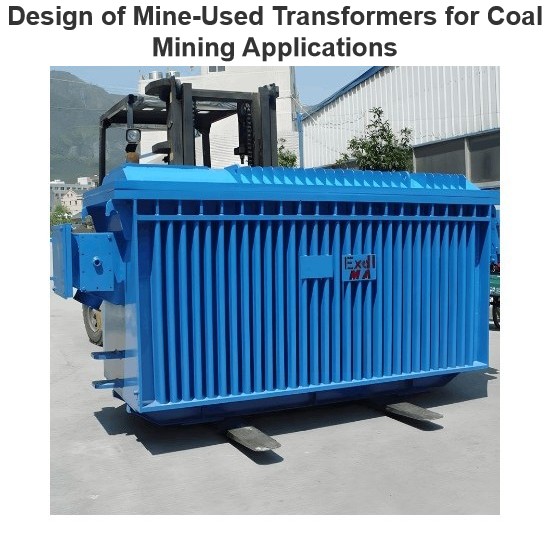
Design of Mine-Used Transformers for Coal Mining Applications
Coal mining is a crucial source of energy supply in China, and the requirements for mine-used transformers are exceptionally high. These transformers must not only provide essential power for mining operations but also ensure that their operation does not compromise mine safety. Considering current coal mine production demands in China, epoxy resin cast dry-type transformers are typically used as the core component, with appropriate modifications in external structural design.Internal Transforme
08/06/2025
Consult
Tip
Consult
Tip
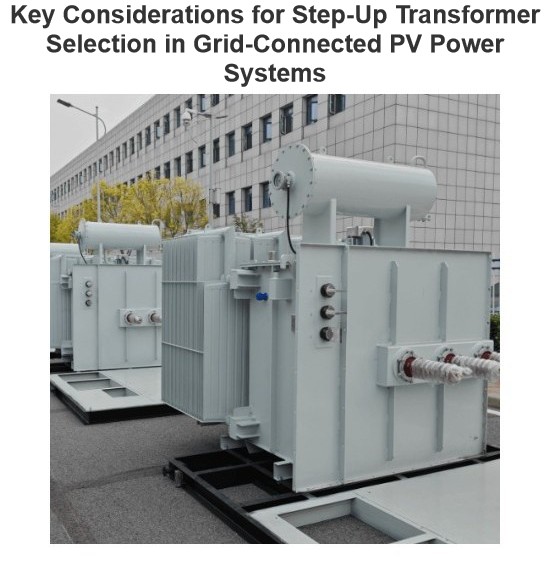
Key Considerations for Step-Up Transformer Selection in Grid-Connected PV Power Systems
In grid-connected photovoltaic (PV) power generation systems, the step-up transformer is a critical component. Optimizing transformer selection to minimize inherent losses and enhance efficiency is essential for improving overall system performance. This article outlines key considerations for proper step-up transformer selection in PV systems. Transformer Capacity SelectionThe required transformer capacity is calculated as: Apparent Power = Active Power / Power Factor. Power factor requirements
08/05/2025
Consult
Tip
Consult
Tip
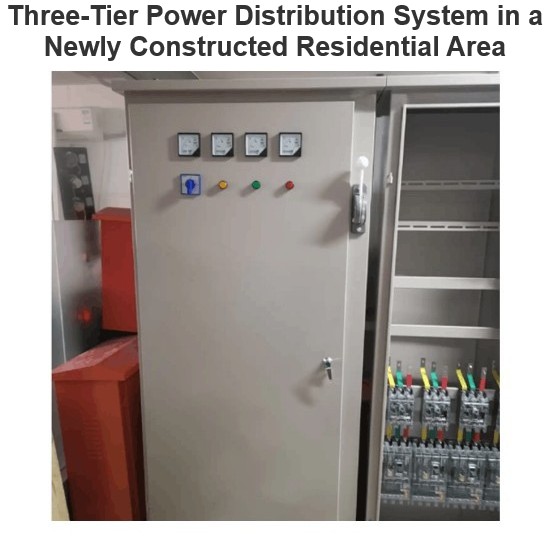
Three-Tier Power Distribution System in a Newly Constructed Residential Area
In a newly constructed residential area, a 10kV power line is introduced into the substation. After stepping down the voltage through the transformer's low-voltage side (0.4kV), power distribution is achieved through three levels of distribution boxes: the main distribution board, secondary distribution boards, and tertiary distribution boards.Main Distribution Board Serves as the primary distribution point for the entire project, directly connected to the transformer providing 0.4kV power. Does
08/05/2025
Consult
Tip
Consult
Tip
Technical Specifications for Climate-Adaptive Transformer Designs
As the frequency and severity of climate-related events such as storms, floods, and wildfires continue to rise, the development of climate-adaptive transformer designs has become an urgent need. Transformers, as a core component of power infrastructure, their ability to withstand extreme weather conditions is directly related to the stability of power supply. This article explores the technical specifications defining climate-adaptive transformer designs, focusing on four key dimensions: materia
08/04/2025
Consult
Tip
Consult
Tip
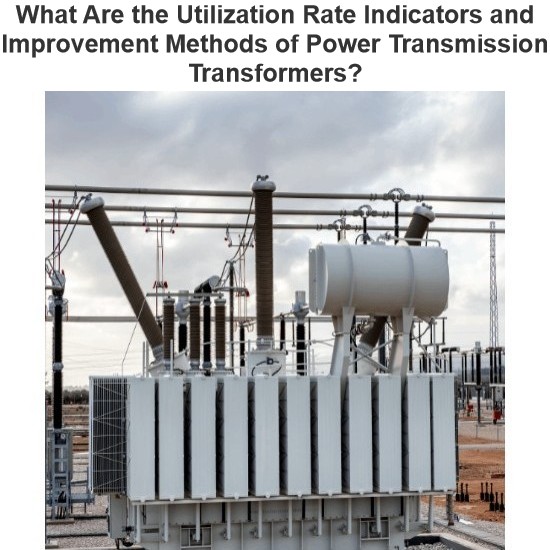
What Are the Utilization Rate Indicators and Improvement Methods of Power Transmission Transformers?
1. Indicators Related to the Utilization Rate of Power Transmission TransformersThe utilization rate of power transmission transformers needs to consider both the cost of transmitting and distributing electrical energy and the utilization efficiency of the equipment itself. The core indicators mainly include three dimensions: load rate, load factor, and equipment life rate.1.1 Load RateIt refers to the ratio of the actual load at the moment of maximum load to the rated capacity of the transforme
08/04/2025
Consult
Tip
Consult
Tip
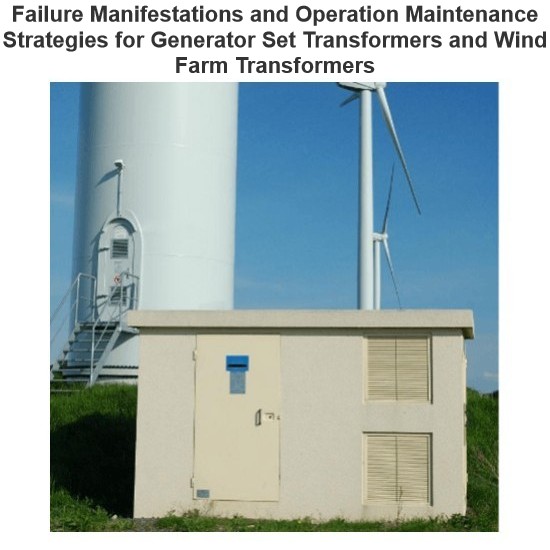
Failure Manifestations and Operation Maintenance Strategies for Generator Set Transformers and Wind Farm Transformers
1. Manifestations of Generator Set Transformer Failures1.1 Abnormal Temperature RiseAbnormal temperature rise directly reflects a transformer’s health and serves as a key fault - warning indicator. During operation, electromagnetic energy conversion causes iron and copper losses, which turn into heat. To ensure normal operation, transformers use heat - dissipation mechanisms like oil circulation and heat radiation to maintain internal temperature balance.Thermometers and online detecti
08/04/2025
Consult
Tip
Consult
Tip
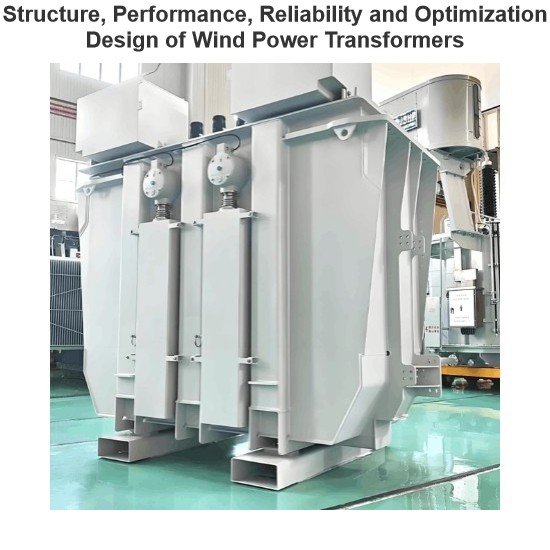
Structure, Performance, Reliability and Optimization Design of Wind Power Transformers
1 Basic Structure, Operating Characteristics and Special Requirements of Transformers for Wind Power Generation1.1 Basic Structure of Transformers(1) Core StructureTransformers for wind power generation adopt core materials with high magnetic permeability to reduce energy losses. In application, the core usually requires special treatment to adapt to the harsh environment of long - term high humidity and high salinity. Especially in offshore wind farms, the corrosion resistance of the core is pa
08/04/2025
Consult
Tip
Consult
Tip
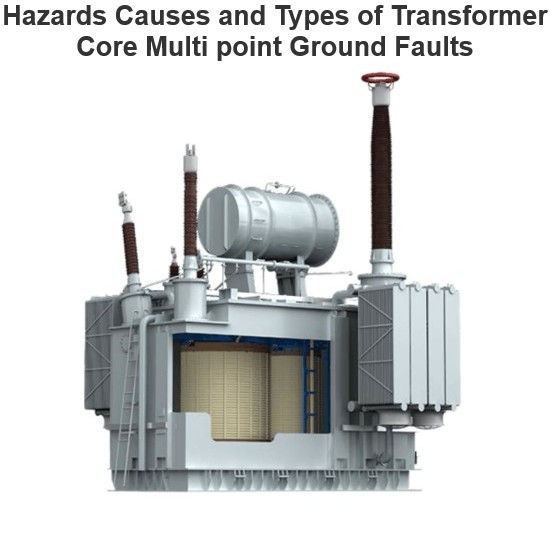
Hazards Causes and Types of Transformer Core Multi point Ground Faults
Hazards of Multi-point Core Ground FaultsA transformer core must not have multi-point grounding during normal operation. An alternating magnetic field around the winding induces parasitic capacitances between windings, core, and shell. Live windings couple through these capacitances, creating a core floating potential relative to ground. Uneven distances between components cause potential differences; when high enough, they spark. This intermittent discharge degrades transformer oil and solid in
08/02/2025
Consult
Tip
Consult
Tip
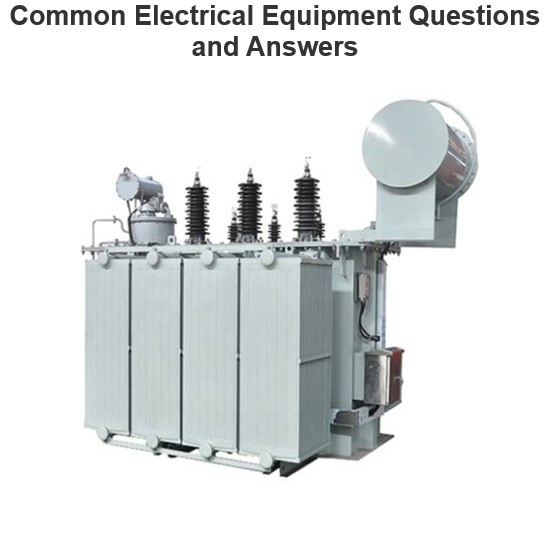
Common Electrical Equipment Questions and Answers
Why is a ZnO surge arrester installed between the power capacitor and its breaker?A ZnO surge arrester is installed to prevent overvoltage caused by switching operations, thereby ensuring the safe operation of electrical equipment. What is the difference between an energy meter and a power meter?A power meter indicates the instantaneous power output or consumption, while an energy meter records the total energy produced, transmitted, or consumed over a specific period. What are the requirements
08/02/2025
Consult
Tip
Consult
Tip
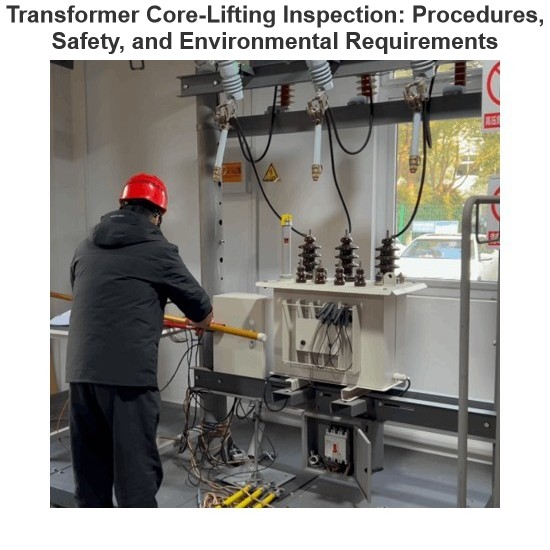
Transformer Core-Lifting Inspection: Procedures, Safety, and Environmental Requirements
1.Environmental Requirements for Transformer Core-Lifting Inspection1.1 General Environmental ConditionsCore - lifting operations are preferably carried out indoors. For large transformers that have to be operated outdoors due to specific conditions, sufficient measures must be taken to prevent moisture and dust contamination.Core - lifting should not be conducted during rainy or snowy weather or when the relative humidity exceeds 75%.The ambient air temperature during core - lifting should not
08/01/2025
Consult
Tip
Consult
Tip
Send inquiry
+86
Click to upload file
Download
Get the IEE Business Application
Use the IEE-Business app to find equipment, obtain solutions, connect with experts, and participate in industry collaboration anytime, anywhere—fully supporting the development of your power projects and business.