• Product
  • Suppliers
  • Manufacturers
  • Solutions
  • Free tools
  • Knowledges
  • Experts
  • Communities
Search


Free Expert Guides on Power Systems, Circuit Design & Electrical Troubleshooting

Access free engineering resources from IEE Business—covering power design, circuit layout, equipment selection, and troubleshooting. Expert-developed guides help engineers, procurement, and project teams make better decisions. Stay ahead on smart grids, renewables, efficiency, and AI tools. Improve reliability, reduce downtime, and enhance outcomes with real-world solutions. Explore our knowledge hub today.
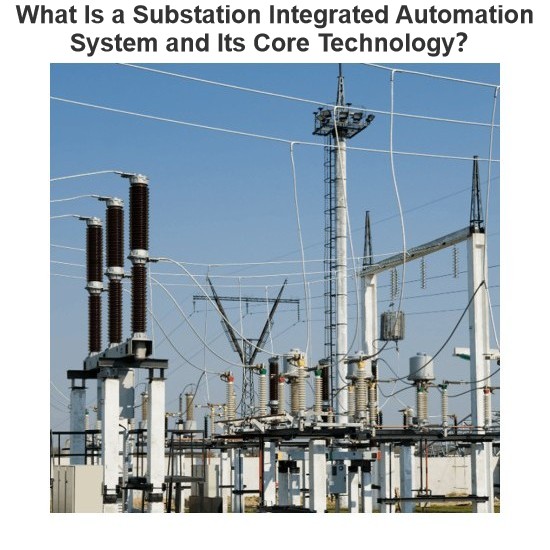
What Is a Substation Integrated Automation System and Its Core Technology?
Substation Integrated Automation SystemThe Substation Integrated Automation System is a comprehensive automation solution that leverages advanced technologies—including computer science, modern electronics, communication systems, and information processing—to reorganize and optimize the functions of substation secondary equipment. This includes relay protection, control, measurement, signaling, fault recording, automatic devices, and telecontrol systems. The system enables in
08/08/2025
Consult
Tip
Consult
Tip
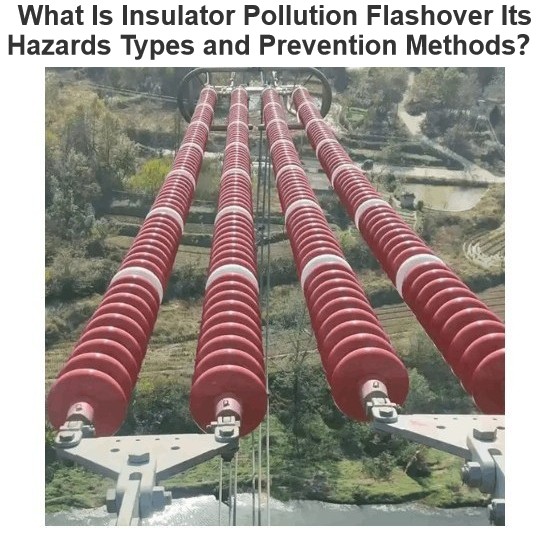
What Is Insulator Pollution Flashover Its Hazards Types and Prevention Methods?
Insulator Pollution Flashover and Its HazardsPollution flashover refers to a phenomenon where contaminants on the surface of electrical equipment insulators (external insulation) dissolve in moisture, forming a conductive layer that significantly reduces the insulator's insulation level. Under the influence of an electric field, this leads to severe discharge. During pollution flashover incidents, the success rate of automatic reclosing is very low, often resulting in widespread power outages. T
08/08/2025
Consult
Tip
Consult
Tip
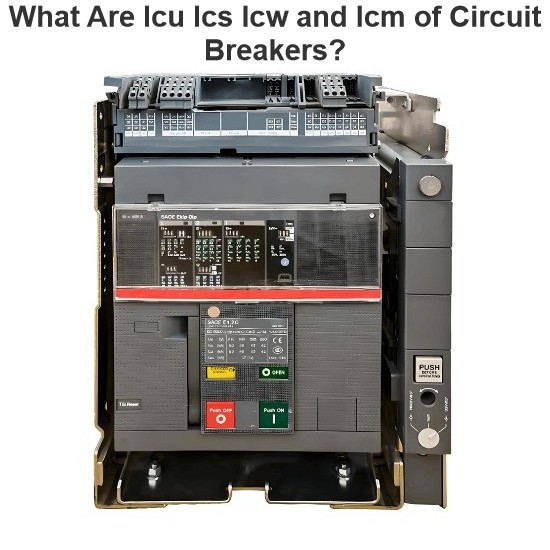
What Are Icu Ics Icw and Icm of Circuit Breakers?
What is Icu?Icu stands for ultimate breaking capacity of a circuit breaker, which is the maximum fault current the circuit breaker can interrupt without damage. For Miniature Circuit Breakers (MCBs), the maximum Icu typically ranges from 6 kA to 10 kA, while for Molded Case Circuit Breakers (MCCBs), it can reach up to 200 kA.What is Ics?Ics refers to the rated service breaking capacity, or service short-circuit breaking capacity. It indicates the short-circuit current that a circuit breaker can
08/08/2025
Consult
Tip
Consult
Tip
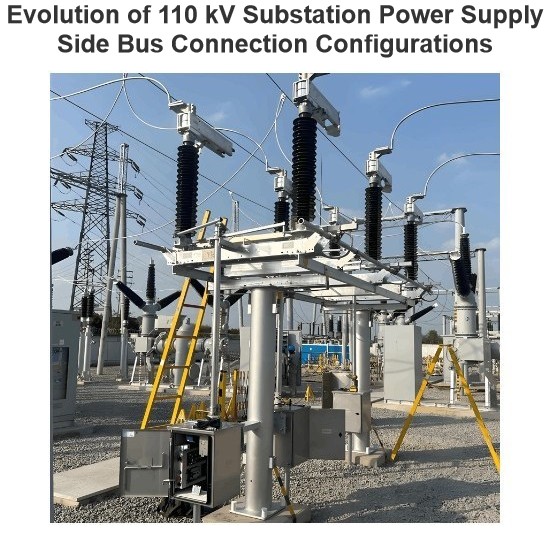
Evolution of 110 kV Substation Power Supply Side Bus Connection Configurations
Early 110 kV substations typically adopted the "internal bus connection" configuration on the power supply side, where the power source commonly used the "internal bridge connection" method. This was often observed in certain 220 kV substations supplying 110 kV buses from different transformers in a "same-direction dual-power" arrangement. This setup involved two transformers, with the 10 kV side using a single busbar with sectionalized connection. Advantages included simple wiring, convenient o
08/08/2025
Consult
Tip
Consult
Tip
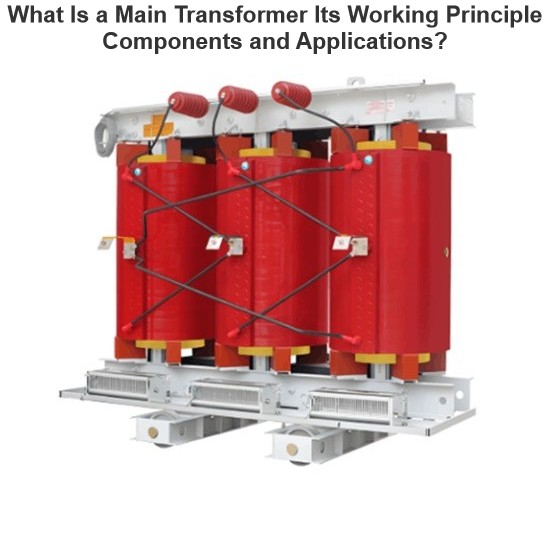
What Is a Main Transformer Its Working Principle Components and Applications?
Main TransformerThe main transformer is primarily responsible for converting the high-voltage electrical energy generated at power plants into lower-voltage electrical energy suitable for transmission, distribution, and end-use. This process involves stepping down voltage from high to low levels.Working PrincipleThe main transformer operates based on the principles of electromagnetic induction and voltage transformation. When an alternating current (AC) is applied to the high-voltage winding, it
08/07/2025
Consult
Tip
Consult
Tip
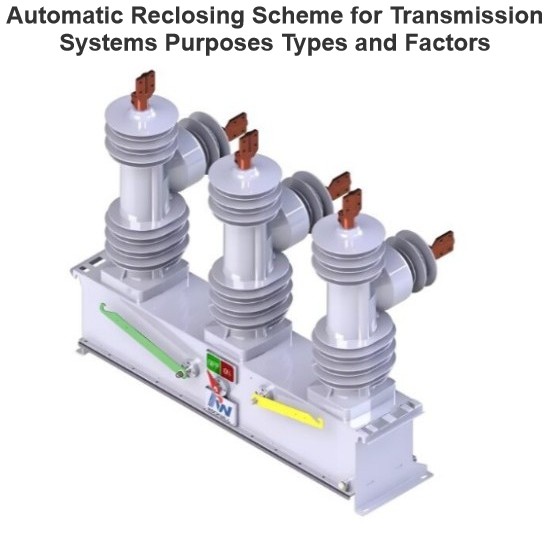
Automatic Reclosing Scheme for Transmission Systems Purposes Types and Factors
Automatic Reclosing Scheme for Transmission SystemsThe automatic reclosing system is a series-connected network designed to reduce operating costs and enhance network reliability. Extra-high voltage (EHV) transmission lines are used to transmit large amounts of power, on the order of thousands of megawatts (MW), and therefore should not be interrupted at all costs. Although faults on these overhead lines are common, the power transmitted through them should not be interrupted for long periods du
08/07/2025
Consult
Tip
Consult
Tip
What Is a Power System Bushing and Its Types for Transformers?
In electrical power systems, a bushing is an insulating device that allows an electrical conductor to pass safely through a grounded conductive barrier, as in the case of transformers or circuit breakers. All transformer windings are connected to high-voltage lines, so special attention must be paid to the terminal connections to prevent flashover between the high-voltage terminals and the transformer body. In low-voltage distribution transformers, cable connections are made within a terminal bo
08/07/2025
Consult
Tip
Consult
Tip
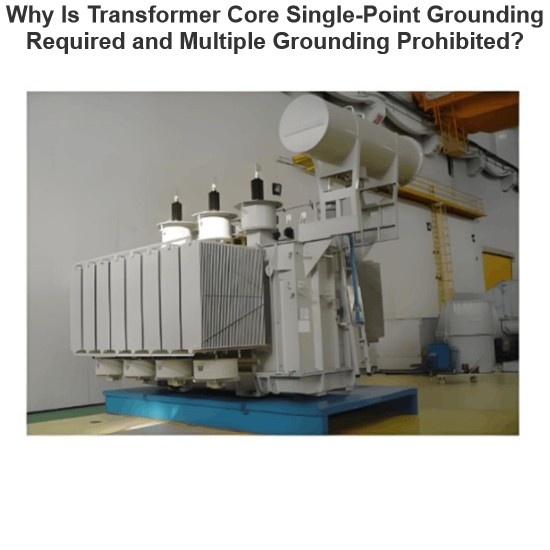
Why Is Transformer Core Single-Point Grounding Required and Multiple Grounding Prohibited?
During transformer operation, the core and the metallic structures and components that secure the core and windings are exposed to a strong electric field, inducing a high potential relative to ground. If the core is left ungrounded, a potential difference can develop between the core and grounded parts such as clamps and the tank, leading to intermittent discharges. Additionally, the magnetic field surrounding the windings induces varying electromotive forces (EMF) in different metallic compone
08/07/2025
Consult
Tip
Consult
Tip
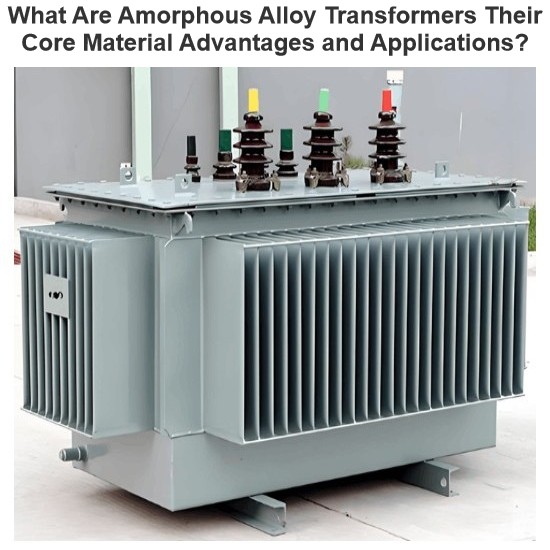
What Are Amorphous Alloy Transformers Their Core Material Advantages and Applications?
Amorphous alloy transformers, developed in the 1970s, represent a new generation of power transformers that utilize amorphous alloys as the core material instead of conventional silicon steel sheets. Compared to silicon steel-core transformers, they reduce no-load losses by approximately 70%–80% and no-load current by about 85%. These transformers are currently among the most energy-efficient distribution transformers available, making them ideal for applications in areas with low load
08/07/2025
Consult
Tip
Consult
Tip
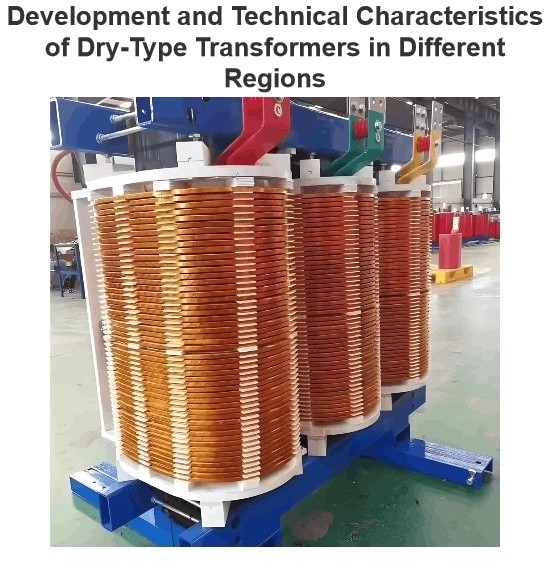
Development and Technical Characteristics of Dry-Type Transformers in Different Regions
Prior to the 1960s, dry-type transformers primarily employed Class B insulation in open-ventilated designs, with the product model designated as SG. At that time, foil windings were not yet available, so low-voltage coils were typically constructed using multi-strand conductors in layered or spiral configurations, while high-voltage coils adopted a disc-type design. The conductors used were either double glass-fiber-wrapped wires or single glass-fiber-wrapped wires with alkyd enamel coating.Most
08/06/2025
Consult
Tip
Consult
Tip
Send inquiry
+86
Click to upload file
Download
Get the IEE Business Application
Use the IEE-Business app to find equipment, obtain solutions, connect with experts, and participate in industry collaboration anytime, anywhere—fully supporting the development of your power projects and business.