• Product
  • Suppliers
  • Manufacturers
  • Solutions
  • Free tools
  • Knowledges
  • Experts
  • Communities
Search


Free Expert Guides on Power Systems, Circuit Design & Electrical Troubleshooting

Access free engineering resources from IEE Business—covering power design, circuit layout, equipment selection, and troubleshooting. Expert-developed guides help engineers, procurement, and project teams make better decisions. Stay ahead on smart grids, renewables, efficiency, and AI tools. Improve reliability, reduce downtime, and enhance outcomes with real-world solutions. Explore our knowledge hub today.
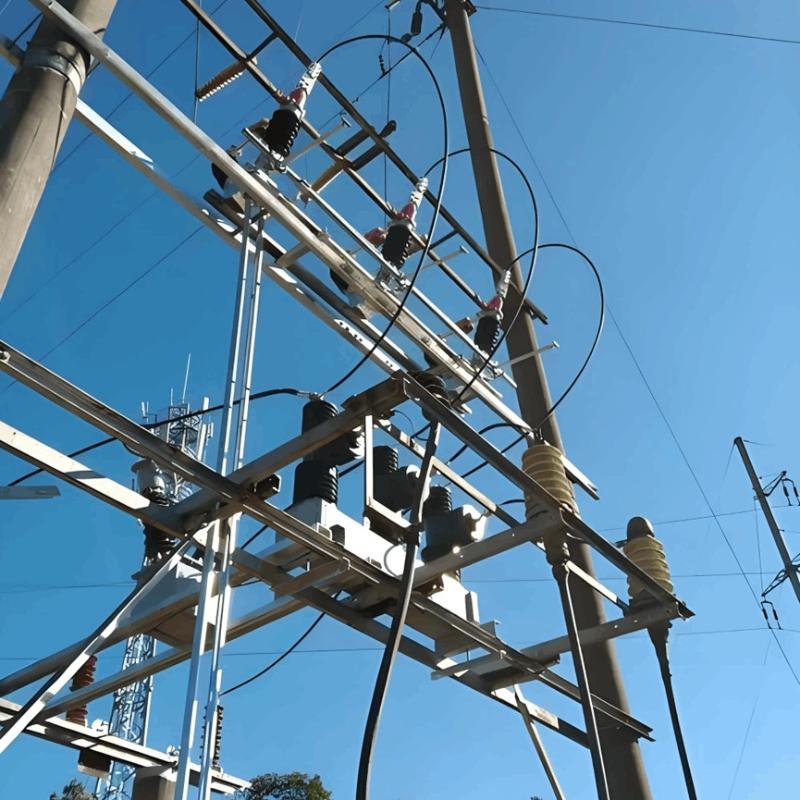
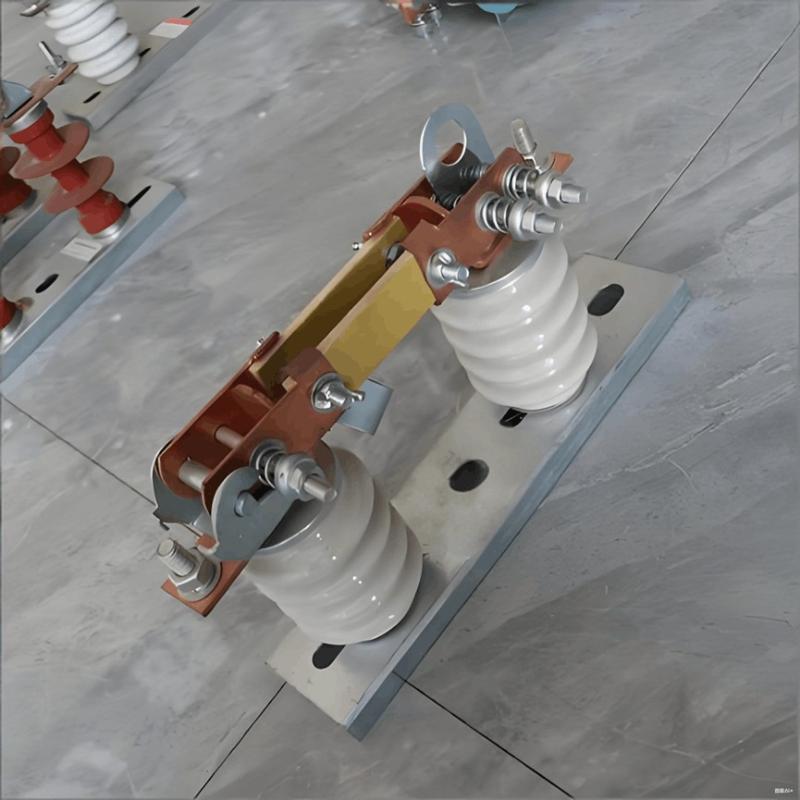
Why Do Disconnectors Overheat? Diagnosis & Fixes
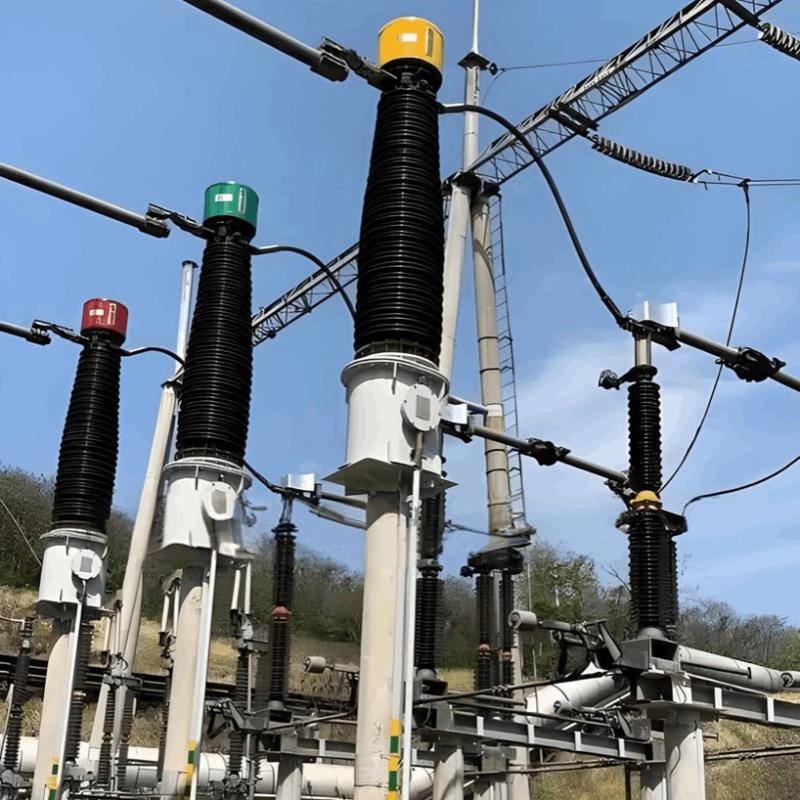
Causes of Heating in Disconnectors Incomplete closing: This significantly reduces the current-carrying cross-sectional area, leading to increased contact resistance. Loose fasteners or degraded springs: Corrosion or overheating of the blade or contact springs reduces spring pressure; improper operating force may also cause misalignment of contact surfaces. Poor contact closure: Results in oxidation and contamination of contact surfaces; contacts may also be damaged by arcing during operation, an
11/13/2025
Consult
Tip
Consult
Tip
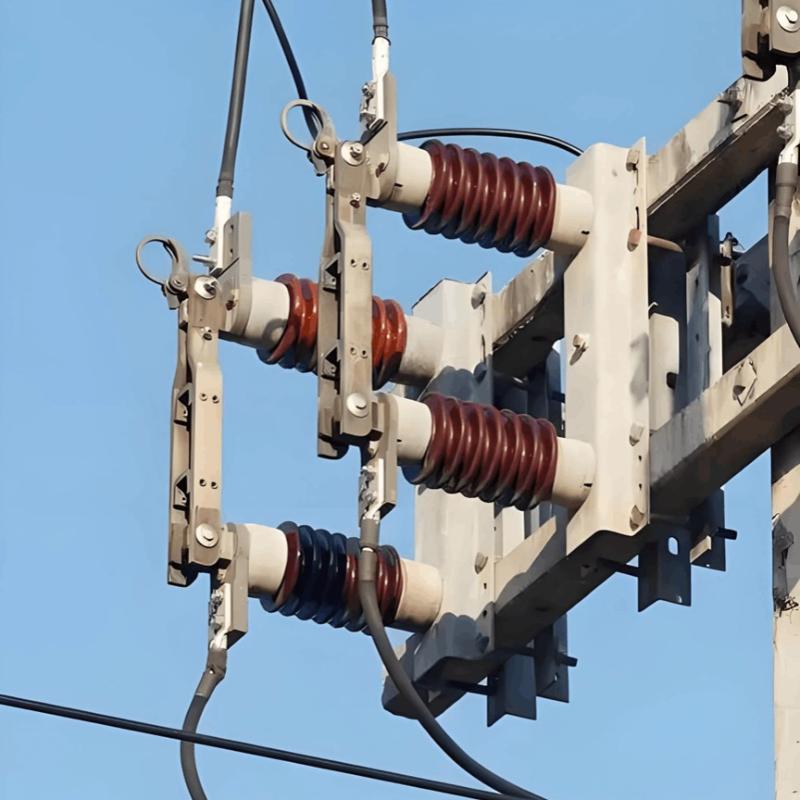
Fault Handling of High-Voltage Disconnector Failure to Open at a 110 kV Substation
According to relevant regulations, high-voltage disconnectors are permitted to perform the following operations: Switching (opening/closing) normally operating potential transformers (PTs) and surge arresters; Switching the neutral grounding disconnector of a main transformer under normal operating conditions; Switching small-current loops to balance circulating currents.A high-voltage disconnector is an electrical component without arc-quenching capability. Therefore, it may only be operated wh
11/11/2025
Consult
Tip
Consult
Tip
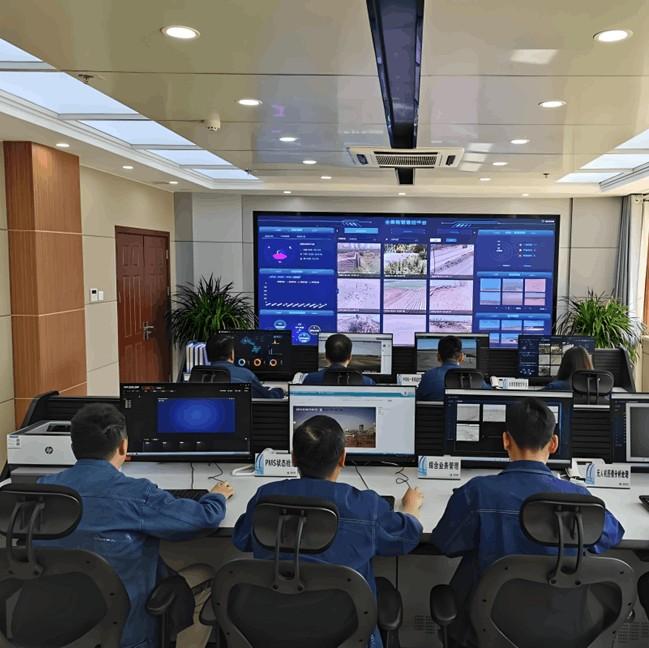
Design of a Remote Monitoring and Fault Early-Warning System for High-Voltage Disconnectors
The operational status of high-voltage disconnectors directly impacts the safety and stability of power grids. Currently, the operation and maintenance (O&M) of high-voltage disconnectors face numerous challenges—traditional O&M methods are inefficient, slow to respond, and struggle to accurately predict faults. Against this backdrop, developing a remote monitoring and fault early-warning system for high-voltage disconnectors is of great significance.1. Overall Design of the Remote Monit
11/11/2025
Consult
Tip
Consult
Tip
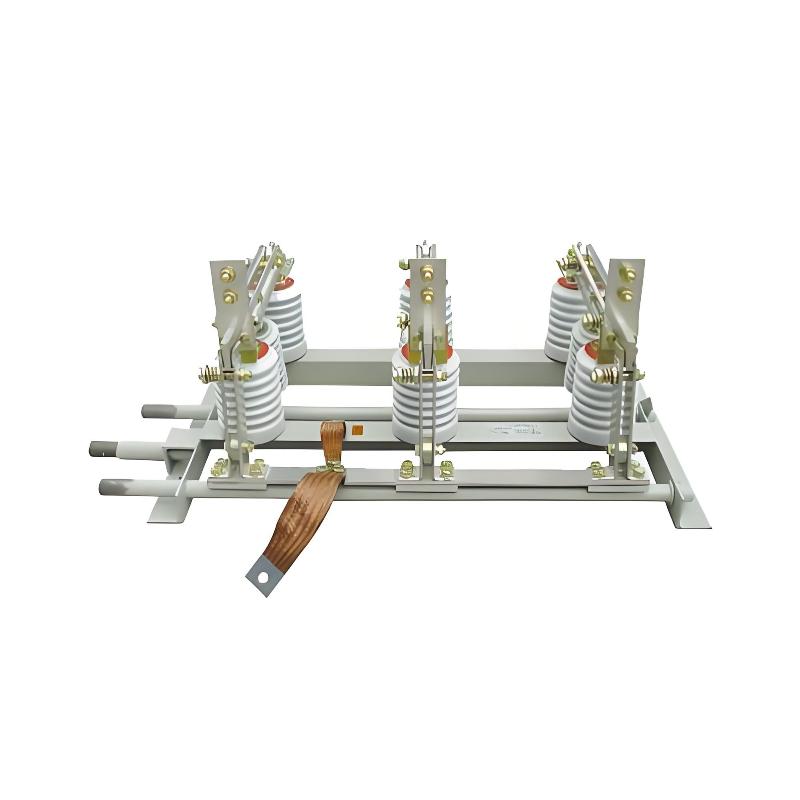
Manual or Electric Isolator Not Opening? Here’s What to Do
Isolating Switch: Definition and OverviewAn isolating switch (or disconnector) is a switching device primarily used for isolating power sources, switching operations (bus transfer), and making or breaking small-current circuits. It has no arc-quenching capability.When in the open position, there is a specified insulation distance between contacts and a clearly visible disconnection indicator. When in the closed position, it can carry the normal operating current and, for a specified duration, th
11/08/2025
Consult
Tip
Consult
Tip
Why Capacitor Bank Isolators Overheat & How to Fix
Causes of High Temperature in Isolating Switches of Capacitor Banks and Corresponding SolutionsI. Causes: OverloadThe capacitor bank is operating beyond its designed rated capacity. Poor ContactOxidation, loosening, or wear at contact points increases contact resistance. High Ambient TemperatureElevated external environmental temperatures impair the switch’s ability to dissipate heat. Inadequate Heat DissipationPoor ventilation or dust accumulation on heat sinks hinders effective cooling. Harmon
11/08/2025
Consult
Tip
Consult
Tip
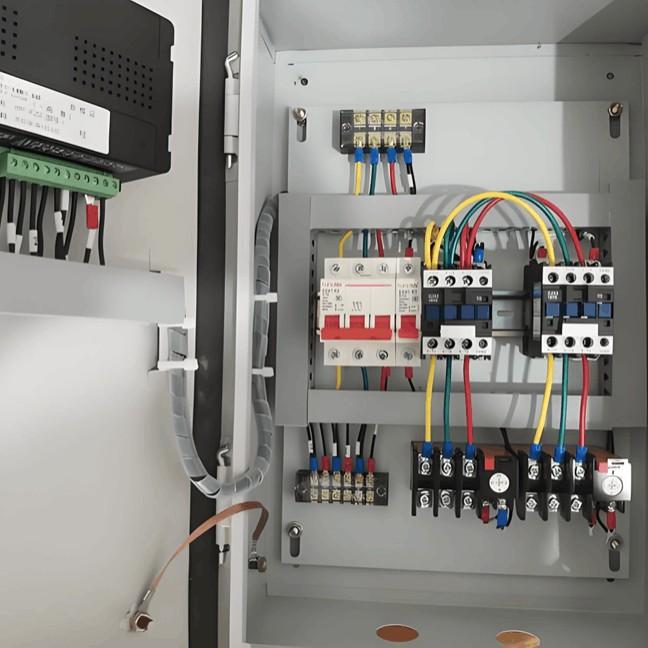
What caused the transformer in the pump control panel to burn out?
A sewage pump control panel suddenly suffered a catastrophic failure—the control transformer literally caught fire and burned to a charred mess, completely catching us off guard. With no spare parts available in the warehouse and work needing to continue, we had to think fast.From the circuit diagram, it’s clear that this pump control panel operates on a 660V AC power system, but its control circuit still uses 220V AC—essentially the same as standard distribution panels. The burnt-out transforme
11/08/2025
Consult
Tip
Consult
Tip
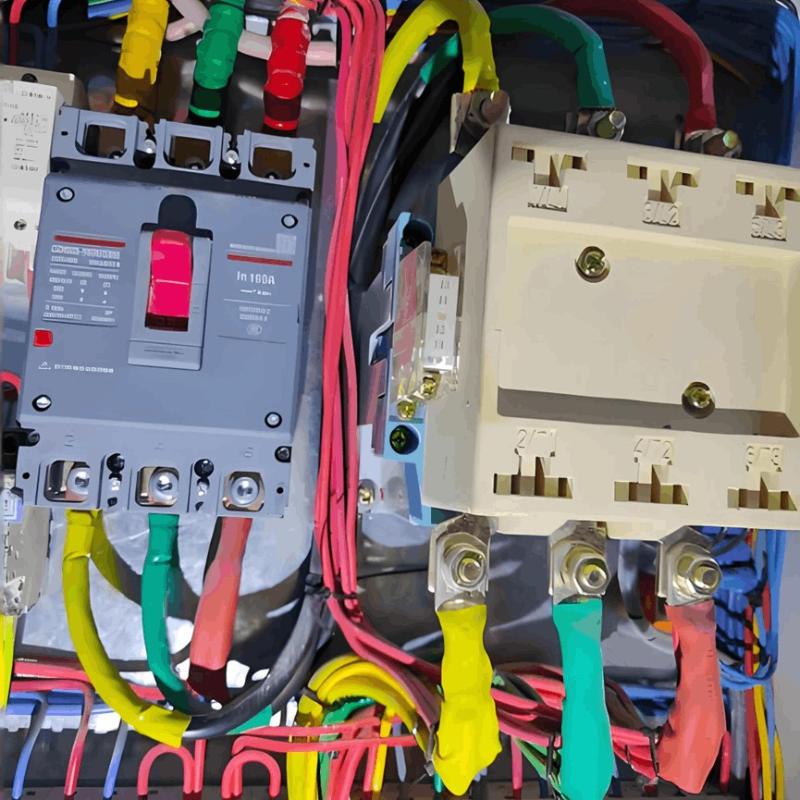
What is the problem with cascading trips in electrical distribution panels?
Very often, the lowest-level circuit breaker does not trip, but the upstream (higher-level) one does! This causes a large-scale power outage! Why does this happen? Today, we’ll discuss this issue.Main Causes of Cascading (Unintended Upstream) Tripping The main circuit breaker’s load capacity is smaller than the total load capacity of all downstream branch breakers. The main breaker is equipped with a residual current device (RCD), while the branch breakers are not. When appliance leakage current
11/07/2025
Consult
Tip
Consult
Tip
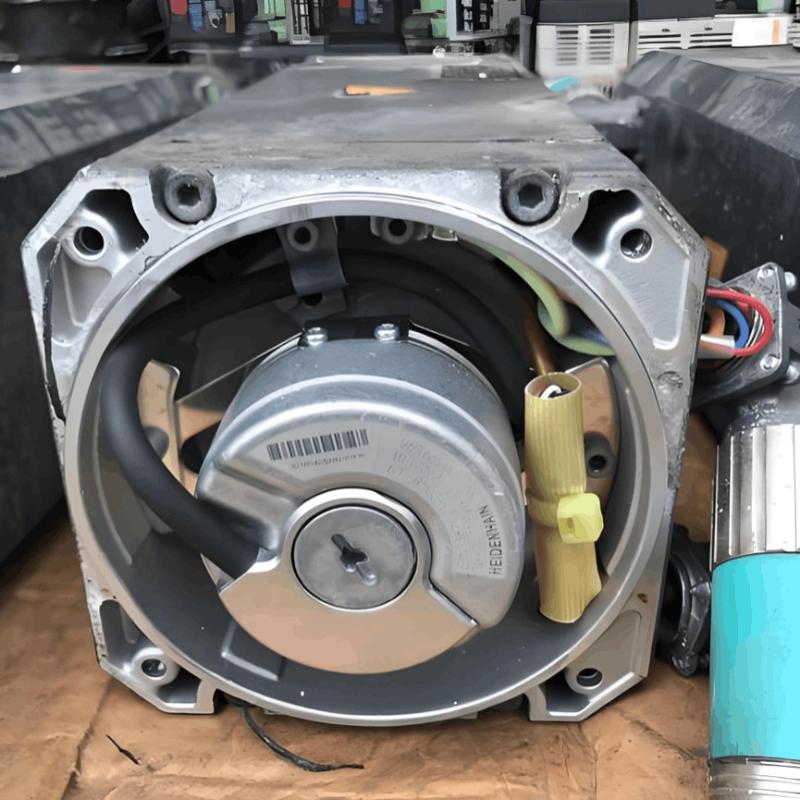
Six Troubleshooting Tips for Stepper Servo Motor Issues
Stepper servo motors, as critical components in industrial automation, directly impact equipment performance through their stability and precision. However, in practical applications, motors may exhibit abnormalities due to parameter configuration, mechanical load, or environmental factors. This article provides systematic solutions for six typical issues, combined with real-world engineering cases, to help technicians quickly identify and resolve problems.1. Abnormal Motor Vibration and NoiseVi
11/06/2025
Consult
Tip
Consult
Tip
What are the hazards of high-order harmonics to electrical equipment?
Voltage distortion in AC power systems causes unequal intervals between the firing pulses of the control angle in conventional converters, and through positive feedback, it amplifies the system voltage distortion, resulting in unstable rectifier operation. In inverters, continuous commutation failures may occur, preventing normal operation and even damaging commutation equipment.For star-connected transformers, third-order and triplen harmonics can cause third-harmonic oscillation when the windi
11/06/2025
Consult
Tip
Consult
Tip
How to Identify Internal Faults in a Transformer?
Measure DC resistance: Use a bridge to measure the DC resistance of each high- and low-voltage winding. Check whether the resistance values among phases are balanced and consistent with the manufacturer’s original data. If phase resistance cannot be measured directly, line resistance may be measured instead. The DC resistance values can indicate whether the windings are intact, whether there are short circuits or open circuits, and whether the contact resistance of the tap changer is normal. If
11/04/2025
Consult
Tip
Consult
Tip
Send inquiry
+86
Click to upload file
Download
Get the IEE Business Application
Use the IEE-Business app to find equipment, obtain solutions, connect with experts, and participate in industry collaboration anytime, anywhere—fully supporting the development of your power projects and business.