• Product
  • Suppliers
  • Manufacturers
  • Solutions
  • Free tools
  • Knowledges
  • Experts
  • Communities
Search


Free Expert Guides on Power Systems, Circuit Design & Electrical Troubleshooting

Access free engineering resources from IEE Business—covering power design, circuit layout, equipment selection, and troubleshooting. Expert-developed guides help engineers, procurement, and project teams make better decisions. Stay ahead on smart grids, renewables, efficiency, and AI tools. Improve reliability, reduce downtime, and enhance outcomes with real-world solutions. Explore our knowledge hub today.
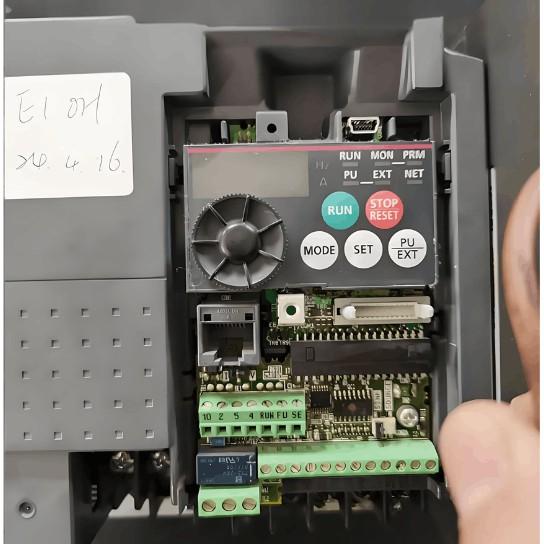
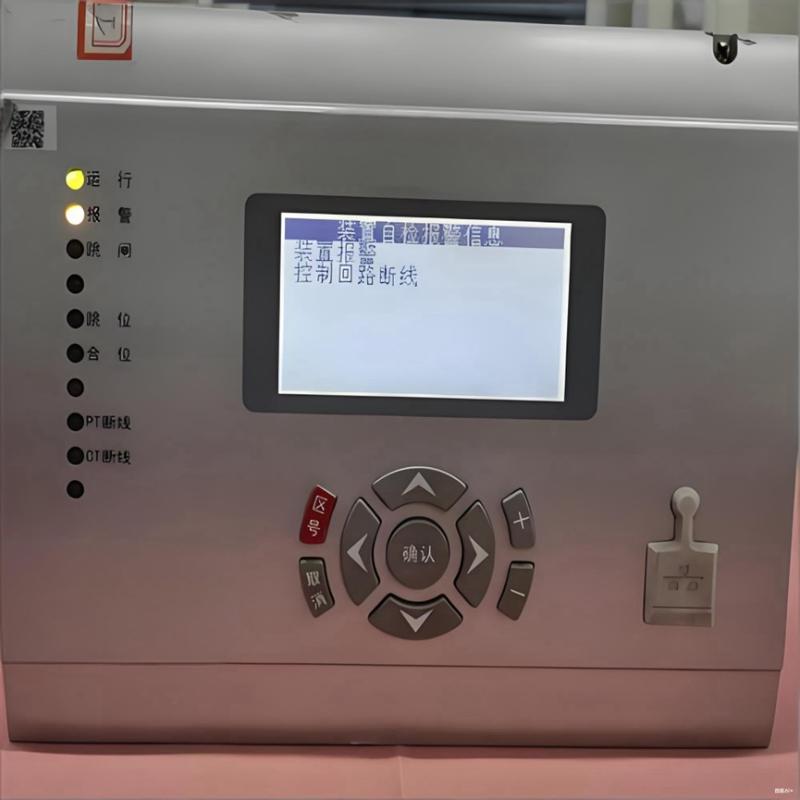
What Are the Common Inverter Fault Symptoms and Inspection Methods? A Complete Guide
Common inverter faults mainly include overcurrent, short circuit, ground fault, overvoltage, undervoltage, phase loss, overheating, overload, CPU malfunction, and communication errors. Modern inverters are equipped with comprehensive self-diagnostic, protection, and alarm functions. When any of these faults occurs, the inverter will immediately trigger an alarm or shut down automatically for protection, displaying a fault code or fault type. In most cases, the fault cause can be quickly identifi
11/04/2025
Consult
Tip
Consult
Tip
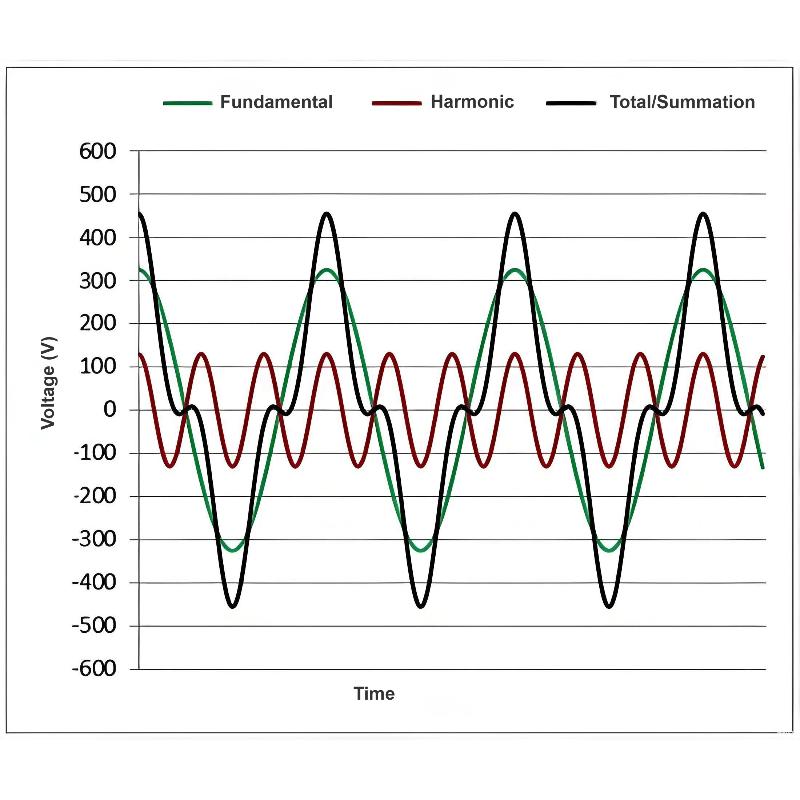
Grid Harmonics: Hidden Threat to Electrical Assets
When Actual Grid THD Exceeds Limits (e.g., Voltage THDv > 5%, Current THDi > 10%), It Causes Organic Damage to Equipment Across the Entire Power Chain — Transmission → Distribution → Generation → Control → Consumption. The Core Mechanisms Are Additional Losses, Resonant Overcurrent, Torque Fluctuations, and Sampling Distortion. Damage Mechanisms and Manifestations Vary Significantly by Equipment Type, as Detailed Below:1. Transmission Equipment: Overheating, Aging, and Drastically Reduced
11/01/2025
Consult
Tip
Consult
Tip
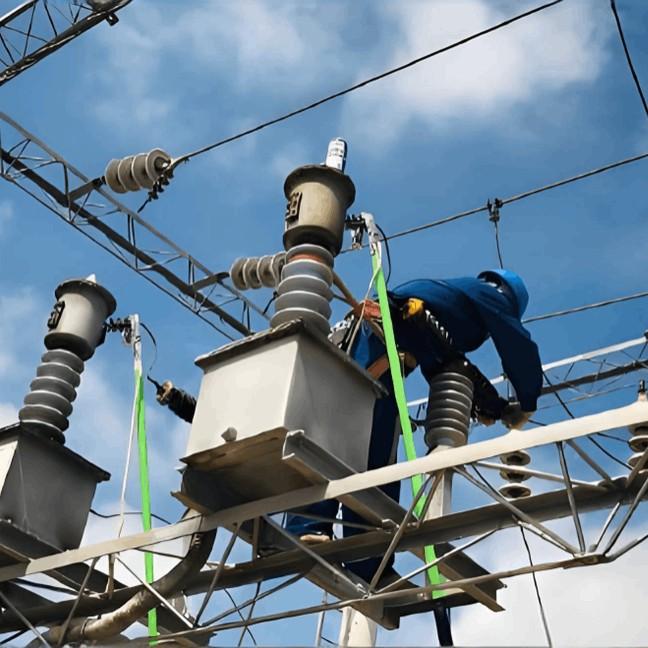
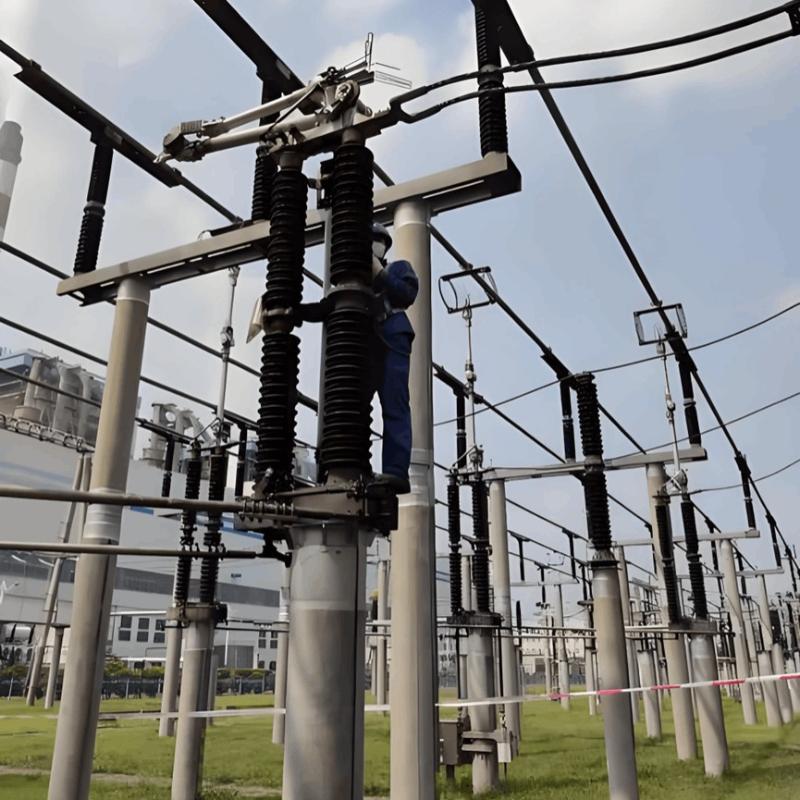
Handling 35kV Substation Fault Tripping
Analysis and Handling of Fault Tripping in 35kV Substation Operation1. Analysis of Tripping Faults1.1 Line-Related Tripping FaultsIn power systems, the coverage area is extensive. To meet power supply demands, numerous transmission lines must be installed—posing significant management challenges. Especially for special-purpose lines, installations are often located in remote areas such as suburbs to minimize impact on residential life. However, these remote areas have complex environments, makin
10/31/2025
Consult
Tip
Consult
Tip
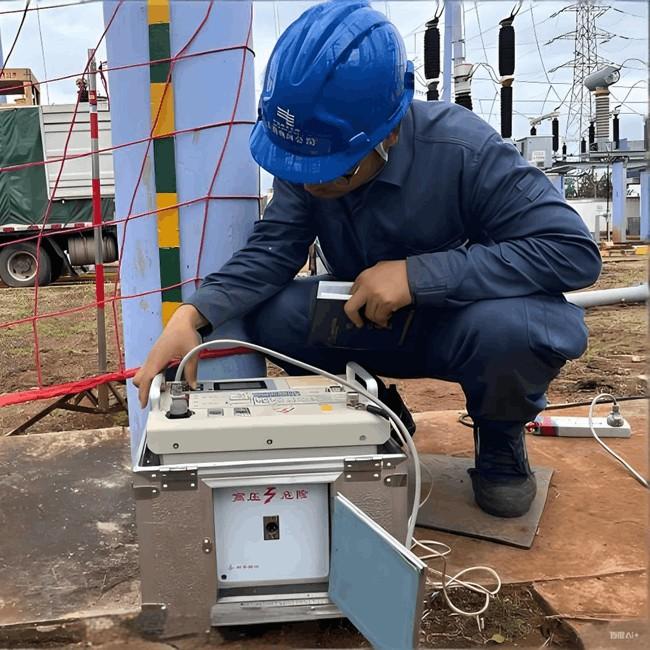
Infrared, UV & Ultrasonic Busbar Discharge Testing
1. Methods for Detecting Busbar Discharge1.1 Insulation Resistance TestThe insulation resistance test is a simple and commonly used method in electrical insulation testing. It is highly sensitive to through-type insulation defects, overall moisture absorption, and surface contamination—conditions that typically result in significantly reduced resistance values. However, it is less effective in detecting localized aging or partial discharge faults.Depending on the equipment’s insulation class and
10/31/2025
Consult
Tip
Consult
Tip
Handling Substation Blackout: Step-by-Step Guide
1. Purpose of Handling Total Substation BlackoutA total blackout at a 220 kV or higher substation may lead to widespread power outages, significant economic losses, and instability in the power grid, potentially causing system separation. This procedure aims to prevent voltage loss in main grid substations rated 220 kV and above.2. General Principles for Handling Total Substation Blackout Establish contact with dispatch as soon as possible. Restore station service power promptly. Quickly restore
10/31/2025
Consult
Tip
Consult
Tip
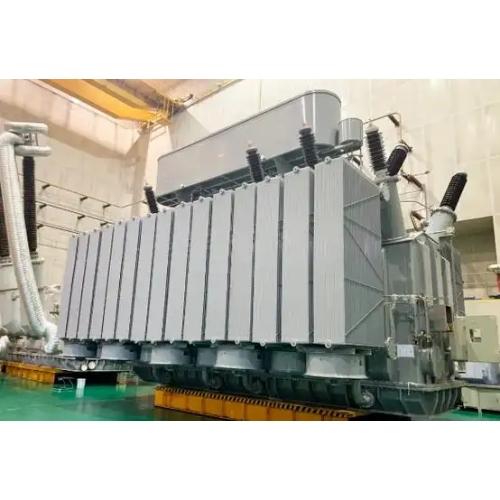
IEC Three-Ratio & Equilibrium Method for DGA Diagnosis
0 Introduction Dissolved gas analysis (DGA) in insulating oil is a crucial test for large oil-immersed power transformers. By employing gas chromatography, it is possible to timely detect the aging or changes in internal insulation oil of oil-filled electrical equipment, identify potential faults such as overheating or electrical discharges at an early stage, and accurately assess the severity, type, and development trend of the fault. Gas chromatography has become an essential method for monito
10/31/2025
Consult
Tip
Consult
Tip
Operation and Fault Handling of High and Low Voltage Power Distribution Systems
Basic Composition and Function of Circuit Breaker Failure ProtectionCircuit breaker failure protection refers to a protective scheme that operates when the relay protection of a faulty electrical device issues a trip command but the circuit breaker fails to operate. It uses the protection trip signal from the faulty equipment and the current measurement from the failed breaker to determine breaker failure. The protection can then isolate other relevant breakers within the same substation in a sh
10/28/2025
Consult
Tip
Consult
Tip
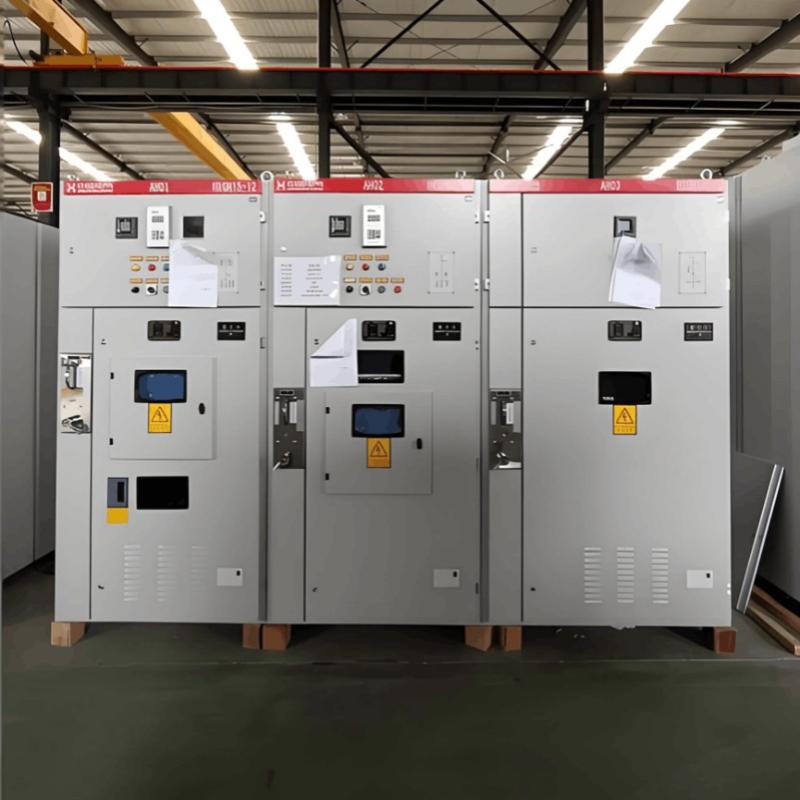
How to Handle Common Faults in RMU and Transformer Substations?
1. Ring Main Unit (RMU) and Transformer SubstationThe ring main unit (RMU) and transformer substation is a critical terminal in a distribution ring network system. The operational status of this terminal is directly affected by the performance of the distribution ring network system. Therefore, this section discusses the advantages, system composition, and key characteristics of the distribution ring network.1.1 Advantages of RMU and Transformer SubstationDue to technological limitations, radial
10/28/2025
Consult
Tip
Consult
Tip
What are the common issues in SF₆ gas circuit faults and circuit breaker failure-to-operate faults?
This article categorizes faults into two main types: SF₆ gas circuit faults and circuit breaker failure-to-operate faults. Each is described below:1.SF₆ Gas Circuit Faults1.1 Fault Type: Low gas pressure, but density relay does not trigger alarm or lockout signalCause: Faulty density gauge (i.e., contact not closing)Inspection & Handling: Calibrate actual pressure using a standard gauge. If confirmed, replace the density gauge.1.2 Density Relay Triggers Alarm or Lockout Signal (but pressure
10/24/2025
Consult
Tip
Consult
Tip
35kV Distribution Line Single-Phase Ground Fault Handling
Distribution Lines: A Key Component of Power SystemsDistribution lines are a major component of power systems. On the same voltage-level busbar, multiple distribution lines (for input or output) are connected, each with numerous branches arranged radially and linked to distribution transformers. After being stepped down to low voltage by these transformers, electricity is supplied to a wide range of end users. In such distribution networks, faults such as phase-to-phase short circuits, overcurre
10/23/2025
Consult
Tip
Consult
Tip
Send inquiry
+86
Click to upload file
Download
Get the IEE Business Application
Use the IEE-Business app to find equipment, obtain solutions, connect with experts, and participate in industry collaboration anytime, anywhere—fully supporting the development of your power projects and business.